Face the Nation (Jan. 11, 2026) examined three major stories: the deadly Minneapolis ICE shooting and resulting nationwide protests; surging unrest in Iran and U.S. deliberations over potential responses; and the Trump administration’s moves to control Venezuelan oil sales and court U.S. investment as part of a stabilization strategy. Guests included Rep. Ilhan Omar, Energy Secretary Chris Wright, Sen. Tim Kaine and Rep. Maria Elvira Salazar.
Face the Nation — Jan. 11, 2026: Minneapolis ICE Protests, Iran Unrest, and the U.S. Push into Venezuela
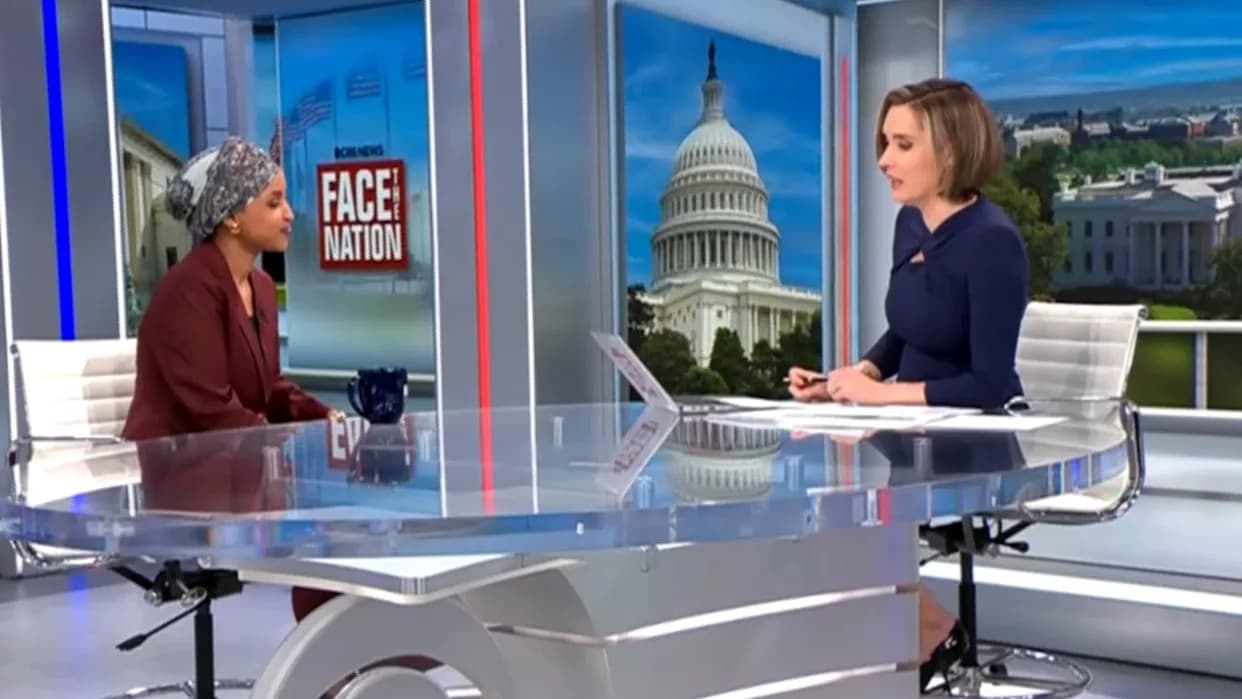
On the Jan. 11, 2026 edition of Face the Nation, Margaret Brennan moderated interviews and field reports on three major, interlocking stories: nationwide anti-ICE demonstrations after a deadly Minneapolis shooting; escalating protests in Iran and U.S. deliberations over responses; and the Trump administration’s rapidly expanding policy and economic moves in Venezuela.
Minneapolis, ICE, and Questions About Use Of Force
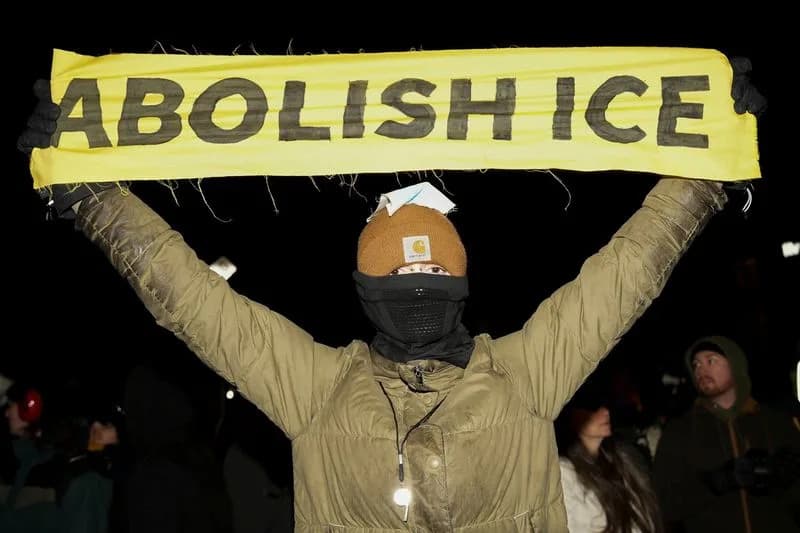
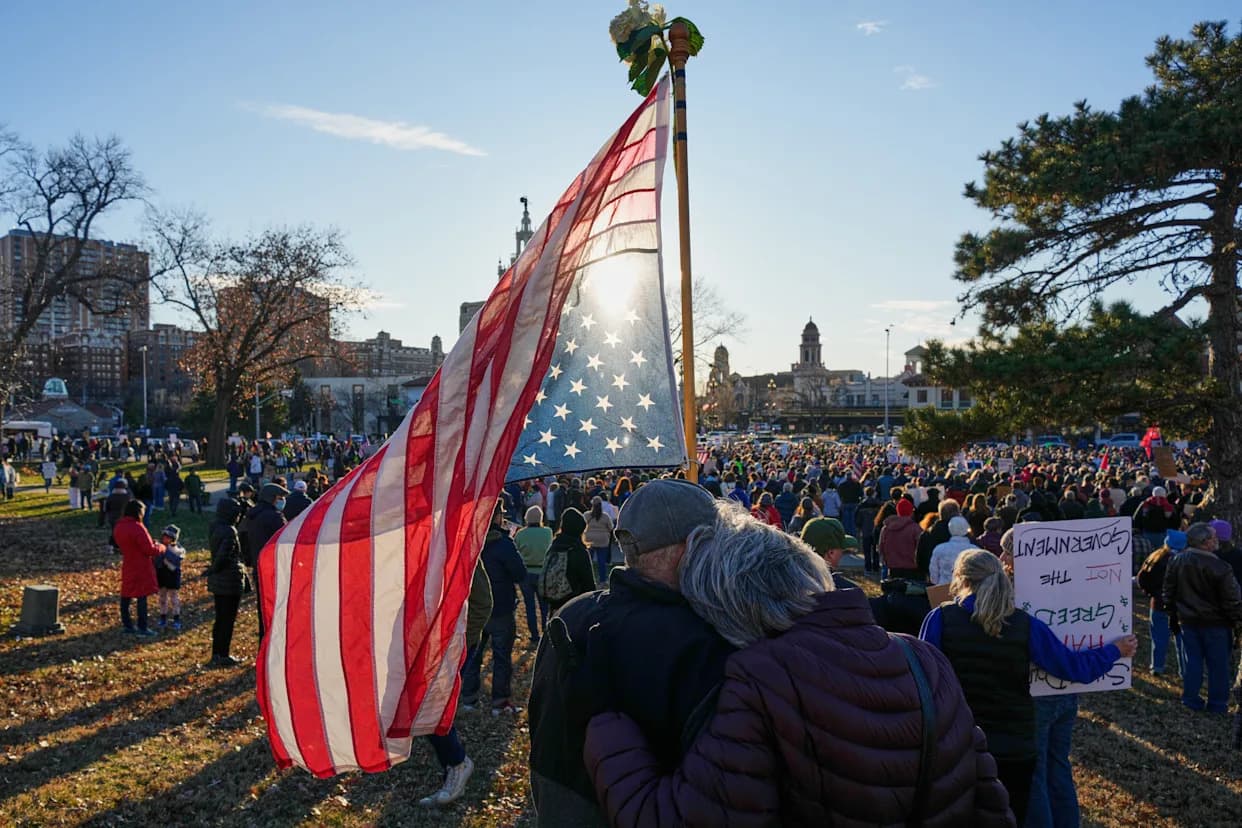
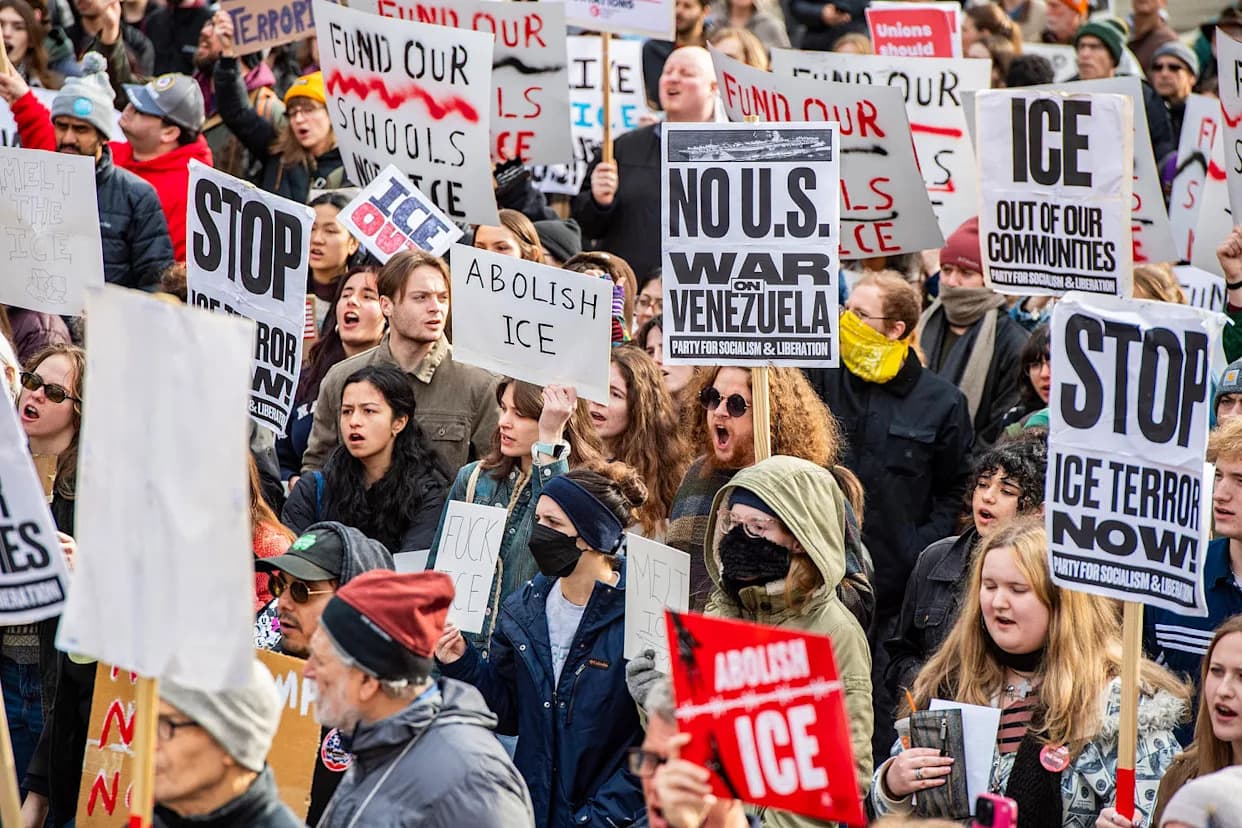
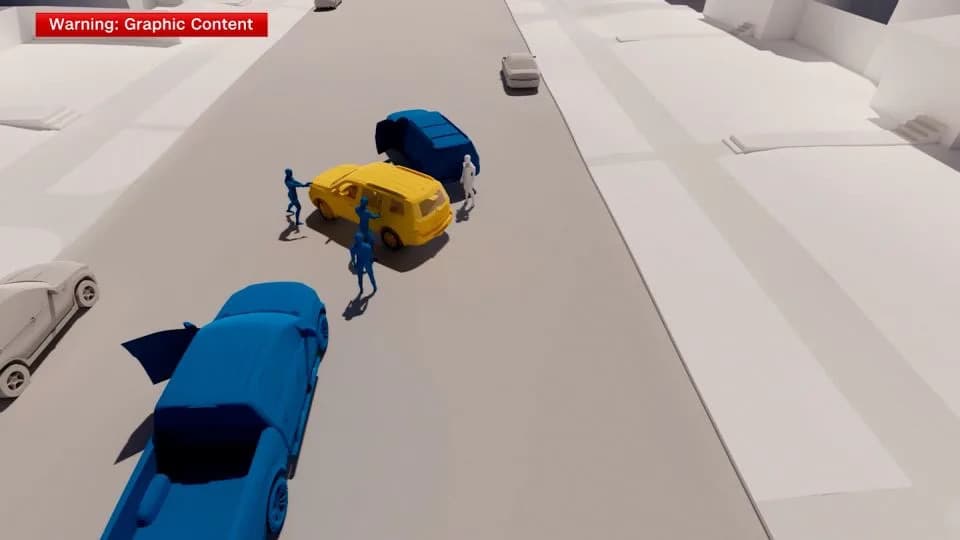
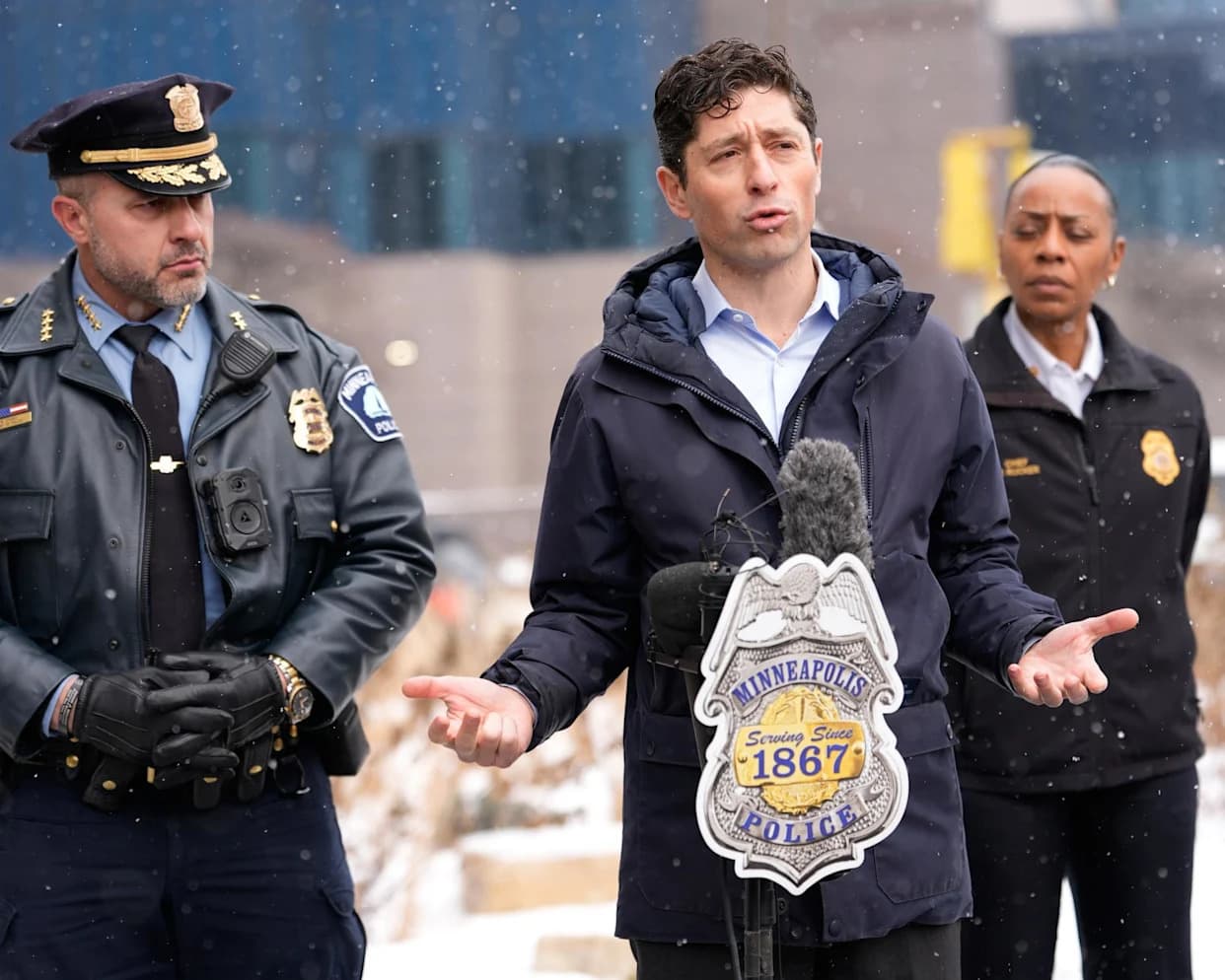
Homeland security correspondent Nicole Sganga reported from Minneapolis, where tens of thousands participated in anti-ICE demonstrations following the fatal shooting of 37-year-old Renee Nicole Macklin Good by an ICE agent. The report noted that roughly 2,400 Department of Homeland Security personnel are deployed to the region and that DHS plans to send hundreds more U.S. Customs and Border Protection agents.
State investigators say they have been denied access to some evidence as federal authorities lead the probe. CBS cited an internal analysis indicating ICE agents fired weapons in at least eight incidents over the past four months, resulting in three deaths; many of those shootings involved vehicles. The Justice Department’s Civil Rights Division reportedly declined to join the FBI’s investigation, a departure from past practice that raised additional scrutiny about the scope and independence of the inquiry.
Representative Ilhan Omar told Margaret Brennan she supports public documentation of law enforcement encounters and criticized what she described as inflammatory rhetoric from some federal and state officials. She said videos released so far show Renee Good sitting in her car and attempting to let others pass, and urged a full, impartial investigation before labeling the protester "a domestic terrorist" or asserting she was a paid agitator.
Venezuela: Oil, Reconstruction, and American Investment
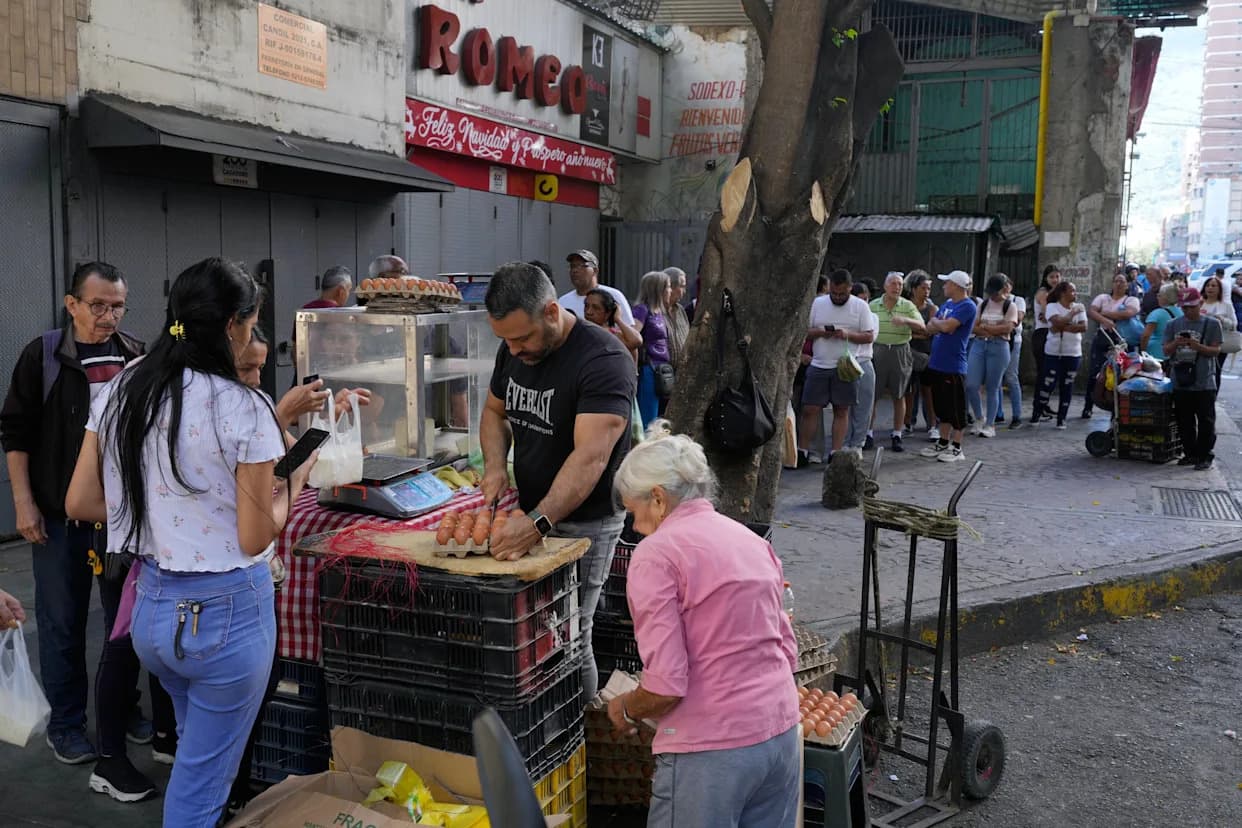
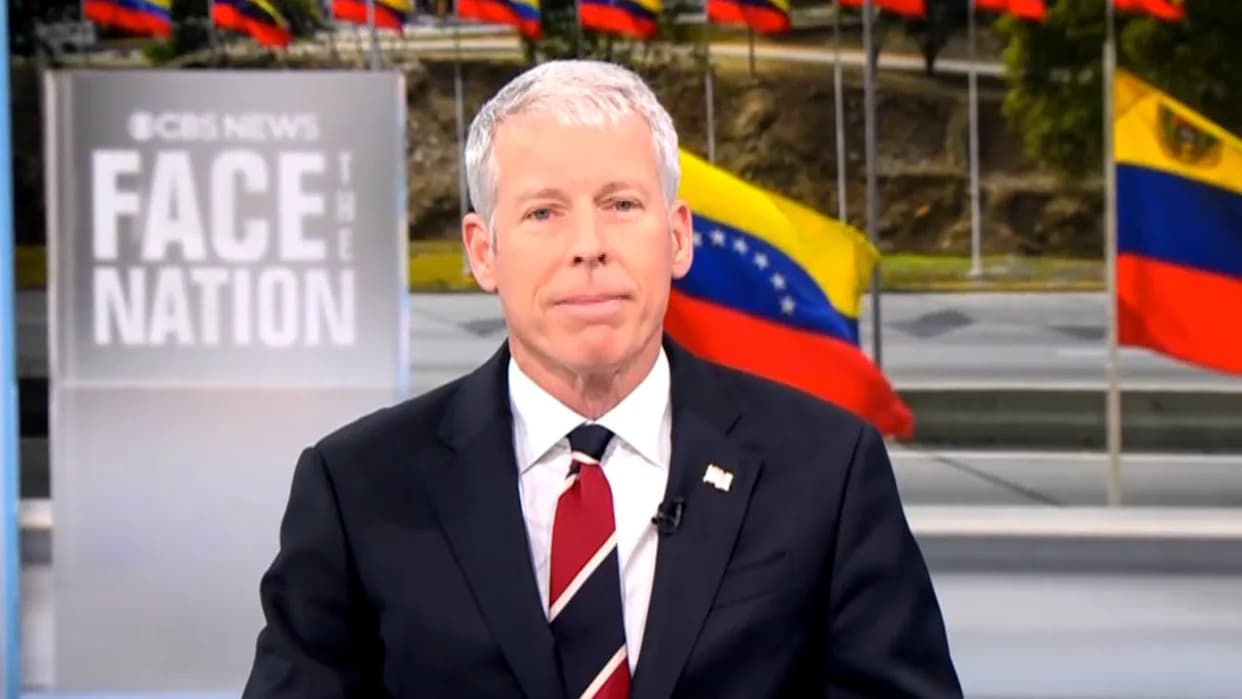
Energy Secretary Chris Wright discussed the administration’s plans to control Venezuelan crude sales and to encourage U.S. companies to invest in rebuilding Venezuela’s oil infrastructure. Wright said the U.S. has routed Venezuelan oil sales through American crude marketers and is collecting proceeds to support stabilization and reconstruction efforts. He emphasized the administration’s goal of preventing state collapse while creating conditions for a political transition and broader private investment.
Wright rejected the claim that the U.S. will directly nationalize or permanently operate Venezuela’s state oil company, PDVSA, but said American firms are likely to expand operations there over time. He described auctions and open bidding for certain assets, and denied allegations that specific donors or political allies are receiving preferential treatment in those processes. Wright acknowledged timelines are uncertain and said rebuilding production could take many months or years rather than weeks.
Iran: Widespread Unrest and U.S. Deliberations
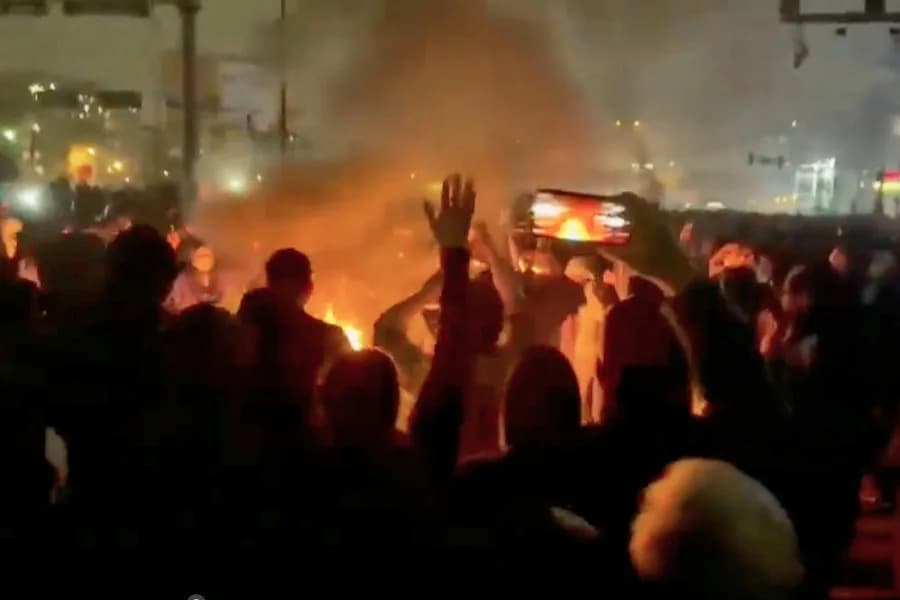
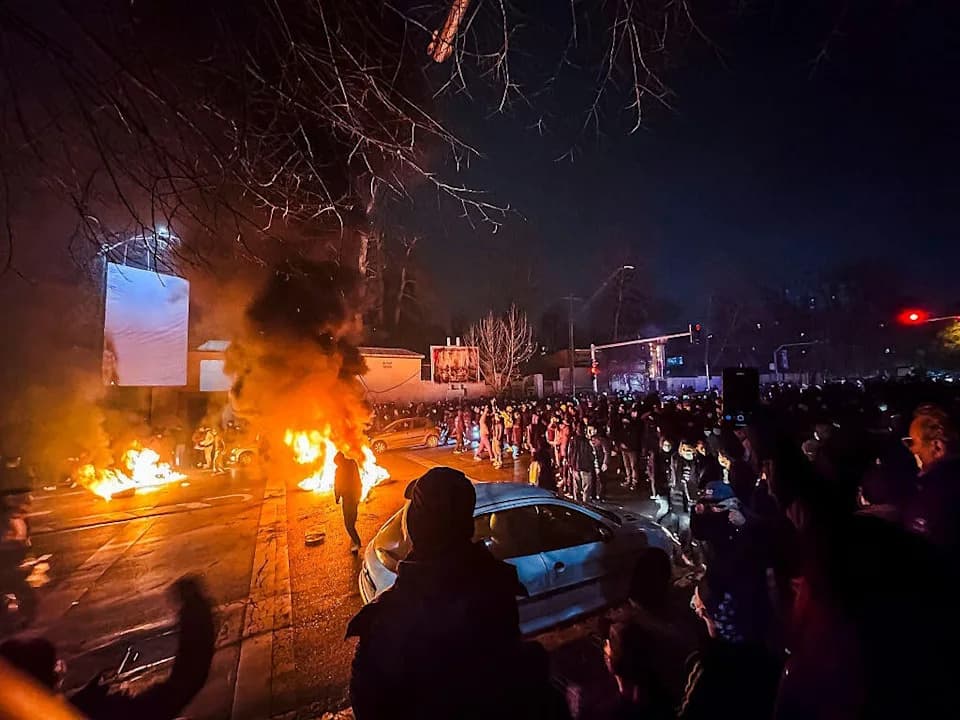
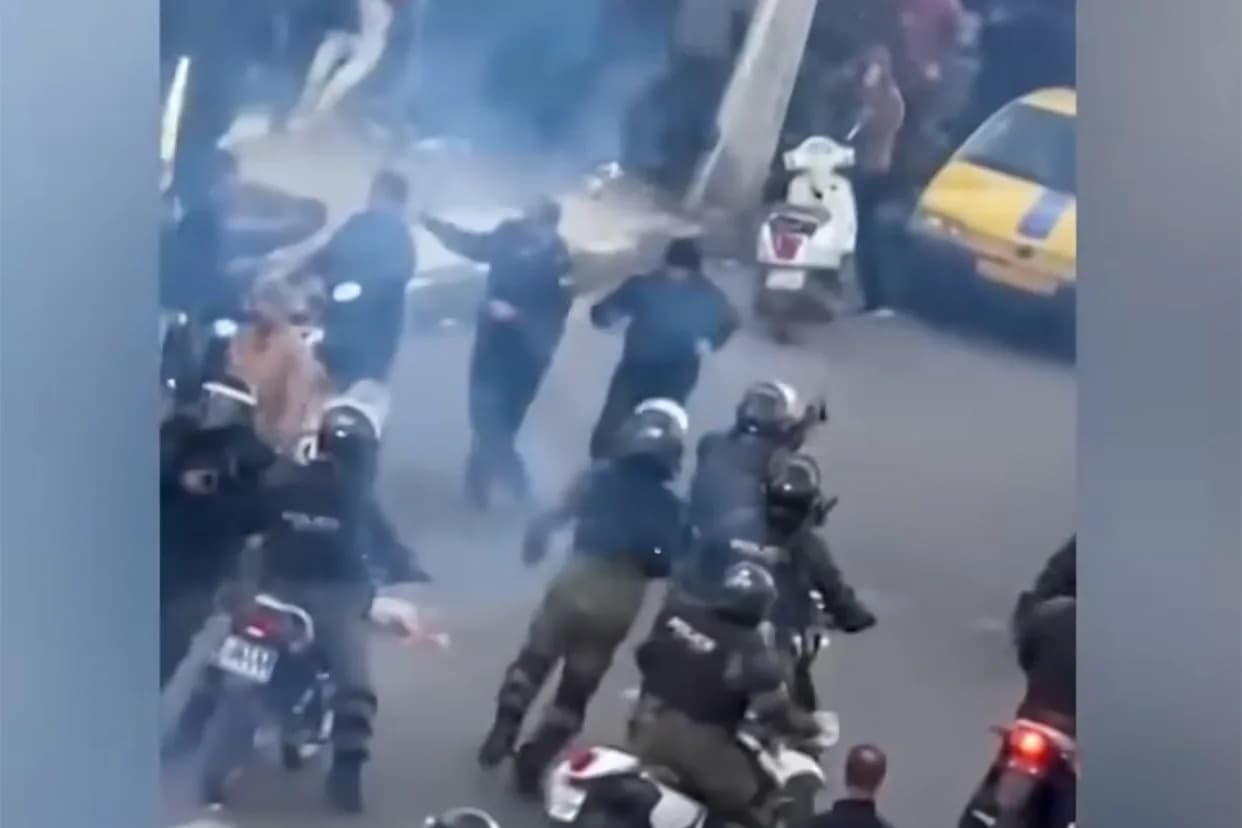
International correspondent Imtiaz Tyab reported that unrest across Iran has intensified after economic discontent broadened into political protest. Citing human rights groups and verified video evidence, the program reported dozens to hundreds of deaths and thousands of arrests as security forces imposed crackdowns and communications restrictions. Videos verified by CBS showed government buildings, mosques and surveillance cameras attacked by demonstrators in some cities.
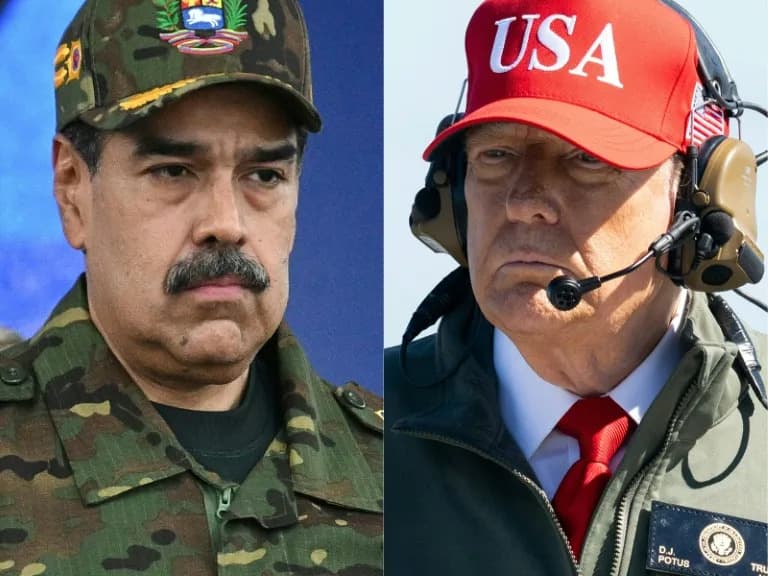
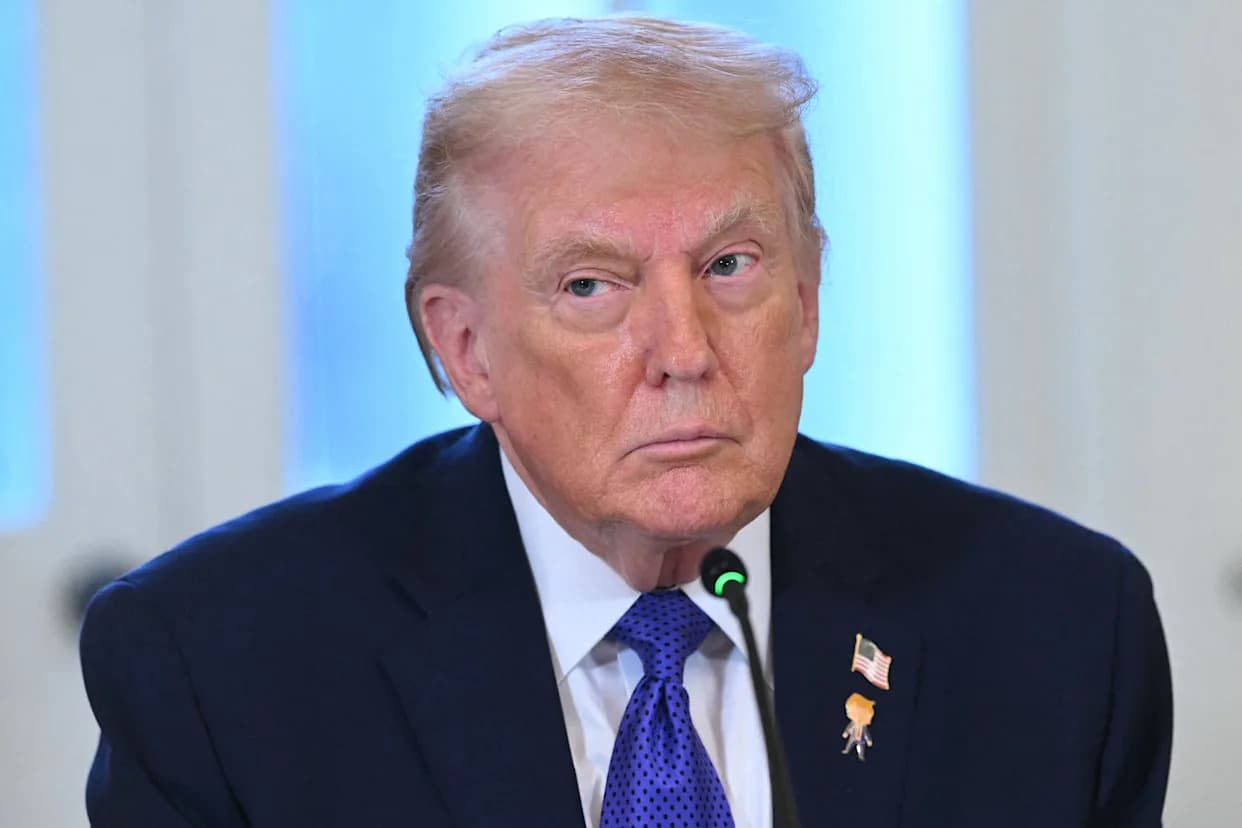
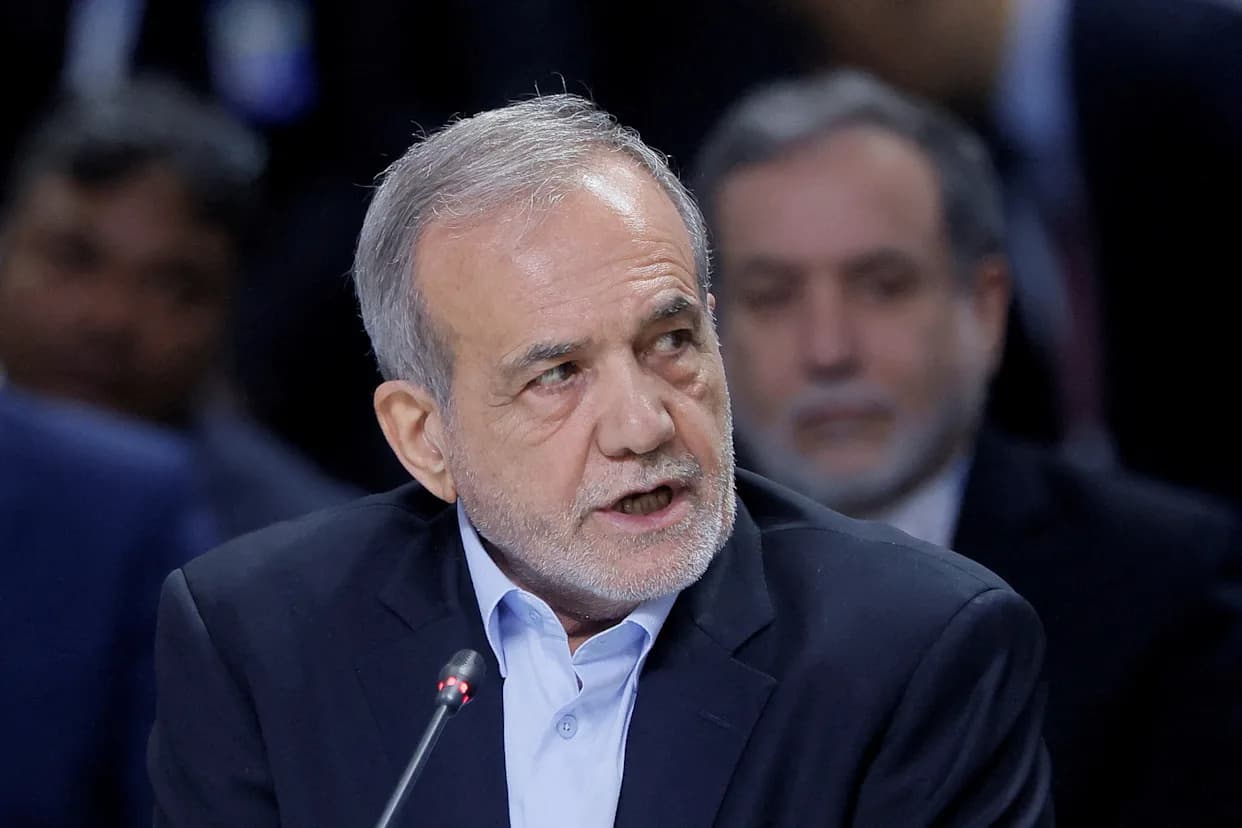
President Trump has warned Iran that the U.S. would respond if security forces escalate lethal crackdowns; CBS reported that senior U.S. officials have briefed the president on military options. Senator Tim Kaine, appearing from Richmond, strongly warned against U.S. military strikes in Iran — arguing that military intervention would be a strategic error — and urged continued sanctions, diplomacy and other non-kinetic measures to support protesters without risking wider conflict.
Congress, Oversight and Domestic Notes
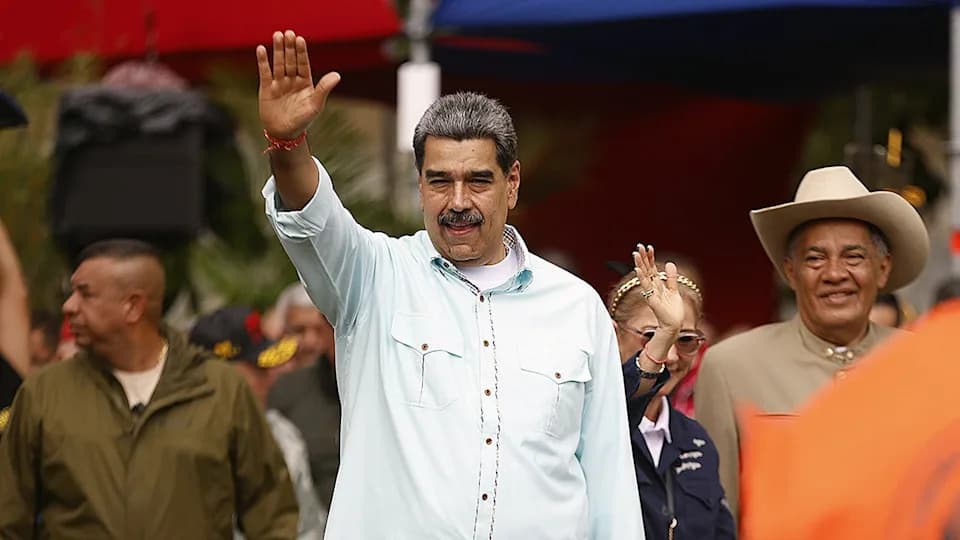
Senator Kaine also led a bipartisan procedural effort to require congressional review before additional military action in Venezuela, arguing for public debate and oversight. Representative Maria Elvira Salazar of Florida discussed the Venezuelan opposition’s leader Maria Corina Machado, who was expected to meet President Trump, and warned about figures tied to Maduro’s security apparatus.
The program closed with a domestic update on the Jan. 6 plaque honoring first responders: legal and procedural disputes delayed a permanent placement on the Capitol, but the Senate cleared a path to install a temporary plaque while a permanent site is identified.
What to Watch: developments in the Minneapolis investigation, any change in U.S. posture or sanctions toward Iran, how U.S. management of Venezuelan oil revenues and auctions unfolds, and whether Congress presses for additional oversight of executive actions abroad.
Help us improve.