
A new DNA analysis by the Natural History Museum shows the "Beachy Head woman," previously portrayed as a "first black Briton" in a 2016 BBC series, descended from the local Roman‑era population of southern England and likely had light skin, blond hair and pale eyes. Radiocarbon dating places her death between 129–311 AD. Osteological and isotope analyses estimate she was 18–25 years old, about 4.9 ft tall, had a healed leg wound and a diet rich in seafood. The findings, published in the Journal of Archaeological Science, illustrate how advancing techniques continue to refine our understanding of ancient populations.
DNA Study Reclassifies 'Beachy Head Woman' — Local Roman‑Era Briton, Not Sub‑Saharan Origin

The original plaque was removed in 2022
A skeleton long promoted in a 2016 BBC series as the "first black Briton" has been reclassified by a new DNA study as a member of the local Roman‑era population of southern England, likely with light skin, blond hair and pale eyes.
The remains, commonly referred to as the "Beachy Head woman," were rediscovered in 2012 in a box in Eastbourne Town Hall labelled as found at Beachy Head and are thought to have been originally uncovered in the 1950s, though no formal excavation record has been found.
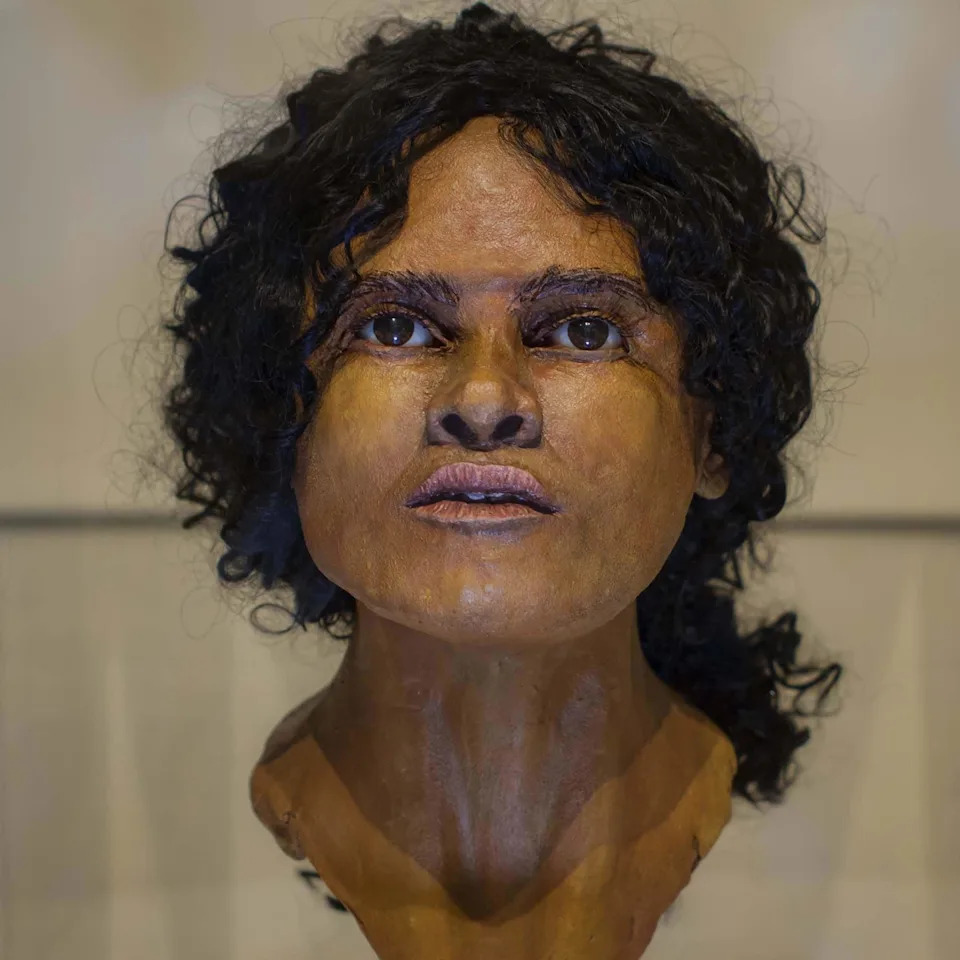
The BBC programme presented the Beachy Head woman as ‘sub-Saharan African in origin’ - BBC
New genetic evidence — led by Dr William Marsh and colleagues at London’s Natural History Museum — used advanced sequencing techniques to compare the woman’s DNA to other ancient individuals. The team reported that her genetic ancestry is most similar to local Roman‑era people from southern England. Radiocarbon dating places her death between 129 and 311 AD, during Roman rule in Britain.
"By using state of the art DNA techniques we were able to resolve the origins of this individual. We show she carries genetic ancestry that is most similar to other individuals from the local population of Roman‑era Britain," said Dr William Marsh.
Osteological analysis indicates the woman was about 18–25 years old at death, stood just over 4.9 ft (about 150 cm), and had a healed leg injury consistent with a significant but non‑fatal wound. Stable isotope (carbon and nitrogen) analysis suggests her diet included substantial amounts of seafood.
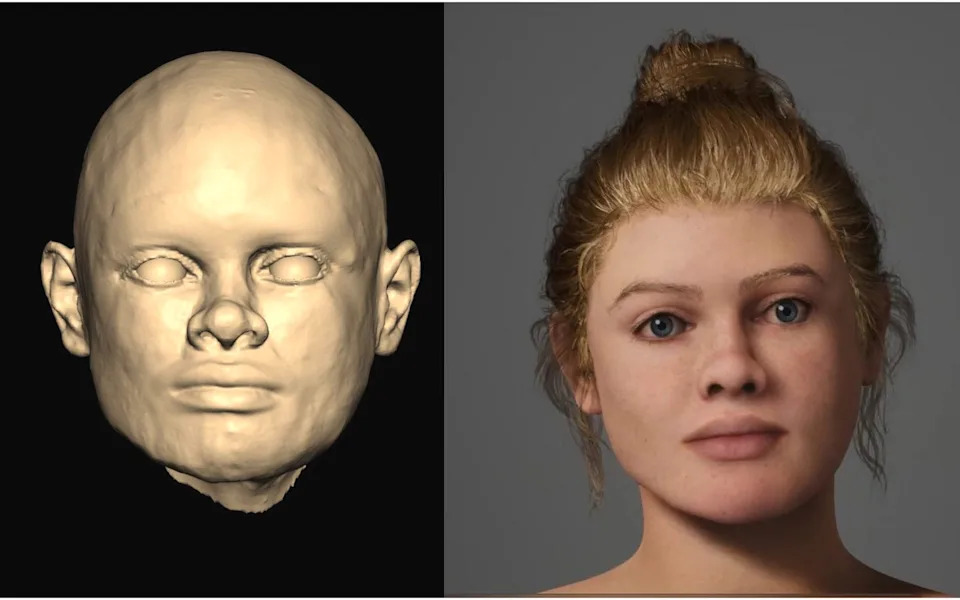
Scientists reveal that the ‘Beachy Head Woman’ was not black as first presumed - Face Lab at Liverpool John Moores University
Background and earlier debate: The 2016 BBC series Black and British: A Forgotten History presented a facial reconstruction depicting the woman with dark skin and described her as "a black Briton," drawing attention to Britain's historical connections with Africa. A 2017 genetic study had already cast doubt on a sub‑Saharan origin, suggesting Mediterranean ancestry (possibly Cypriot). After the scientific debate, a plaque commemorating African origins was removed in 2022.
Dr Selina Brace of the Natural History Museum commented: "Our scientific knowledge and understanding is constantly evolving, and as scientists, it's our job to keep pushing for answers. Thanks to advances in technology over the past decade, we can now report more comprehensive data about this individual and her life."
This case feeds into a broader scientific conversation about pigmentation in ancient Britain. For example, analyses of the much older 'Cheddar Man' suggested a combination of dark skin and blue eyes, while other studies indicate that many Neolithic farmers who lived around 2,500 BC likely had lighter skin. These varied results underscore the complexity of ancient population movement and appearance.
The new research on the Beachy Head remains was published in the Journal of Archaeological Science.


