Summary: Energy Secretary Chris Wright told "Face the Nation" the Biden administration (note: original interview referenced President Trump) is exercising control over Venezuelan crude sales by routing exports through U.S. marketers and collecting proceeds as part of an eight-day effort to stabilize Venezuela and cut off funds to hostile actors. Wright denied current U.S. military guarantees for companies, rejected allegations of donor favoritism in asset sales such as Citgo, and said timelines for production recovery are likely measured in months to years. He also declined to comment on operational details regarding Iran and said the administration will brief Congress on key commercial decisions.
Energy Secretary Chris Wright on Venezuela, Iran, and U.S. Control of Venezuelan Oil — Face the Nation, Jan. 11, 2026
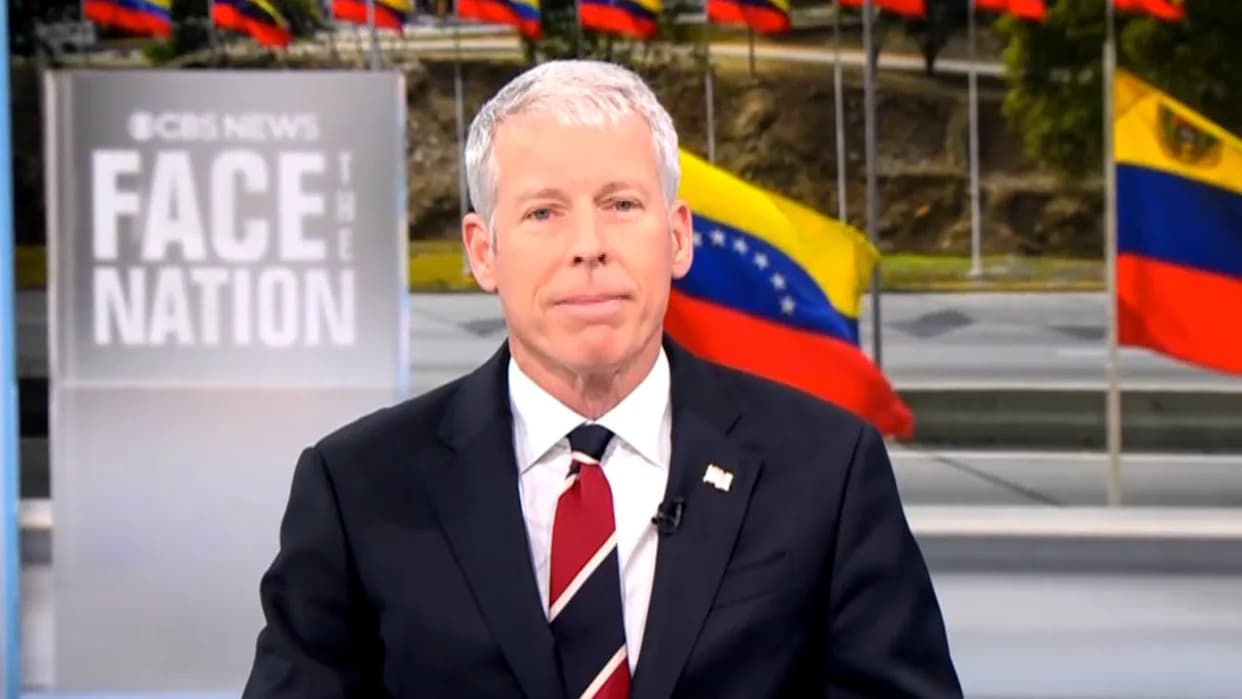
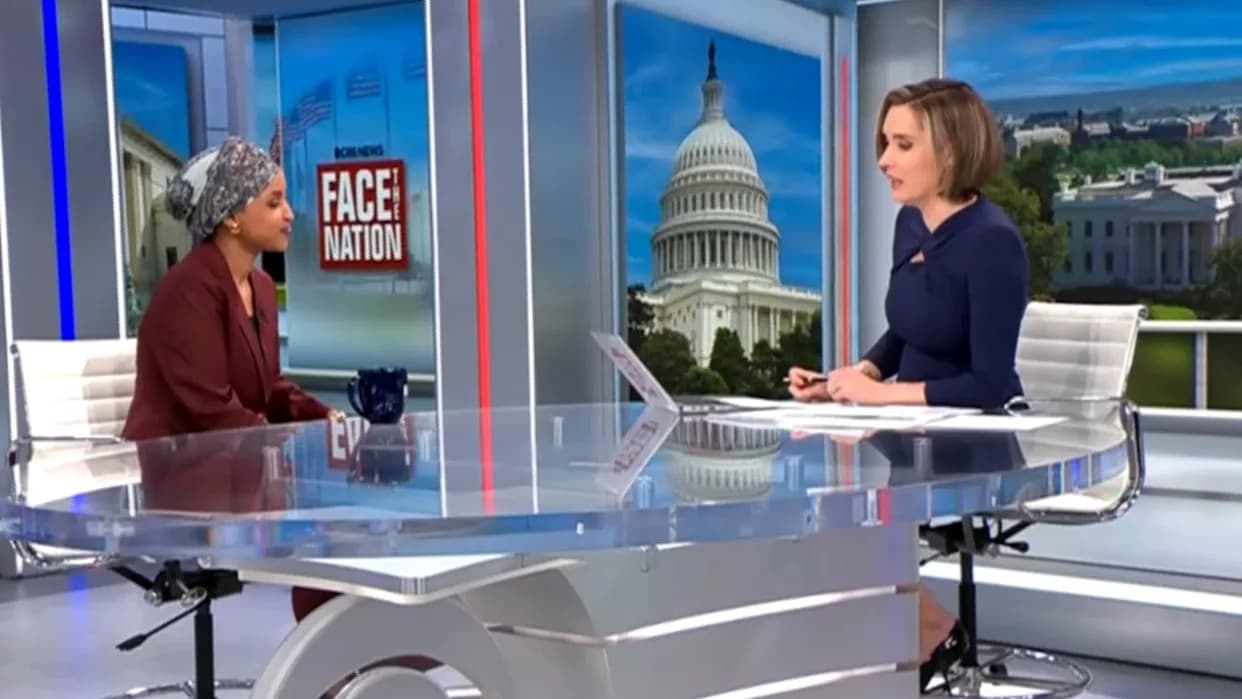
Transcript: Secretary of Energy Chris Wright on "Face the Nation with Margaret Brennan," Jan. 11, 2026.
MARGARET BRENNAN: This morning President Trump declared that Venezuela now has the military protection of the United States — a week after saying the U.S. would effectively run the country. Venezuelan opposition leader María Corina Machado is expected to travel to Washington this week to meet with the President. Mr. Trump and his team also met with dozens of U.S. oil executives late last week, urging commitments of up to $100 billion to expand production in Venezuela. With me in studio to discuss all of this is U.S. Secretary of Energy Chris Wright.
SECRETARY CHRIS WRIGHT: Thanks, Margaret. Glad to be here.
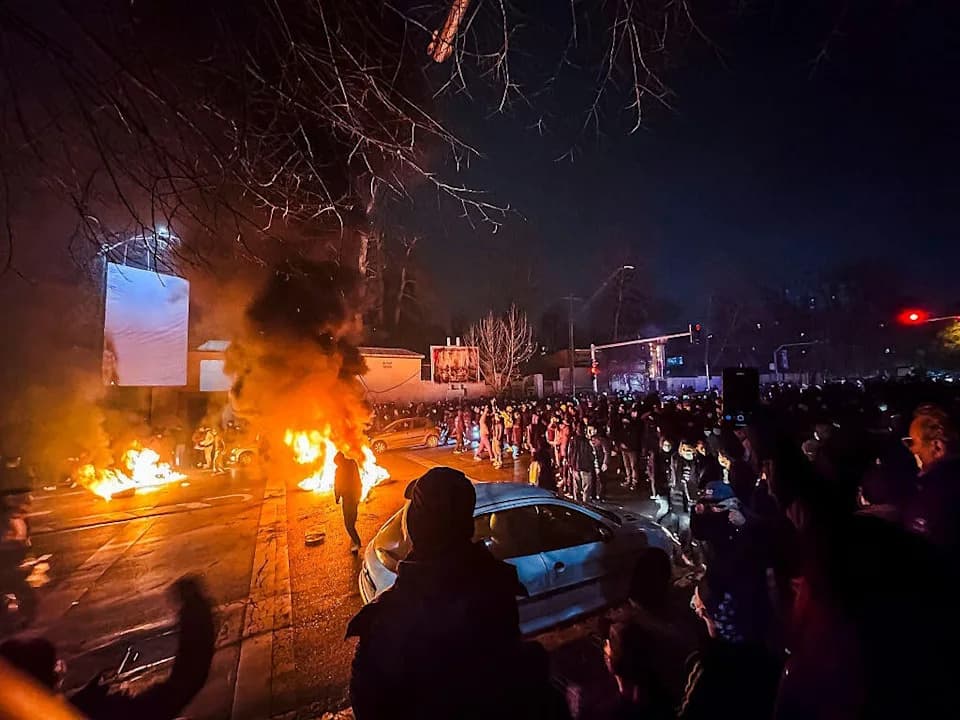
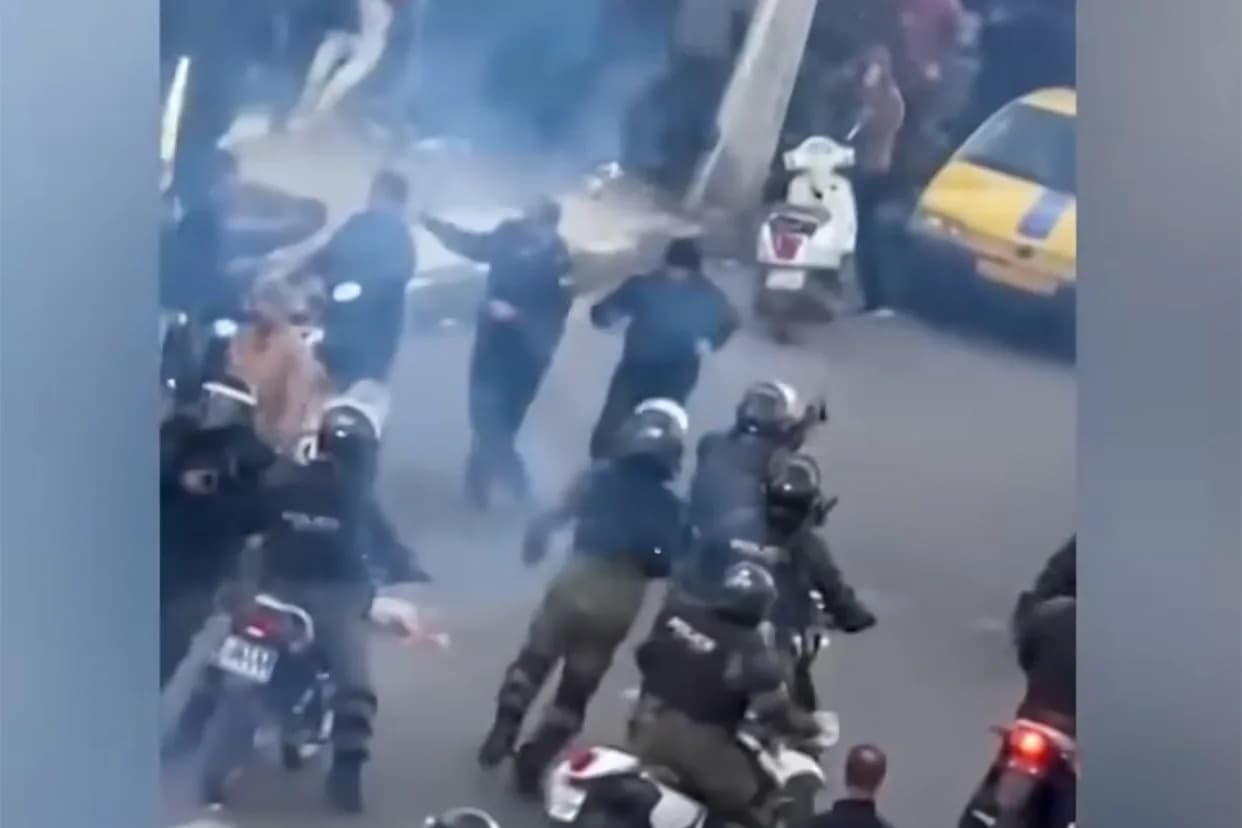
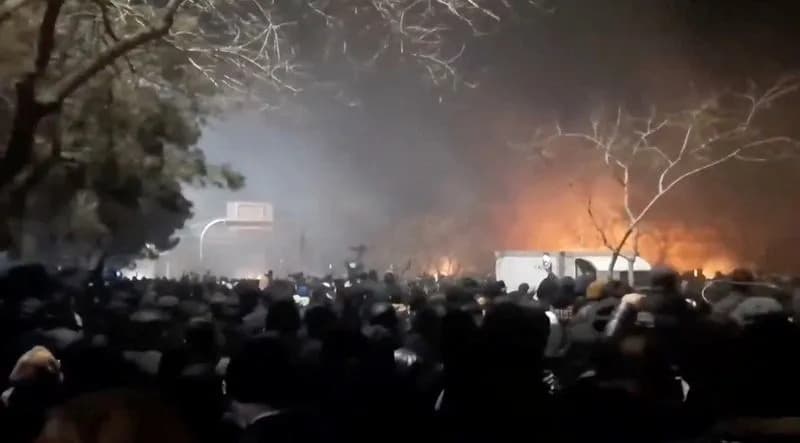
MARGARET BRENNAN: Before we get to Venezuela, quickly: the protests in Iran. This is a country whose economy is heavily tied to oil. The President has been briefed on military options. What is the U.S. prepared to do to help?
SEC. CHRIS WRIGHT: The President has been vocal in support of freedom, the rule of law, and stronger ties with the United States. His moral backing has been clear, and he has taken a firm stance against Iran's clerical leadership, including actions aimed at degrading their nuclear capabilities. I believe many Iranians feel encouraged by a strong American posture. I won’t discuss operational specifics, but we wish the protesters well and would welcome a free, democratic Iran.
MARGARET BRENNAN: Will there be more interdictions of ships carrying Iranian oil? Should we expect further action at sea?
SEC. CHRIS WRIGHT: I won’t disclose any changes to our posture on that matter.
MARGARET BRENNAN: Let’s turn to Venezuela, where you’ve been central to the administration’s policy. The President said the U.S., as the world’s most powerful military, will protect Venezuela. Is the U.S. military offering security guarantees for American companies operating there?
SEC. CHRIS WRIGHT: Not at this moment. What the President means is we are altering the conditions on the ground. Venezuela has acquired roughly $20 billion in Russian weaponry, hosts Cuban mercenaries, supplies oil to Cuba and — as has been alleged by some authorities — harbors Hezbollah activity in the region. The country has been destabilized for years. By exercising control over the sale of Venezuelan oil and therefore the flow of funds into the country, the United States is changing incentives and we expect to see improvements on the ground. This is a process — we are only eight days in, and it is off to a strong start.
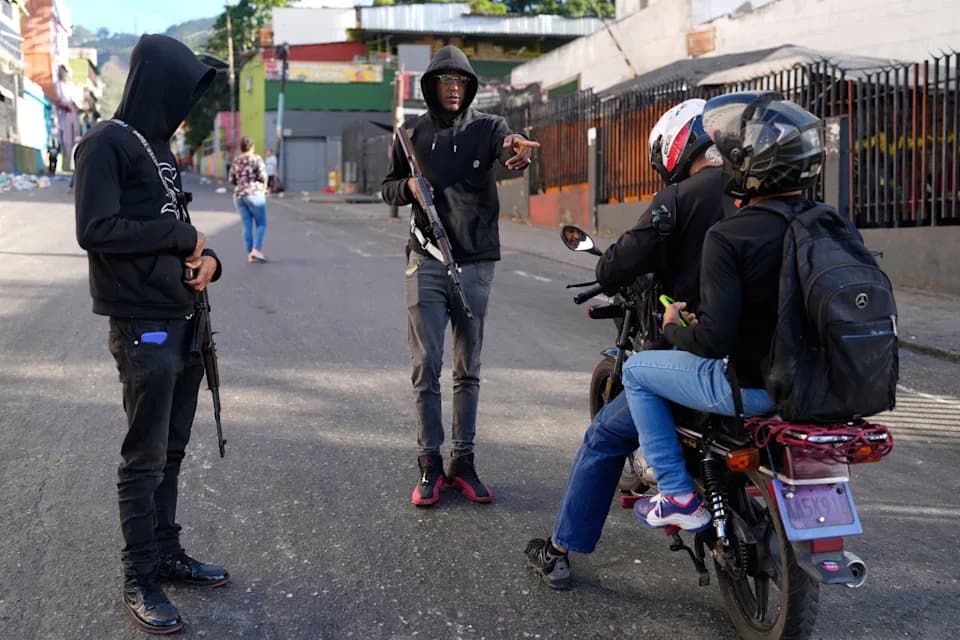
MARGARET BRENNAN: The State Department issued a security alert warning Americans in Venezuela face risks: armed militias are setting roadblocks and searching vehicles for signs of U.S. citizenship or support. The leader of those militias, Diosdado Cabello, is also the interior minister. Is he directing Americans to be hunted?
SEC. CHRIS WRIGHT: Not that we are aware of, but caution is warranted. Interim authorities are attempting to consolidate power. Collectivos and other armed groups have been active and violent in Venezuela for more than a decade, and they remain a threat. We must engage tactically with those who control forces today to prevent a national collapse while working toward a representative government.
MARGARET BRENNAN: Is Cabello secure in his role given the administration’s current cooperation with elements on the ground?
SEC. CHRIS WRIGHT: We are very concerned about stability in Venezuela’s leadership. Working with current powerholders is a tactical necessity to prevent collapse, but the broader goal is stable, civilian governance. We are monitoring the risk that armed actors could undermine reformers such as Delcy Rodríguez.
MARGARET BRENNAN: Broadly speaking, is the administration aiming to take control of PDVSA, the state oil company, and run it? Will Americans be placed on its board?
SEC. CHRIS WRIGHT: This is a step-by-step process. Our immediate objective is to halt harms affecting the United States — flows of weapons, criminal activity, migration, and illegal drugs. Restoring Venezuela’s long-corrupted oil sector is part of stabilizing the region and improving livelihoods. In the near term we are not operating PDVSA as an American state-owned company; we are controlling the sale of Venezuelan crude. Exports are being routed through American crude marketers, proceeds are collected, and funds are managed to support Venezuelan needs. Over time, you will likely see expanded American corporate involvement and increased production, but the exact structure will emerge through legal and commercial processes.
MARGARET BRENNAN: In November a U.S. judge backed a bid by a U.S. hedge fund to buy Citgo Petroleum; Treasury approval is still pending. That fund is run by Paul Singer, a major Trump donor. Do you expect American ownership of Citgo — and how do you address concerns about favoritism?
SEC. CHRIS WRIGHT: Those transactions move through the U.S. legal system and market processes. The Citgo matter is part of returning value to creditors of the Venezuelan government via an auction mechanism that was open to multiple bidders. Decisions about buyers and ownership will follow legal and regulatory reviews, including Treasury approval where required. I can categorically deny that there is preferential treatment for donors; these are competitive, legal processes.
MARGARET BRENNAN: Will you brief Congress on which firms receive access or contracts?
SEC. CHRIS WRIGHT: Yes. We will provide briefings where appropriate. Many processes — such as auctions and contract awards — follow established legal and administrative procedures. Our stated goals are to maximize returns for creditors, secure reliable refinery operations, and help lower fuel costs for Americans.
MARGARET BRENNAN: Senator Rubio outlined a three-point plan — stabilize, rehabilitate, transition. Executives say production gains could take 18–24 months to materialize. How long will U.S. involvement continue?
SEC. CHRIS WRIGHT: Venezuela’s oil industry has decades of complexity and decline; turning it around will take time. The government’s role is to enable a transition to legitimate Venezuelan sovereignty and a stable, functioning energy sector. That timeline is uncertain — likely months to a year or two, possibly longer, depending on security, commercial investments, and political progress.
MARGARET BRENNAN: Secretary Wright, thank you for joining us.
END TRANSCRIPT
Help us improve.