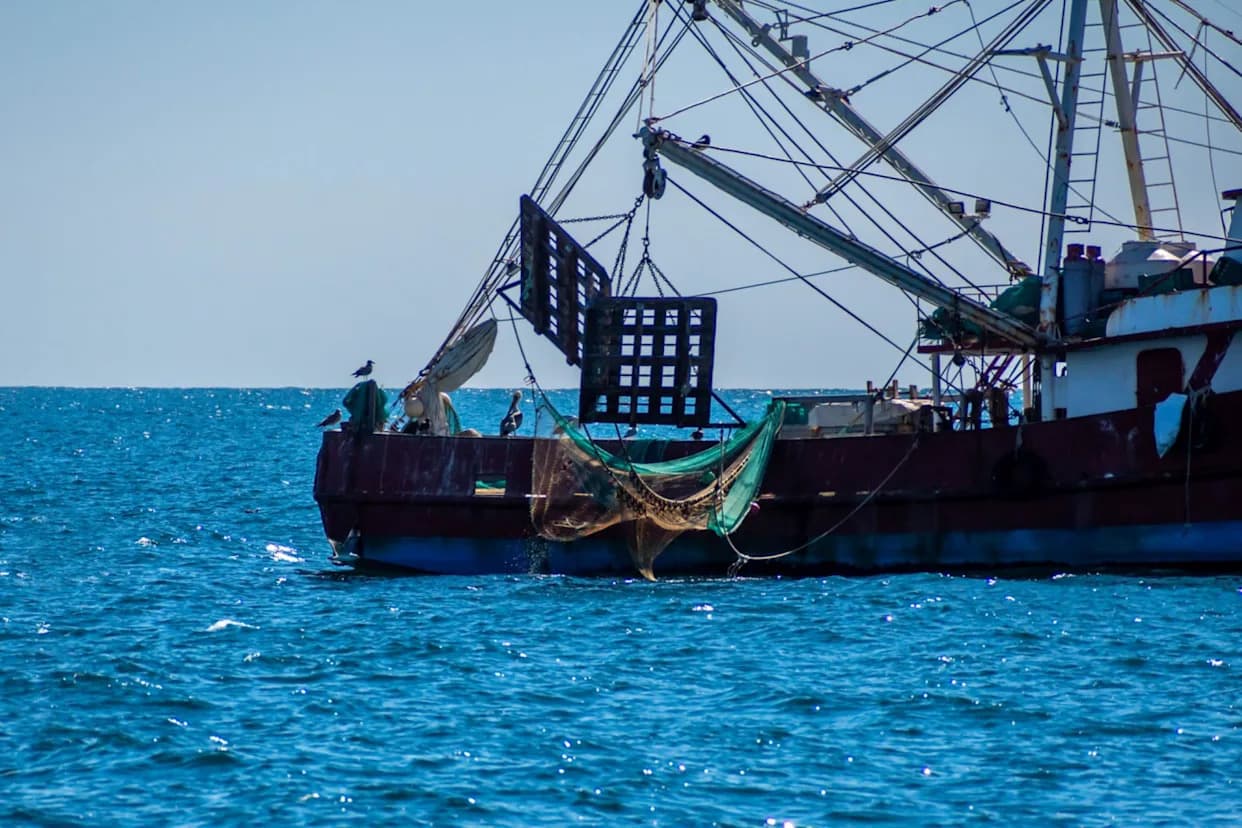
A study in Frontiers in Marine Science suggests bottom trawling may mobilize an estimated 408 million tons of carbon from seabed sediments, potentially releasing it to the atmosphere. Bottom trawling supplies about 25% of the world’s wild-caught seafood and also causes bycatch and habitat damage. Current climate accounting focuses on atmospheric sources, leaving underwater carbon largely uncounted; researchers say better measurement and policy consideration are needed. Conservation, low-impact fishing, and innovation are proposed remedies.
Study: Bottom Trawling May Release ~408 Million Tons Of Carbon — An Overlooked Climate Risk
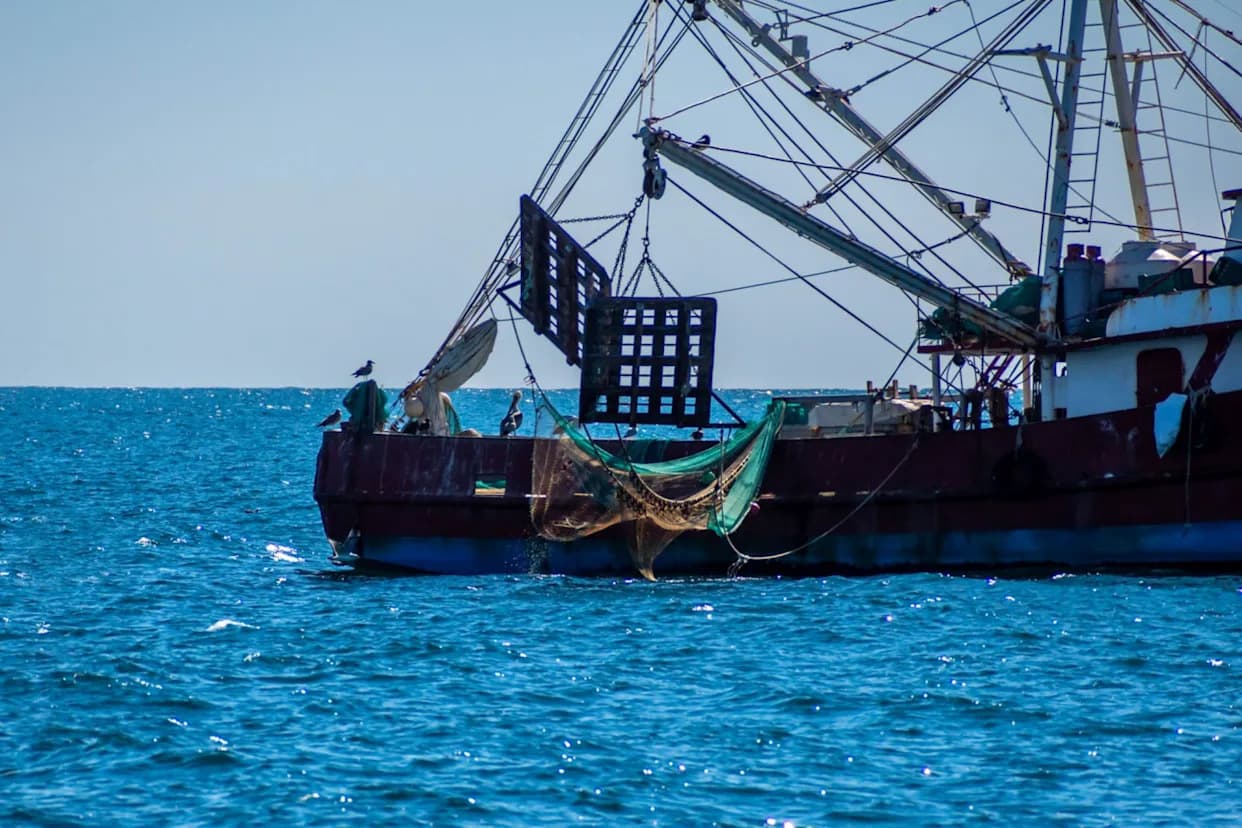
Photo Credit: iStock
A new study in Frontiers in Marine Science warns that bottom trawling — the practice of dragging heavy nets across the seafloor to catch fish — may be releasing large quantities of stored carbon from seabed sediments into the atmosphere, with potential consequences for fisheries and the global climate.
Reporting by Inside Climate News highlights the study’s headline estimate: researchers suggest roughly 408 million tons of carbon may be mobilized from the ocean and enter the atmosphere because of bottom trawling. The method is used to harvest an estimated 25% of the world’s wild-caught seafood, according to a separate analysis.
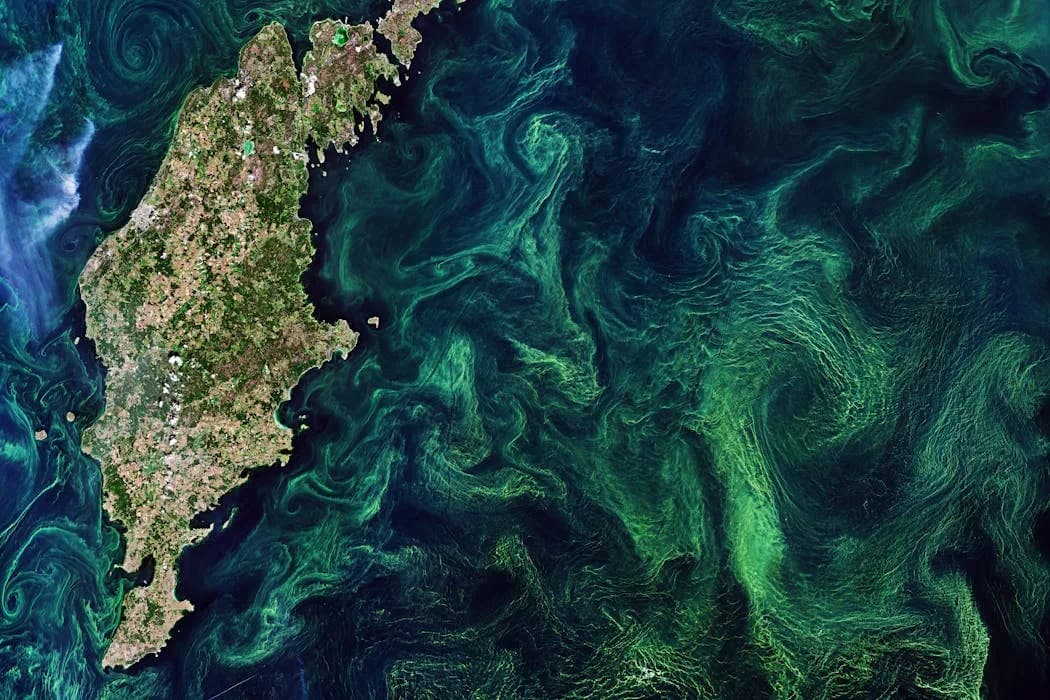
Why this matters: Carbon dioxide traps heat in Earth’s atmosphere, raising air and ocean temperatures and contributing to changes in precipitation and sea level. Disturbing carbon-rich seabed sediments can convert stable stores into forms that are more likely to escape into the water column and, ultimately, the atmosphere.
A 2021 Nature paper previously suggested that seabed disturbance could produce carbon emissions comparable to or exceeding those of the global aviation sector, underscoring the potential scale of the effect.
"We've only ever thought about carbon being added to the atmosphere from the land and going into the ocean. We've never thought of: What if there's extra carbon being generated in the ocean itself?" — Gavin Schmidt, co-author and director of the NASA Goddard Institute for Space Studies.
Experts note a regulatory gap: the Paris Climate Agreement and most national reporting systems currently focus on atmospheric emissions and terrestrial sources, meaning underwater carbon releases from activities like bottom trawling have not been systematically counted or regulated.
Bottom trawling also causes direct ecological harm: nets often catch non-target species (bycatch), damaging habitats and killing marine animals that were not the fish the vessels intended to catch.
Economics and politics complicate quick reforms. The global seafood sector feeds billions and is large — Statista estimated the market at more than $236 billion in 2023 — so proposals to restrict common harvest methods can face resistance from fishers, processors, and coastal communities.
"Anytime science suggests that there might be regulatory issues with an industry, there are going to be questions about the science — and there should be. Do we know enough to create regulations?" — Trisha Atwood, Associate Professor, Utah State University.
Researchers emphasize that improving estimates of previously neglected sources and pathways — like seabed-derived carbon — is a necessary step toward informed policy decisions and targeted mitigation.
Ways to Reduce Impact
- Protected Areas: Conservation campaigns aim to protect 30% of the ocean by 2030, which would reduce trawling pressure in key regions.
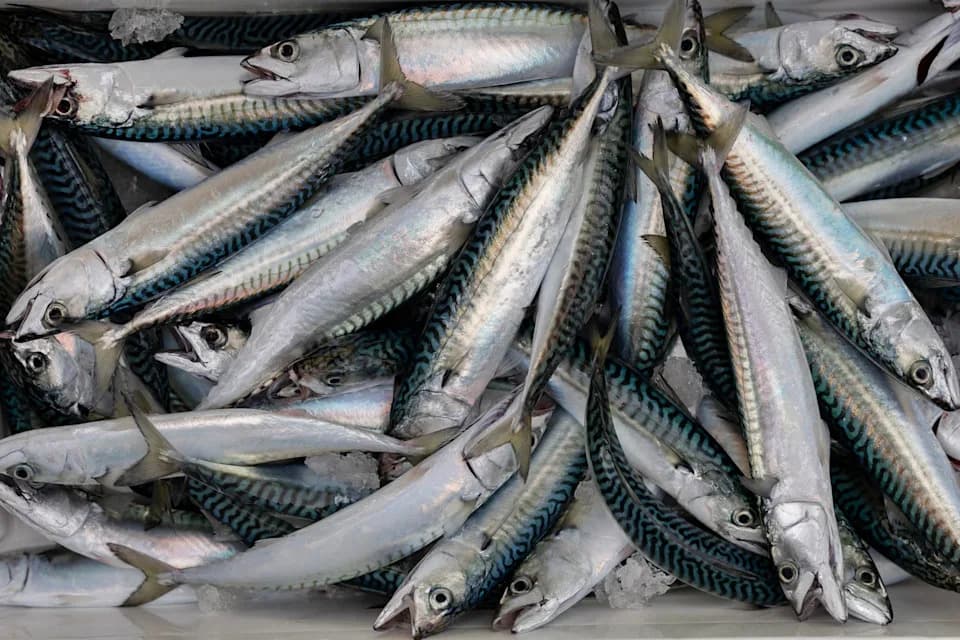
- Sustainable Fishing Choices: Consumers can favor species caught with lower-impact methods (for example, small pelagic fish such as sardines and anchovies).
- Innovation: Emerging approaches like vertical ocean farms or selective gear can reduce seabed disturbance and support research into low-impact production.
- Local Action: Creative community responses — including targeted enforcement and novel deterrents — have stopped illegal trawling in some areas.
- Advocacy and Policy: Voting for pro-climate policies, supporting environmental organizations, and pushing for new accounting rules that include seabed carbon can accelerate change.
While uncertainties remain — including how much of the mobilized carbon ultimately reaches the atmosphere — the study raises an important and previously underappreciated question: should seabed carbon releases be counted and managed as part of climate action? Ongoing research and policy discussion will be needed to answer it.
Help us improve.