Bottom trawling—dragging heavy nets across the seafloor—may release an estimated 408 million tons of carbon from sediments into the atmosphere and is used to catch about 25% of wild-caught seafood. Disturbing seabeds can produce emissions comparable to major industries, yet underwater carbon releases are largely excluded from current Paris Agreement accounting. The practice also causes bycatch and habitat damage; solutions include protecting 30% of oceans by 2030, promoting low-impact fisheries, and adopting innovation like vertical ocean farms.
Scientists: Bottom Trawling May Release 408 Million Tons Of Carbon — A Hidden Climate Cost
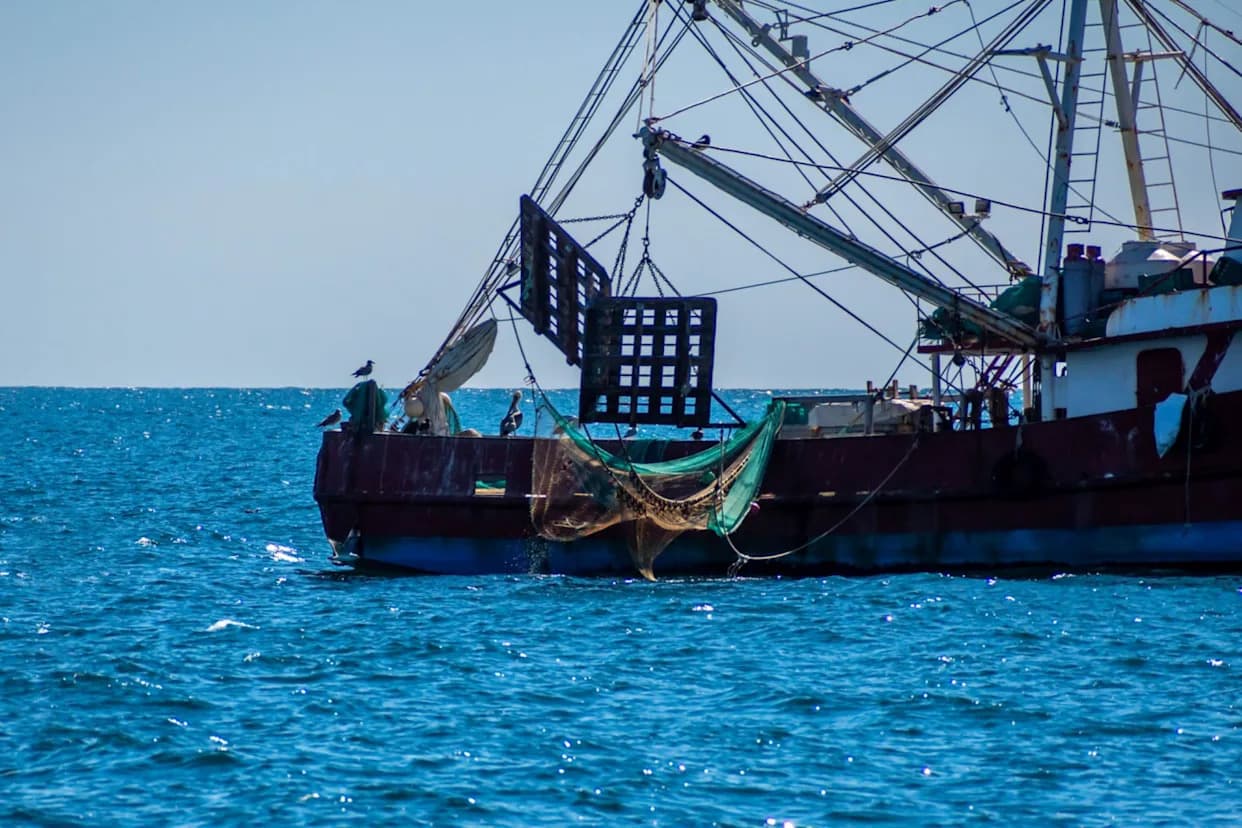
Photo Credit: iStock
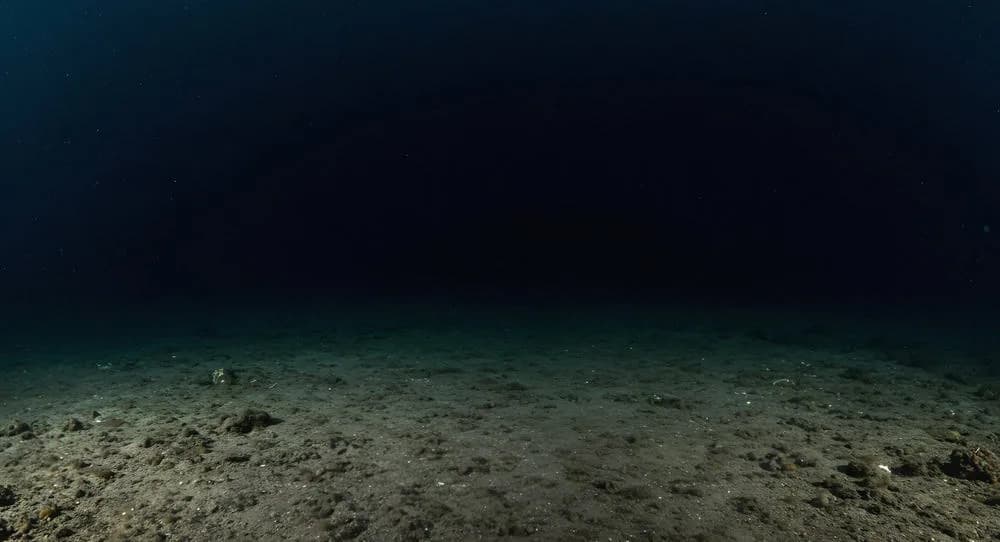
A new paper in Frontiers in Marine Science warns that bottom trawling — the practice of dragging heavy nets across the seafloor — may have a previously underestimated climate and ecological cost.
Researchers reporting for Inside Climate News estimate that bottom trawling could liberate roughly 408 million tons of carbon from seafloor sediments into the atmosphere. A separate study cited by the authors finds that trawling is used to catch about 25% of the world’s wild-caught seafood, underlining the potential scale of the problem.
“We’ve only ever thought about carbon being added to the atmosphere from the land and going into the ocean,” said Gavin Schmidt, co-author of the new paper and director of the NASA Goddard Institute for Space Studies. “We’ve never thought of: What if there’s extra carbon being generated in the ocean itself?”
Carbon dioxide released from disturbed sediments can contribute to atmospheric warming, which in turn raises air and ocean temperatures, alters precipitation patterns, and accelerates sea-level rise.
A 2021 Nature study — co-authored by Enric Sala of the National Geographic Society and cited in coverage of the new paper — previously suggested seabed disturbance from trawling can release carbon on a scale comparable to or exceeding major industries like aviation. Sala warned that current international climate frameworks concentrate on emissions released directly into the atmosphere, meaning underwater carbon releases are largely excluded from Paris Agreement accounting.
Beyond its climate implications, bottom trawling also causes direct ecological harm: heavy gear scours habitats and often captures or kills non-target species (bycatch), damaging ecosystems and reducing biodiversity.
Changing fishing practices is complex because seafood supports billions of people and a large global economy — Statista estimated the seafood market at over $236 billion in 2023. That economic importance means any new regulations would require careful, evidence-based policymaking and stakeholder engagement.
“Anytime science suggests that there might be regulatory issues with an industry, there are going to be questions about the science — and there should be,” said Trisha Atwood, associate professor of watershed science at Utah State University. The new study helps by quantifying previously neglected terms in the carbon budget, Schmidt added.
Pathways to Reduce Impact
Several policy and consumer actions could reduce the harms associated with bottom trawling:
- Conserve more ocean area: international goals aim to protect 30% of the ocean by 2030.
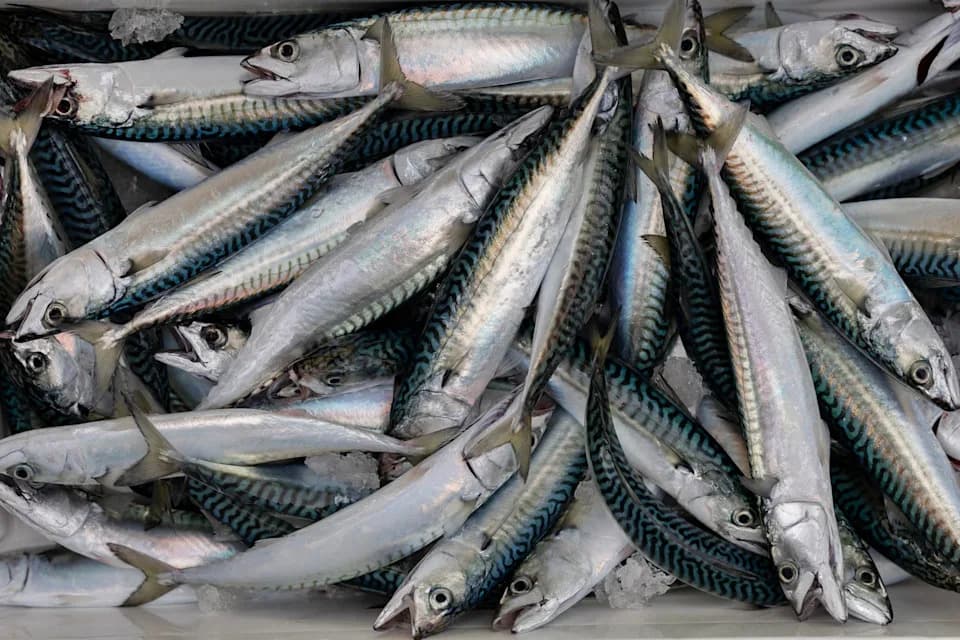
- Promote lower-impact fisheries: choose species caught with less-damaging gear (for example, small pelagic fish such as sardines and anchovies where appropriate).
- Support innovation: technologies like vertical ocean farms and selective gear can lower habitat disturbance and improve sustainability.
- Use civic pressure: voting for pro-climate policies and supporting advocacy groups can help drive regulatory change.
Local efforts and creative deterrents have also made news — for example, an Italian fisherman reportedly deployed a garden of large marble statues to deter illegal trawling by ripping nets — highlighting community-level responses alongside scientific and policy solutions.
As scientists improve estimates of ocean-derived carbon and quantify the full climate footprint of fishing methods, policymakers will be better equipped to weigh trade-offs between food security, livelihoods, and long-term climate and ecosystem health.
Help us improve.