Prof. Yifat Merbl of the Weizmann Institute was named by Nature as one of the 10 people who shaped science in 2025 after revealing that many peptides produced by proteasomal protein degradation have intrinsic antimicrobial activity. Her team found that most proteins likely contain at least one fragment capable of killing bacteria, a discovery that could inspire new antimicrobial drugs, improve cancer immunotherapy selection, and enable novel diagnostic tools. Despite recent missile damage to her lab, Weizmann relocated affected teams and Merbl’s work continues to advance understanding of the proteasome and the 'epiProteome.'
Weizmann ‘Peptide Detective’ Yifat Merbl Named One of Nature’s Top 10 Science Shapers of 2025

PROF. YIFAT MERBL. Just last year, she received the Rappaport Prize for Biomedical Research in the Promising Researcher category, which is given to scientists for groundbreaking or innovative research that has the potential to advance the health of mankind (photo credit: DANIEL ROLIDER/NATURE)
Prof. Yifat Merbl, a senior systems biologist and immunologist at the Weizmann Institute of Science in Rehovot, has been named by the journal Nature as one of the 10 people who shaped science in 2025. The editors of Nature selected Merbl for uncovering a previously hidden immune role for small protein fragments produced during proteasomal degradation.
Discovery: Antimicrobial Peptides Hidden Inside Proteins
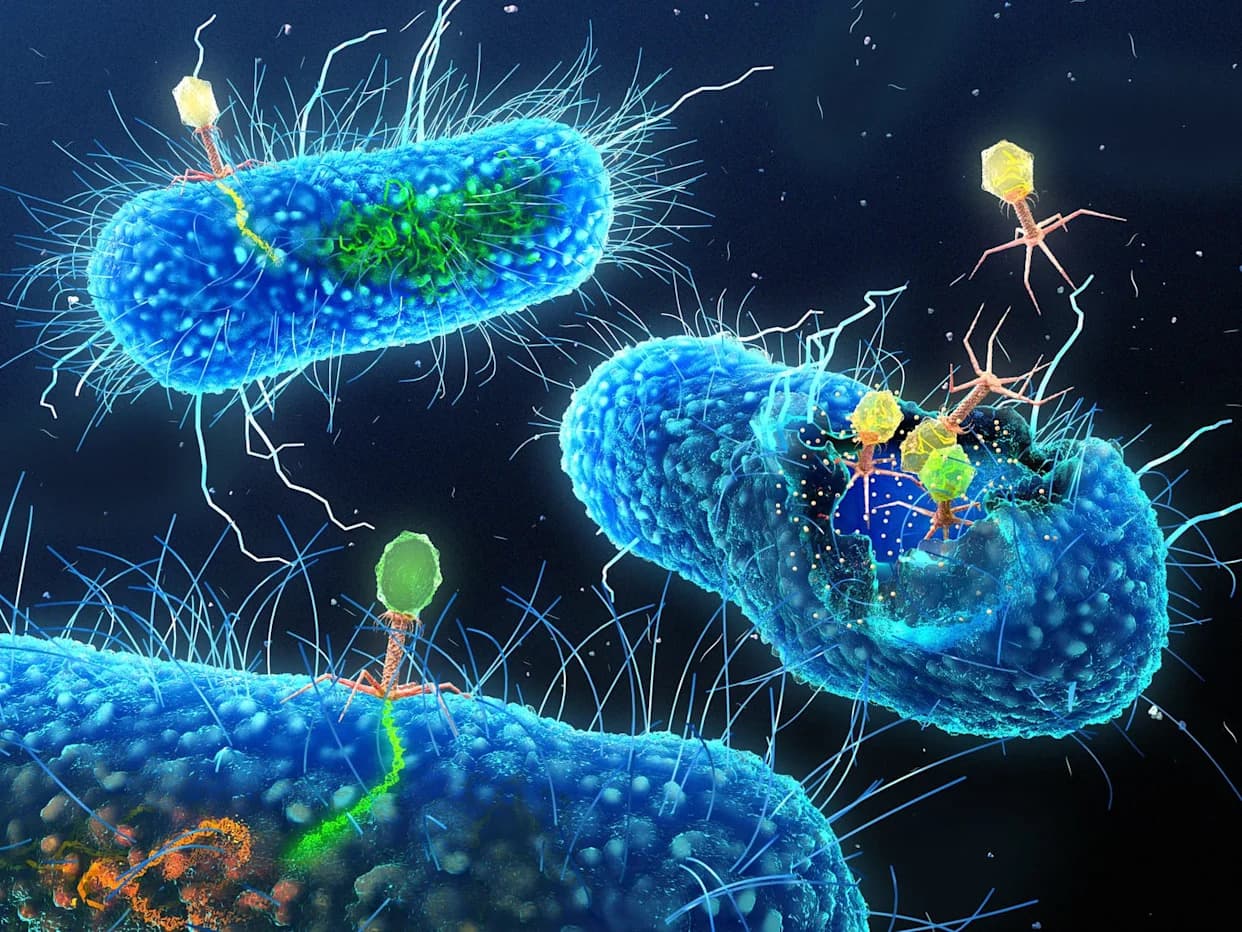
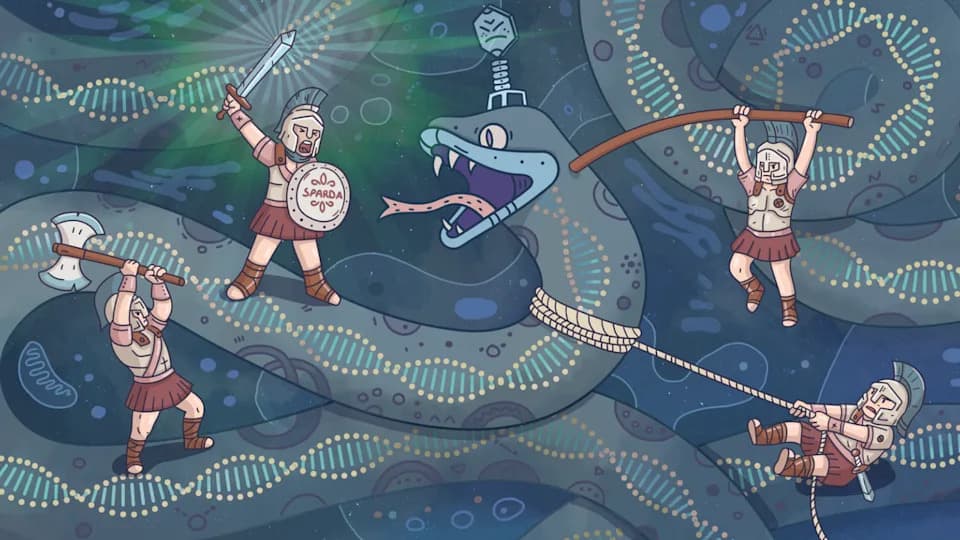
Merbl’s team discovered that many of the short peptides generated when proteins are broken down by the proteasome can have intrinsic antimicrobial activity. In some cases these fragments directly disrupt bacterial membranes. Their analysis suggests that most human proteins likely contain at least one fragment with potential antibacterial function, revealing a widespread and previously overlooked reservoir of natural antimicrobial agents.
Why It Matters
This finding opens several promising avenues: development of new antimicrobial drugs derived from endogenous peptides; improved understanding of innate, cell-autonomous immunity; and novel diagnostic approaches that detect disease-driven changes in peptide fragments. The work also connects to cancer immunotherapy — Merbl’s lab previously showed that changes in proteasomal degradation can allow cancer cells to escape immune detection, and the new tools could help identify patients who will respond to therapies that restore tumour visibility to the immune system.
Lab, Methods and Broader Research
Merbl leads a multidisciplinary lab of roughly 20 researchers and students, including 11 women and members from Israel and abroad (India, China, Italy, Russia and Austria). Her group combines biochemistry, immunology, cell and computational biology, and in vivo models to study proteasomal degradation and the "epiProteome" — the post-translational chemical modifications that shape protein fate. Their technologies make it possible to measure protein breakdown at single-cell resolution and to map "hidden layers" of biology beyond the genome.
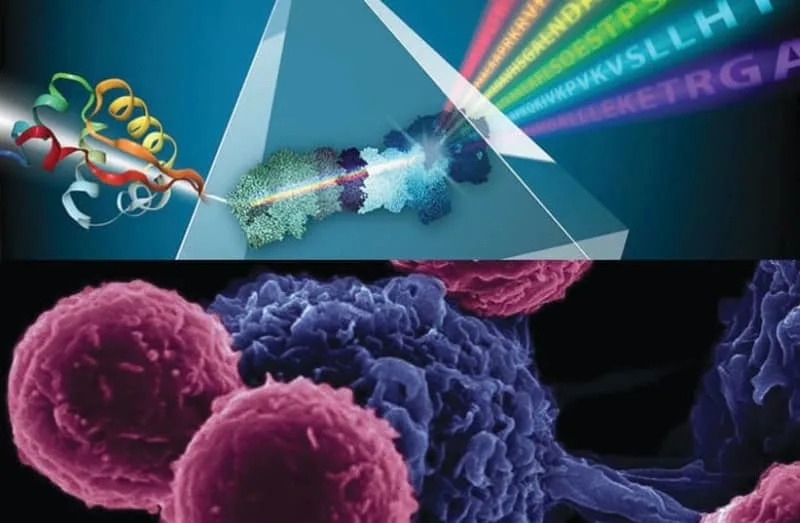
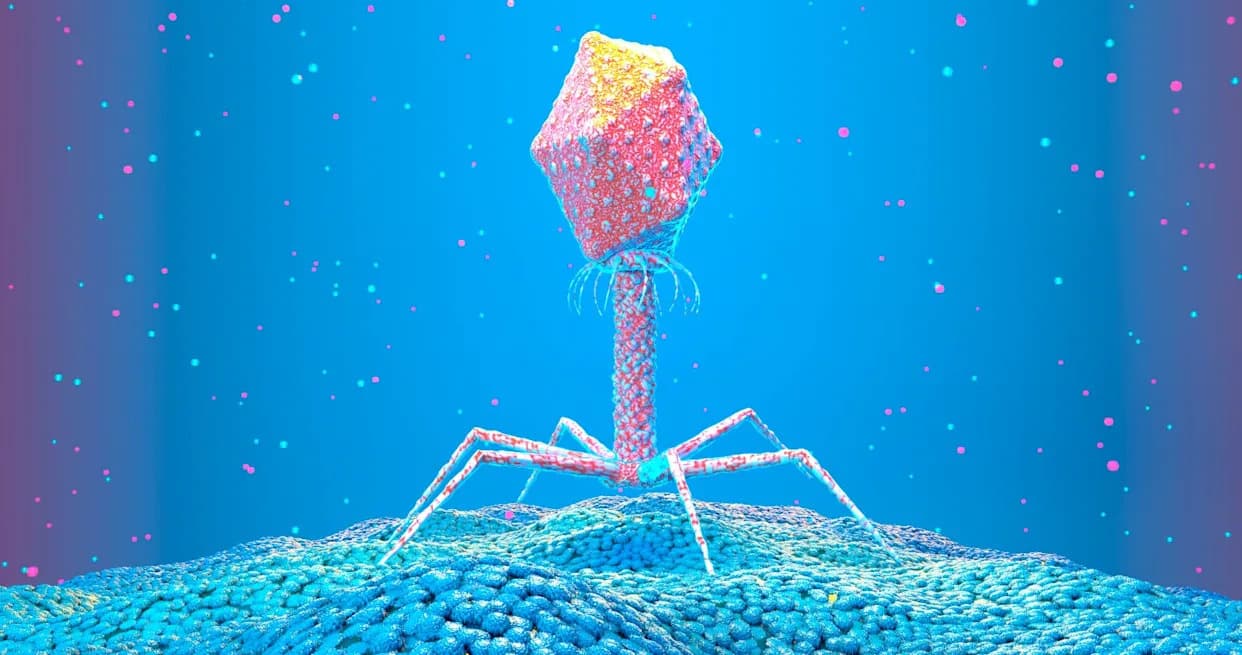
AN ILLUSTRATION of Merbl’s recent discovery (credit: WEIZMANN INSTITUTE OF SCIENCE)
Recognition and Background
Last year Merbl received the Rappaport Prize for Biomedical Research in the Promising Researcher category, one of Israel’s most prestigious scientific awards. She earned a BSc in computational biology from Bar-Ilan University, an MSc in immunology at the Weizmann Institute, and completed her PhD in systems biology with Prof. Marc Kirschner at Harvard Medical School in 2010 before returning to Weizmann to establish her lab.
“I had no idea I was going to be included until I was interviewed by a journalist from Nature who informed me that I had been nominated,” Merbl told The Jerusalem Post, reflecting on the recognition.
Setbacks and Resilience
In June, ballistic missiles struck parts of the Weizmann Institute, and the Wolfson Building — which housed many laboratories, including Merbl’s — sustained severe damage. Equipment worth millions and irreplaceable samples were lost. The institute relocated roughly 50 affected labs and procured replacement instruments so research could continue. Merbl praised the rapid institutional response while noting the heavy toll on ongoing experiments.
Scientific Context
Merbl’s work builds on decades of research into protein turnover, including the 2004 Nobel Prize in Chemistry for ubiquitin-mediated protein degradation. Her discovery adds a new dimension by showing that degradation products themselves can carry immune function, reframing how we think about the aftermath of protein disposal in cells.
As antibiotic resistance rises and immune-based therapies evolve, Merbl’s peptide-focused discoveries provide both immediate mechanistic insight and a promising translational pipeline for therapies and diagnostics.
Help us improve.