Researchers used robotic "click chemistry" to synthesize and screen over 600 metal-containing compounds, reducing months of lab work to days. An iridium complex emerged as a promising candidate, showing strong activity against bacteria — including MRSA-like strains — while remaining about 50–100 times less toxic to human cells in laboratory assays. The study suggests metal complexes offer new modes of attack that could bypass common resistance mechanisms, and automation could speed discovery of future antibiotics and other biomedical leads.
Robots and Metals: A Fast Track to New Antibiotics
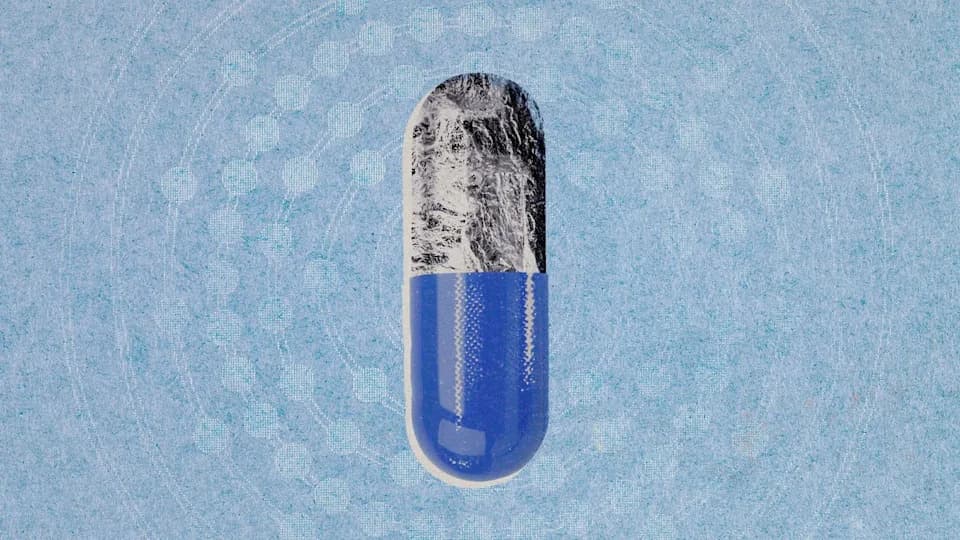
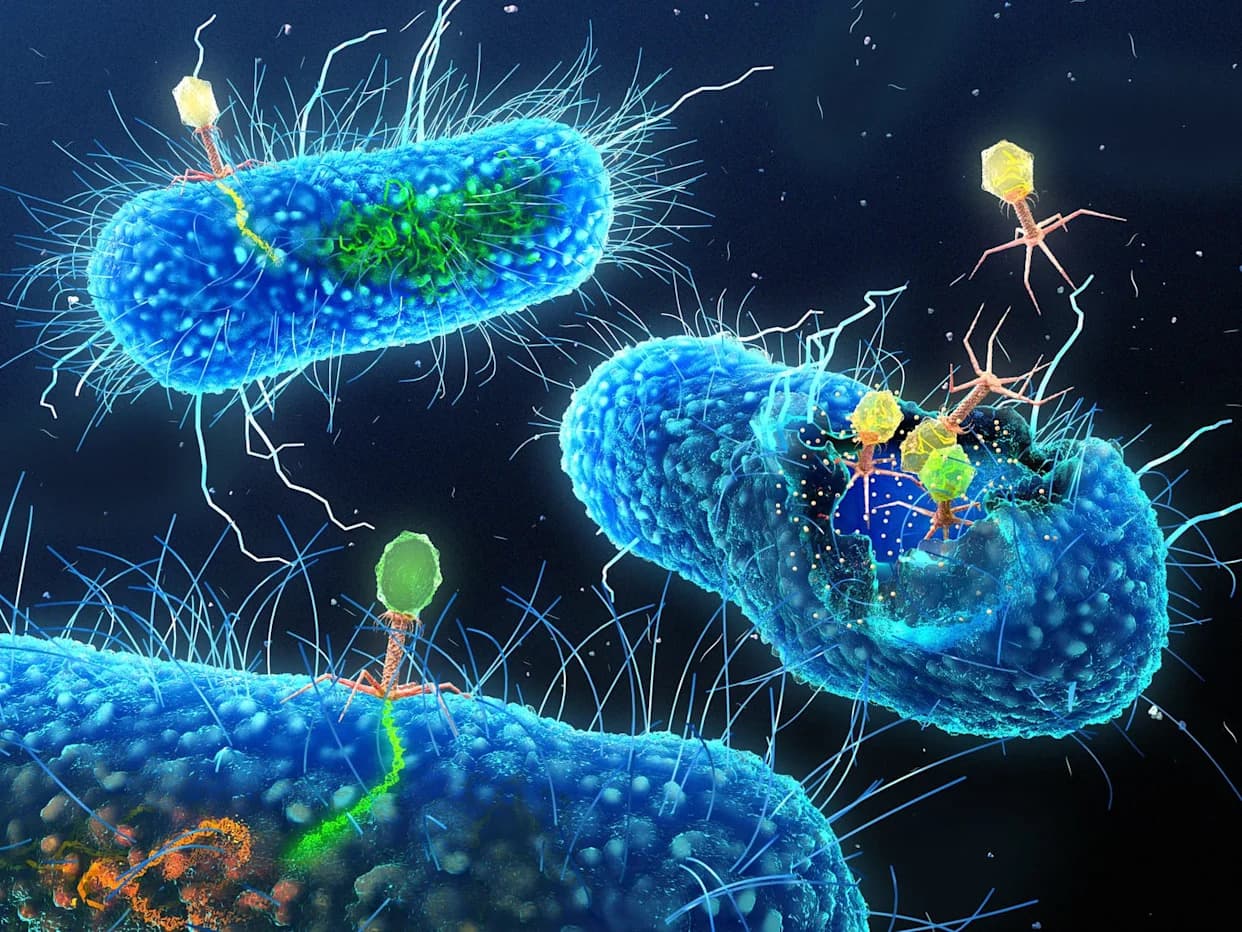
Metal-based antibiotics have a different geometry from organic antibiotics, which could help break bacterial resistance. | Credit: Illustration by Julia Wytrazek / Getty Images
Scientists are combining metal-based chemistry with automation to accelerate the search for new antibiotics. Using robotic "click chemistry," a research team reported in Nature Communications that they synthesized and screened hundreds of metal-containing compounds in a fraction of the time traditional methods require.
Automation Meets Metal Chemistry
The study used liquid-handling robots to assemble more than 600 distinct metal complexes by pairing molecular building blocks through "click" reactions — a reliable, fast way to join components. Angelo Frei, the study's lead author, told Live Science that robots turned months of manual synthesis and screening into days, while the researchers still performed careful validation at key stages.
A Promising Iridium Complex
Among the compounds tested, an iridium complex stood out. In laboratory assays it showed strong antibacterial activity, including against strains similar to MRSA (methicillin-resistant Staphylococcus aureus), while exhibiting markedly lower toxicity to human cells. Reported data indicate the compound was roughly 50–100 times more active against bacteria than it was toxic to human cells in the assays used — a therapeutic window that is promising for further development.
Why Metals Could Help Overcome Resistance
Most approved antibiotics are organic, carbon-based molecules that typically act on one or a few molecular targets. Metal complexes offer different three-dimensional geometries and chemical properties that can engage bacteria in multiple ways, such as changing charge distribution or binding essential bacterial proteins. These alternative modes of action may help circumvent mechanisms that bacteria use to resist conventional drugs.
"The iridium compound we discovered is exciting, but the real breakthrough is the speed at which we found it," Frei said. Rapid screening, the team argues, is key to replenishing a thin antibiotic pipeline.
Limits and Next Steps
The researchers address a common concern — that metal-based drugs are inherently too toxic for therapeutic use — noting that many metal complexes show antibacterial activity without matching human-cell toxicity in early tests. However, the work remains at a preclinical stage: bacteria can still evolve resistance, and promising compounds must undergo further optimization, safety testing, and clinical trials before they could become medicines.
Beyond antibiotics, the automated click-chemistry approach could accelerate discovery across biomedical fields by enabling larger, faster screens of chemically diverse compounds.
Help us improve.