Sholto David, a 34-year-old Oxford biologist, spends several hours daily examining published research and has filed roughly 6,000 post-publication comments since 2019. His work contributed to a $15m settlement involving the Dana‑Farber Cancer Institute — David personally received £2m — after which six papers were retracted and 31 corrected. Using close reading and AI image analysis (Imagetwin), he estimates his efforts helped prompt about 300 retractions and 100+ corrections, highlighting weaknesses in peer review and the importance of research integrity.
Oxford Biologist Awarded £2m After Exposing Flaws in Cancer Research

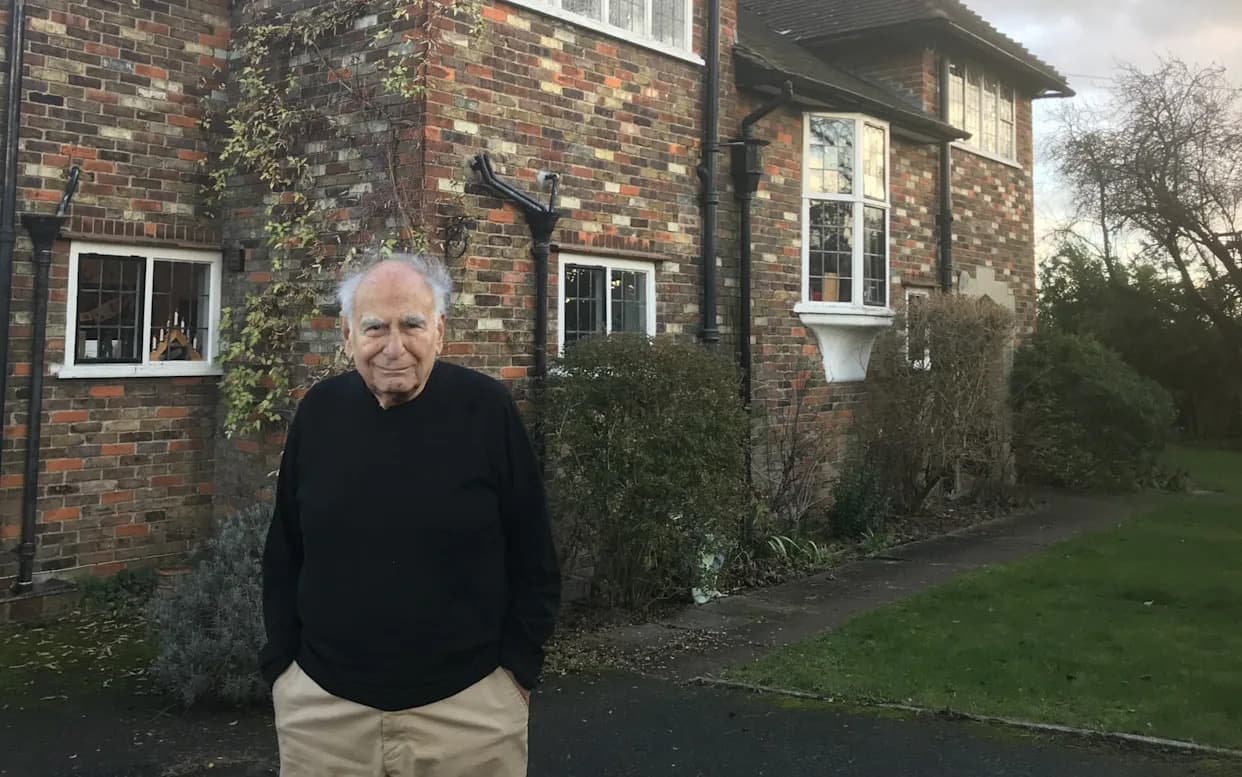
‘I never had it in my mind that I’d ever get this amount of money,’ says Sholto David - Matt Writtle
Sholto David, a 34-year-old biologist in Oxford, has become a prominent figure uncovering errors and suspected misconduct in published scientific research. His work helped prompt a $15m settlement connected to studies from the Dana‑Farber Cancer Institute (DFCI), and he personally received a £2m share as a whistleblower under the US False Claims Act.
From Day Job to Post-Publication Scrutiny
By day David works at a biomedical company that produces viral vectors for research and gene therapy; by night he scrutinises peer-reviewed literature. He says he spends two to three hours each day reviewing papers and has submitted roughly 6,000 comments since 2019. His efforts have been linked to about 300 retractions and more than 100 formal corrections.
How He Finds Problems
David combines careful close reading with digital tools. He reviews trial and dataset descriptions for logical inconsistencies and uses AI image-analysis software (Imagetwin) to detect duplicated or manipulated figures. He estimates that 5–30% of published papers contain at least one identifiable figure error, ranging from simple transcription mistakes to suspected deliberate manipulation.
“Not everything peer reviewed is true,”
David argues that peer review often fails to catch many avoidable errors. He says that while some problems appear motivated by financial or career incentives, many are simply careless mistakes that nevertheless waste public research funds and can mislead follow-up studies and clinical development.

David finds that a ‘strongly worded email’ can often get results from a researcher or journal editor - Matt Writtle
The Dana‑Farber Case
After identifying irregularities in several DFCI papers, David filed a suit under the False Claims Act. The resulting settlement required Dana‑Farber to retract six manuscripts and correct 31 others; the institute did not admit fraud as part of the settlement. Most of the $15m settlement was returned to the National Institutes of Health (NIH), and David was awarded £2m of the recovered funds.
Personal Background And Impact
David completed a PhD in cell and molecular biology at Newcastle University in 2019. He grew up in Taunton, Somerset, left home as a teenager, and credits his difficult early life with shaping his persistence. He describes himself as frugal and says he may use part of his award to pursue post-publication review full time.
Pushback And Recognition
Responses to his reports vary: many authors and journals do not reply, while some investigations lead to retractions or corrections. David has been recognised publicly — appearing on Time's list of influential people in health and interviewed by major outlets — but he calls his work unglamorous and often thankless.
Why It Matters: The issues he highlights are not limited to obscure journals; they come from respected institutions and can influence the direction of clinical research. Ensuring accuracy in preclinical and clinical literature is essential to protecting public trust and the integrity of future treatments.
Help us improve.