Gregory Gregoriadis (1934–2026) pioneered the use of liposomes to deliver drugs and vaccines, publishing landmark papers in 1971 and 1974 that helped establish lipid-based delivery systems. His research paved the way for lipid nanoparticles that protect fragile mRNA and enabled safe, effective Covid-19 vaccines. Trained in Athens and at McGill, he held research positions in New York and London, served at the Medical Research Council and the University of London, and founded Lipoxen (now Xenetic Biosciences).
Gregory Gregoriadis, Liposome Pioneer Whose Work Underpinned mRNA Covid Vaccines, Dies Aged 91

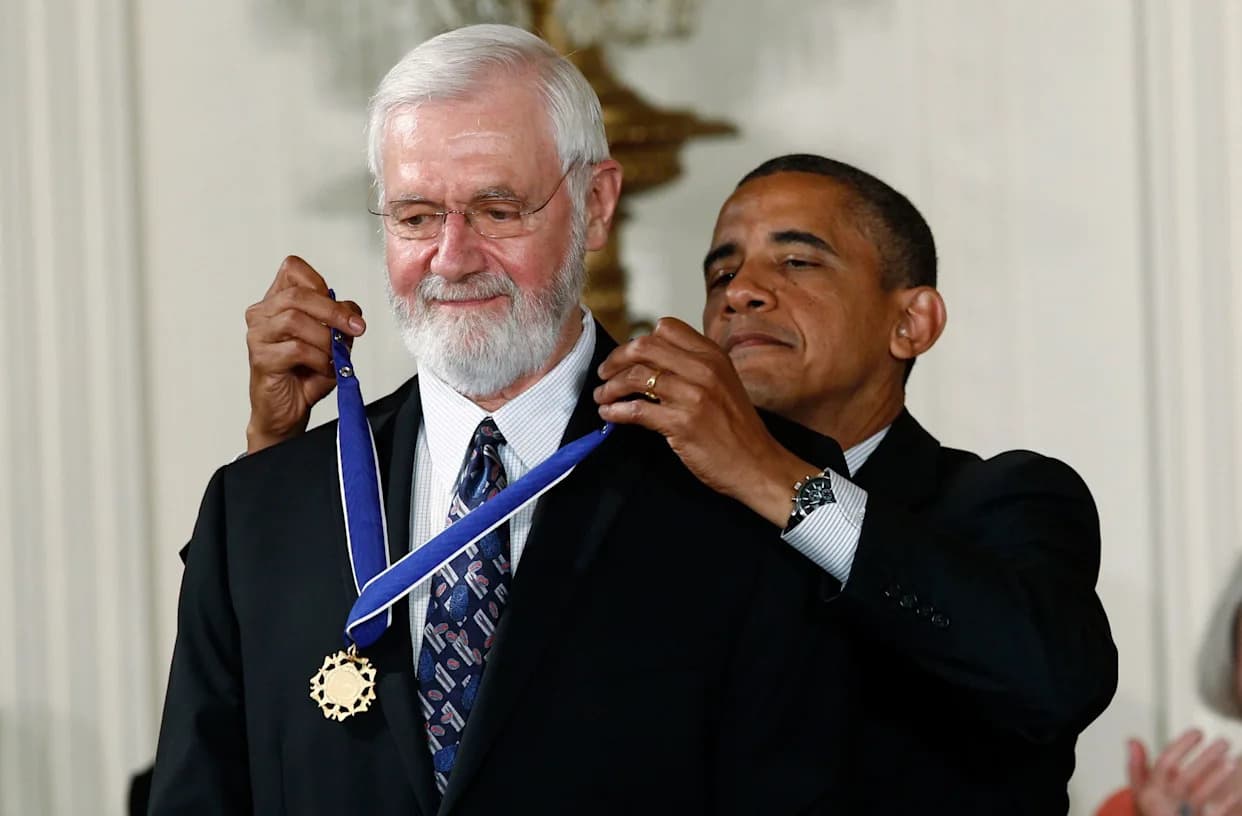
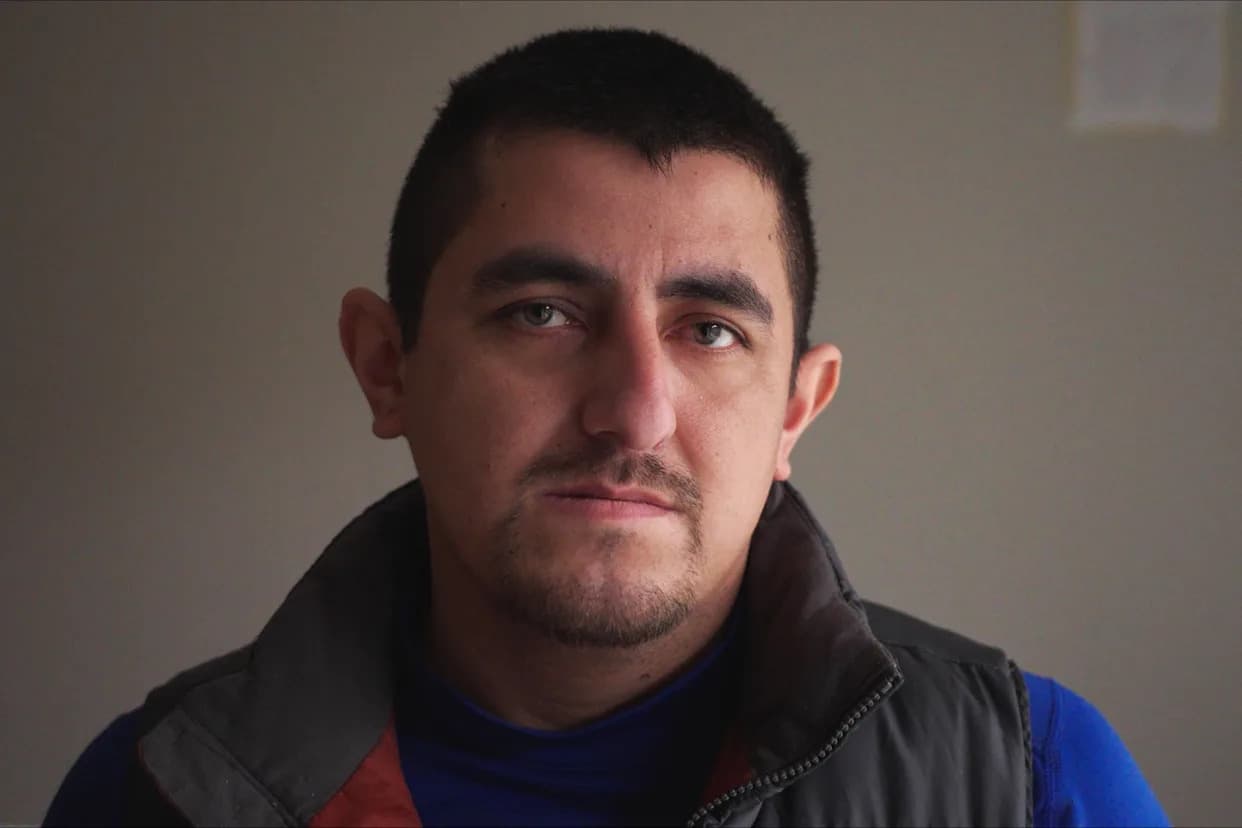
Gregoriadis: ‘When you are a scientist, you tend to ignore the emotional part of it. I’m proud that the vaccine technology has its origins in the work we first carried out in London 50 years ago’ - Gregory Gregoriadis/PA Wire
Gregory Gregoriadis, who has died aged 91, was a pioneering biochemist whose 1970s research on liposomes — tiny fat-based vesicles — transformed drug and vaccine delivery and helped enable the lipid nanoparticle technology central to mRNA Covid-19 vaccines.
Scientific Contributions
Liposomes were first observed in the 1960s by Alec Bangham. Building on that discovery, Gregoriadis recognised that these natural, lipid-based spheres could be harnessed to transport medicines and antigens to specific sites in the body. Beginning in 1971, in work with Brenda Ryman and later Anthony Allison, he encapsulated vaccines and drugs in liposomes and showed that doing so markedly increased antibody responses in animal and human studies.
"We decided to find out if we could trap a vaccine using the liposomes and see what happens... by putting vaccines into liposomes, we had a much greater antibody response," he told PA in 2021.
His landmark papers in 1971 and 1974 established liposomes not only as delivery vehicles but also as immunological adjuvants that can boost vaccine efficacy. Over subsequent decades liposome-based approaches evolved into related lipid nanoparticle (LNP) technologies that are now a leading platform for delivering fragile biological molecules.
Impact On Covid-19 Vaccines
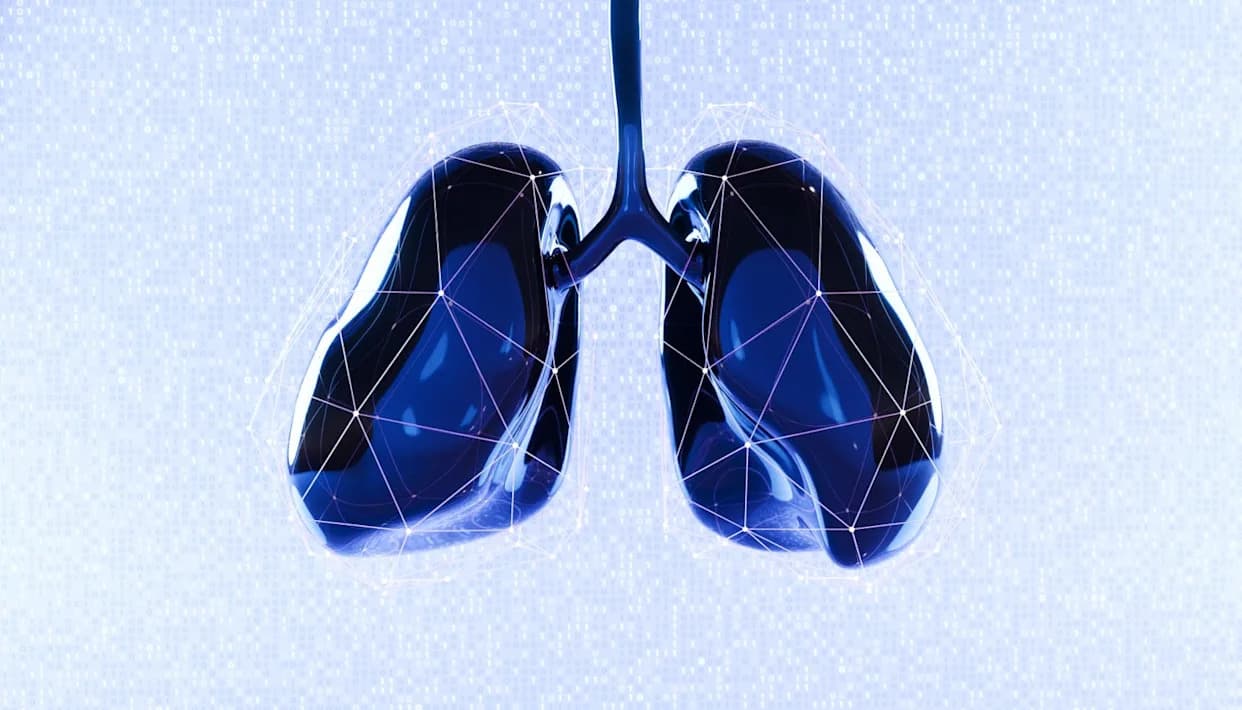
Gregoriadis's work proved especially prescient for the Covid-19 era. Synthetic messenger RNA (mRNA) — the active ingredient in several Covid-19 vaccines — is inherently unstable and would degrade rapidly if injected unprotected. Encasing mRNA in lipid nanoparticles both shields it from degradation and helps provoke the desired immune response. The adoption of LNPs was therefore a crucial factor in making mRNA vaccines safe, effective and deployable at scale.
Career and Life
Gregoriadis was born in Athens on February 27, 1934, to Christos Gregoriadis and Athina (née Sakellariou). He lived through the Nazi occupation of Greece during World War II, an experience he later reflected on in his 2014 novel Still the Cicadas Sing. He earned a BSc at the University of Athens, an MSc in biochemistry from McGill University (1966) and a PhD (1968).
After research fellowships at the Albert Einstein College of Medicine in New York and at the Royal Free Hospital School of Medicine in London, he remained in Britain. He was a Senior Scientist with the Medical Research Council from 1972 to 1993 and served as Professor and Head of the Centre for Drug Delivery Research at the School of Pharmacy, University of London, from 1990 to 2001.
In 1997 he founded Lipoxen (now Xenetic Biosciences), a spin-off to develop liposome-based technologies; he was director of research until 2015. His Who's Who entry listed interests including the history and philosophy of ancient Athens, politics and creative writing. In 1968 he married Susan Byron-Brown; the couple had a son and a daughter.
Legacy
Gregoriadis described it as "very satisfying" that early laboratory studies he began in London half a century ago ultimately contributed to vaccine technologies that helped protect millions worldwide. He died on January 16, 2026, aged 91. His work remains foundational in drug delivery, vaccine design and the broader translation of lipid-based nanotechnologies into clinical practice.
Help us improve.