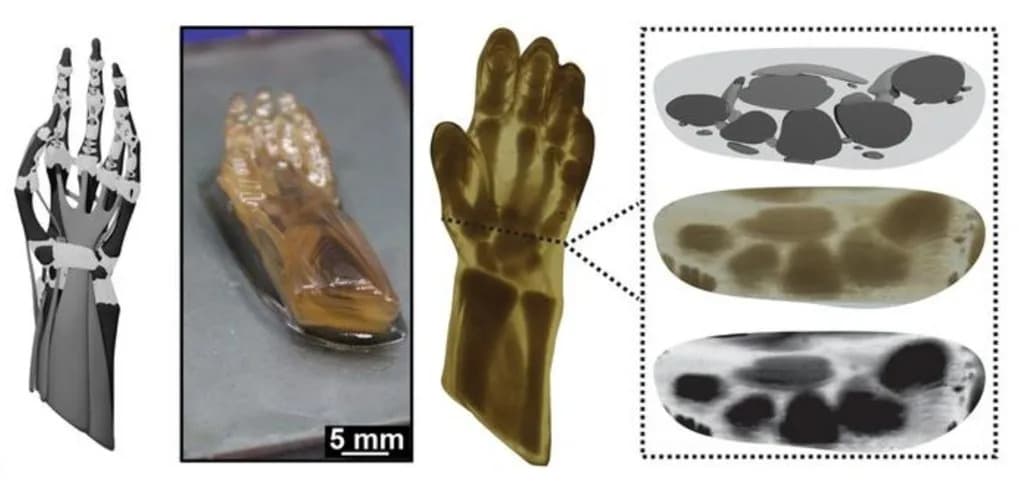
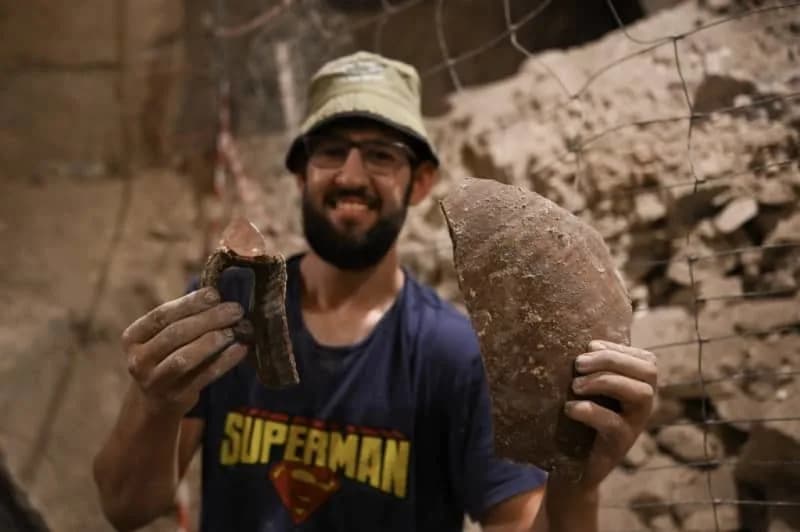
Fingerprints are raised ridges in the skin that form in the womb when a faster-growing inner layer buckles beneath the outer layer; the major pattern is set by about 17 weeks of gestation. Genes shape overall patterns, but fine details depend on blood-vessel layout, relative skin growth and the chemical environment, so even identical twins have different prints. A 2015 study confirmed fingerprints remain stable throughout life. Their exact evolutionary purpose is still uncertain, but fingerprints have long served identification and modern forensic uses.
How Did I End Up With My Own Unique Fingerprints?

Even identical twins have different fingerprints.El Greco/Shutterstock.com
Fingerprints are the tiny ridges you see on the tips of your fingers — folds in the outer skin layer (the epidermis). The “prints” we notice are simply the patterns of oils, sweat and dust those ridges leave behind when you touch something.
Question: How do we get the fingerprints we have? — Oscar V., age 8, Somerville, Massachusetts
Fingerprint patterns begin forming long before birth. Early in fetal development the outer skin is smooth, but from about 10 weeks of gestation a deeper skin layer called the basal layer grows faster than the layers above it. That faster expansion causes the basal layer to buckle and fold, and those folds pull the surface skin into ridges. By roughly 17 weeks of pregnancy the basic pattern of your fingerprints is already set.
Genes, Womb Conditions and Tiny Details
While genes inherited from your parents influence the overall size and general pattern of loops, whorls and arches, the fine details come from many non-genetic factors. These include the layout and size of tiny blood vessels in the skin, small differences in growth rates between skin layers, and the chemical environment inside the womb. Because both genetic and random developmental factors shape prints, no two people — not even identical twins — have identical fingerprints.
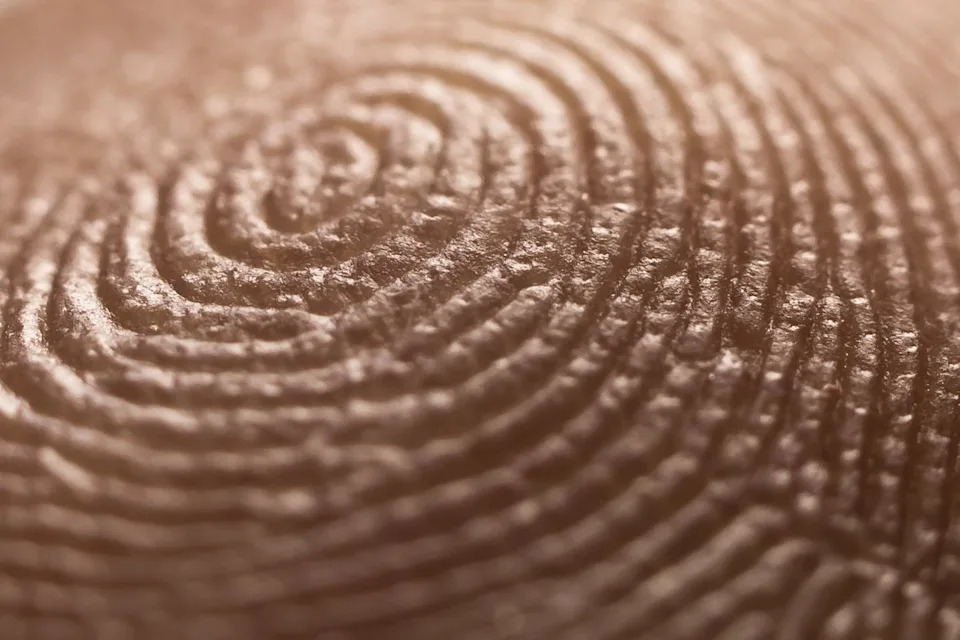
A careful closeup look will show you your fingerprint’s ridges and valleys.Fotosr52/Shutterstock.com
Stable Through Life
Research, including a large long-term study published in 2015, shows fingerprints remain stable throughout a person’s life. The visible ridges are part of the surface, but the overall pattern is encoded beneath the outermost skin. If the skin is badly injured, the surface can heal and the original ridge pattern usually reappears, although scars may remain.
Why Do We Have Fingerprints?
The evolutionary purpose of fingerprints is still uncertain. One popular idea is that ridges increase friction to help gripping — supported by the fact that many primates and even koalas (all tree climbers) have similar ridges. But experiments suggest fingerprints may not noticeably improve grip on very smooth surfaces. Other hypotheses propose they enhance touch sensitivity or protect the skin; scientists have not reached a definitive conclusion.
Practical Uses: From Ancient IDs to Modern Forensics
Humans have used fingerprints for identification for centuries — police in ancient China used them more than 2,000 years ago. Today fingerprints underpin many identification systems because they are unique and persistent. Uses range from unlocking smartphones and granting access to secure areas, to programs that identify farmers for loans or track lifelong immunization records for infants.
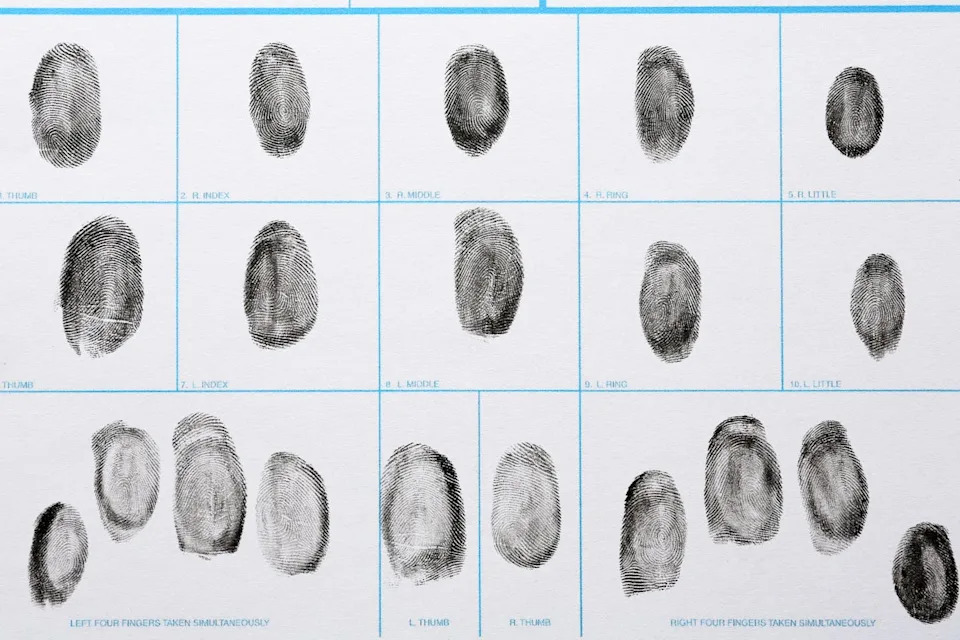
Do your prints match those left at the scene of a crime?New Africa/Shutterstock.com
Forensic science keeps gaining new capabilities. Improved detection methods can sometimes link a fingerprint to a particular action (for example, helping to show who might have thrown a stone), and tiny residues trapped in ridge patterns can be analyzed for traces of substances such as cocaine or heroin. New laboratory techniques can even reveal decades-old prints by mapping sweat-gland patterns with color-changing chemicals, potentially helping investigators solve long-cold cases.
Bottom line: Your fingerprints are unique to you, formed before you were born, and remain essentially unchanged throughout life. They tell scientists and investigators a lot, but why we evolved them in the first place remains an open question.
Article republished from The Conversation. Written by Sarah Leupen, University of Maryland, Baltimore County.
Help us improve.