Fast, reliable identification: Forensic dentists compared the recovered dental anatomy of Ran Gvili with prior X-rays and treatment records to produce a rapid preliminary identification at the scene. Teeth withstand extreme conditions and carry durable markers—crowns, root canals, spacing and wear—that form an individual biological signature. Final legal confirmation is provided by laboratory DNA tests (PCR and, if needed, mitochondrial DNA).
How Forensic Dentistry Quickly Confirmed Gaza Hostage Ran Gvili’s Identity
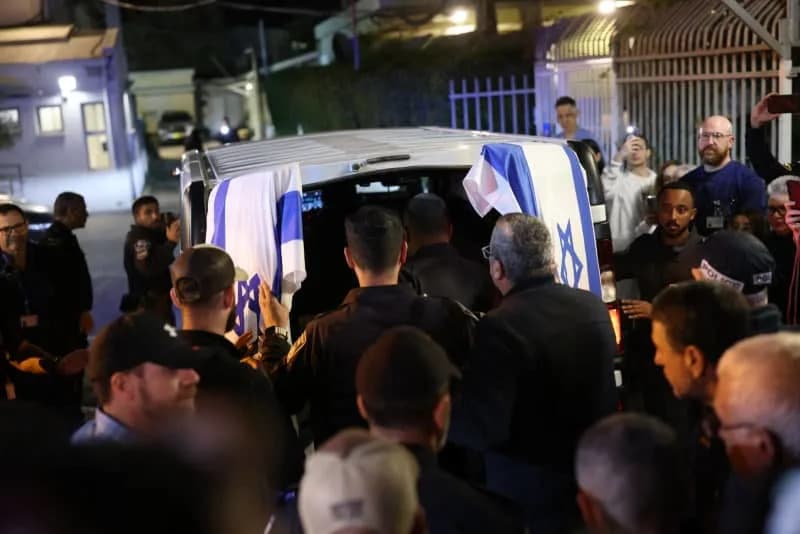
Israeli police officers pay their respects outside of the Abu Kabir Forensic Institute, as the body of last Israeli hostage arrives in Tel Aviv on January 26, 2026. (photo credit: ILIA YEFIMOVICH / AFP via Getty Images)
After the body of the deceased hostage Ran Gvili was returned to Israel, forensic dental identification became one of the fastest and most reliable tools investigators used to determine identity when visual inspection or other biometric methods were not possible.
How Dental Identification Works
Forensic dentists perform a systematic visual and radiographic comparison of the recovered oral anatomy with pre-existing dental records. The process begins with an on-site inspection of the oral cavity: both upper and lower jaws are examined for tooth position, number, shape, occlusion, restorations (crowns, fillings), root canal treatments, fractures and other distinguishing features. Every tooth can be referenced using the international dental numbering system, and the overall configuration of the jaw creates a distinctive biological signature.
Why Teeth Are Useful
Teeth are unusually resilient to heat, moisture and severe trauma, so they often remain intact when soft tissues do not. Old restorations, prosthetics and unique patterns of wear or damage are durable markers that allow experienced examiners to recognize a match even in difficult conditions.
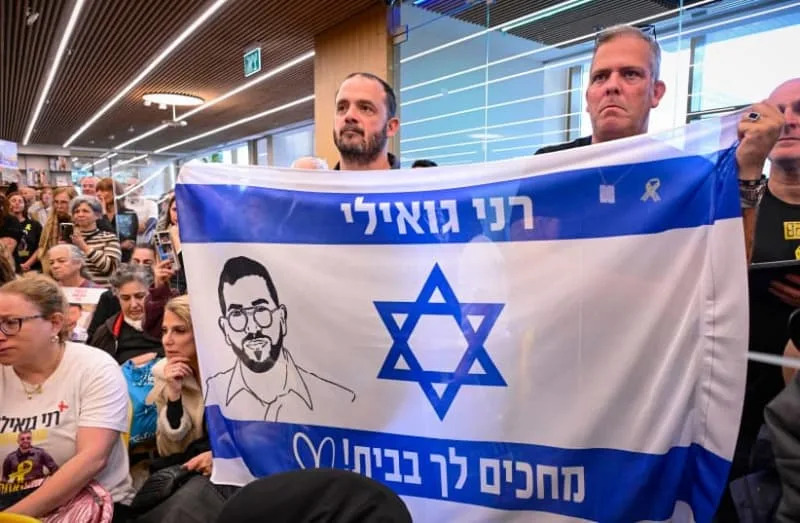
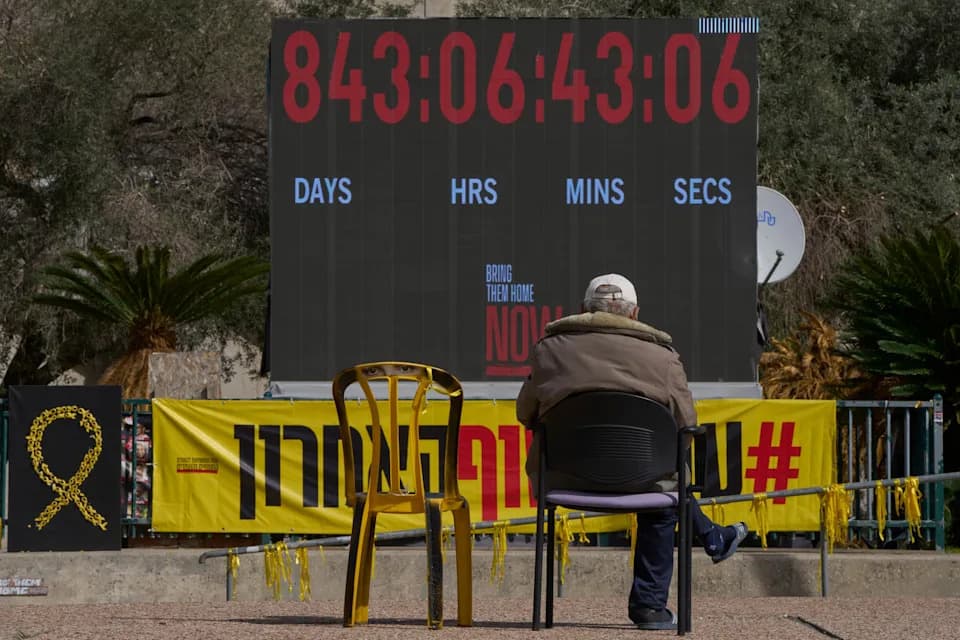
Relatives, friends and supporters of St.-Sgt.-Maj. Ran Gvili, whose remains were held by Hamas, at Hostage Square in Tel Aviv holding an Israel flag with his picture and captioned ''we are waiting for you at home!'' January 9, 2026. (credit: AVSHALOM SASSONI/FLASH90)
Field Work And Preliminary Identification
In many cases, forensic dentists work directly in the field — sometimes in unstable or devastated environments — to compare the dental anatomy with available X-rays and treatment records. Records commonly come from health funds, the IDF, the Israel Prison Service and other medical providers. When the dental features correspond closely to the records, teams can declare a preliminary identification at the scene. This rapid assessment is extremely valuable operationally but is not the final legal confirmation.
Laboratory Confirmation
Following the field identification, remains or samples are transferred to formal laboratories (typically the Israel Police identification laboratories or the National Institute of Forensic Medicine) for more detailed analysis. DNA testing — using PCR to amplify nuclear DNA and, when samples are degraded, mitochondrial DNA — provides unequivocal confirmation by comparing genetic material with existing profiles or with samples from first-degree relatives.
A Multidisciplinary Process
Dental identification is one component of a professional chain that also includes forensic pathologists, anthropologists, DNA specialists and forensic physicians. Its principal advantage is speed: while laboratory tests can take many hours or days, dental comparison can produce a reliable preliminary result at the scene, enabling authorities to act quickly and respectfully toward families.
Expertise And Dignity
Because Israel has experienced recurrent emergencies and conflicts, a high level of forensic-dental expertise has been developed. Forensic dentists receive dedicated training and operate as an integrated part of the national identification system, helping provide families and the state with accurate, timely and dignified answers.
Help us improve.