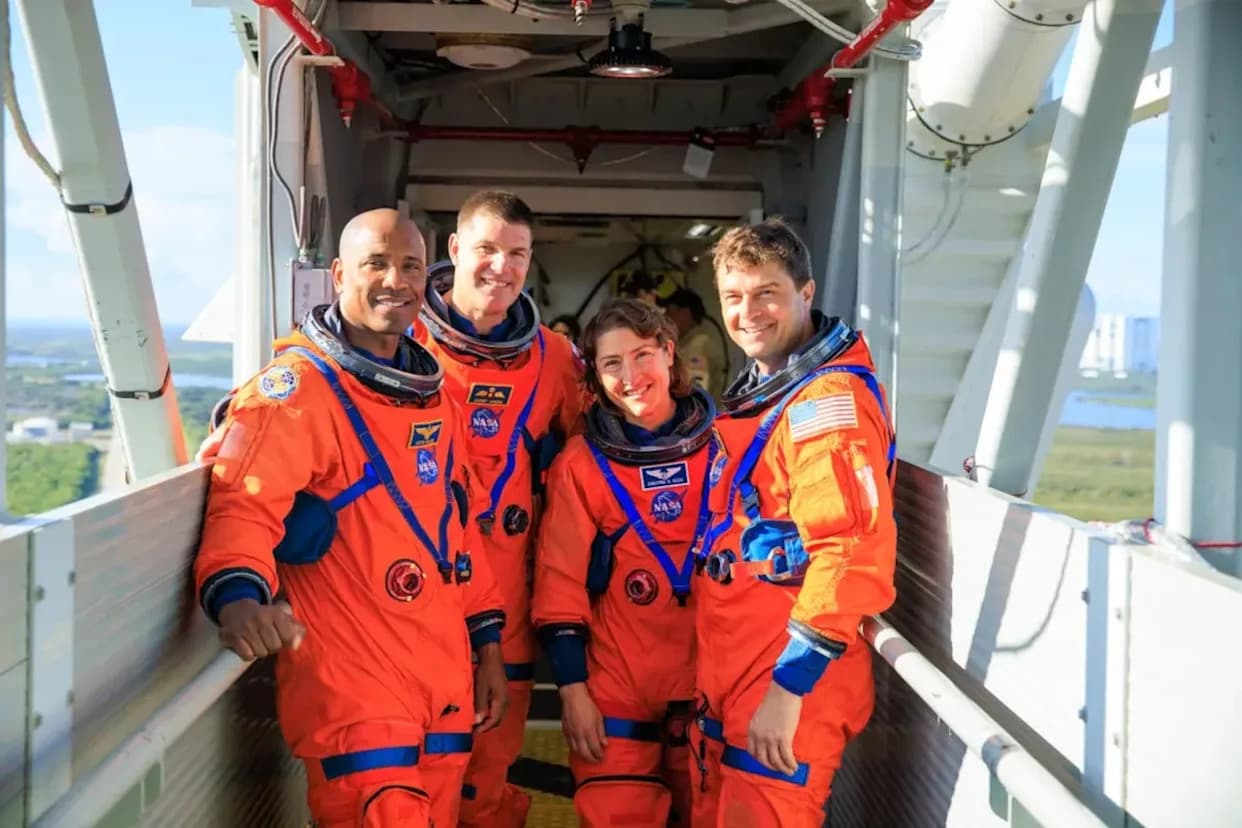
NASA crews at Kennedy Space Center are rehearsing a major launch sequence ahead of Artemis II, a crewed lunar flyby planned for early 2026. A new presidential executive order directs the U.S. to pursue a crewed Moon landing by 2028 and to begin building a sustained lunar outpost. Jared Isaacman, NASA’s new Administrator, will lead implementation while analysts say the agenda is partly realistic, partly aspirational.
Countdown to Artemis II: NASA Rehearses as New Presidential Space Order Pushes for 2028 Moon Base
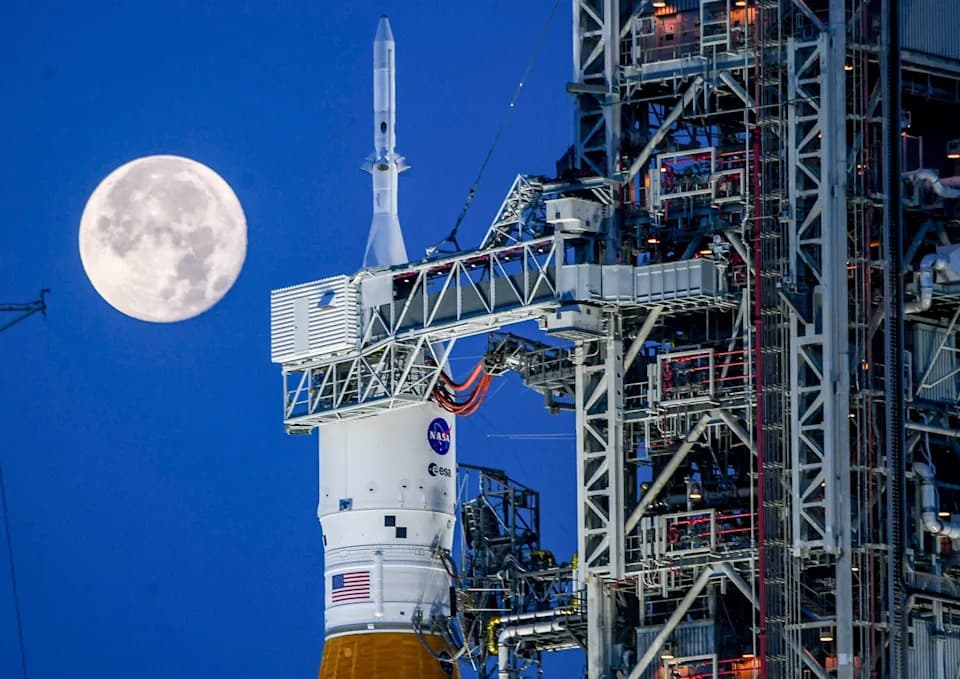
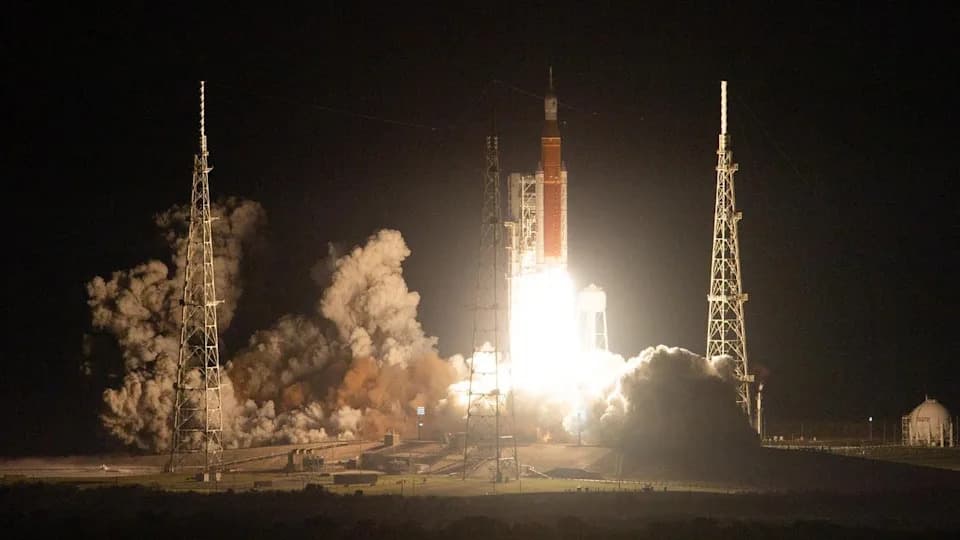
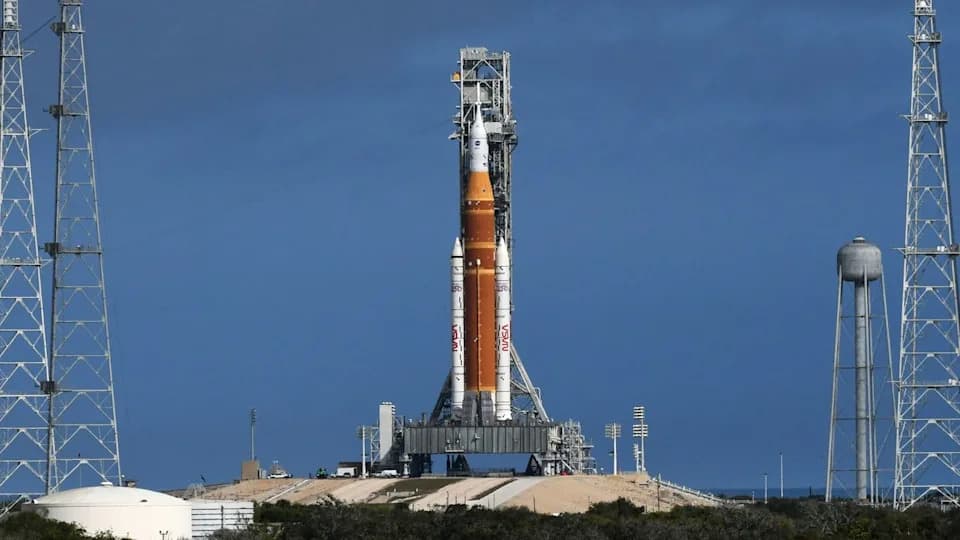
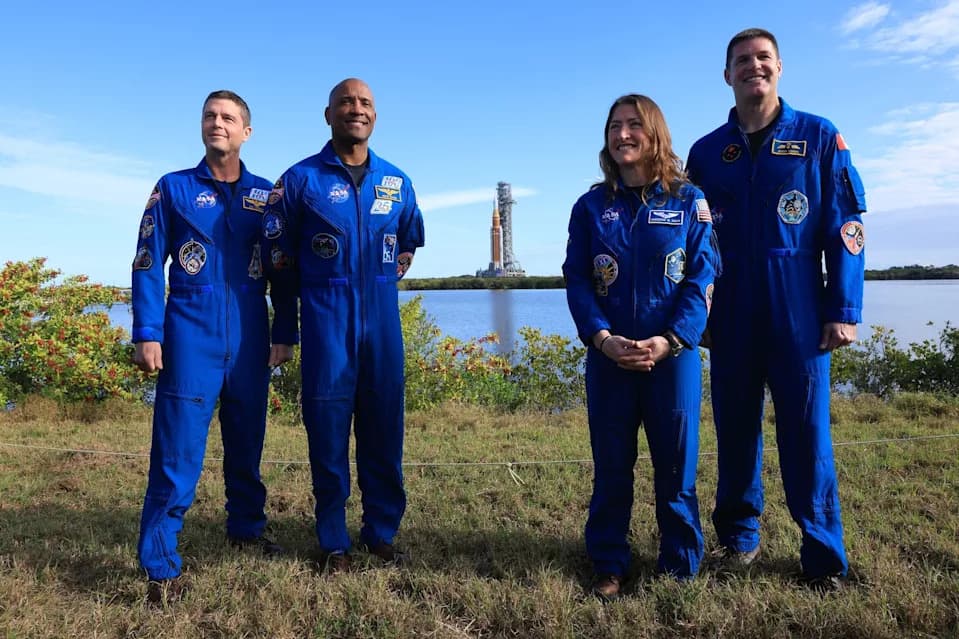
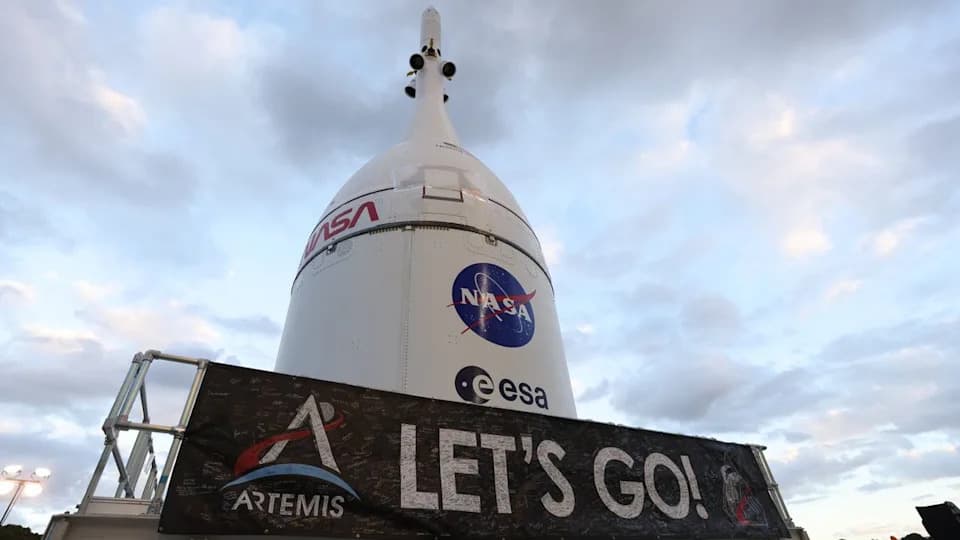
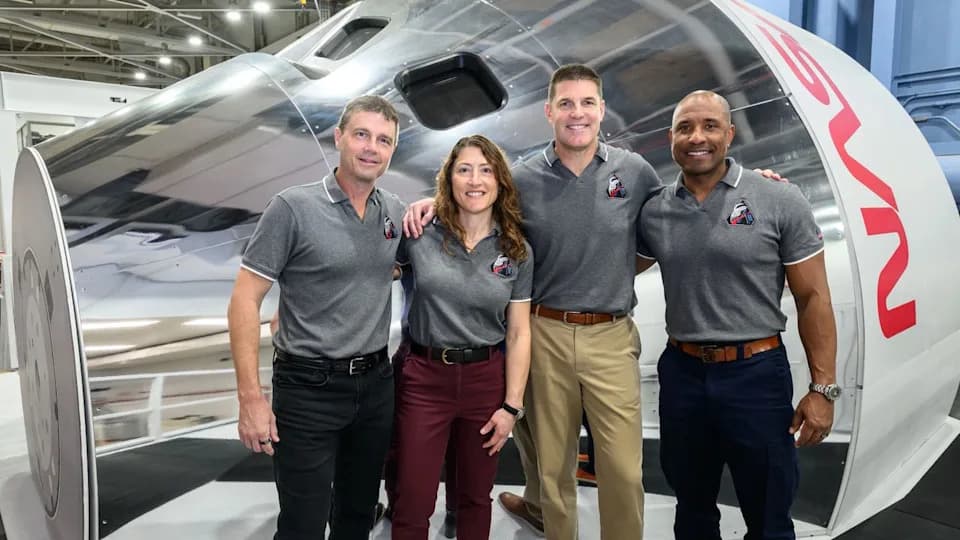
Teams at NASA's Kennedy Space Center are conducting a full launch rehearsal this weekend in preparation for Artemis II, the agency’s first crewed mission to fly around the Moon since the Apollo era. The mission is currently scheduled for early 2026 and will be a critical step in validating systems and procedures for future lunar operations.
New Leadership and an Ambitious Policy
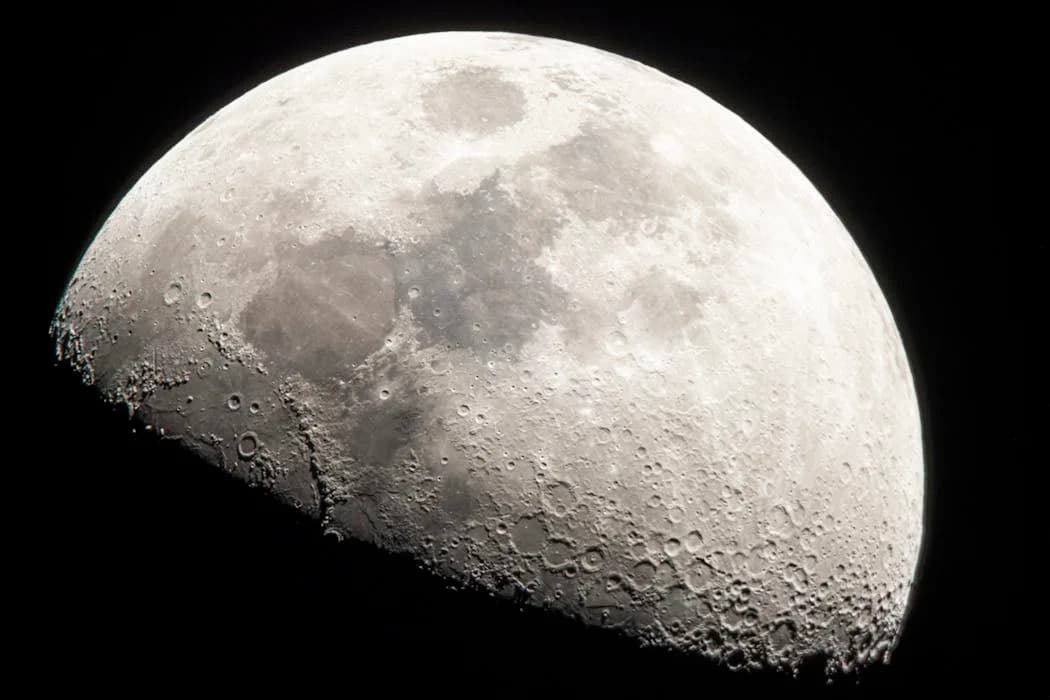
The rehearsal comes amid leadership changes at NASA and a new presidential executive order that sets an accelerated agenda for U.S. activities in space. The order directs the agency and its partners to pursue a crewed lunar landing by 2028 and to begin building a sustained lunar outpost to support future missions to Mars.
Administrator’s Role
Newly sworn-in NASA Administrator Jared Isaacman, the agency’s 15th leader, will oversee implementation of the administration’s space policy. Isaacman said, "It commits the United States not just to returning to the moon, not just for the footprints and planting the flags, but actually building a base."
What the Order Emphasizes
Beyond the 2028 landing goal, the executive order highlights national security priorities and commercial expansion in space. It calls for development of next-generation missile defense technologies, incentives to attract private investment, and support for deploying nuclear power systems on the Moon and in orbit to enable longer-duration exploration.
Expert Perspective
"A third of this is rational like, yeah, no kidding. A third is aspirational like, yeah, we kind of maybe should do this. And a third of it is irrational," said former NASA employee and longtime space analyst Keith Cowing, reflecting a mix of pragmatic and ambitious elements in the plan.
Looking Ahead
Meeting the 2028 timeline will require sustained funding, technological development, and close coordination with commercial and international partners. Artemis II’s rehearsal this weekend is an early—and visible—milestone in a fast-changing policy and programmatic environment.
Help us improve.