NASA is running final pre-launch checks for Artemis II, including a wet dress rehearsal and a simulated launch that could take place as soon as Jan. 31. The first crewed Artemis flight may launch as early as Feb. 6 for a roughly 10-day lunar flyby to validate systems ahead of Artemis III and a planned lunar return by 2028. Teams are managing cold-weather impacts and addressing elevated organic carbon in Orion’s potable water as the four-person crew completes quarantine.
NASA Readies Simulated Artemis II Launch — Crewed Lunar Flyby Possible Feb. 6
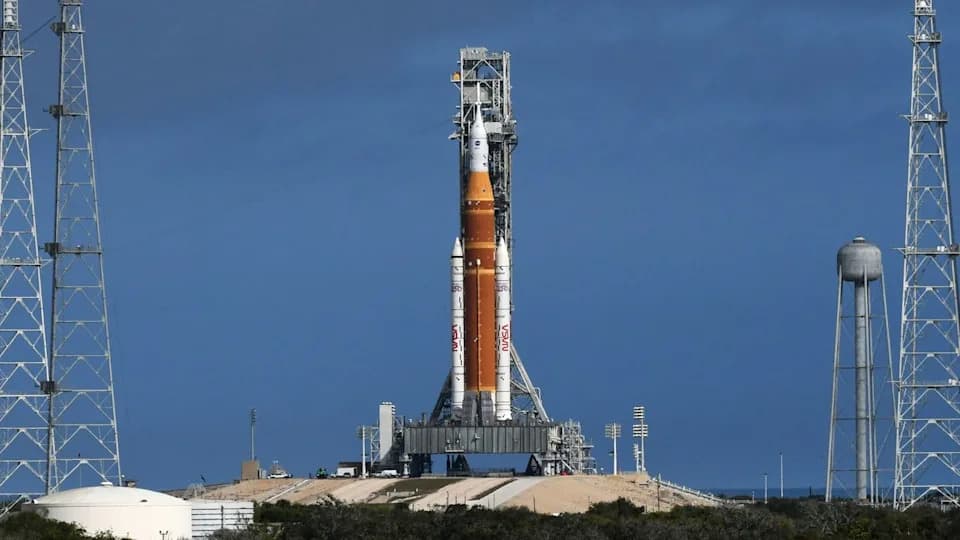
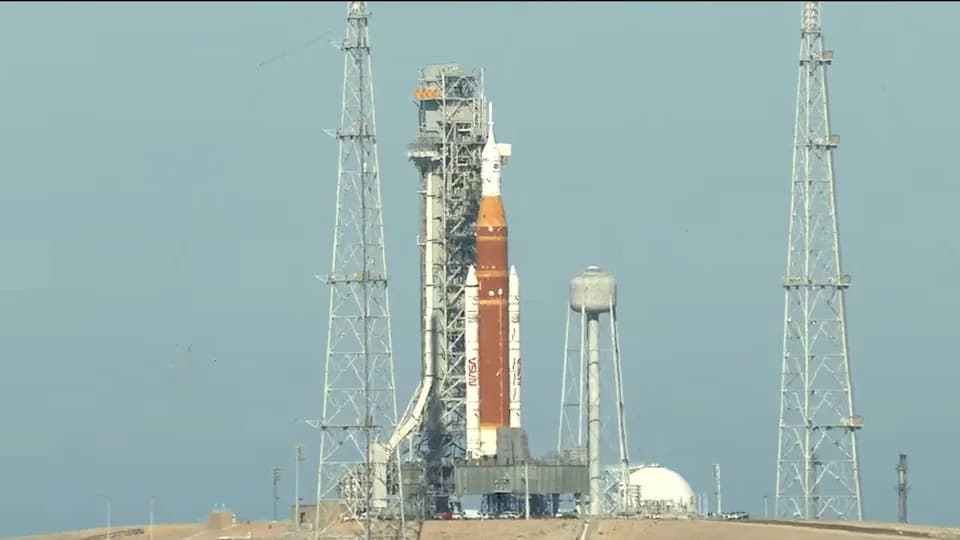
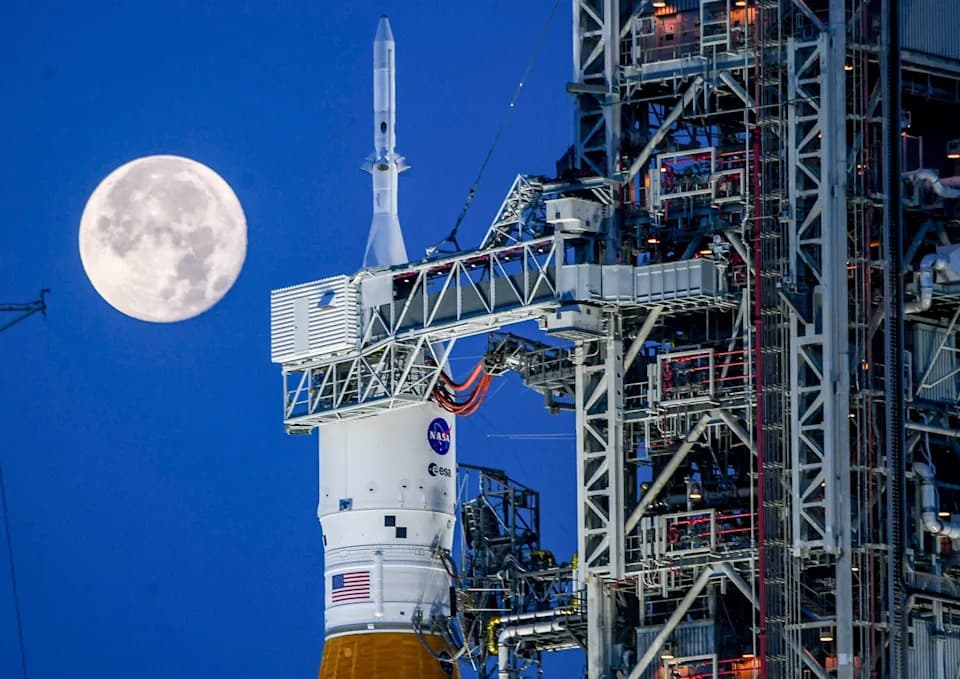
The Artemis II rocket is currently poised to launch from Kennedy Space Center in Cape Canaveral, Florida. | Credit: Paul Hennessy/Anadolu via Getty Images
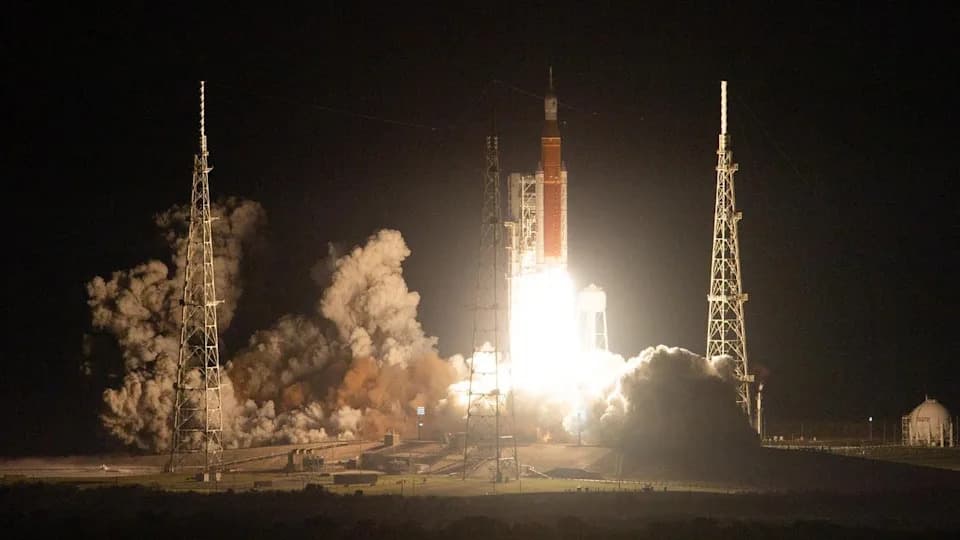
NASA is conducting final pre-launch activities for Artemis II, including a simulated launch and a wet dress rehearsal, as engineers work to confirm a target date for the mission. The agency says teams are on schedule or ahead of plan, and a simulated launch could occur as soon as Jan. 31, with a potential crewed liftoff as early as Feb. 6.
What Artemis II Will Do
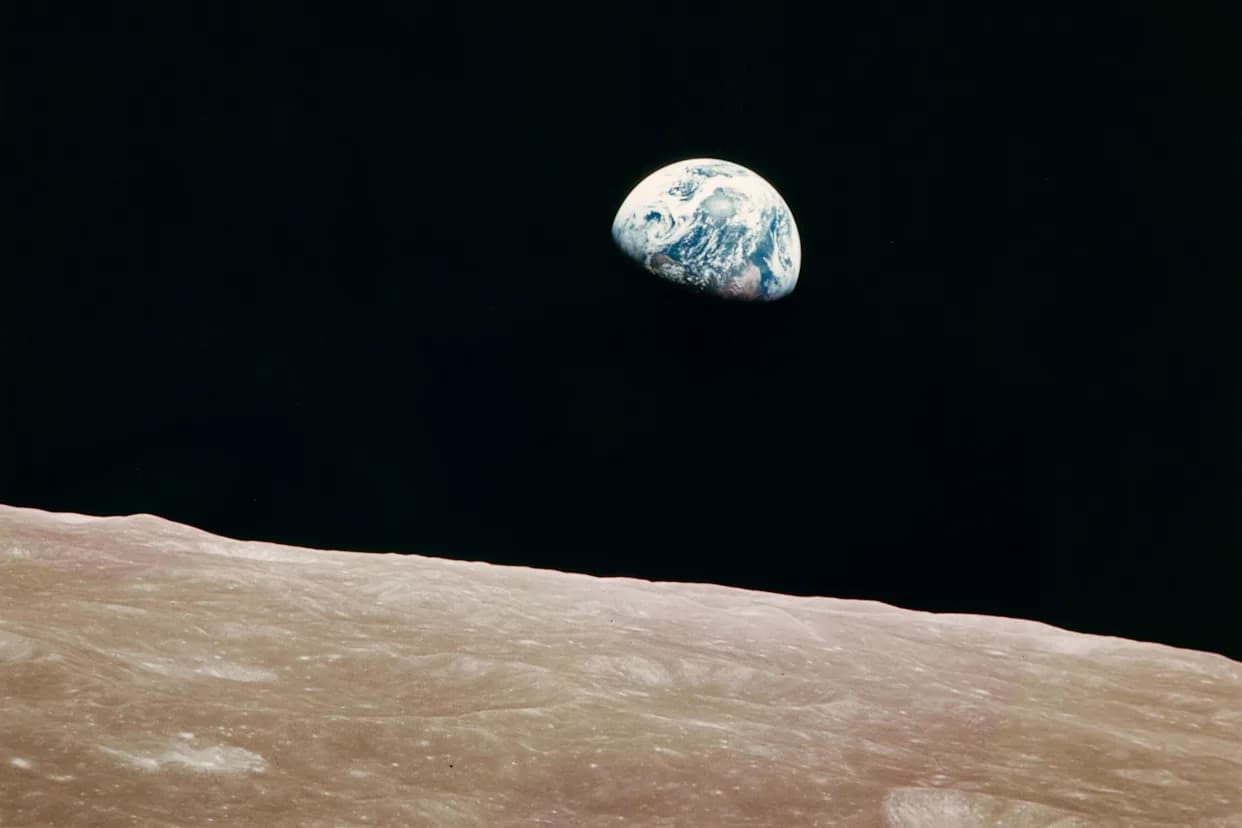
Artemis II is the first crewed flight of NASA's Artemis program. If all goes to plan, four astronauts will undertake a roughly 10-day circumlunar flight to validate systems and hardware ahead of Artemis III, which aims to return humans to the lunar surface by 2028. The mission is a key stepping stone toward a sustained lunar presence and future missions to Mars.
Simulated Launch And Wet Dress Rehearsal
Before selecting an official launch date, NASA will run a simulated launch following a scheduled "wet dress rehearsal," during which teams will practice fueling and launch procedures. Technicians will demonstrate loading the Space Launch System (SLS) with more than 700,000 gallons (about 2.6 million liters) of cryogenic propellants and perform a simulated countdown. The countdown is planned to begin at 9 p.m. EST but operations could extend into the early morning hours.
Hardware And Timeline
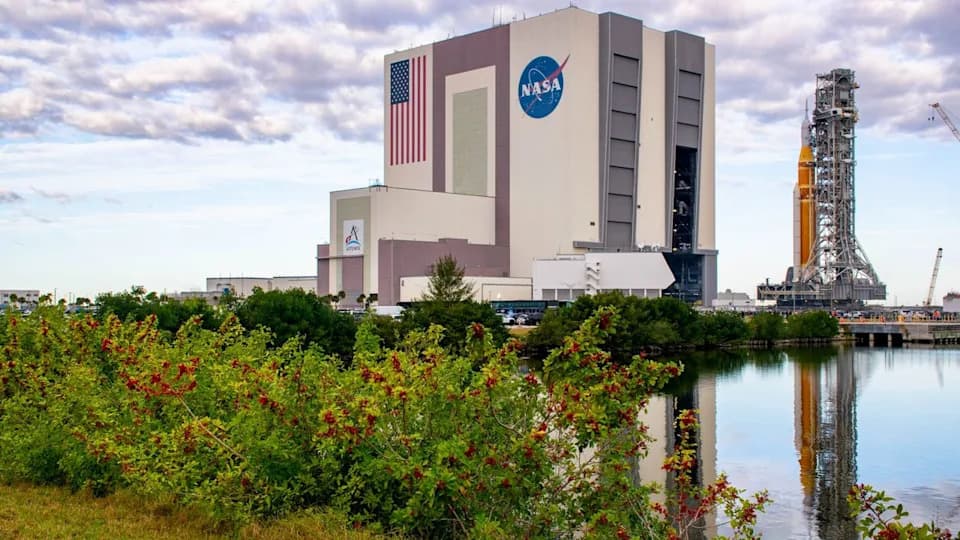
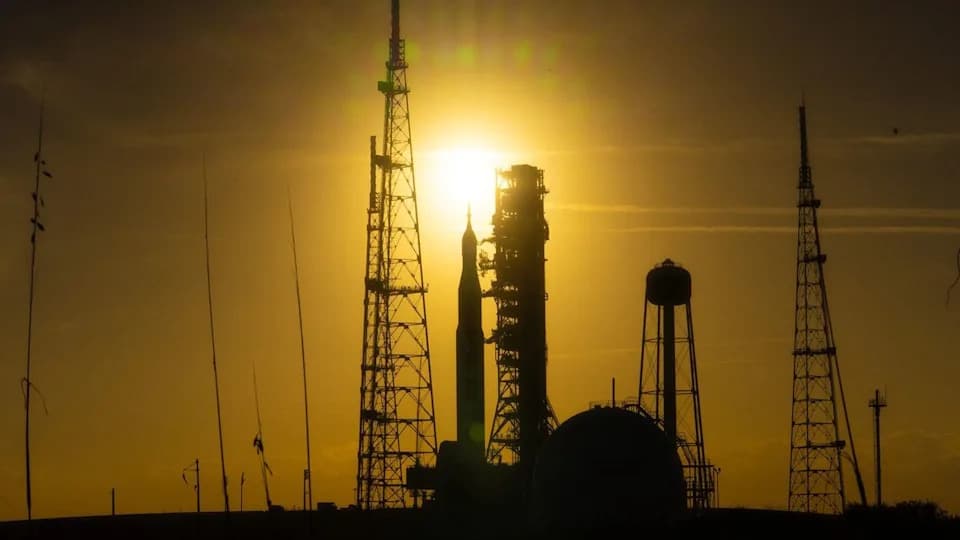
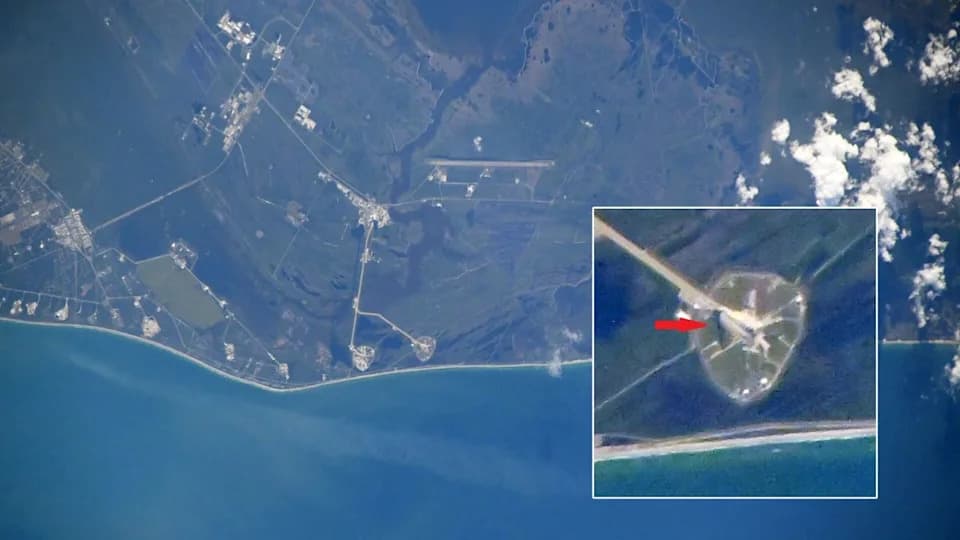
The SLS rocket and the Orion crew vehicle were rolled to the launch pad at Kennedy Space Center on Jan. 17. The core stage stands about 212 feet (65 meters) tall and the full stack reaches roughly 322 feet (98 meters) — taller than the Statue of Liberty. NASA notes that schedules for tests and launches remain subject to change and that the Artemis II launch window extends through April 2026.
Weather, Technical Issues And Crew Readiness
An Arctic blast has brought colder-than-expected temperatures to Florida, so teams are verifying environmental control systems and taking other precautions to ensure the SLS and Orion maintain required temperatures during pad operations. Engineers are also addressing elevated levels of organic carbon found in early samples from Orion's potable water system; that system is intended to supply drinking water for the crew.
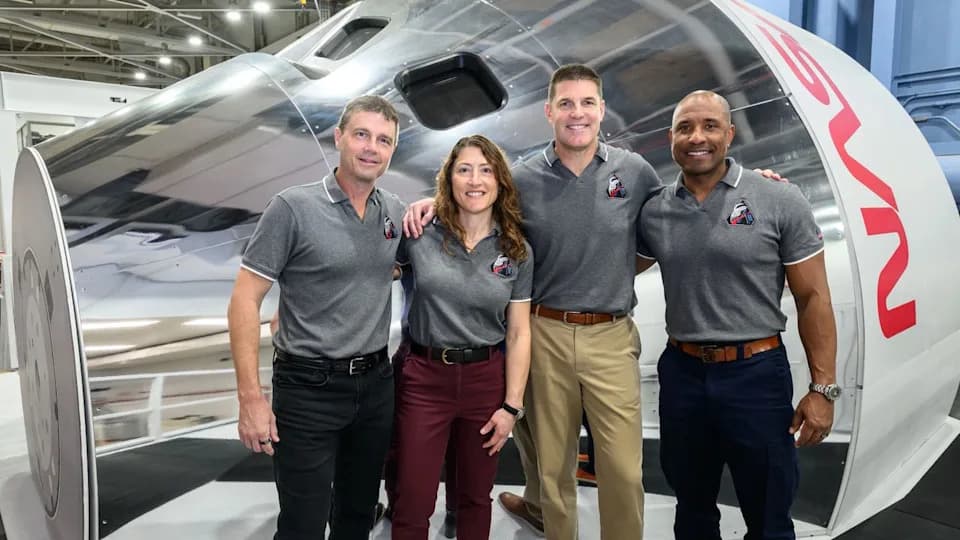
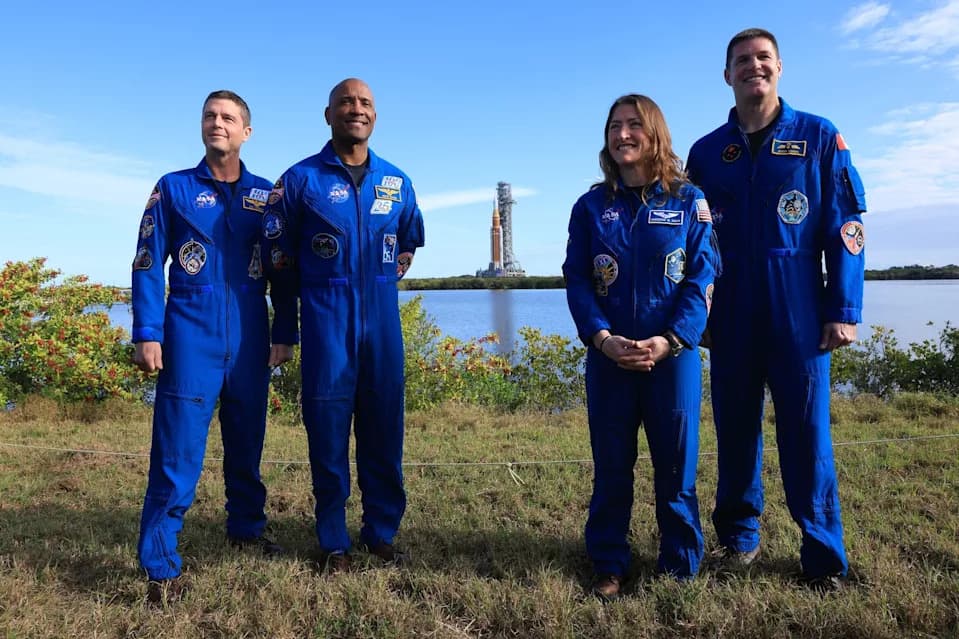
The Artemis II crew began quarantine in Houston on Jan. 23 to reduce infection risk prior to flight. The four crew members are Commander Reid Wiseman, pilot Victor Glover, mission specialist Christina Koch (all NASA), and Canadian Space Agency astronaut Jeremy Hansen. If the schedule holds, NASA plans to transport the crew to Florida about six days before liftoff.
Program Context And Significance
Artemis II follows lessons learned from earlier program activity. Artemis I returned to the Vehicle Assembly Building twice in 2022 after wet dress rehearsal issues and ultimately launched on the fourth attempt in November 2022. A successful Artemis II lunar flyby would validate key systems for future, more complex crewed missions to the lunar surface and beyond.
Bottom line: The coming simulated launch and wet dress rehearsal are the final major checks before NASA determines the Artemis II launch date. The mission is a crucial step toward returning humans to the Moon and establishing a sustained presence there.
Help us improve.