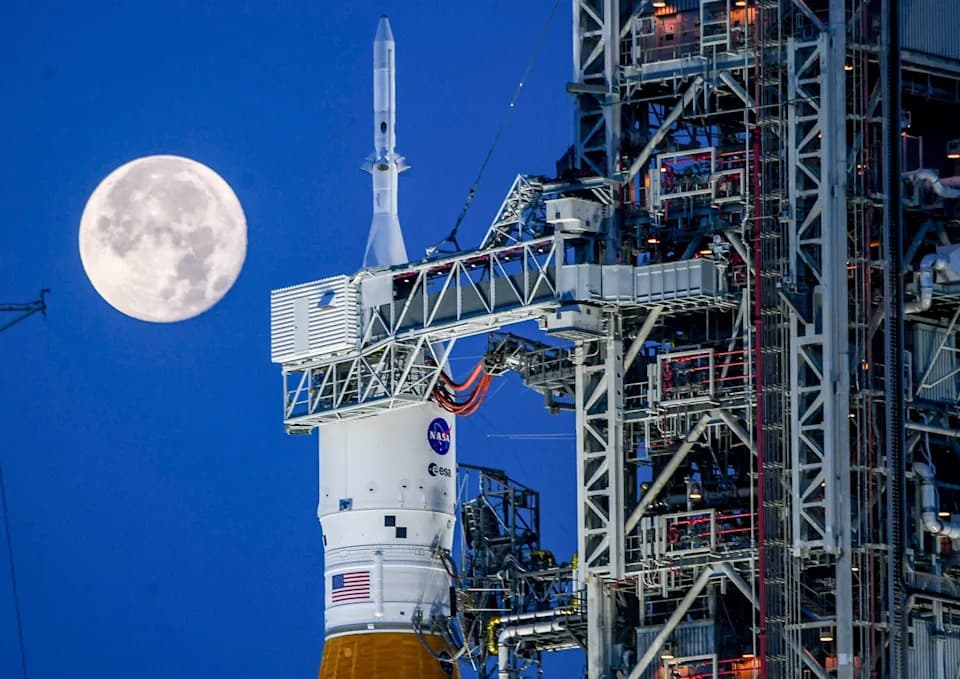
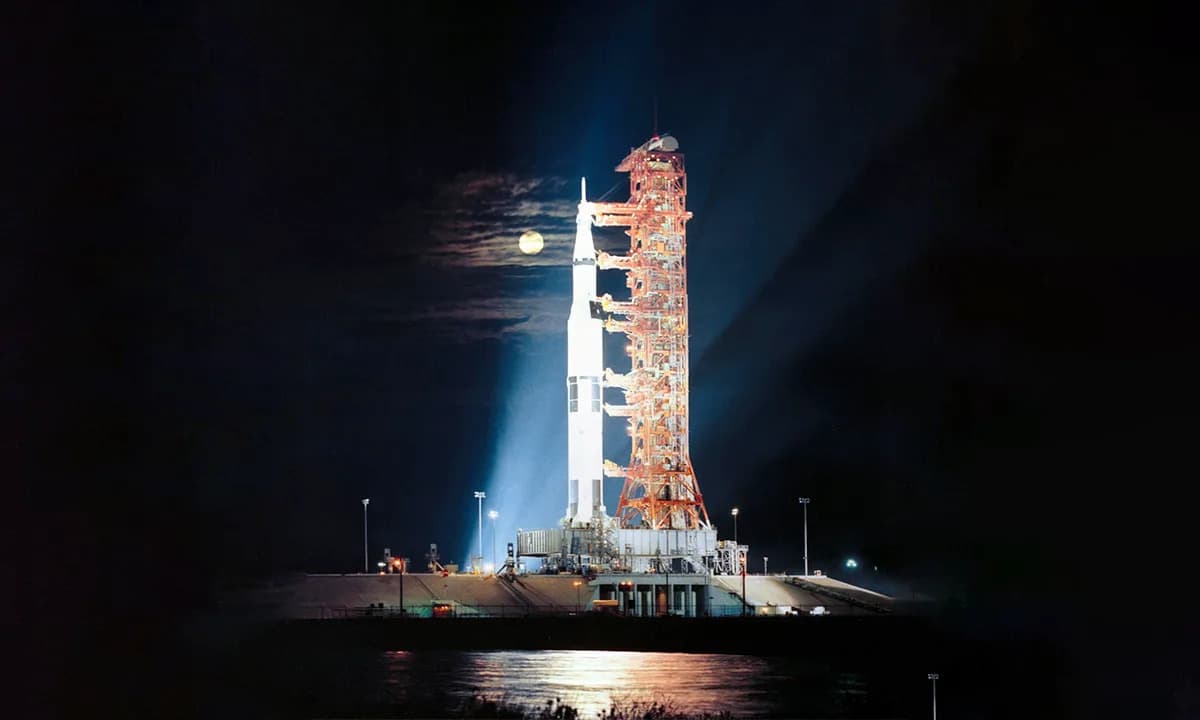
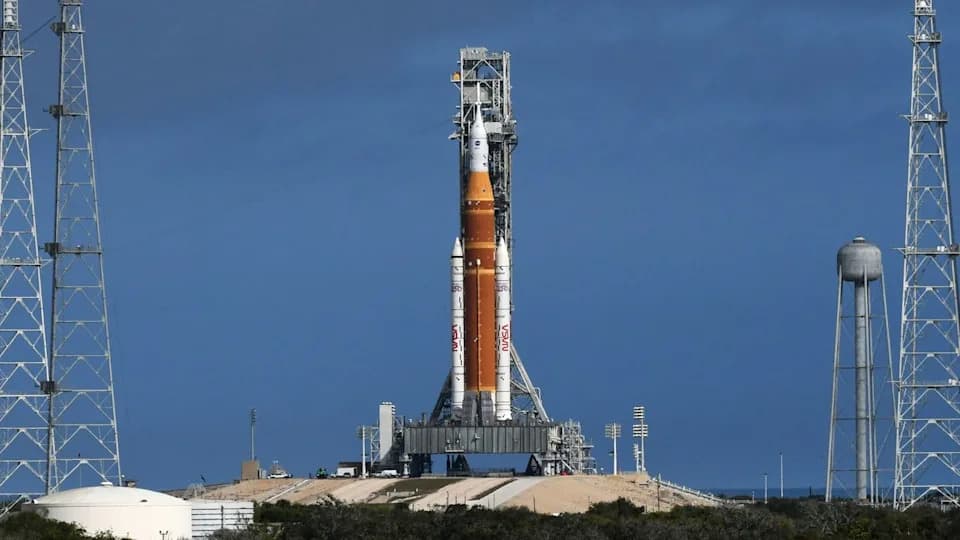
Jared Isaacman, NASA's newly appointed and reportedly youngest chief, says he is in "information gathering mode," holding town halls and reviewing operations while prioritizing two goals: concentrate resources on needle-moving objectives and empower the workforce. He supports establishing a sustained lunar presence to accelerate science and explore potential resources such as Helium‑3. Artemis II will send four astronauts around the Moon to validate systems, and Artemis III aims to land two astronauts near the lunar South Pole for about a week to collect samples and data that could inform future Mars missions.
NASA's Youngest Chief Outlines Vision: Moon Bases, Lunar Economies and Artemis Milestones
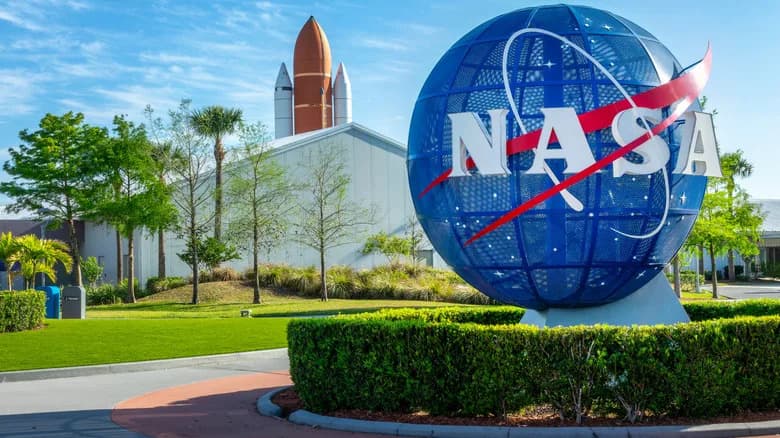
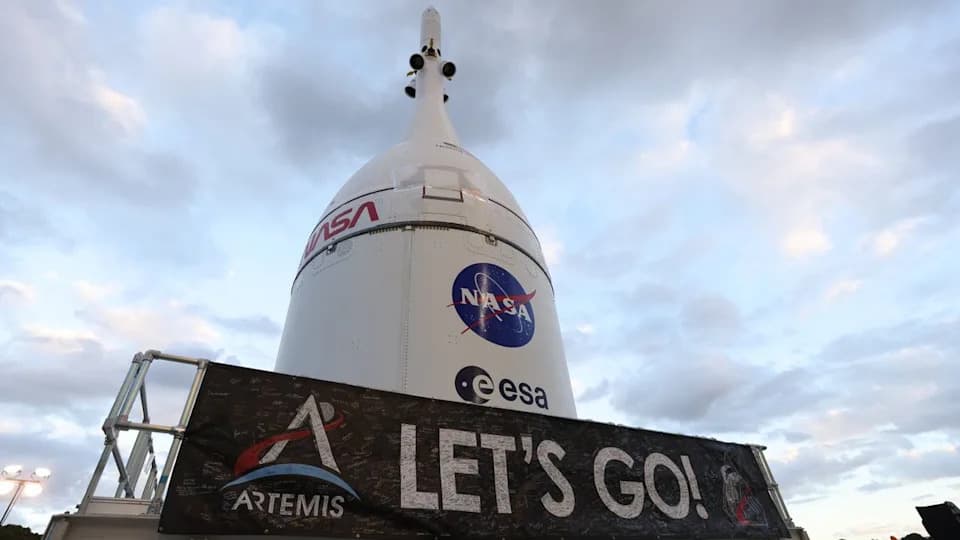
NASA logo at Kennedy Space Center with facility in the background - Delpixart/Getty Images
Jared Isaacman, newly appointed as NASA's youngest-ever chief, told NBC News he is starting in "information gathering mode" — holding town halls, reviewing operations, and listening to NASA staff as he shapes his early agenda. He framed two clear priorities for the agency: focus resources on high-impact goals and strengthen the workforce that makes those missions possible.
Isaacman's Early Priorities
Isaacman has emphasized supporting the people who come to NASA "because they want to change the world." He described his top priorities in his own words:
"I have two overarching goals to help NASA achieve its world-changing missions of science and discovery. One, make sure we're concentrating all of our resources on the needle-moving objective, and two, empower the workforce."
In practice, that means identifying programs that deliver measurable progress, reducing distractions, and investing in staff development and mission support.
Moon, Minerals and a 'Sci‑Fi' Future
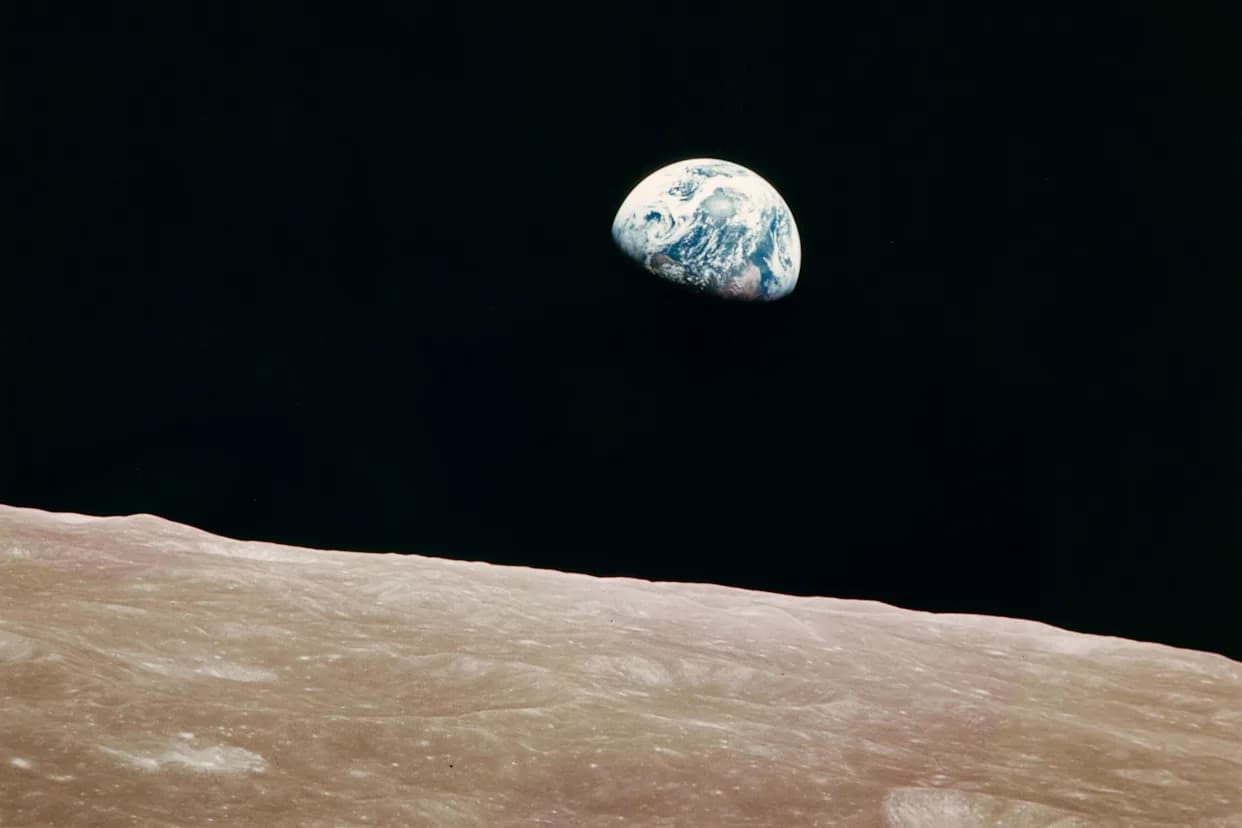
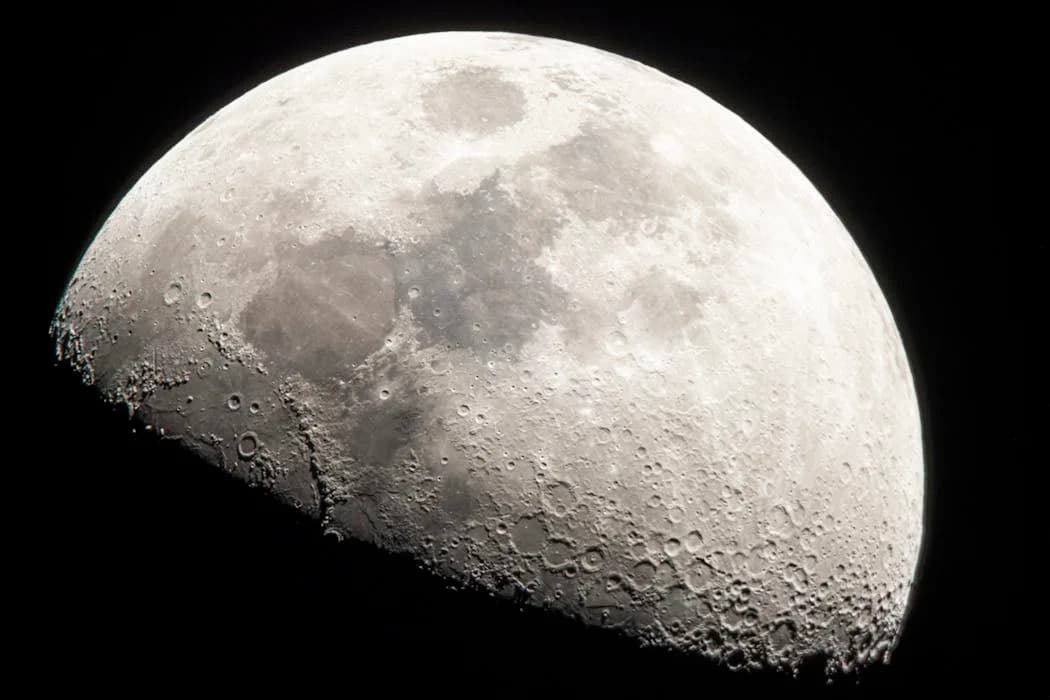
Beyond organizational work, Isaacman spoke about advancing sustained lunar exploration. He argues a long-term presence on the Moon could accelerate science, enable new kinds of research, and open access to potential resources — Helium‑3 is often cited as a theoretically valuable example. Isaacman also highlighted the importance of planning for lunar and orbital economies as central building blocks for the ambitious, science-fiction–style future many envision.
Artemis II and III: Concrete Next Steps
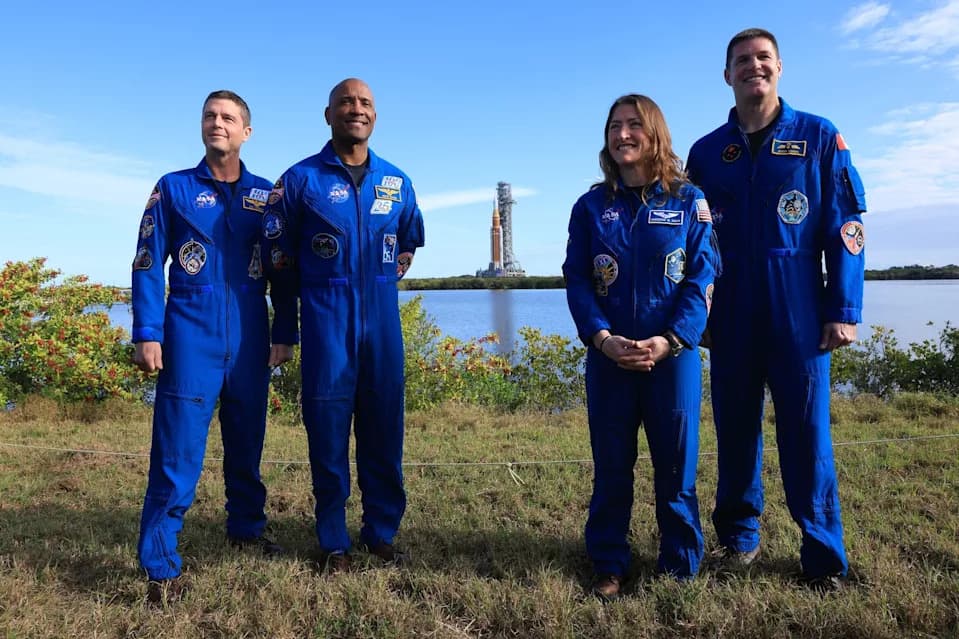
NASA's Artemis program illustrates that roadmap. Artemis II will send four astronauts on a crewed flight around the Moon and back — the first such mission in roughly 50 years — to validate systems and procedures for future surface operations. Artemis III aims to land two astronauts near the lunar South Pole for about a week, during which crew observations, returned samples, and scientific measurements will help researchers better understand the Moon and inform plans for missions farther afield, including Mars.
Taken together, Isaacman's short-term focus on listening and aligning resources, plus the programmatic milestones represented by Artemis II and III, point to a twofold approach: immediate organizational assessment and a long-term strategy toward a sustained lunar presence, scientific discovery, and potential economic activity beyond Earth.
Help us improve.