Sleep is vital but exposes animals to danger, so many species have evolved extraordinary ways to rest safely. Miniaturized EEGs and trackers reveal chinstrap penguins stitch thousands of ~4‑second microsleeps into a roughly 11‑hour daily total; great frigatebirds use unihemispheric sleep to nap while soaring for weeks; and northern elephant seals can sleep — including REM — during deep dives, sometimes producing "sleep spirals." These discoveries show sleep is highly adaptable to ecological demands.
When Sleep Is Risky: How Animals Sneak Shut‑Eye in Dangerous Places

(AP Illustration / Peter Hamlin)(ASSOCIATED PRESS)
Sleep is essential across the animal kingdom — and often dangerous. Dozing makes animals vulnerable to predators, yet evolution has produced remarkable ways to rest safely in perilous environments. Recent advances in miniaturized brain-monitoring devices and trackers have revealed surprisingly flexible strategies, from split‑brain naps in flight to millisecond microsleeps on crowded Antarctic rookeries.
Why Sleep Is Risky — and Unavoidable
"Sleep is universal even though it’s actually very risky," says Paul‑Antoine Libourel of the Neuroscience Research Center of Lyon. Predation, exposure and missed feeding or mating opportunities all make sleep costly. Still, the biological drive to sleep is so strong that no animal can eliminate it; instead, many species have evolved creative solutions that balance rest with survival.
(AP Illustration / Peter Hamlin)(ASSOCIATED PRESS)
Chinstrap Penguins: Thousands Of 4‑Second Microsleeps
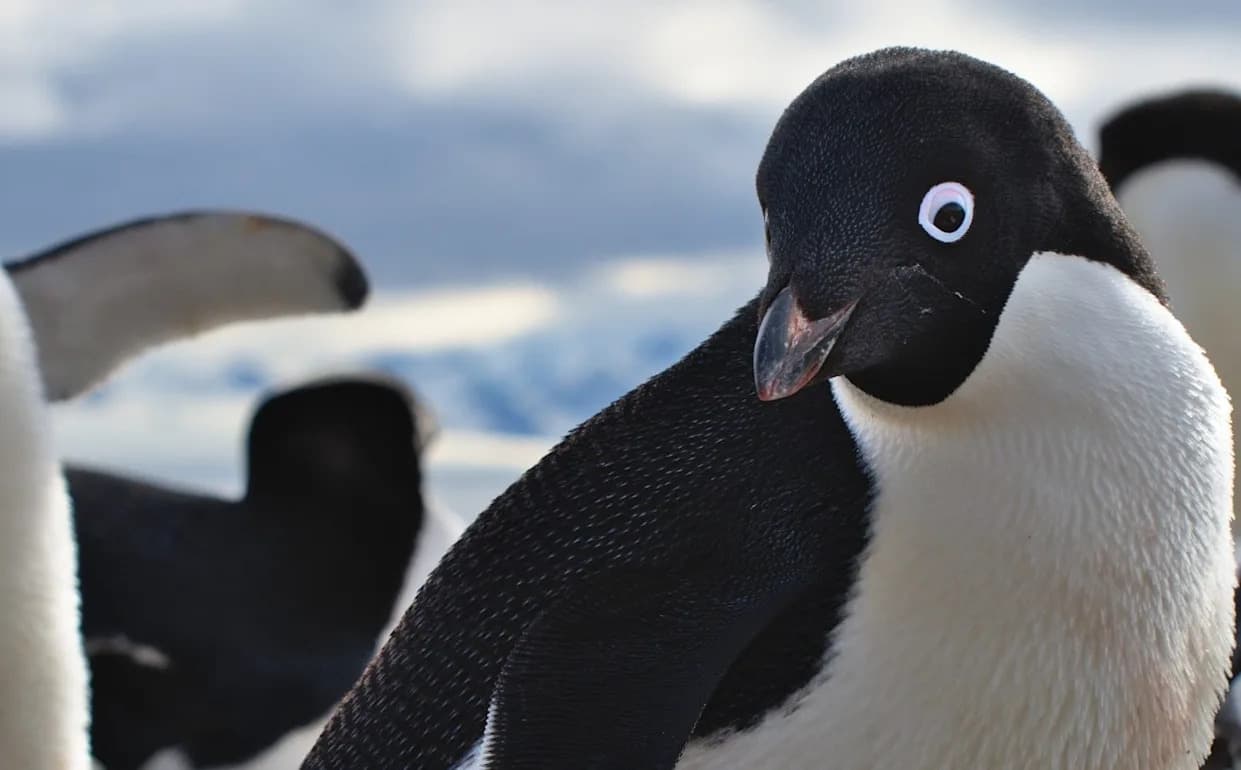
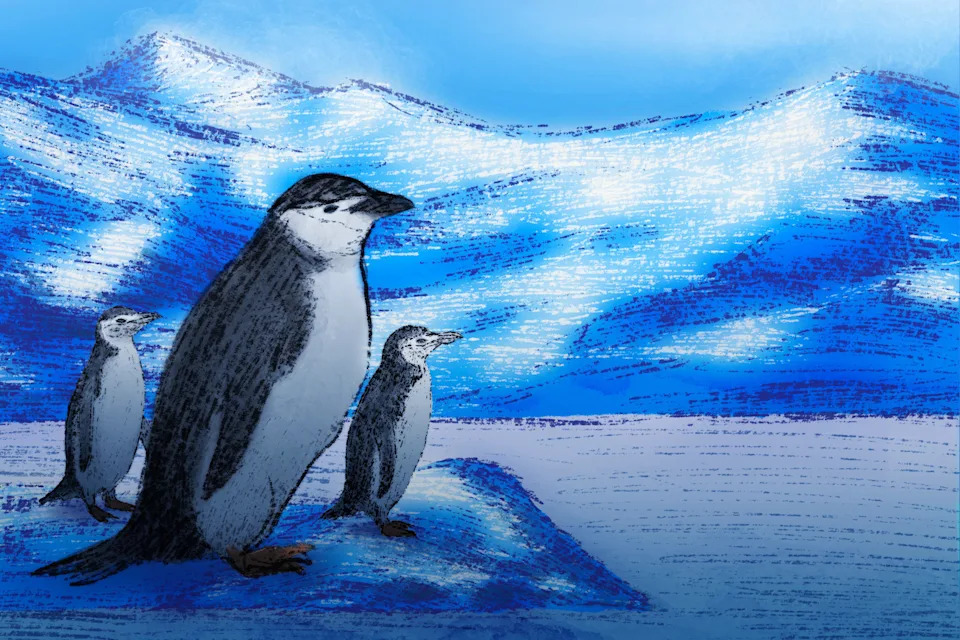
Chinstrap penguins on Antarctica’s King George Island share parenting duties around the clock. To remain on duty while still getting rest, parents take thousands of very short naps — on average about 4 seconds each. South Korean researcher Won Young Lee and colleagues observed these "microsleeps," and Libourel’s EEG work on 14 adults over 11 days found that the short naps add up to roughly 11 hours of sleep per day in total.
These micro-naps allow a penguin to blink to attention when a neighbor bumps by or a predatory seabird approaches, then quickly doze again. The result is highly fragmented sleep that meets physiological needs without abandoning parental responsibilities.
(AP Illustration / Peter Hamlin)(ASSOCIATED PRESS)
Frigatebirds: Sleeping With Half A Brain While Soaring
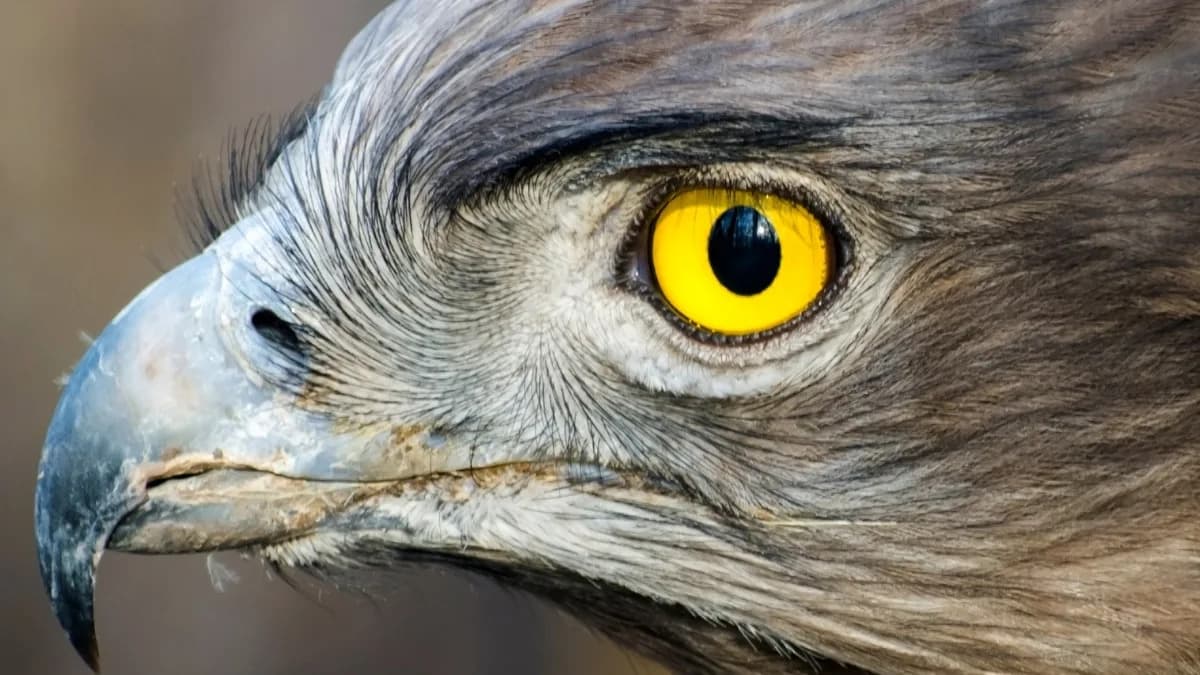
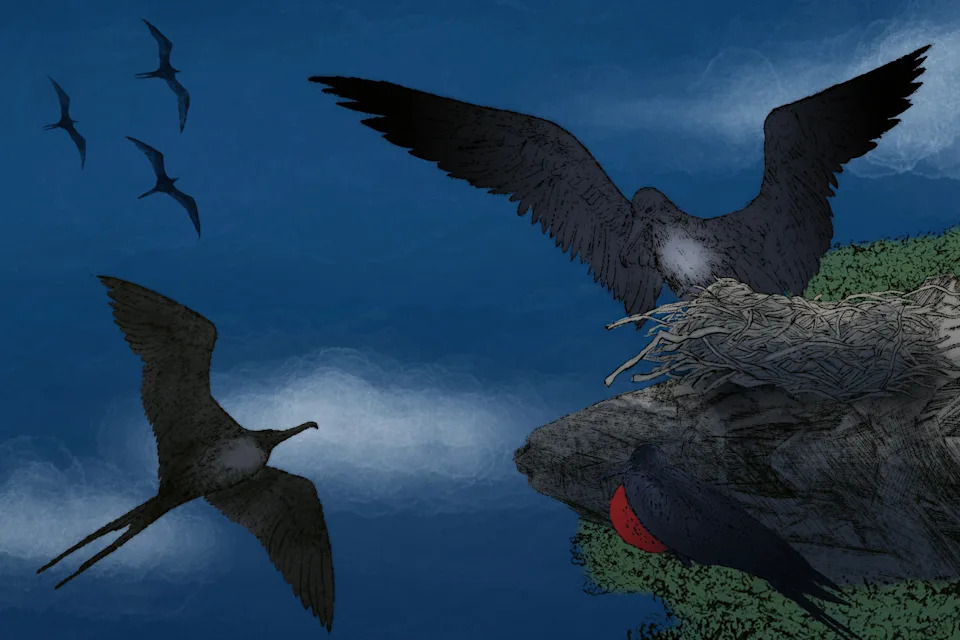
Great frigatebirds that nest in the Galápagos can remain aloft for weeks. EEG recordings show they often use unihemispheric sleep — putting one cerebral hemisphere to sleep while the other stays alert — so one eye can monitor the sky. This lets them nap while gliding on thermals, conserving energy and protecting their fragile, nonwaterproof feathers by avoiding landings.
Frigatebirds cannot perform complex maneuvers, dive for prey or actively forage while only half‑asleep; those activities require full wakefulness. At the nest, however, they switch to bilaterally synchronous sleep and longer bouts, underlining that in‑flight unihemispheric sleep is an ecological adaptation for extended flight.
(AP Illustration / Peter Hamlin)(ASSOCIATED PRESS)
Northern Elephant Seals: Dozing During Deep Dives
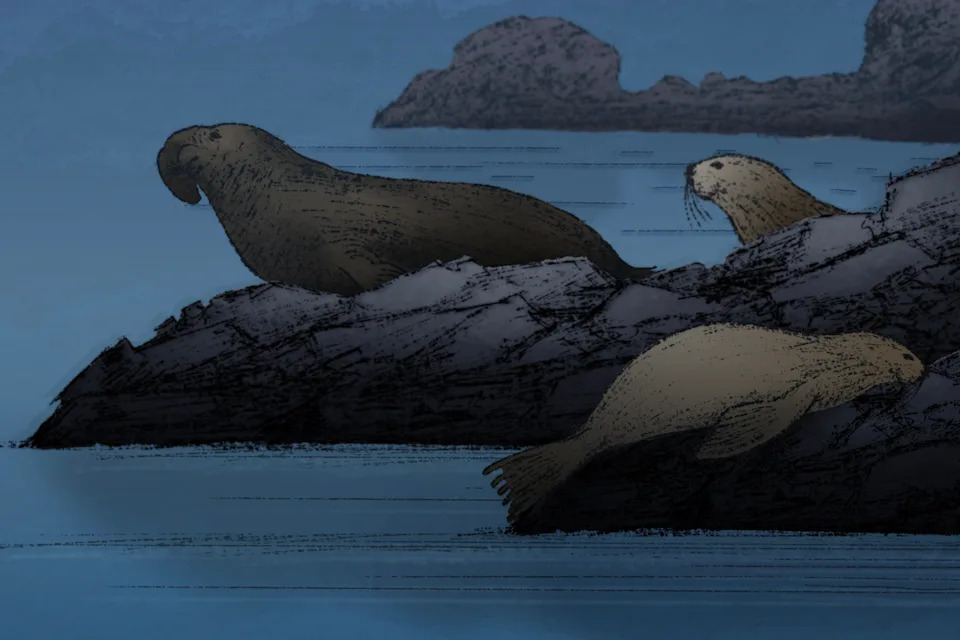
Northern elephant seals undertake months‑long foraging trips and make repeated deep dives. Using neoprene headcaps that recorded movement and brain activity, Jessica Kendall‑Bar and colleagues studied 13 females and found seals often rest during the deepest parts of dives — roughly one‑third of a 30‑minute dive can be spent asleep. The sleep recorded included both slow‑wave sleep and REM; during REM the animals sometimes turned and spun, producing what researchers called a "sleep spiral."
At sea, these seals averaged about two hours of sleep per 24‑hour period, compared with about 10 hours per day onshore, showing a dramatic reorganization of rest according to context and risk.
Tools That Opened A Window Into Wild Sleep
For decades, sleep in wild animals was inferred from behavior—stillness and closed eyes. Miniaturized EEG devices, motion sensors and lightweight data loggers have enabled direct measurement of brain states in free‑ranging animals, revealing unihemispheric sleep, microsleeps and REM at depth. These technological advances are reshaping our understanding of how ecological pressures shape sleep.
What This Means
These findings demonstrate sleep’s evolutionary flexibility. While humans can’t — and shouldn’t try to — adopt these extreme strategies, studying them illuminates fundamental questions about sleep regulation, survival trade‑offs and brain function across species.
“We’re finding that sleep is really flexible in response to ecological demands,” said Niels Rattenborg of the Max Planck Institute for Biological Intelligence.
Reporting summarized from recent field studies of chinstrap penguins, great frigatebirds and northern elephant seals. The Associated Press Health & Science Department contributed to the original coverage.
Help us improve.