Researchers at the University of Pennsylvania ran a seven-night lab study with 25 healthy adults and found pink noise reduced REM sleep by about 18.6 minutes on average, while environmental noise cut deep Stage 3 sleep by about 23.4 minutes. The study suggests modest nightly REM losses can accumulate and cautions against using sound machines for infants. Authors recommend low volume and timers for adults who use sound machines and note that lab conditions and a small sample limit generalizability.
Study Finds Pink Noise May Reduce REM Sleep — What That Means for Your Sleep Aids
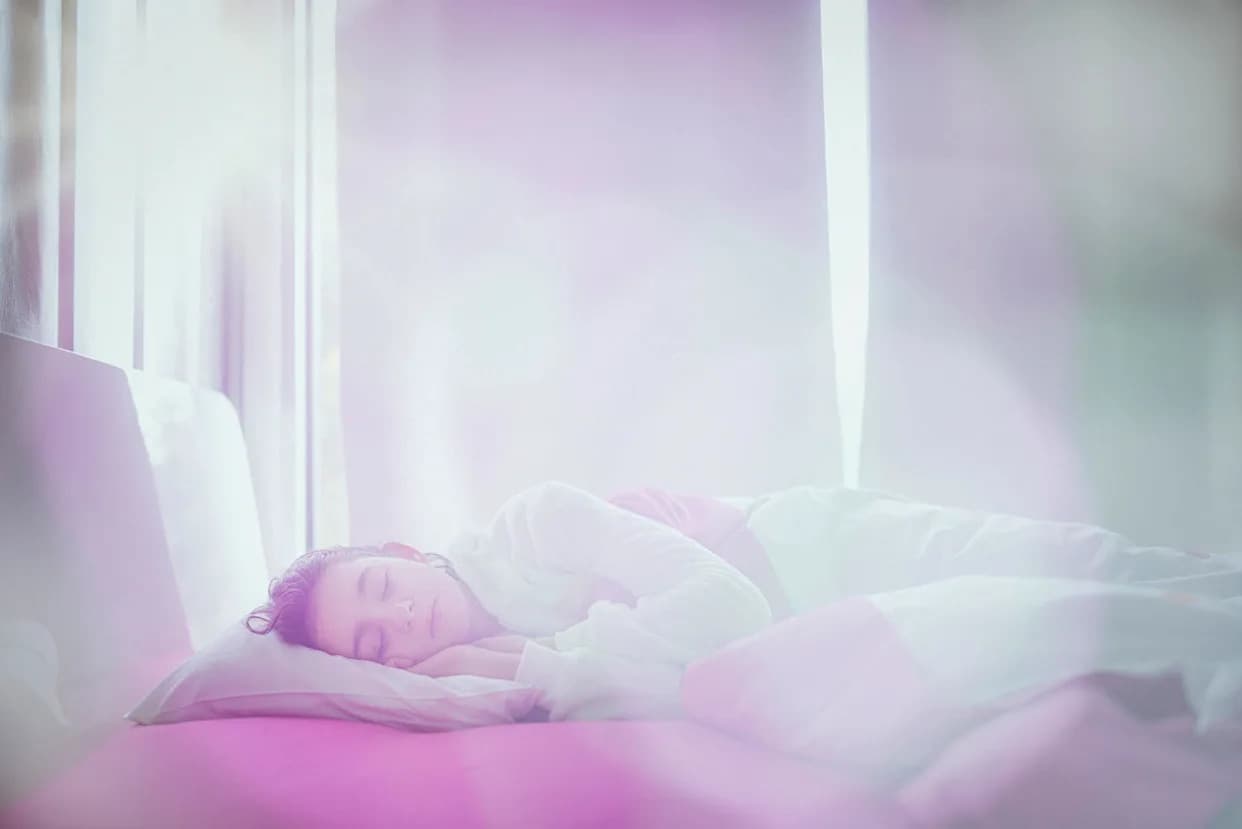
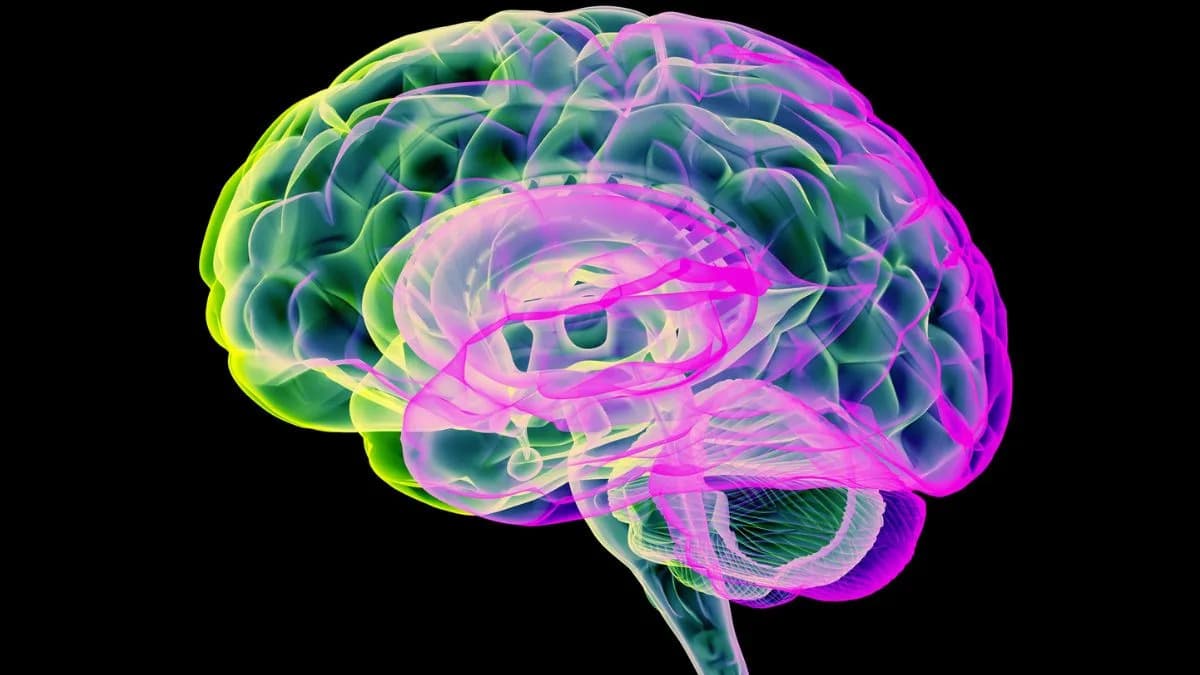
When sleeping, the brain cycles through different stages, including light, deep and rapid eye movement, or REM. REM sleep is when dreaming occurs. (Donald Iain Smith / Getty Images/Tetra Images RF)(Donald Iain Smith)
New research suggests that pink noise — the low-frequency, staticky sound many people use to fall asleep — may actually impair sleep quality for some adults.
Researchers at the University of Pennsylvania ran a controlled, seven-night laboratory study with 25 healthy adults (mostly younger women) who had no diagnosed sleep disorders and did not regularly use ambient sound machines. Lights were turned off at 11 p.m. and participants were awakened at 7 a.m. each night.
Across study nights participants slept under several sound conditions: no added sound, environmental noise only (ranging from everyday traffic to louder events such as jets, helicopters and sonic booms), pink noise only, combinations of pink and environmental noise at varying decibel levels, and environmental noise while wearing earplugs.
Key Findings
The study, published in the journal Sleep, found two main effects:
Environmental noise reduced Stage 3 (deep) sleep by an average of 23.4 minutes.
Pink noise reduced REM sleep by an average of 18.6 minutes, a stage important for mood regulation and cognitive function.
Lead author Dr. Mathias Basner said he was surprised by the size of the REM reduction. While some earlier studies reported similar REM effects, this research highlights the concern that even modest nightly REM losses can add up over time.
Additional Observations and Practical Takeaways
Researchers ran physiological and cognitive tests before and after nights and collected surveys about mood and fatigue. The study found that pink noise sometimes helped participants sleep through traffic sounds, but simple earplugs were typically more effective at blocking environmental noise.
Possible explanations for pink noise’s effect include the idea that continuous auditory input may interfere with the brain processes that support REM sleep. However, the exact mechanism remains unclear.
Limitations
The authors note several limitations: the sample was small (25 adults) and the observation period was brief (seven nights). The environmental sounds included atypically loud events (e.g., sonic booms) and noise conditions varied between nights rather than remaining constant. Sleeping in a laboratory for the first time could also affect results, and the study did not include infants or children.
Experts caution that people may still habituate to sounds over longer periods at home; laboratory conditions do not perfectly reflect everyday sleeping environments. Dr. Rafael Pelayo of Stanford noted, “The need for sleep is biological, but the way we sleep is learned,” meaning many people can adapt to persistent noises like a snoring partner.
Recommendations
For adults who find sound machines helpful, the study’s authors recommend keeping the volume low and using a timer so the sound does not play all night. They also advise against routine use of noise machines for infants and toddlers, since newborns spend a larger portion of sleep in REM and may be more vulnerable to REM disruption.
Bottom line: Pink noise may help mask disruptive sounds for some sleepers, but it can also reduce REM sleep in the short term under laboratory conditions. Individuals who rely on pink-noise machines should monitor their sleep quality and consider lower volume, timers, or alternatives like earplugs to block environmental noise.
Help us improve.