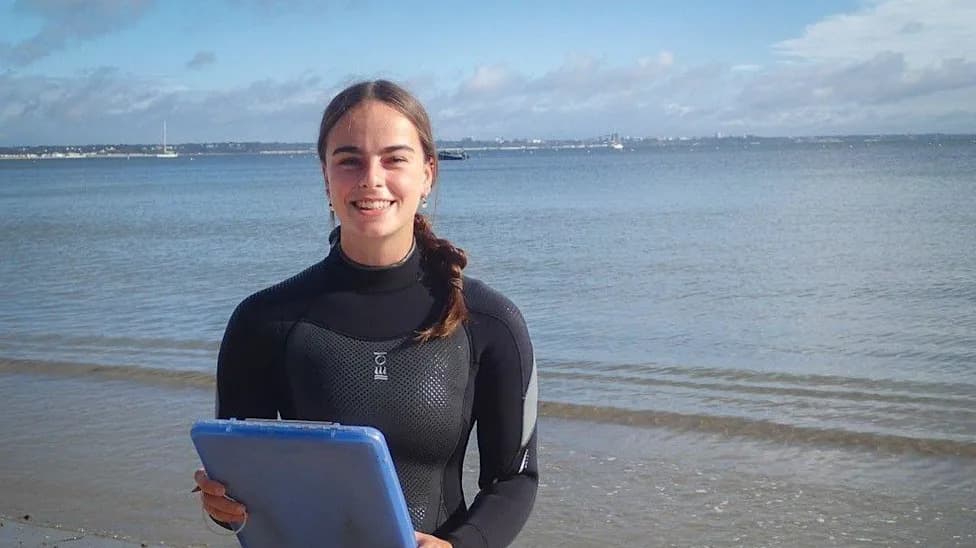
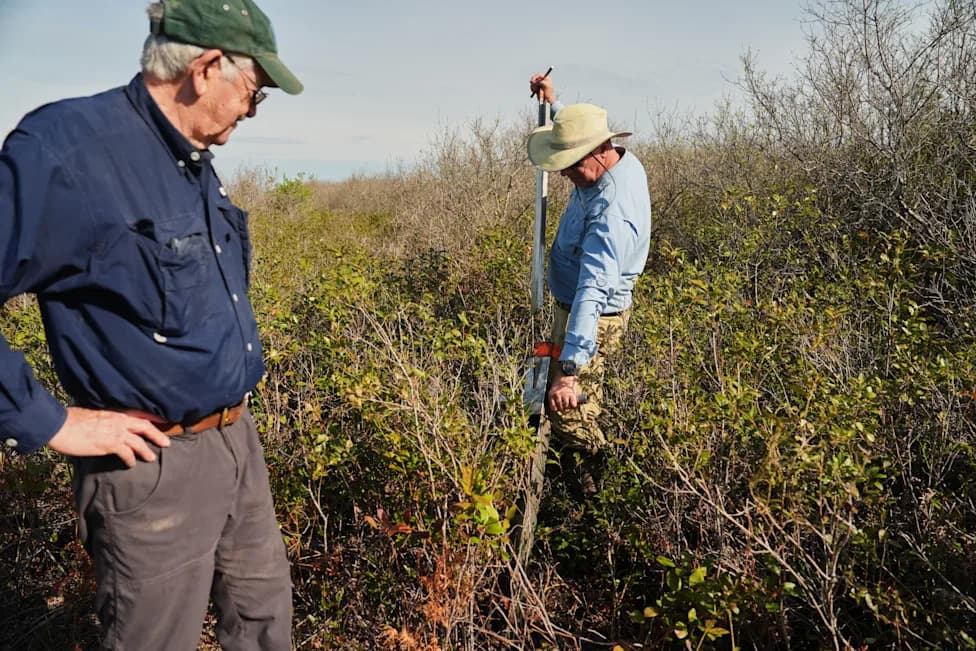
Seawilding, a Scottish community charity, has developed a transplantation method that increases seabed coverage in its project areas from about 10% to 70% and achieves a 97% survival rate for transplanted seagrass shoots. Launched in 2024, the approach relocates shoots from healthy donor meadows rather than relying on seed sowing and restored 0.3 hectares in five months. Seagrass is vital for biodiversity, water quality and carbon storage, yet global meadows are still declining at roughly 7% per year due to pollution, overfishing and warming waters.
Community Project Delivers Major Seagrass Breakthrough — 97% Survival and Rapid Recovery

Seawilding, a community-led marine restoration charity in Scotland, has reported a major advance in restoring seagrass meadows, with results that could help scale habitat recovery across the UK, according to Eco Magazine.
What The Project Did
The team moved living seagrass shoots from healthy "donor" meadows into carefully selected restoration sites rather than sowing seed. Launched in 2024, this transplant-based approach has boosted seabed coverage in project areas from roughly 10% to 70% and produced an impressive 97% survival rate for transplanted material.
Why This Matters
Seagrass is the ocean's only flowering plant and has been called the "lungs of the ocean" by the National Wildlife Federation because it produces oxygen and supports rich marine life. These meadows provide habitat and food for species from tiny invertebrates to sea turtles, act as important carbon sinks, filter pollutants from water, and stabilize sediments.
Results And Context
In just five months Seawilding restored about 0.3 hectares of seagrass, bringing conditions in project areas close to near-natural levels and making this one of the UK's most successful seagrass habitat efforts to date. The work comes against a worrying backdrop: seagrass meadows are disappearing at an estimated rate of about 7% per year — roughly the area of two football fields every hour, according to Frontiers Journal.
"It's an exciting breakthrough. We've trialed multiple methods over the last 5 years, and had our fair share of failure, but with this methodology we're proving it's possible to restore seagrass at scale," said Will Goudy, Seagrass Lead at Seawilding, to Eco Magazine.
Threats such as pollution, overfishing and warming waters — which promote algal blooms and invasive species like green crabs — continue to harm meadows. When seagrass declines, scientists take it as a clear signal of deteriorating water quality. The success of transplant-based restoration offers a promising tool to help reverse declines and improve coastal resilience.
Looking Ahead
Seawilding's results may inform larger-scale restoration projects and policy efforts, including national ocean protection plans and community-led conservation. Continued monitoring, site selection, and community engagement will be essential to scale these gains and protect blue carbon and biodiversity long term.
Help us improve.