The Gemini Solar Project near Las Vegas preserved native seed banks during construction and saw threecorner milkvetch increase from 12 plants pre-build to 93 in 2024. Researchers link the gains to panel-created shade that reduces soil evaporation and to ecovoltaic practices such as native seeding and tuned management. Complementary studies in Minnesota recorded large increases in flowering plants, pollinators and native bees, but experts warn that panel height, spacing and site management determine outcomes. Agrivoltaics — growing crops under panels — can further save water and add revenue while supporting biodiversity.
Solar Farm Nurtures Rare Mojave Plant: Study Shows ‘Ecovoltaics’ Can Boost Biodiversity
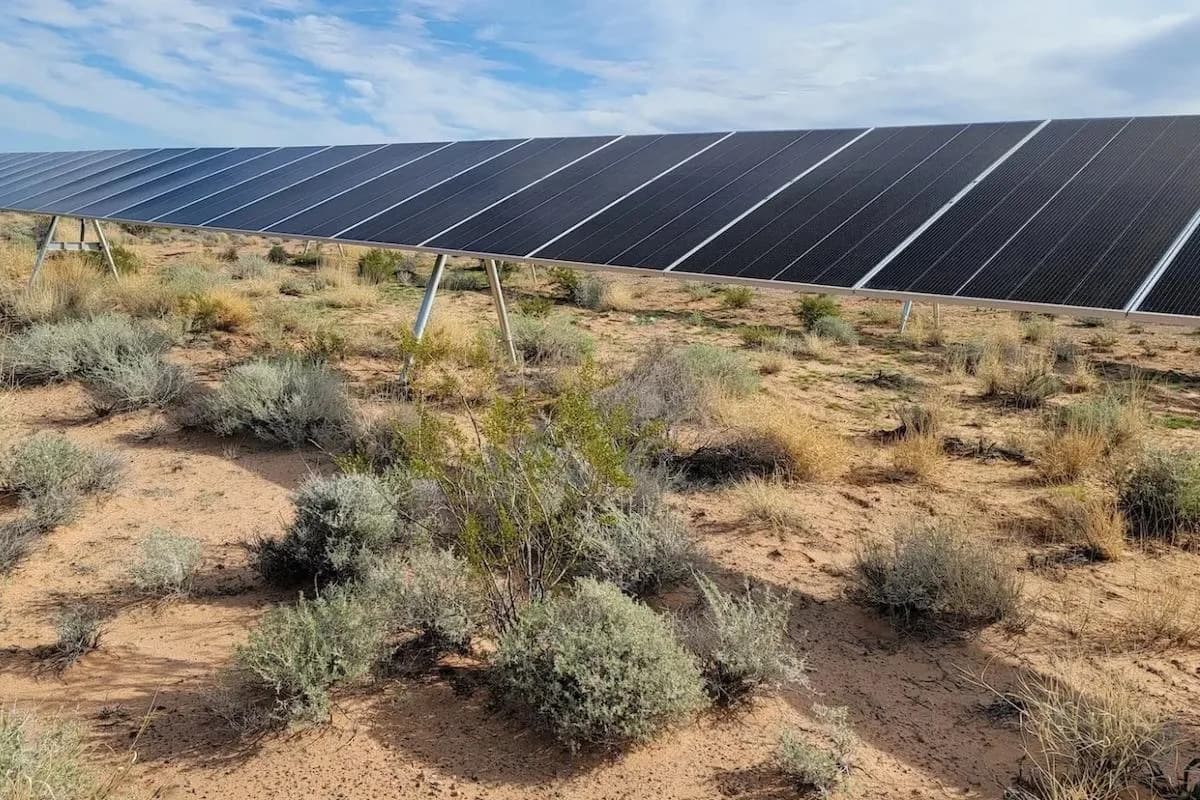
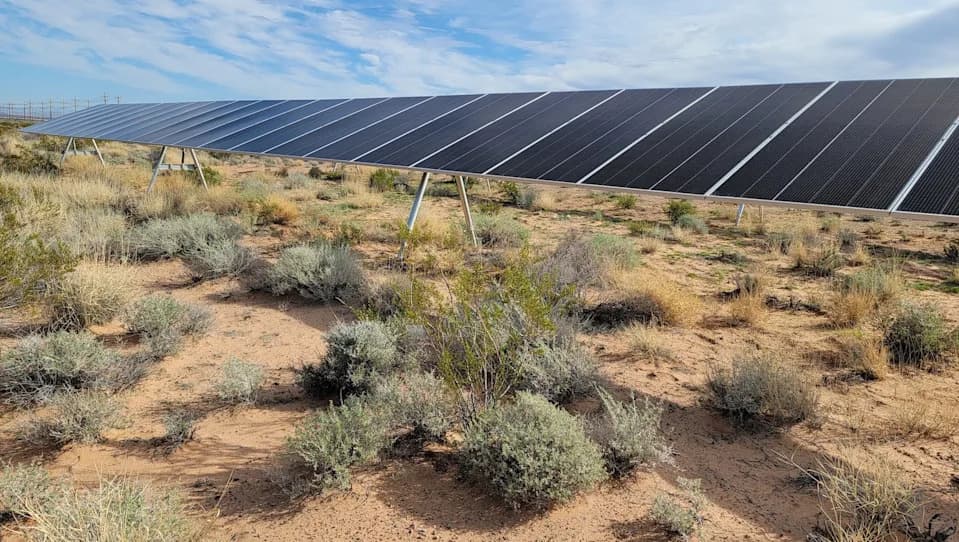
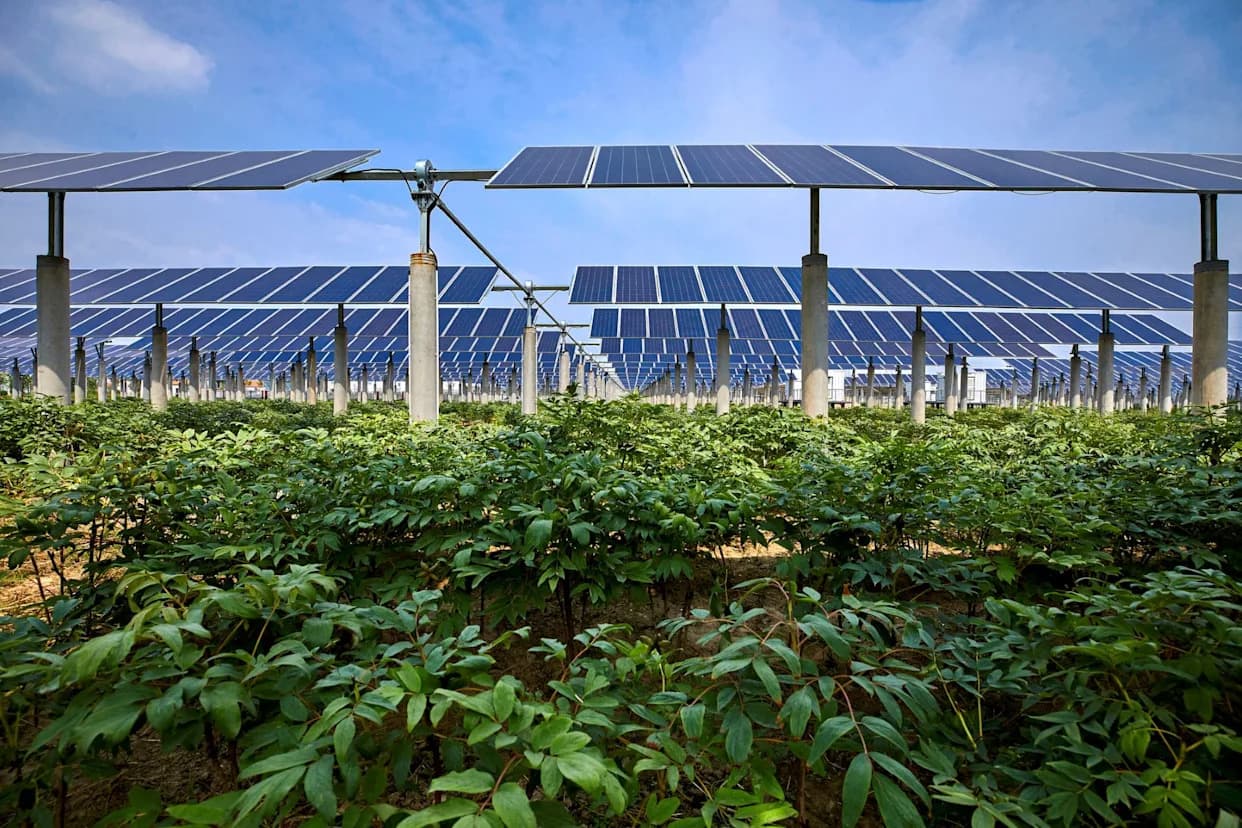
Plants grow among solar panels at the Gemini Solar Project, near Las Vegas. Courtesy of Tiffany Pereira
The Gemini Solar Project near Las Vegas has become an unexpected refuge for a rare Mojave Desert plant, new research shows. By avoiding the typical "blade-and-grade" construction that clears vegetation and levels soils, the project preserved native seed banks and allowed the threecorner milkvetch (a low-growing member of the pea family) to rebound after development.
Seeds Survive, Plants Thrive
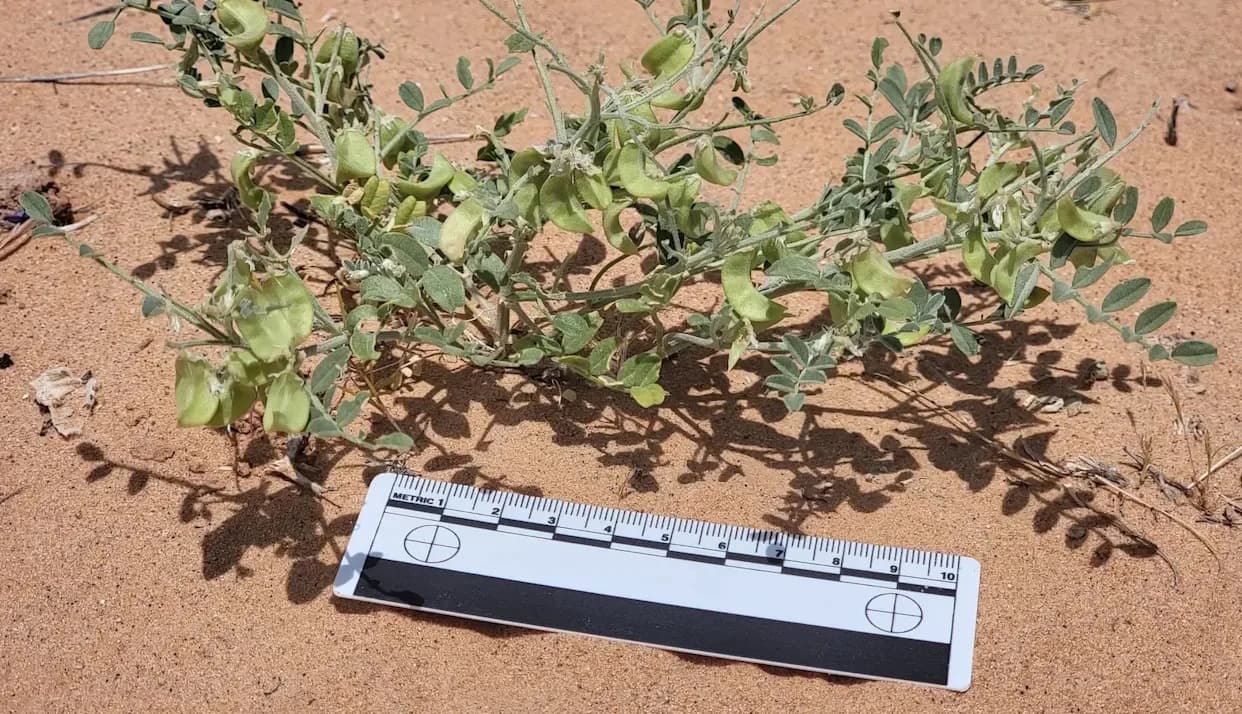
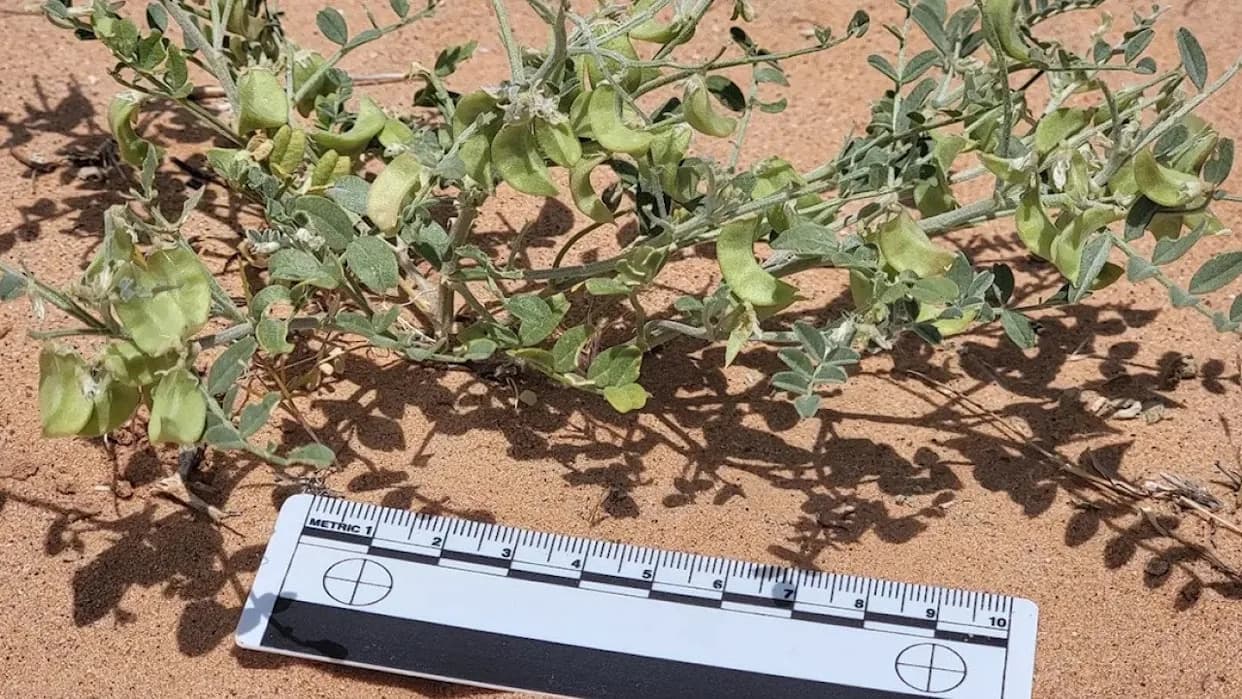
Surveys found just 12 individual threecorner milkvetch plants on the site before construction and 93 in 2024 — strong evidence that seeds persisted through the build. Plants at Gemini were broader, taller and produced more flowers and fruits than those in a nearby undisturbed plot. Researchers attribute much of this improvement to the shade created by solar panels, which reduces soil evaporation and makes more moisture available to plants.
"There's seedlings of so many other species coming up as well. And so the fact that seed bank survived is phenomenal," said Tiffany Pereira, an ecologist at the Desert Research Institute and lead author of the paper published late last year.
Ecovoltaics: Designing Solar With Nature in Mind
The Gemini approach is an example of "ecovoltaics," where developers design and manage solar sites to support native species rather than removing habitat. Managers may seed native grasses and wildflowers, adjust panel spacing and height, and use targeted grazing or mowing to mimic natural disturbances and reduce fire risk.
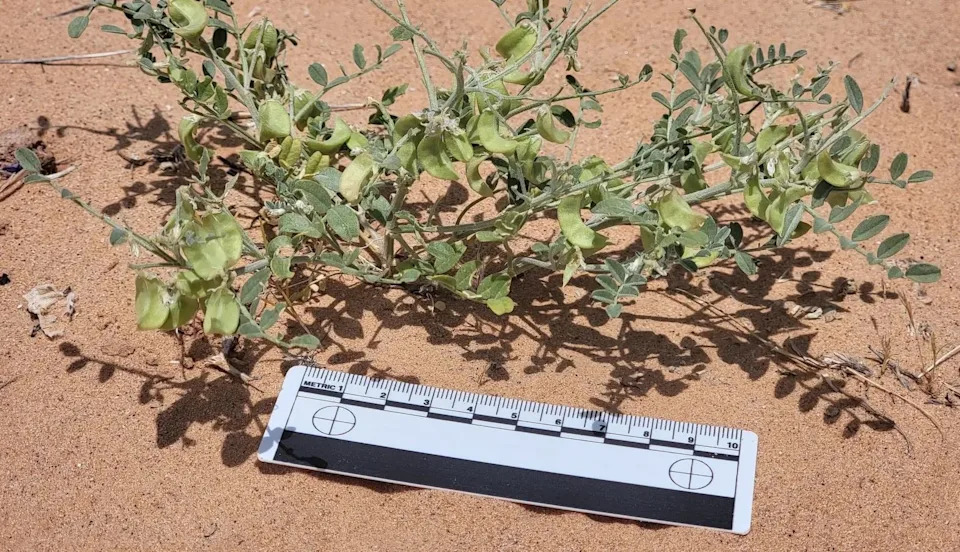
A threecorner milkvetch. Courtesy of Tiffany Pereira
"Some of those seed mixes do quite well at solar facilities, and they attract pollinators, birds, and other wildlife as a result," said Lee Walston, an ecologist at Argonne National Laboratory who was not involved in the Gemini study.
Evidence From Other Regions
Supporting evidence comes from studies on converted croplands in Minnesota. Over five years, researchers recorded a sevenfold increase in unique flowering plant species, a threefold rise in insect pollinators and roughly a 20-fold increase in native bees. Follow-up research across multiple sites also found greater numbers of grassland birds and more bat activity, likely responding to the higher insect abundance and improved habitat structure.
Design And Management Matter
Benefits are not automatic. Many species prefer specific light and moisture conditions: in the Mojave, most threecorner milkvetch were found in sunny gaps between panels rather than directly beneath them. Panel height, spacing and ground management (including conservation grazing to control invasive plants) strongly influence which species benefit. Taller arrays allow larger plants to reach their potential, but increase costs and may affect other site uses.
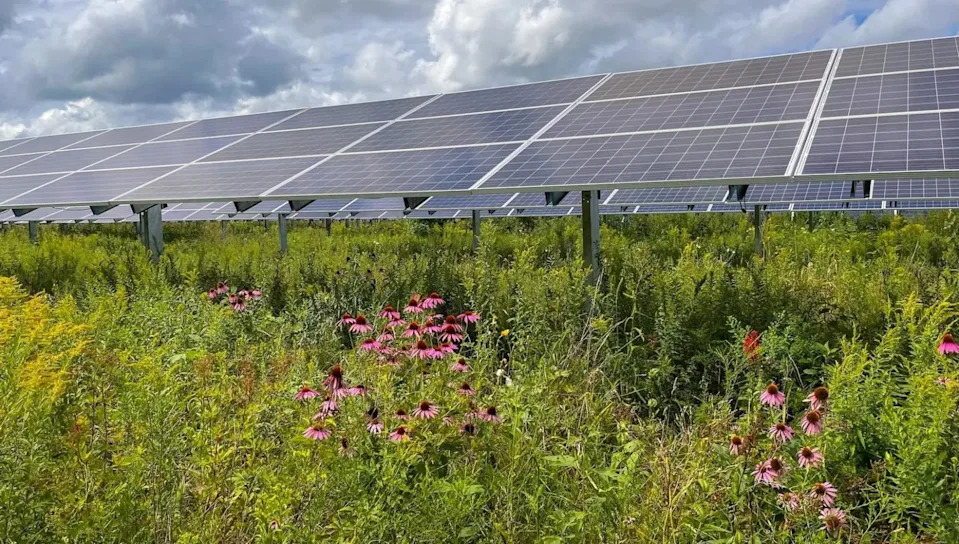
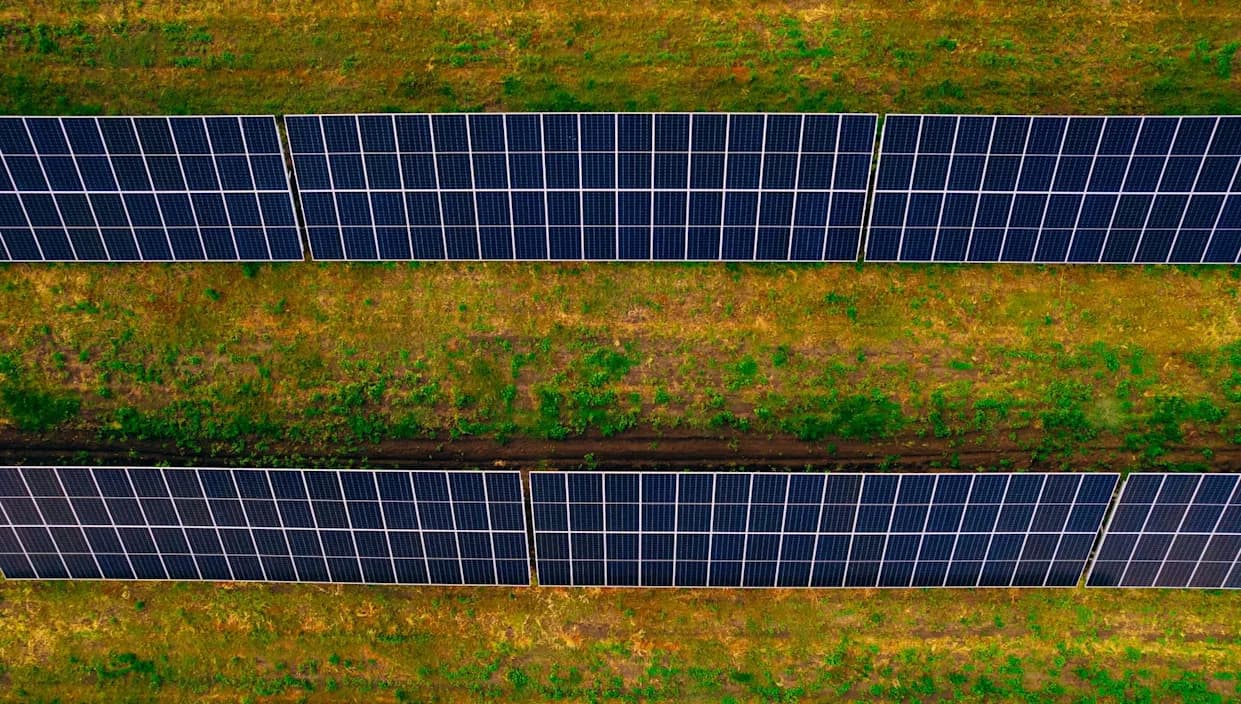
A solar project in Minnesota hosts native flowers. Courtesy of Lee Walston
Agrivoltaics: Growing Crops Under Panels
Solar arrays can also be combined with agriculture — "agrivoltaics" — where panels create a microclimate that can reduce crop heat stress and lower water use. Rooftop and field trials have shown robust yields for some crops, with water savings of roughly one-third compared with full-sun production. Researchers are exploring which high-value crops can most effectively offset solar installation costs.
Risks Of Conventional Clearing
By contrast, blade-and-grade clearing can expose soils to wind erosion, destroy root networks that stabilize ground, and create openings for invasive species that outcompete natives and provide less value to local pollinators.
The company behind Gemini, Primergy, did not respond to requests for comment. Still, the Gemini results and related studies suggest that thoughtfully designed solar developments can produce clean energy while enhancing biodiversity and agricultural opportunities.
Help us improve.