A Marine Mammal Science study reports a notable rebound in humpback whale numbers, with global estimates rising from about 10,000 historically to roughly 80,000 today. The recovery is linked to the 1986 international whaling ban and the species' ability to switch diets—shifting between krill and small fish as local conditions change. Researchers say more whales strengthen marine ecosystems and may help sequester carbon when whale carcasses sink to the deep sea. Sightings of blue whales and rare North Pacific right whales also offer cautious hope.
Humpback Whales Are Bouncing Back — Diet Flexibility and Protections Help Drive a Remarkable Recovery
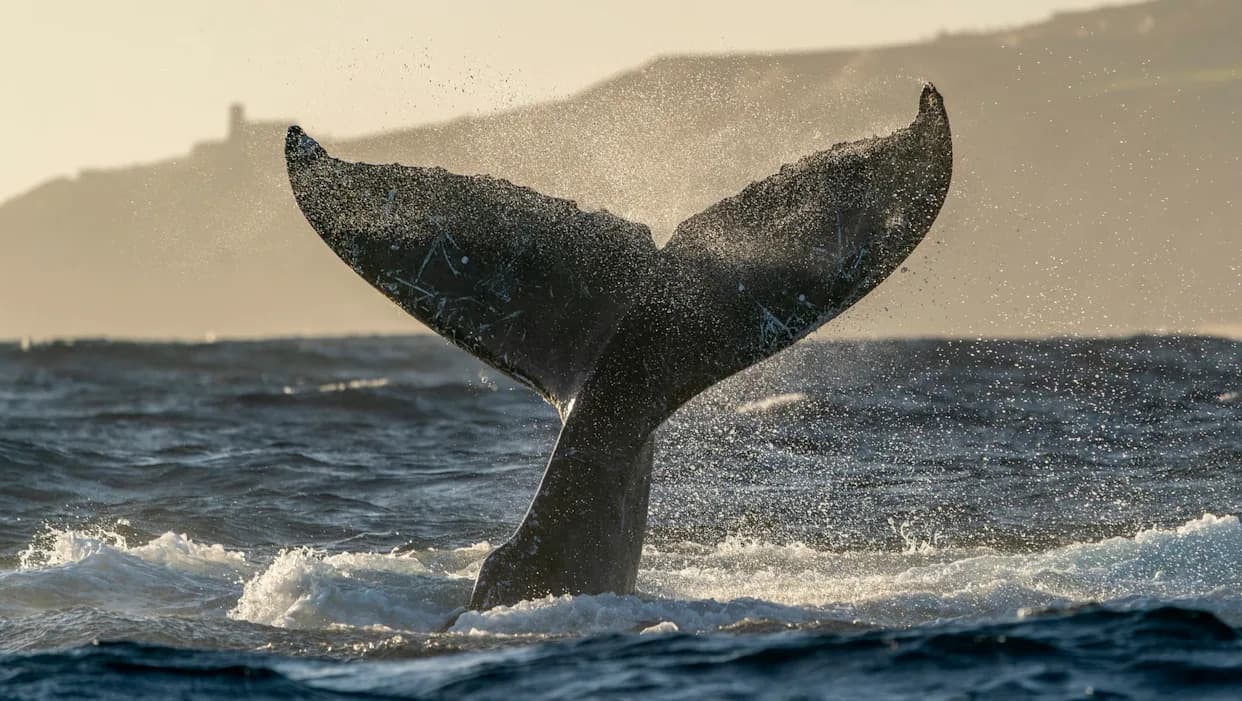
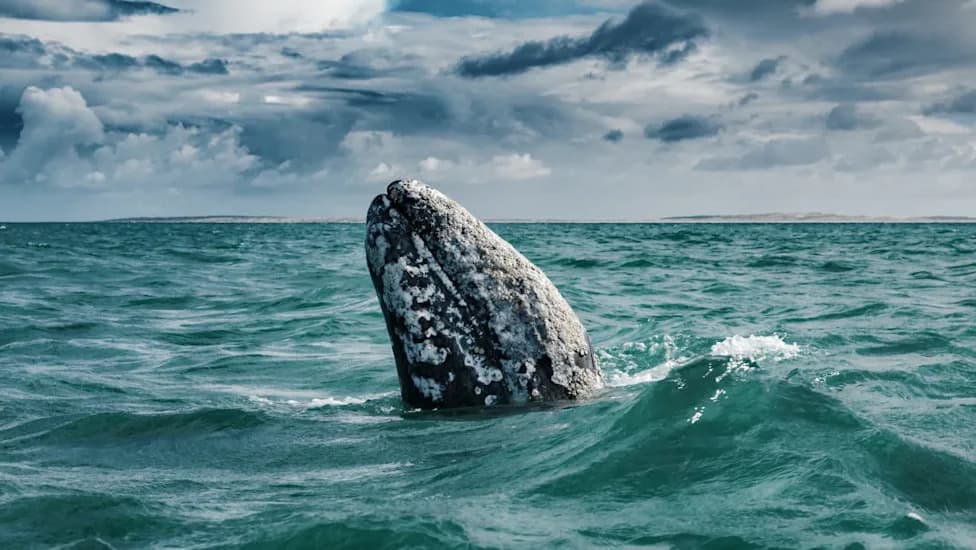
Photo Credit: iStock
A new study published in Marine Mammal Science finds encouraging signs that humpback whale populations are recovering across many regions. Researchers point to the international ban on commercial whaling and the species' dietary flexibility as important factors helping numbers rebound.
Study and Population Estimates
Exact global counts remain uncertain, but a press release from the University of Southern Denmark summarizes the paper's range: historical estimates put global humpback numbers as low as about 10,000 individuals; current estimates are roughly 80,000. Much of that recovery follows the 1986 international ban on commercial whaling, along with ongoing conservation and monitoring efforts.
Dietary Flexibility: Adapting to Local Food Availability
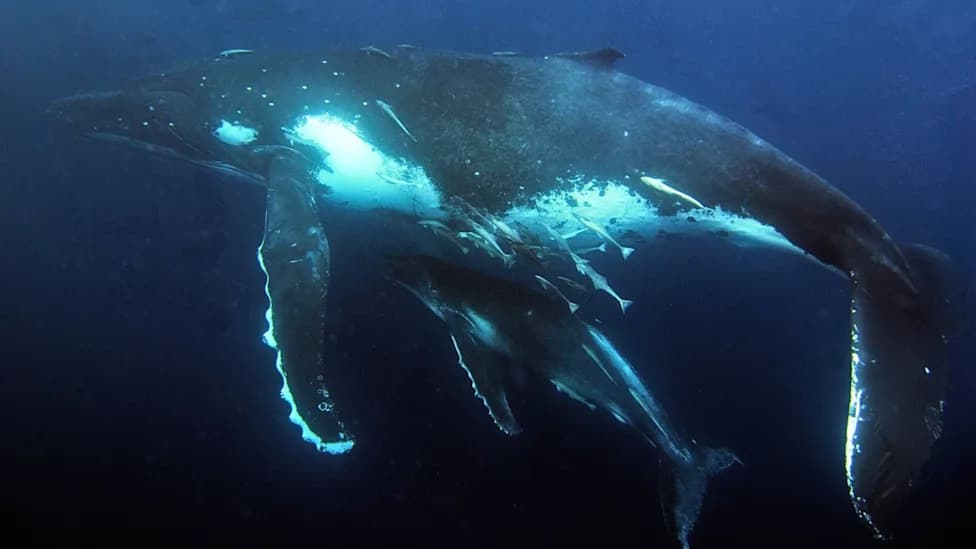
The study documents how humpbacks change their feeding strategies when local prey levels shift. Unlike some migratory baleen whales that follow dense prey patches across great distances, humpbacks often remain in favored feeding areas and switch prey as needed — for example, alternating between krill and small fish such as cod depending on availability. This behavioral flexibility appears to help individuals and populations persist when ocean conditions or prey distributions change.
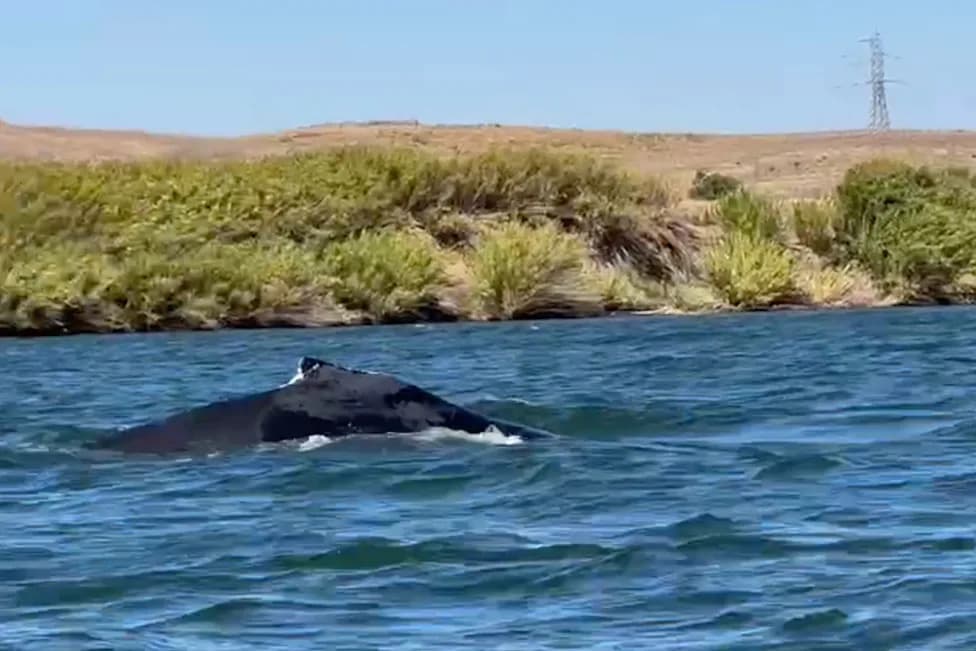
"Today, we see them almost every day when we're in the field," said Olga Filatova, a researcher at the University of Southern Denmark. "They're not fast, and they've got these big, clumsy flippers — but what they lack in speed, they make up for in creativity and willingness to eat whatever's available."
Ecosystem and Climate Benefits
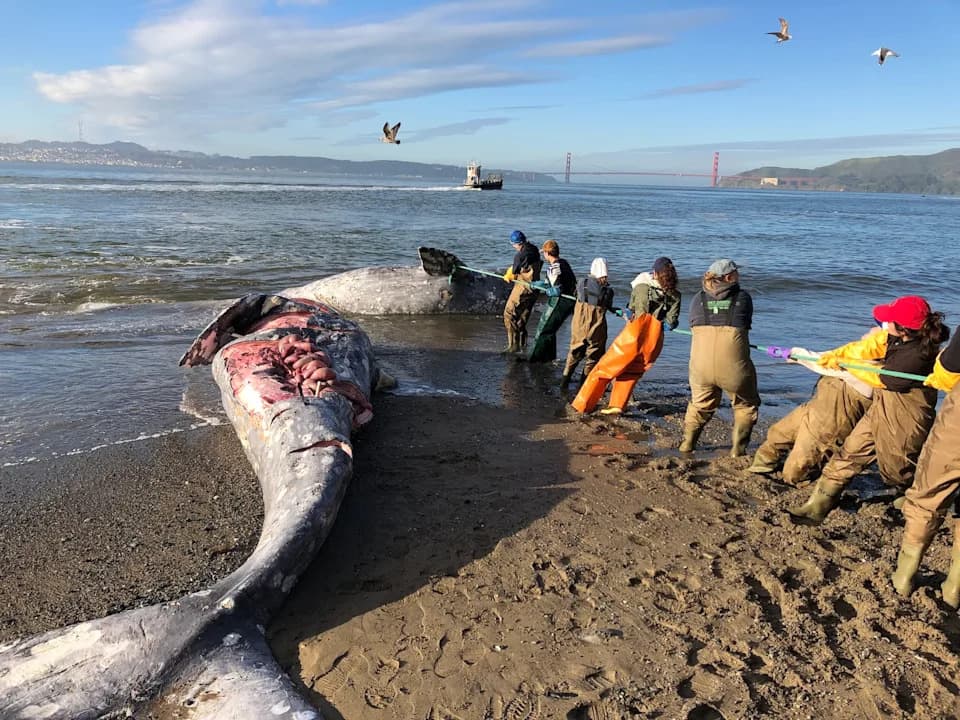
Growing whale populations can strengthen marine ecosystems. Increased biodiversity supports healthier, more resilient food webs and helps sustain fisheries and coastal communities. Whales also play a role in the ocean carbon cycle: by storing carbon in their bodies and, upon death, sinking to the deep sea (a process known as "whale fall"), they can transfer a portion of that carbon to long-term marine storage. Several conservation organizations and summaries (e.g., Daily Good) highlight this potential climate benefit, though the exact magnitude varies by species and region.
Broader Signs of Recovery
Beyond humpbacks, researchers report hopeful sightings of other large whales, including some blue whale recoveries in parts of their range and occasional observations of the rare North Pacific right whale. These signs are regionally specific and do not mean all whale populations have fully recovered — continued protection and monitoring remain critical.
What You Can Do
Learn about marine conservation, support policies that protect critical habitats, and share reliable information with friends and family to raise awareness. Individual actions and public engagement can help maintain momentum for ocean recovery.
Help us improve.