The Mojave Desert supports rare species such as the threecorner milkvetch, which can be harmed by conventional "blade-and-grade" solar construction. A study of the Gemini Solar Project near Las Vegas found milkvetch increased from 12 plants before development to 93 in 2024, suggesting seed banks survived gentler construction. Research in Minnesota also recorded large biodiversity gains — a sevenfold rise in flowering plant species and a 20-fold increase in native bees — showing ecovoltaics and agrivoltaics can boost habitat, pollinators and farmable crops while producing clean energy.
How Solar Farms Can Help — Not Harm — Rare Desert Plants
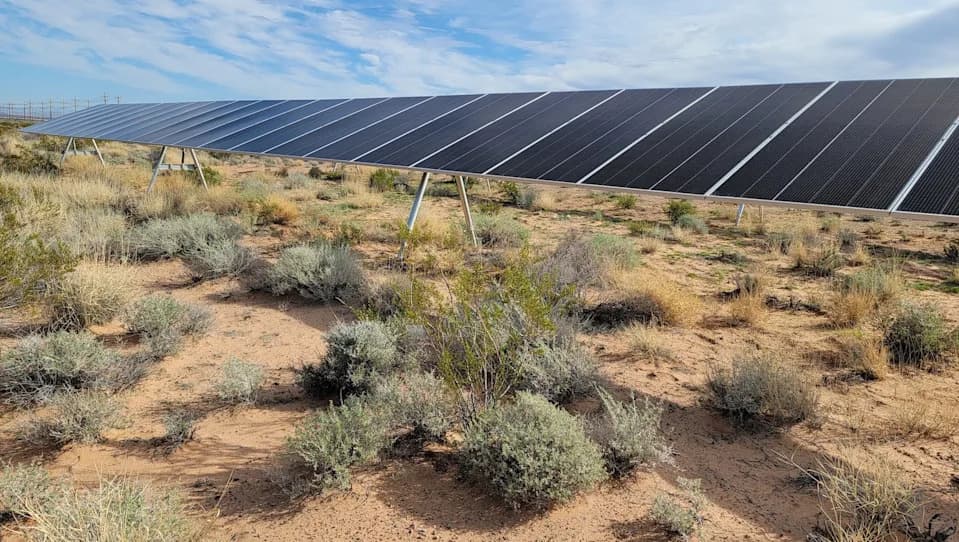
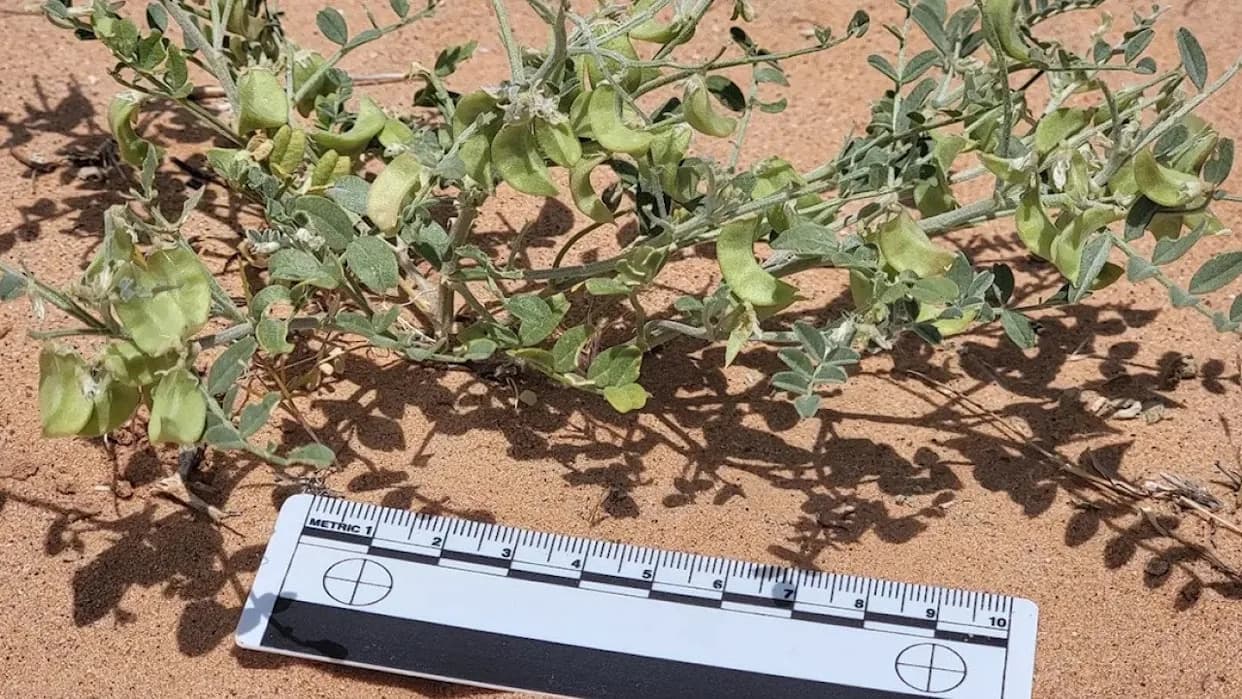
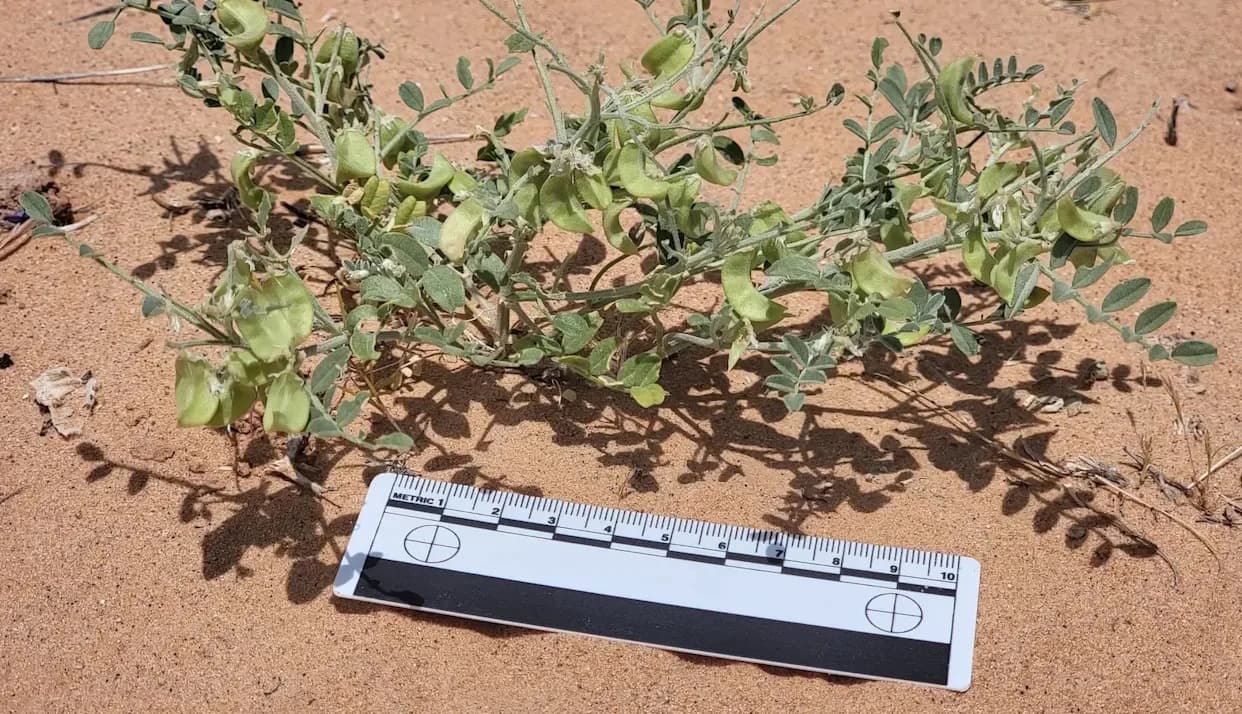
The Mojave Desert, often imagined as empty and barren, supports a surprising diversity of plants and animals — including the rare threecorner milkvetch. A low-growing member of the pea family, the milkvetch waits for seasonal rains to sprout, flower and reproduce, and it depends on intact seed banks in the soil to persist through harsh conditions.
A gentler approach at the Gemini Solar Project
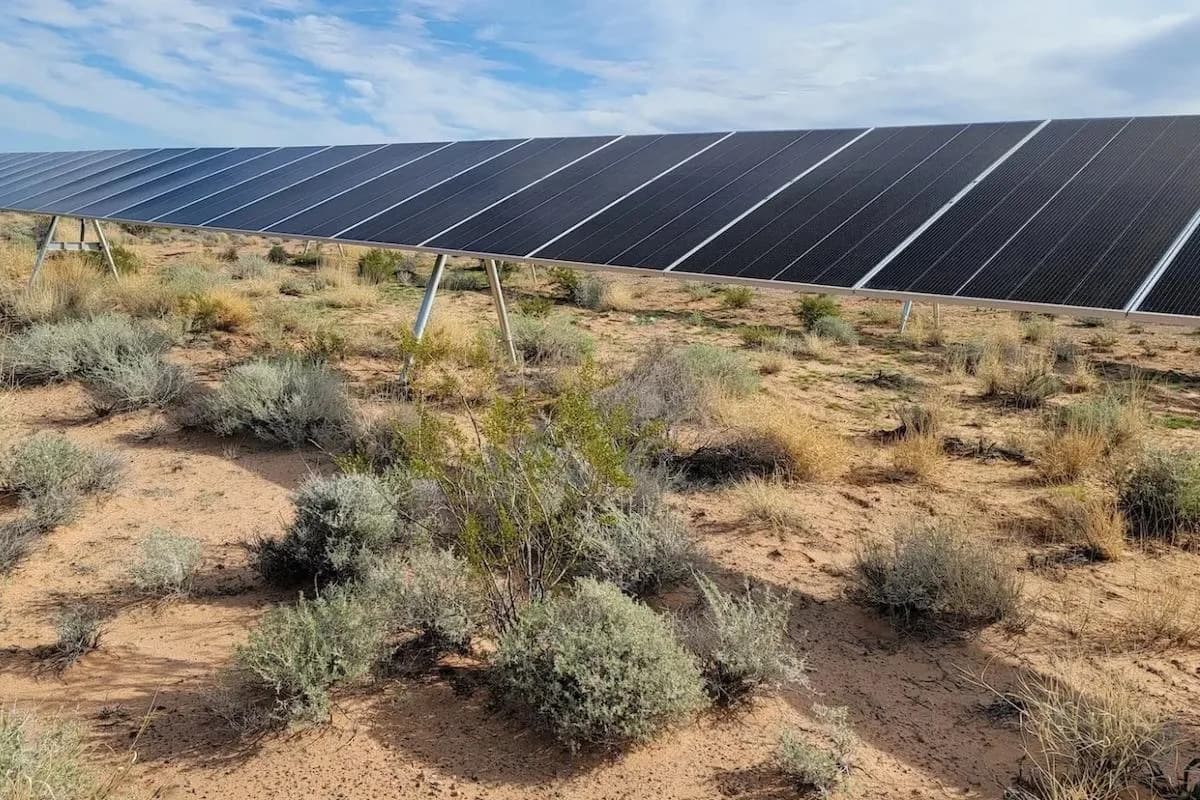
Traditional utility-scale solar construction often uses a "blade-and-grade" method that clears vegetation and evens the soil. That process can destroy seed banks and destabilize fragile desert ecosystems. Near Las Vegas, however, the Gemini Solar Project followed a different path. According to a recent study, the site supported 12 threecorner milkvetch plants before development and 93 plants in 2024, evidence that seeds survived construction and that plants have since grown larger and produced more flowers and fruit.
"There’s seedlings of so many other species coming up as well. And so the fact that the seed bank survived is phenomenal," said Tiffany Pereira, an ecologist at the Desert Research Institute and lead author of the paper.
Why panels can help plants
Solar panels can create a microclimate that reduces soil evaporation by shading the ground, leaving more moisture available for seedlings. In Gemini, milkvetch plants were generally larger and more fecund than in a nearby undeveloped plot — likely because the panels moderated temperature and water loss. But benefits vary by species and by where plants establish relative to panel arrays: in the Mojave, most threecorner milkvetch plants appeared in sunnier gaps between panels rather than directly beneath them.
Ecovoltaics: Designing solar with nature in mind
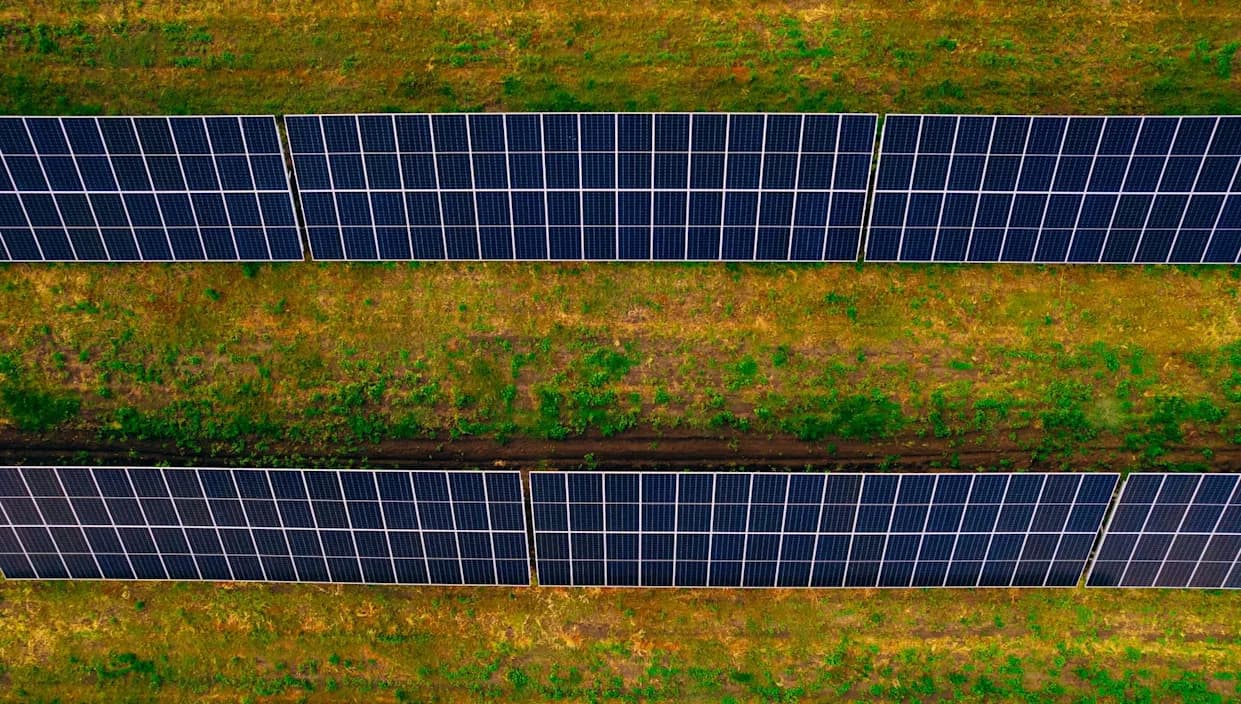
This strategy — often called ecovoltaics — avoids blade-and-grade construction, preserves seed banks, and restores native species by seeding soils with appropriate grasses and wildflowers. Research from Minnesota supports this approach: over five years at two former cropland solar sites, the number of unique flowering plant species increased sevenfold, insect pollinator abundance tripled, and native bees increased about 20-fold. Follow-up work across a dozen sites found grassland birds and bats were attracted to the panels, likely drawn by higher insect prey abundance.
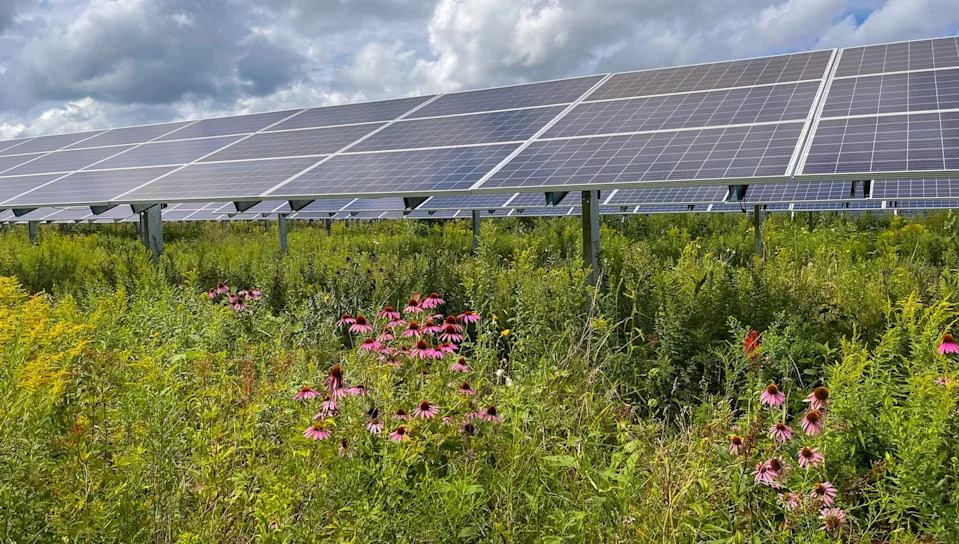
Lee Walston, an ecologist at Argonne National Laboratory, summarized the idea as a modern version of the "Field of Dreams" question: "If you build it, will they come?" In many cases, the answer has been yes — but results depend on thoughtful design and management.
Practical trade-offs and site management
Panel height, spacing and management practices matter. Taller panels allow taller native plants to thrive but increase construction costs. Some developers set heights to permit conservation grazing by sheep or goats, which can reduce invasive weeds and lower fire risk by removing dead biomass. Managed mowing or grazing can mimic historic disturbances (grazing by large herbivores and periodic fires) that many ecosystems evolved with, helping maintain prairie and grassland species.
Avoiding the blade-and-grade trap
When native plants are stripped away, soils lose stabilizing root networks and become vulnerable to wind erosion. Disturbed ground also invites fast-growing invasive plants that can outcompete natives and provide less value to native pollinators.
Agrivoltaics: Combining food and power
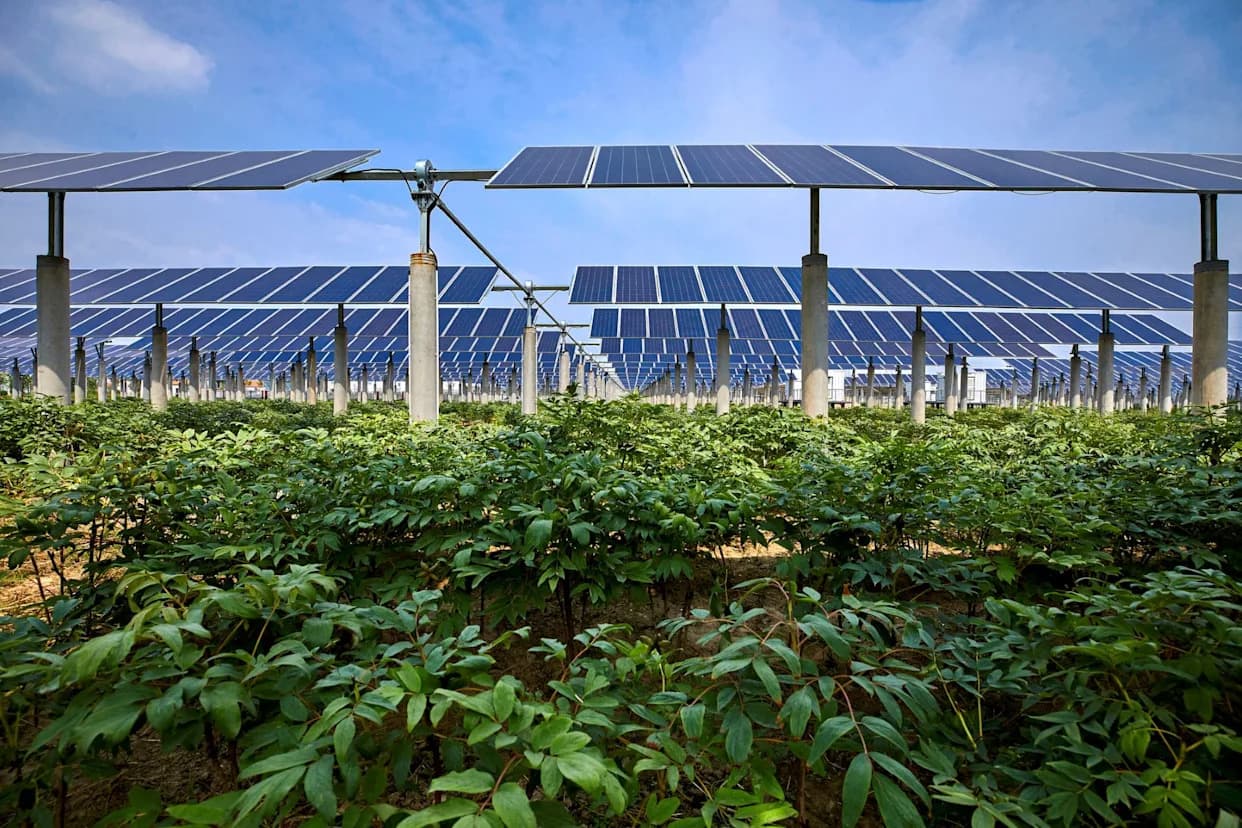
Arrays can also host crops in an approach called agrivoltaics. On rooftops and beneath panels, certain crops (for example, cucumbers in some trials) have thrived in the moderated microclimate while using roughly one-third the water required in full sun. Researchers are now identifying which high-value crops can reliably offset installation costs under different panel configurations.
"Rather than a moonscape of invasive species and dust blowing into cities, why not strive for something better? It’s a wild and beautiful place that we live in, and it’s our job to look out for these species as well," Pereira said.
Careful siting, panel design, and management make it possible for solar energy projects to generate clean power while supporting biodiversity, pollinators and even productive agriculture — turning potential ecological harm into an opportunity for restoration.
Help us improve.