A Nature Communications study found sediment plumes from deep-sea mining can produce particles that match the size of plankton food but contain very little protein and amino acids — effectively "junk food" for plankton. Samples from the Clarion-Clipperton Zone (800–1,500 m) suggest these nutrient-poor particles could cascade through food webs, threaten fisheries, and impair the ocean’s carbon sequestration. The authors call for stricter oversight of waste discharge, more research, and a precautionary pause on commercial mining.
Study: Deep-Sea Mining Waste Becomes “Junk Food” for Plankton — With Big Ecosystem Risks

A new study published in Nature Communications warns that sediment plumes produced by deep-sea mining can create particles that are nearly identical in size to plankton food but are chemically poor — effectively "junk food" for the tiny organisms that support ocean food webs.
What the Study Found
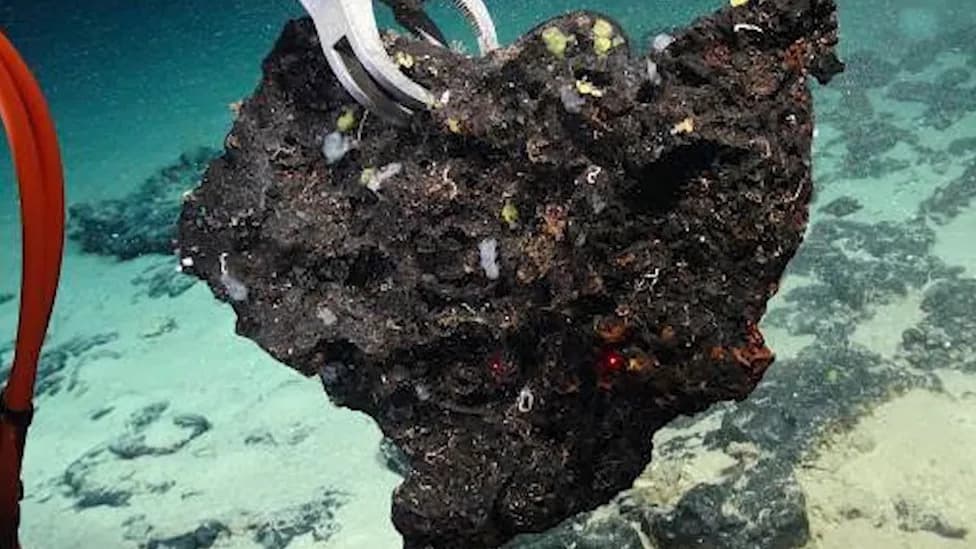
Researchers from the University of Hawaiʻi at Manoa sampled water, sediment and plankton in the Clarion-Clipperton Zone (CCZ), a Pacific region rich in polymetallic nodules that is a prime target for commercial mining. During expeditions in 2021 and 2022 they collected material from midwater depths between about 800 and 1,500 meters — a zone where many midwater plankton normally feed on nutrient-dense organic particles roughly six micrometers across.
When the team examined material from a sediment plume produced by a pilot mining test, they discovered many suspended particles that matched the size of the plankton’s natural prey but contained very low levels of protein and amino acids. The study’s chemical analyses led co-author Brian Popp to summarize the plume particles as "basically junk food."
"[The plume particles] were basically junk food," said Brian Popp, a co-author quoted in ScienceNews.
Why This Matters
Plankton and other midwater organisms form the base of marine food chains. If they ingest nutrient-poor sediment instead of organic prey, the consequences could ripple upward — reducing growth and survival of small fish, altering predator populations, and weakening ecosystem resilience.
There are also human implications. Coastal communities that depend on steady fisheries for food and livelihoods could face lower or more variable catches if the midwater (twilight-zone) food web is altered. In addition, midwater organisms play a critical role in the biological carbon pump, the process that transports carbon from the surface into the deep ocean. Disrupting their abundance or feeding behaviour could impair the ocean’s capacity to sequester carbon and help regulate climate.
Recommendations and Actions
The authors call for stronger international oversight of mining waste discharge, more targeted studies of midwater impacts, and precautionary measures until robust environmental protections are in place. Dozens of countries have already urged the International Seabed Authority (ISA) to consider a moratorium on commercial deep-sea mining while research and regulation catch up.
Meanwhile, the study recommends consumer-level steps that can help reduce demand for new seabed mining: recycle electronics, opt for refurbished devices when practical, and support companies committed to responsible sourcing of critical materials.
Bottom Line
The research highlights an underappreciated risk: mining-generated plumes may look like food to midwater creatures but offer little nutrition, potentially destabilizing food webs and weakening the ocean’s climate functions. The study strengthens the case for cautious, science-based policy before large-scale mining proceeds.
Help us improve.