Many reptiles determine sex by nest temperature rather than chromosomes. Rising global temperatures are already producing strongly skewed sex ratios — for example, predominately female green sea turtles at Cyprus's Alagadi Beach and male-biased outcomes in some crocodilians — which can reduce mating opportunities and elevate extinction risk. Some species are shifting nesting timing or choosing cooler sites, but habitat limits and long maturation times constrain how fast they can adapt. Conservation tools such as shading nests, relocating clutches, and protecting habitat can help, but island-restricted species like the tuatara face especially severe threats.
Rising Temperatures Are Skewing Reptile Sex Ratios — And Threatening Species

Newly hatched green sea turtles climb across the sand at Alagadi Beach on the island of Cyprus. The high temperatures of the turtle nests there produce broods that are almost entirely female.Laura Boushnak/AFP via Getty Images
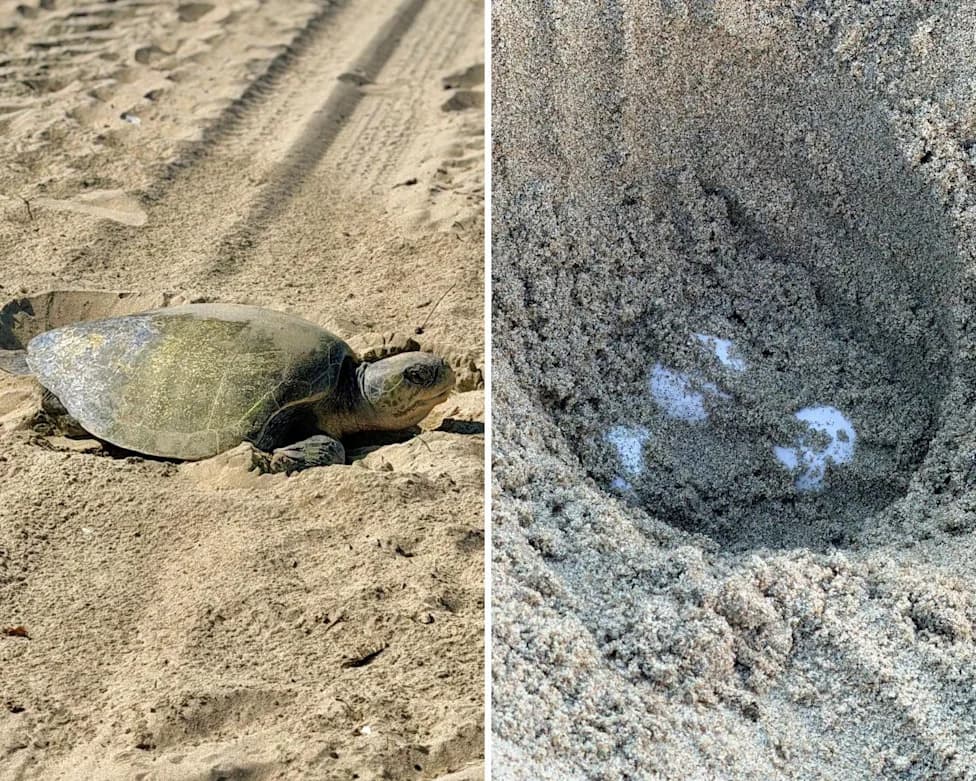
Under starless skies a green sea turtle hauls herself from the surf onto Alagadi Beach on Cyprus's northern coast. Untroubled by predators, she climbs up the sand until she finds a suitable spot and begins to dig a deep chamber. In a trance-like focus she deposits roughly 100 wet, leathery eggs and spends hours covering them before returning to the sea. She will never know that, on this beach, nearly all of her hatchlings will be female.
How Temperature Controls Sex
Many reptiles do not use sex chromosomes the way mammals do. Instead, their developing embryos respond to nest temperature — a phenomenon called temperature-dependent sex determination (TSD). For green sea turtles, incubation near a pivotal temperature of about 29 degrees Celsius tends to produce an approximately 50:50 mix of males and females; warmer nests push broods strongly toward females. At Alagadi, dark sand frequently warms to 33–34°C, producing overwhelmingly female clutches.
Different Groups, Different Responses
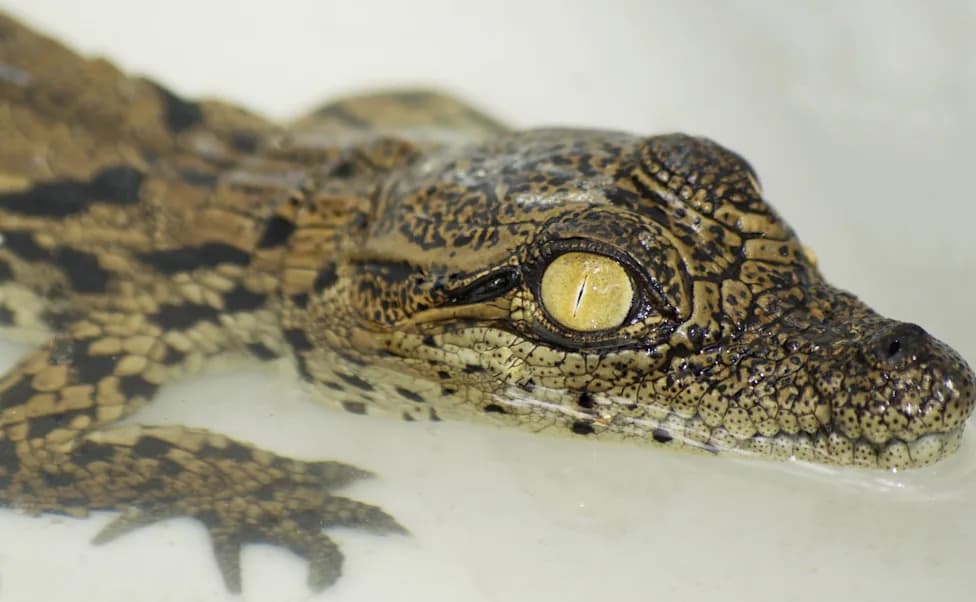
TSD occurs across most turtles, all crocodilians (crocodiles and alligators), some lizards and the tuatara of New Zealand. But temperature effects are not uniform: warmer conditions usually make more female turtles, while many crocodilians produce more males at higher incubation temperatures. Researchers have warned that some alligator populations could become nearly single-sex by 2100 if warming trends continue.
Why Skewed Ratios Matter
Strongly biased sex ratios reduce mating opportunities, increase the risk of inbreeding and can accelerate population decline, especially for species already stressed by habitat loss, pollution or human interference. Long generation times — American alligators may not breed until ~16 years old; some sea turtles take up to ~40 years; tuatara roughly 13 years — make it difficult for populations to recover quickly from multi-decade imbalances.

Baby American alligators bask in Florida’s Big Cypress National Preserve. Scientists have predicted that entire generations of alligators could be nearly single-sex by 2100.Troy Harrison/Getty Images
Research Challenges And Surprising Complexity
Despite years of study, scientists still lack a full explanation for why temperature determines sex, or why identical incubation conditions sometimes produce mixed-sex broods. Field studies are also difficult because hatchling sex can be hard to determine without waiting months for external traits to appear, or using lethal laboratory dissections. In lizards, the picture is especially complex: some species use chromosomes, some rely on temperature, and in some cases heat can override genetic sex.
Behavioral Shifts And Their Limits
There is evidence many reptiles are adjusting behaviorally. At Alagadi, green sea turtles have begun nesting about one day earlier per year since the 1990s; loggerheads at the same site arrive roughly 0.5 days earlier per year. North American freshwater turtles, such as some slider populations, now nest weeks earlier than they did decades ago. Experimental work shows nesting females can choose shade or nest depth to influence incubation, but such behavioral flexibility only helps when suitable habitat and resources exist.
Case Study: Tuatara And Island Vulnerability
The tuatara, an ancient reptile endemic to small New Zealand islands, illustrates acute risk. These animals use a crocodilian-style TSD (warmer nests produce males). Confined to about 32 small islands and facing introduced predators, rising seas and storms, some tuatara populations are becoming predominantly male. With slow maturation and strong site fidelity for nesting, island-restricted species have few options for escape.
Conservation Responses
Conservationists are testing interventions: shading nests, relocating or cooling nests, creating artificial nesting habitat (for example, adding decaying logs or shade cover), and protecting beaches from plastic and debris that retain heat. Long-term monitoring projects — like the Society for the Protection of Turtles program in Cyprus — are critical for tracking trends and evaluating responses. Still, managers face trade-offs: warmer nests may accelerate growth and earlier maturity in some cases, but very high temperatures can reduce hatch success or eliminate one sex entirely.
Bottom line: Warming climates are already reshaping the sex ratios of many reptiles. Behavioral flexibility offers some hope, but effective conservation will require habitat protection, active nest management, and sustained monitoring — especially for island-bound and slow-to-mature species.
Photo credit: Laura Boushnak/AFP via Getty Images (green sea turtle hatchlings on Alagadi Beach)
Help us improve.