Southern Florida endured several days with temperatures below 50°F, forcing iguanas from trees and prompting alligators to brumate. Despite this, invasive Burmese pythons in the Everglades are persisting — and a 2023 USGS report found genomic changes and behavioral adaptations that could improve cold tolerance. Biologists have observed pythons using burrows for shelter, and officials warn the snakes may be able to tolerate climates north of their current range; state control efforts, including an annual python hunt, continue.
Florida Cold Snap Threatens Native Reptiles — Invasive Burmese Pythons Appear To Be Adapting
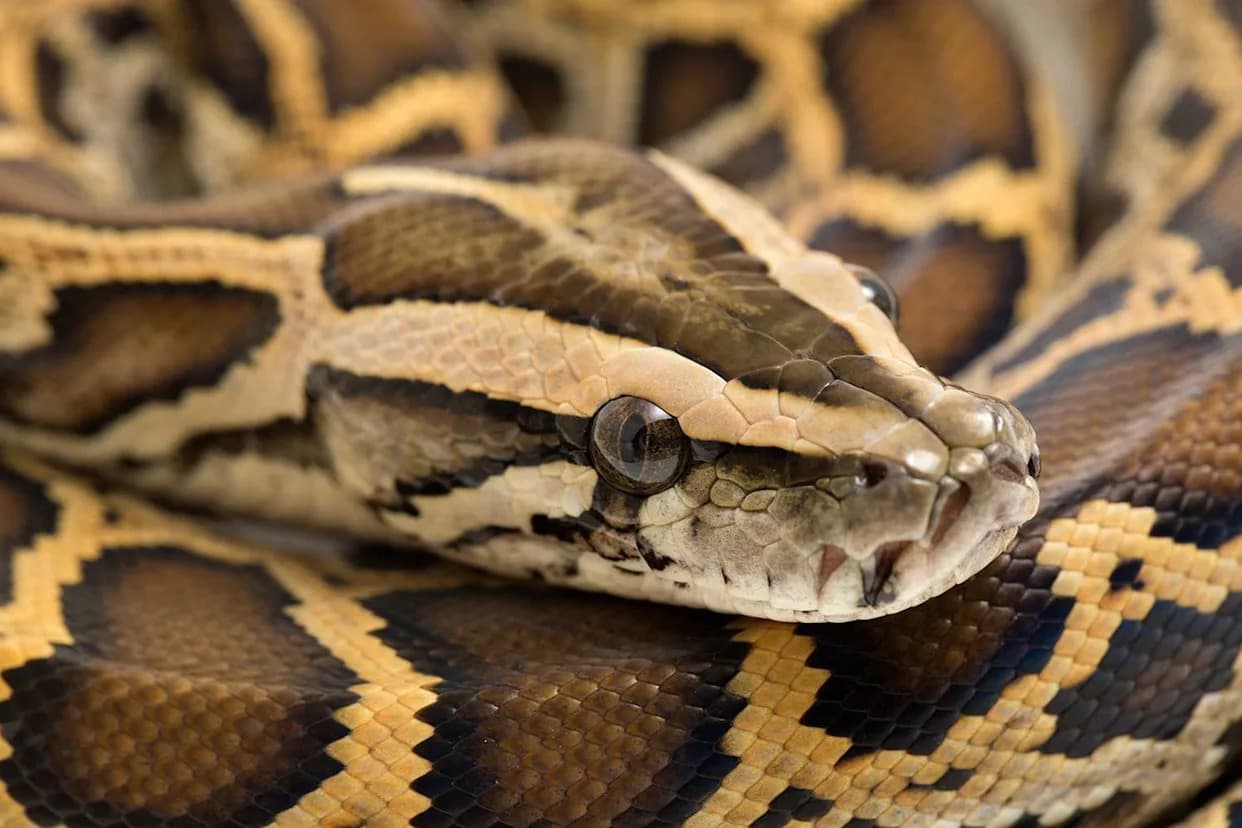
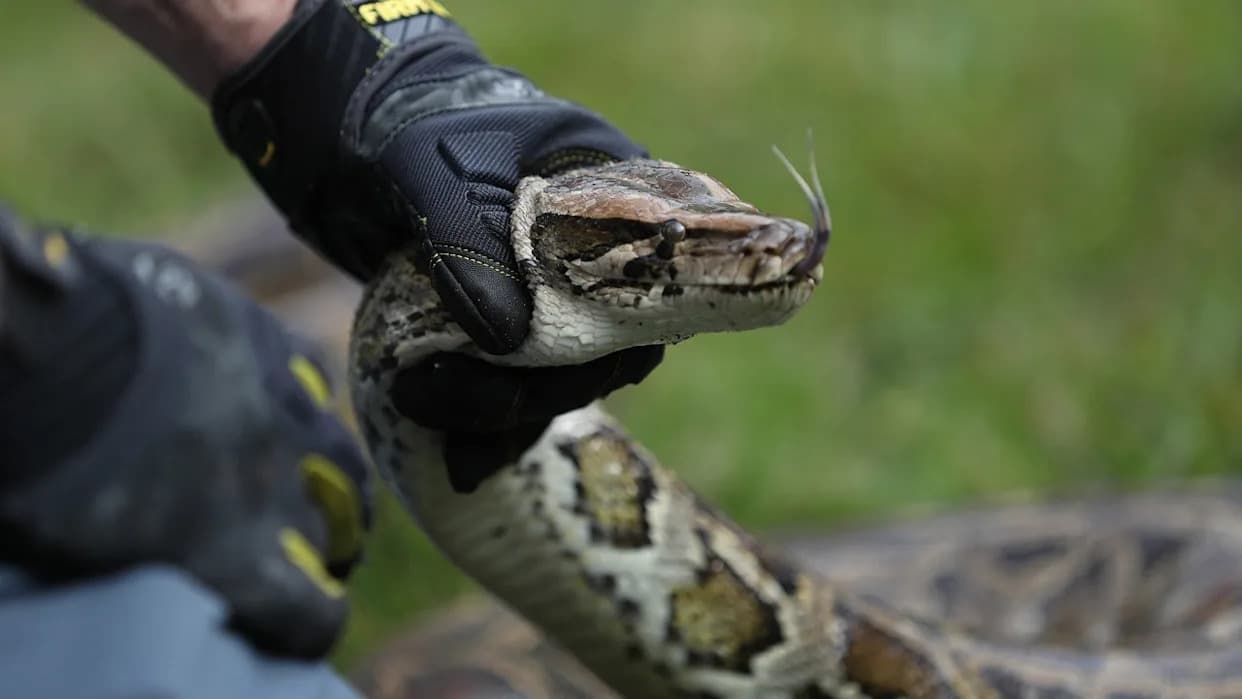
Stock image of a burmese pythonGetty
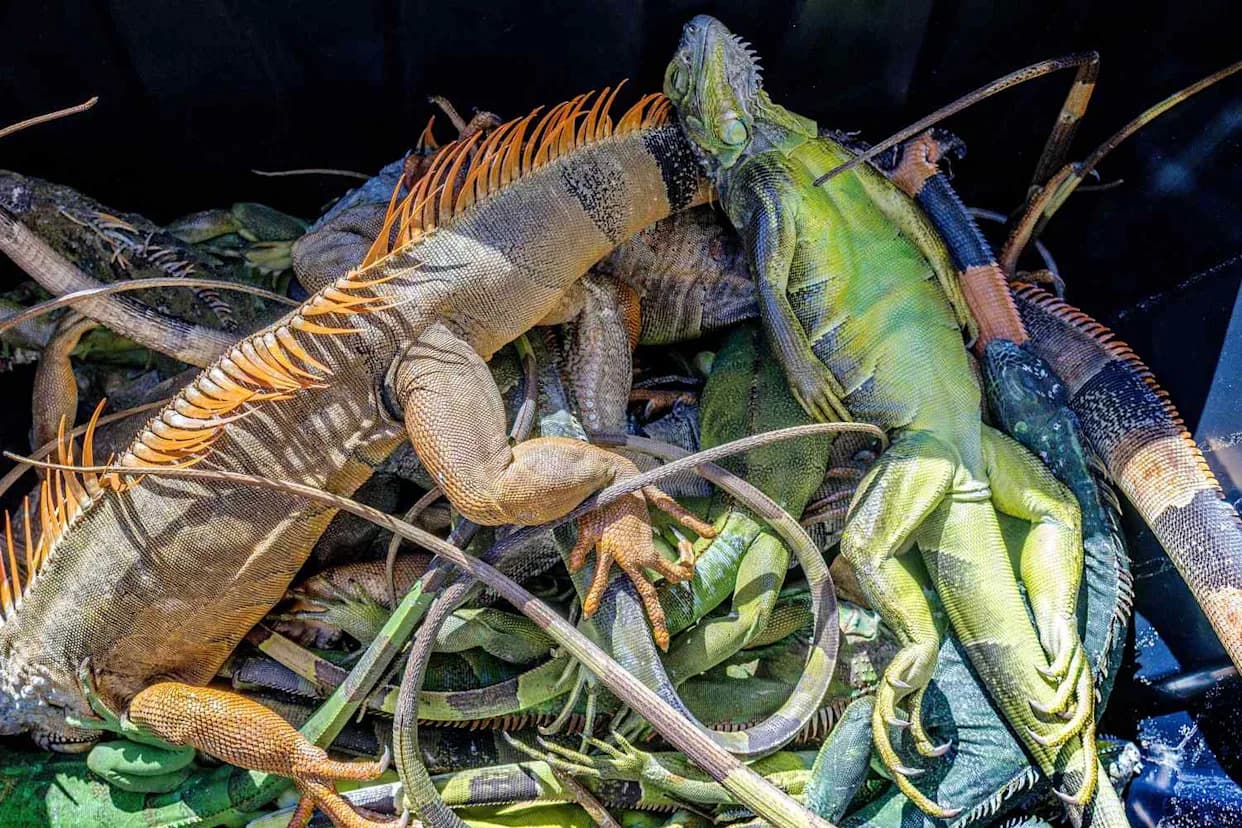
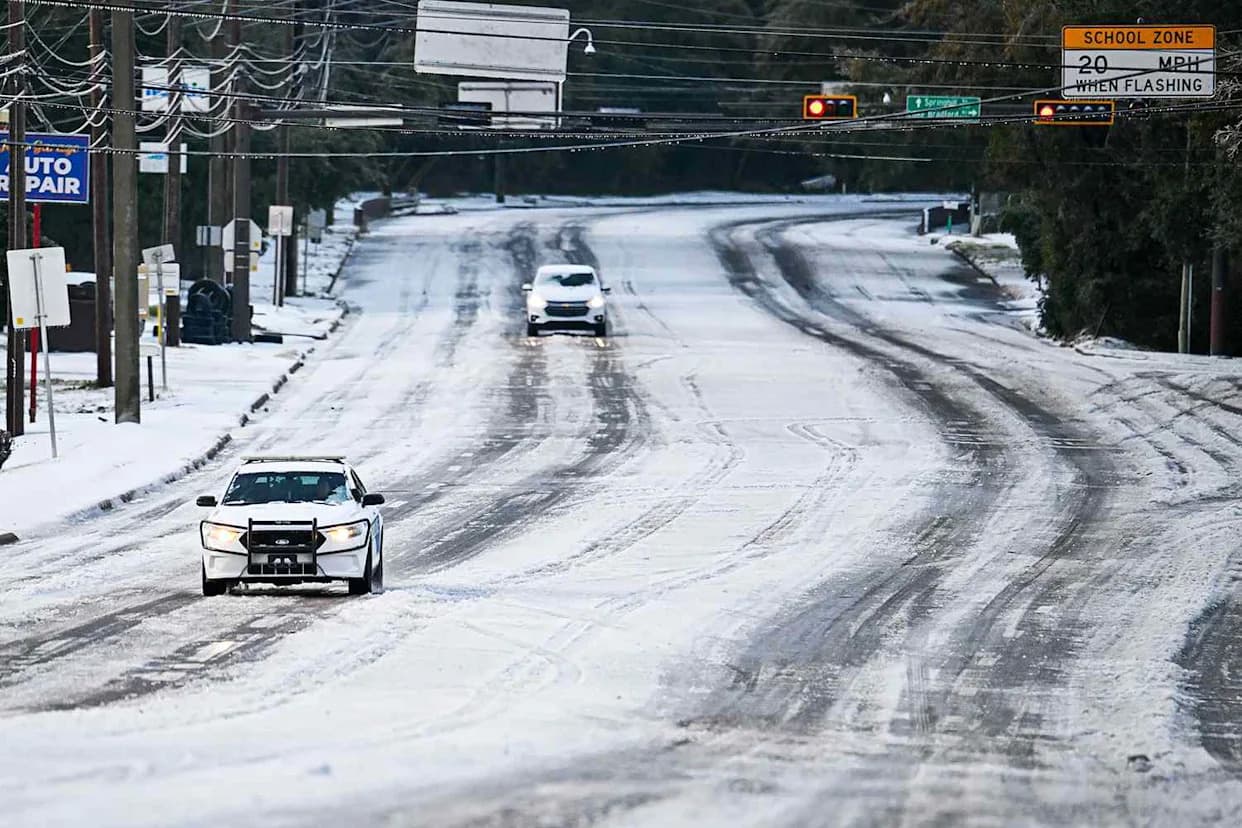
Southern Florida recently experienced several days of unusually cool weather, with temperatures dipping below 50°F for hours. The cold snap visibly affected native reptiles — iguanas fell from trees and alligators largely stopped feeding — yet invasive Burmese pythons in the Everglades appear to be persisting, and new evidence suggests they may be becoming more cold-tolerant.
Cold Impacts On Native Species
Reports from local outlets including the Naples Daily News and The News-Press describe how brief periods of sub-50°F conditions forced cold-blooded animals into stress responses. Alligators typically enter a hibernation-like state called brumation when water or air temperatures fall below about 55°F, greatly reducing activity and feeding.
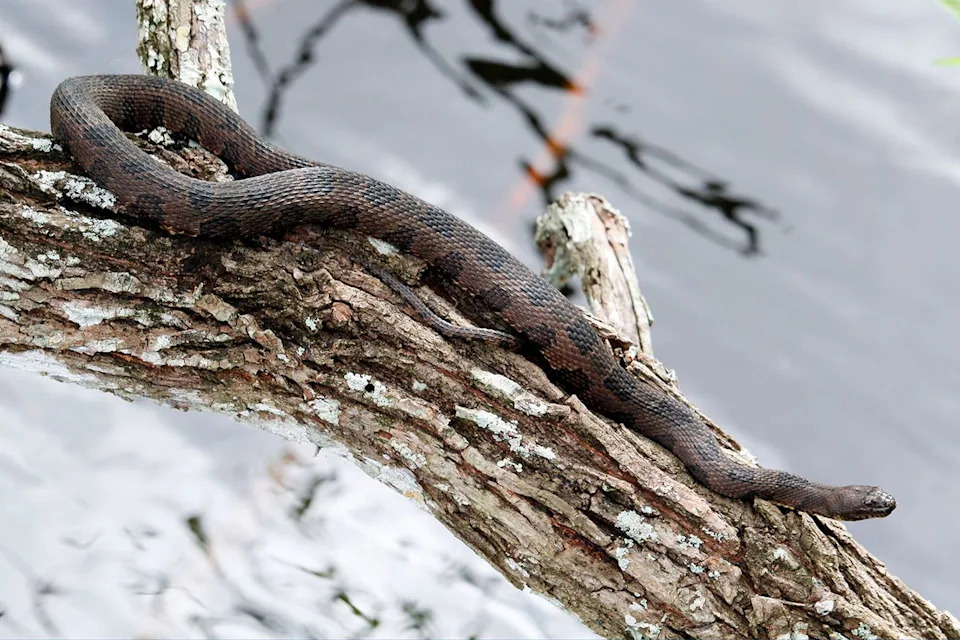
Stock image of a python in FloridaGetty
Why Burmese Pythons Are Noticing Scientists
Burmese pythons (native to Southeast Asia) likely established a large population in southern Florida through the exotic pet trade and releases or abandonments. Like other ectotherms, these snakes normally fare poorly with prolonged exposure to temperatures below roughly 65°F. However, field observations and recent research suggest Florida pythons are showing behavioral and possibly genetic adjustments that improve their chances during cold events.
"In their native range, Burmese pythons are subtropical reptiles and are cold-sensitive animals," said Ian Bartoszek, Environmental Science Coordinator at the Conservancy of Southwest Florida. "Freezing temperatures can be lethal to pythons. Conservancy biologists have observed pythons using gopher tortoise and armadillo burrows to seek refuge from cold events."
A 2023 United States Geological Survey (USGS) report found evidence that portions of the Florida pythons' genome associated with cold tolerance have already been altered by evolutionary change. The report also noted the potential for behavioral plasticity — such as seeking burrows or other microhabitats — to enhance cold tolerance. Taken together, these findings raise the possibility that pythons could tolerate climates farther north than their current stronghold south of Lake Okeechobee.
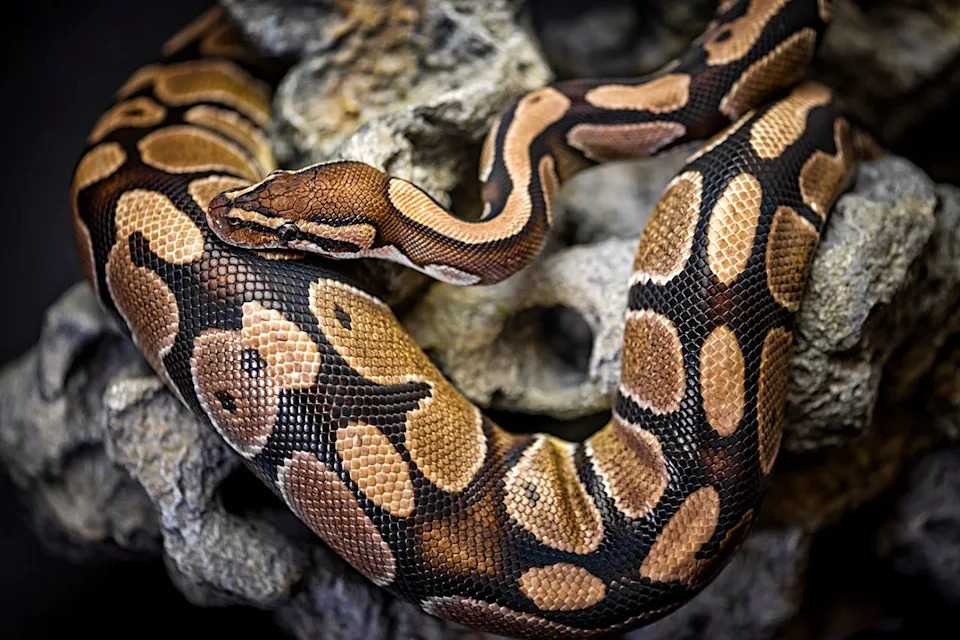
Stock image of Burmese python Getty
Ecological and Management Context
Burmese pythons are nonvenomous and typically reach 10 to 16 feet as adults. They now occupy more than a thousand square miles of South Florida and have relatively few natural predators. These snakes prey on a wide range of native wildlife and have been linked to declines in several species; a 2012 study cited declines among foxes, cottontail rabbits, raccoons and bobcats.
State and local authorities continue efforts to limit python populations and expansion, including organized removal programs and an annual python hunt. Biologists say continued monitoring is critical to understand how cold-weather events and potential genetic or behavioral changes will affect python survival and range over time.
Sources: Naples Daily News, The News-Press, Conservancy of Southwest Florida, USGS (2023), and related scientific literature.
Help us improve.