Researchers measured underwater hearing in critically endangered Kemp’s ridley sea turtles by recording auditory nerve signals while playing tones from 50 to 1,600 Hz. The turtles showed peak sensitivity around 300 Hz, a band that overlaps with noise from vessels and offshore industry. Detection of sound does not automatically mean harm; impacts depend on level, duration, distance and context. These results provide a basis for follow-up studies to assess behavioral and conservation implications.
Tiny Kemp’s Ridley Turtles Hear Ship and Offshore Noise — Study Measures Their Underwater Hearing
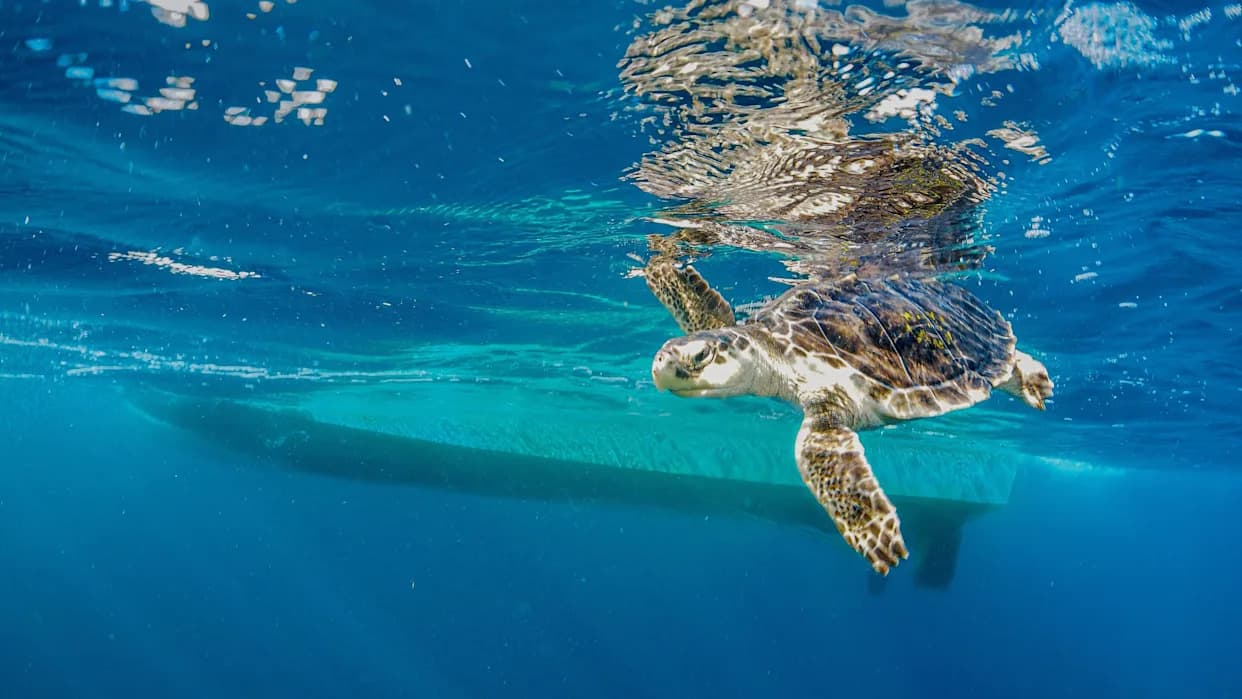
Kemp’s ridley sea turtles are among the most endangered sea turtles on the planet, residing in the highly trafficked eastern and Gulf coasts of North America. Understanding how the noise produced by human activities affects them can help inform conservation efforts.
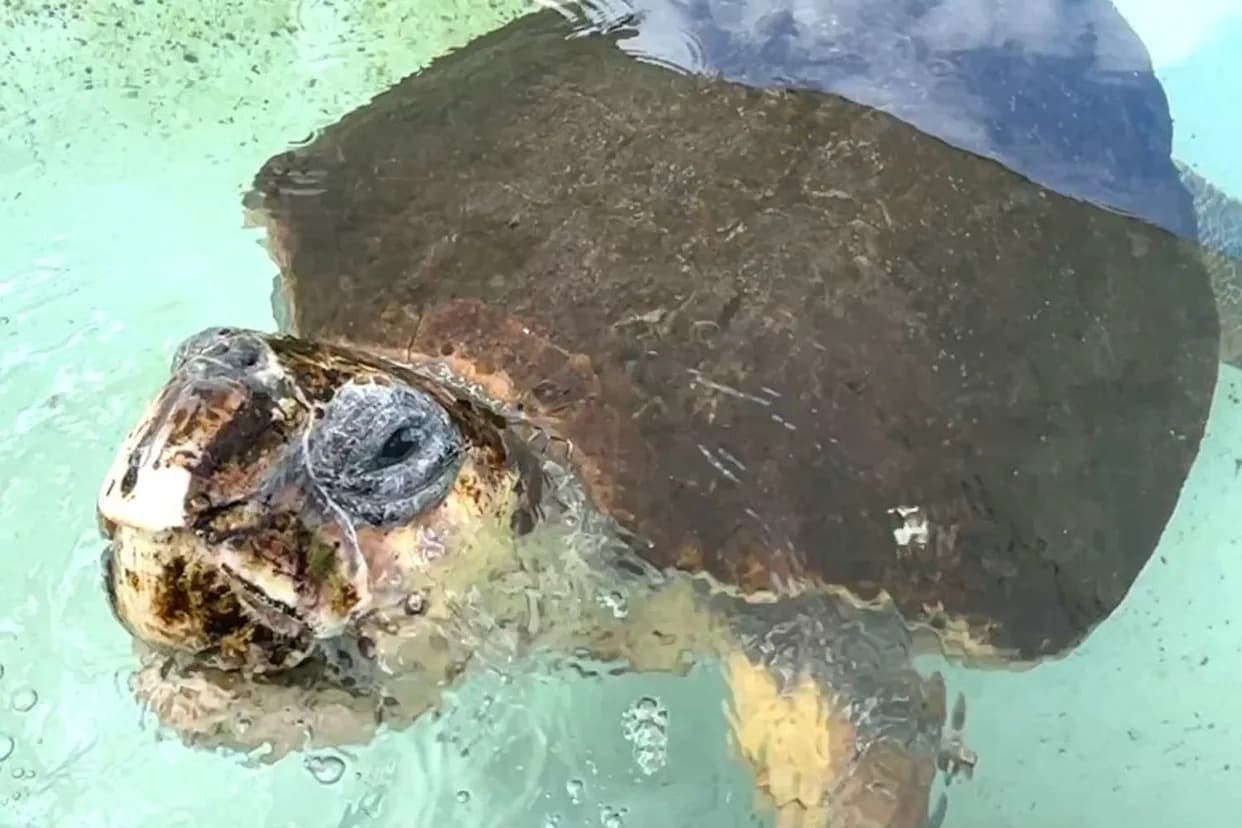
The world’s smallest sea turtle, the Kemp’s ridley (Lepidochelys kempii), is facing another potential threat: increasing underwater noise. These relatively small turtles — typically 75 to 100 pounds and mostly found in the Gulf of Mexico — already contend with fishing-gear entanglements, boat strikes, plastic pollution and habitat loss. New research shows they can detect low-frequency sounds common to vessel and offshore industrial activity, raising questions about how human noise may affect this critically endangered species.
How the study was done
A team led by researchers at Woods Hole Oceanographic Institution recorded electrical signals from the turtles’ auditory nerves while playing tones between 50 and 1,600 hertz. The sensors were attached to the turtles’ heads and measured the animals’ neural responses to each frequency. These measurements allowed the scientists to estimate hearing sensitivity across the tested range.
What they found
The recordings showed peak hearing sensitivity at roughly 300 hertz, with sensitivity declining at higher frequencies. That peak falls within a low-frequency band that contains much of the noise produced by human ocean activities — for example, vessel traffic and oil-and-gas operations — suggesting Kemp’s ridleys are capable of detecting many of those sounds.
"Understanding hearing ability is a fundamental step in determining whether human-generated noise could affect a species," says Charles Muirhead, co-author of the study and a researcher in WHOI’s Sensory Ecology and Bioacoustics Lab. He notes that detection alone does not prove harm: the effect of noise depends on sound level, exposure duration, distance to the source and the ecological or behavioral context.
Why this matters for conservation
Knowing which frequencies these turtles hear best gives researchers a foundation for follow-up studies that can test behavioral and physiological effects of specific noises. Those studies can then inform mitigation strategies — for example, shipping-route adjustments, speed limits, or timing restrictions during sensitive life stages — to reduce harmful exposures.
More broadly, Muirhead emphasizes that hearing is only one piece of how animals perceive and interact with their environment; combined sensory and behavioral studies will be essential to design effective conservation measures for Kemp’s ridley turtles.
Help us improve.