On Dec. 14, 1911, Roald Amundsen and four companions became the first to reach the geographic South Pole, planting the Norwegian flag after a carefully executed sledging expedition. Robert Falcon Scott arrived 35 days later and, on the return journey, perished with his party; their bodies were found in November 1912. Amundsen’s success is attributed to a shorter route, Inuit-style clothing, lighter sledges, careful depots and pragmatic food strategies, while Scott’s failure likely reflected harsh weather and logistical problems.
Roald Amundsen Reaches the South Pole — Scott's Party Perishes on the Return (Dec. 14, 1911)

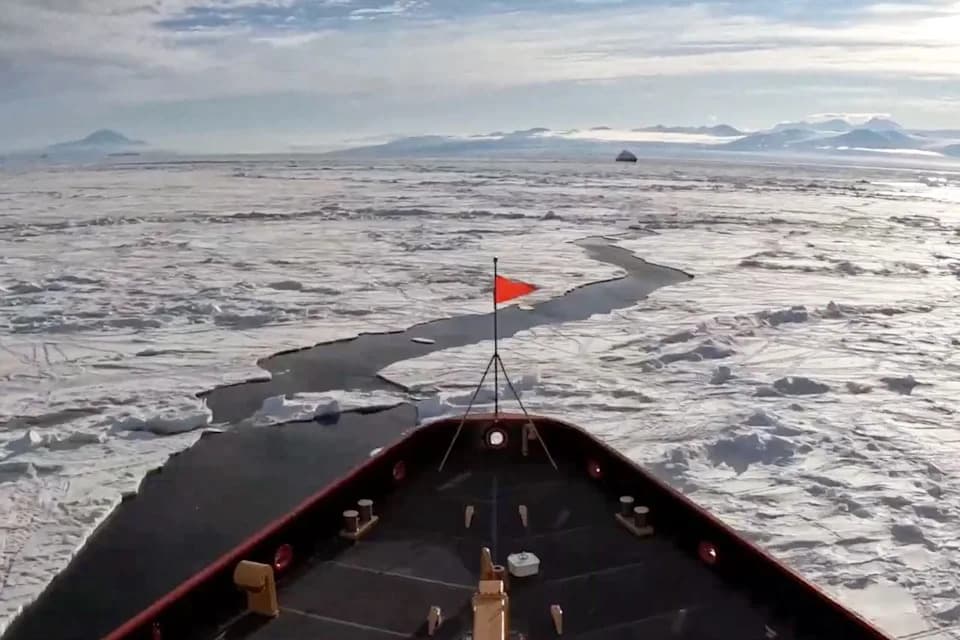
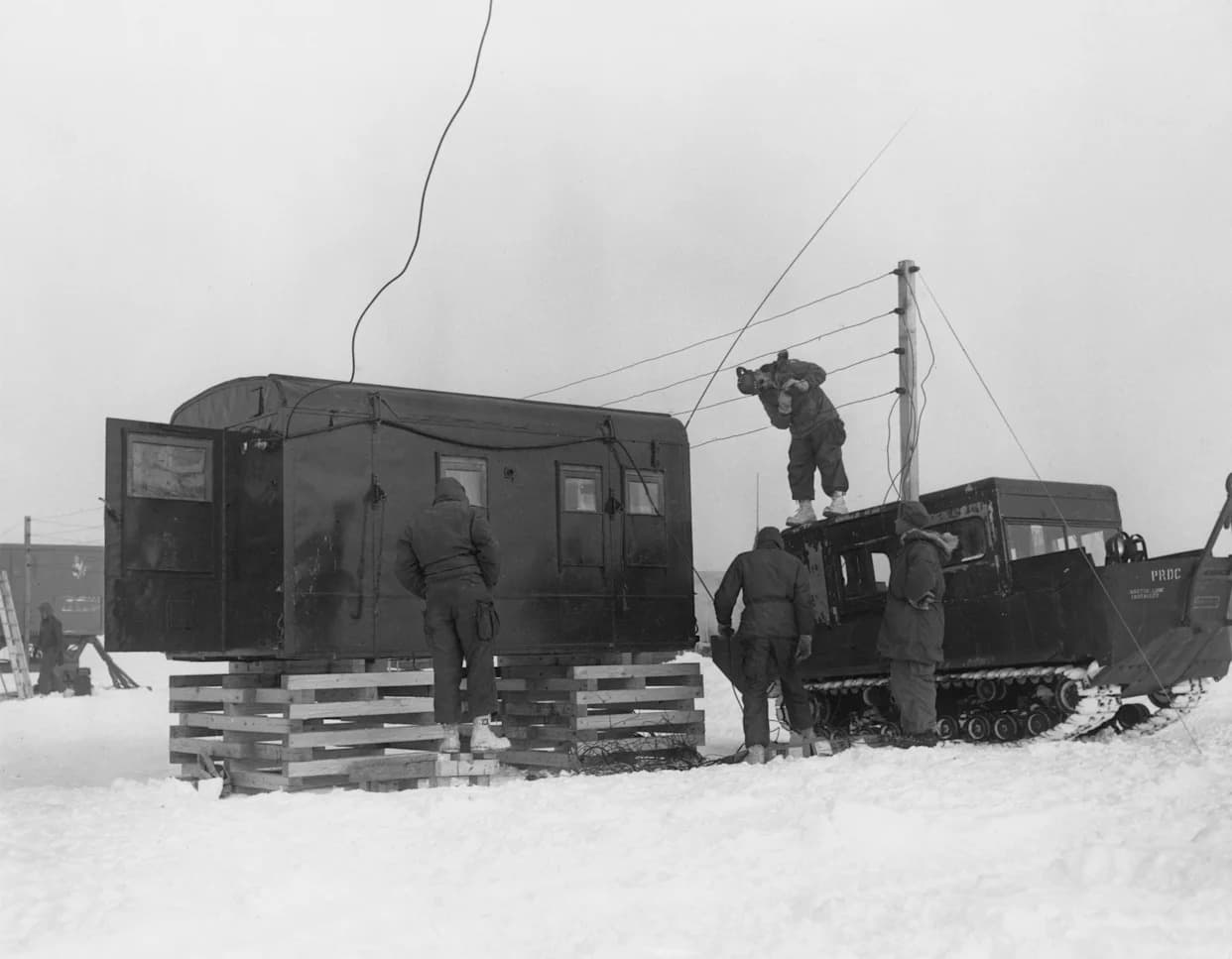
Roald Amundsen's crew was the first to reach the South Pole. Nowadays, there's a research station near there. | Credit: NOAA
Dec. 14, 1911: Norwegian explorer Roald Amundsen and four companions became the first humans to reach the geographic South Pole, a landmark achievement that contrasted sharply with the tragic fate of British captain Robert Falcon Scott and his party, who arrived weeks later and died on the return journey.
Background and the Race South
In 1910 a fierce rivalry began between Roald Amundsen and Robert Falcon Scott. Each sought to be first to claim the last unexplored point on Earth. Scott had earlier explored the Antarctic interior in 1902 but was forced to turn back because of illness and extreme cold. His 1910 expedition left Cardiff on June 15, 1910, with many men who had served under Ernest Shackleton on the Nimrod voyage.
Amundsen initially planned a North Pole expedition but changed course after Robert Peary and Matthew Henson claimed that prize in 1909. He sailed from Norway on Aug. 9, 1910, aboard the Fram and kept his Antarctic intentions secret until calling at Madeira in September. He then sent a terse telegram to Scott:
"Beg leave to inform you Fram proceeding Antarctic. Amundsen."
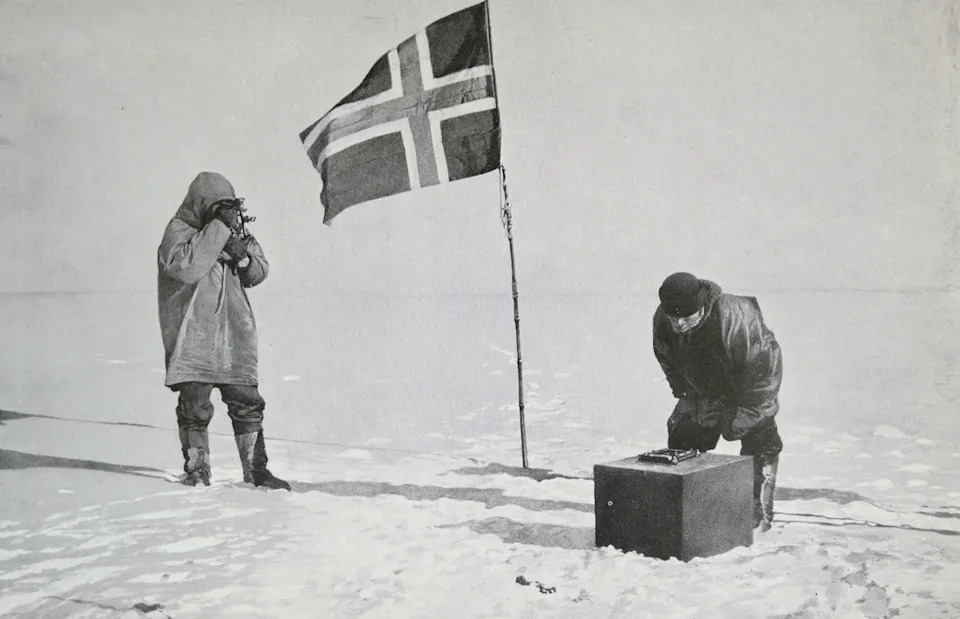
Capt. Roald Amundsen taking sights at the South Pole. | Credit: Getty Images
Approaches and Advantages
By early 1911 Scott had established his base at McMurdo Sound. Amundsen established Framheim on the Ross Ice Shelf after entering the Bay of Whales — roughly 60 miles (100 km) closer to the geographic South Pole than Scott's starting point. On Oct. 21, 1911, Amundsen and four companions — Olav Bjaaland, Oscar Wisting, Helmer Hanssen and Sverre Hassel — departed Framheim on four sledges, each team using about 13 dogs.
Key practical differences in Amundsen’s approach likely contributed to his success: a shorter, more direct route (via the Axel Glacier), lighter sledges and carefully organized depots, Inuit-style clothing that proved warmer and more flexible than the wool garments used by Scott’s party, and pragmatic measures such as culling sled dogs for food and consuming raw penguin meat, which supplied vitamin C.
Scott's Tragedy
Scott reached the pole on Jan. 17, 1912 (35 days after Amundsen) to find the Norwegian tent and flag. On the return march Scott and his companions succumbed to starvation, dehydration and cold. In his final journal entry on March 29, 1912, Scott wrote:
"I do not think we can hope for any better things now. We shall stick it out to the end..."The party lay only about 11 miles (17 km) from a supply depot when they perished. Their bodies and final records were discovered in November 1912.

Members of Scott's ill-fated expedition to the South Pole. They arrived a month after Amundsen, but all died on the return trip. | Credit: Getty Images
Contested Explanations
Early accounts blamed leadership failings, but later research has painted a more complex picture. Unusually severe weather likely played a major role. A 2017 article in Polar Record also suggested possible logistical lapses by some team members — notably Edward Evans — that may have exacerbated shortages at depots and contributed to the disaster.
Aftermath and Legacy
Amundsen's triumph and Scott's tragedy left lasting marks on polar history. Less than a decade later, Ernest Shackleton's Endurance expedition famously failed when the ship sank, yet Shackleton's leadership resulted in the survival and eventual rescue of all crew members in August 1916. Today, the South Pole hosts the Amundsen-Scott South Pole Station and major science projects such as the IceCube Neutrino Observatory and the South Pole Telescope, continuing the region's role as a center of exploration and discovery.
Why It Matters
This episode illustrates how careful preparation, local knowledge, equipment choices and logistics can determine life or death in extreme environments. It also remains a powerful historical example of exploration's risks and the human costs behind great achievements.
Help us improve.