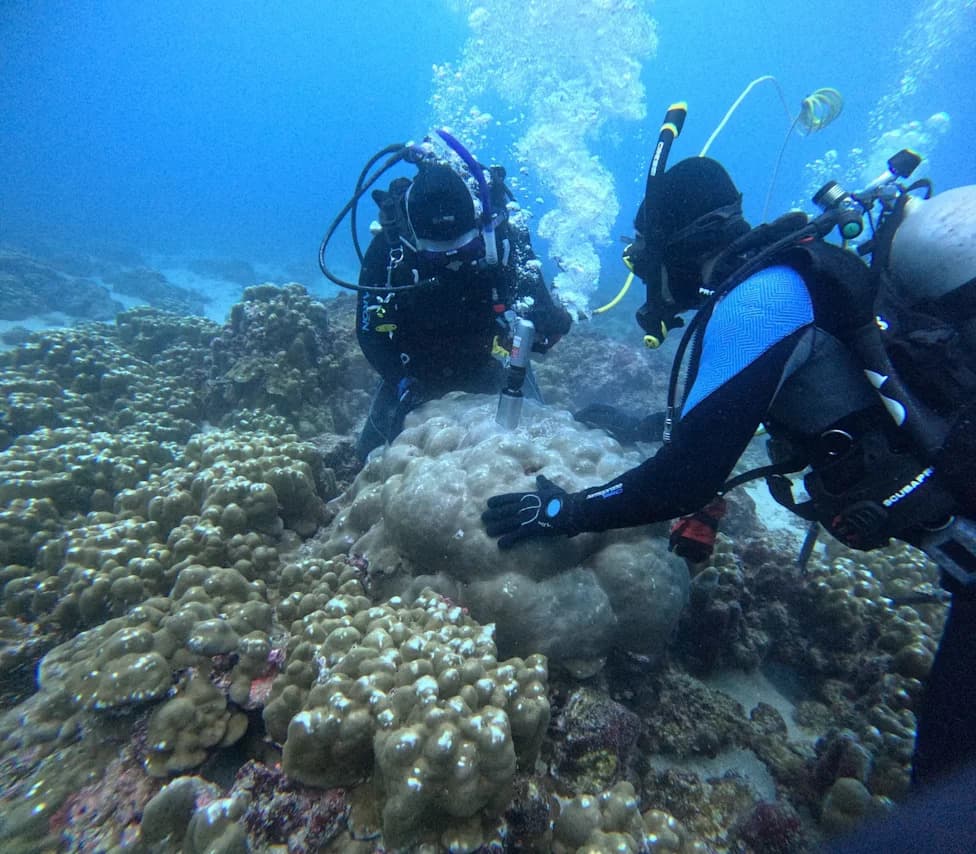
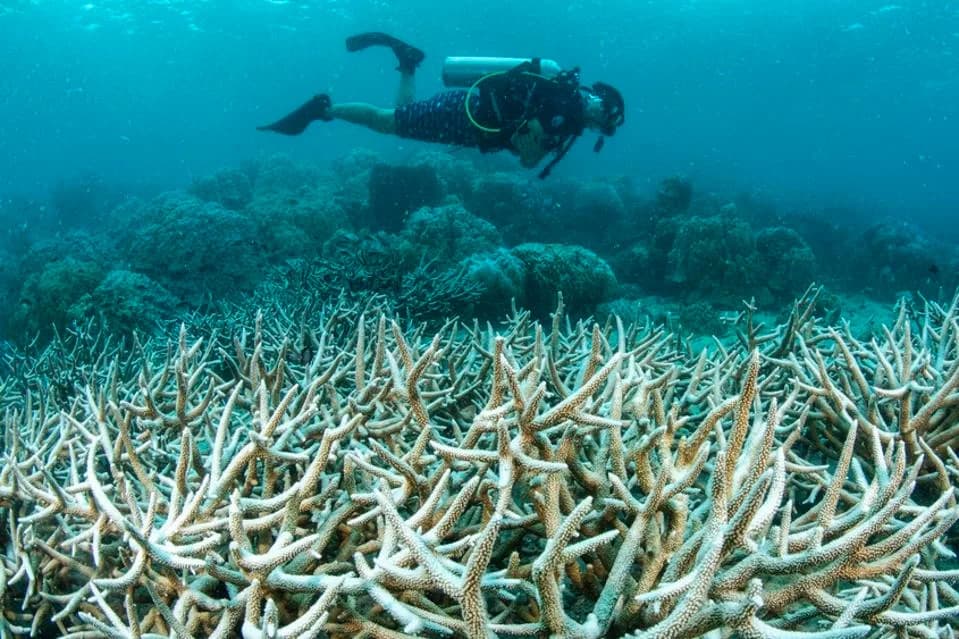
Gulf of Panama Upwelling Collapses: Earlier this year the Gulf of Panama experienced a collapse of its January–April upwelling — an event not seen in 40 years of high-quality data. STRI scientists link the suppression to anomalous winds possibly tied to La Niña, and early reports indicate effects on anchovies and herring. Researchers plan to resume monitoring in January 2026 but warn funding and staffing shortfalls could limit long-term observation.
Scientists Alarmed After Gulf of Panama’s Seasonal Upwelling Collapses for First Time in Decades

Researchers say the Gulf of Panama experienced an unprecedented failure of its seasonal upwelling earlier this year — a disruption not seen in 40 years of high-quality records. The annual upwelling, which normally occurs from January through April, brings cold, nutrient-rich water to the surface, fueling phytoplankton growth and supporting coastal fisheries and coral resilience.
What Happened
In a paper published in Proceedings of the National Academy of Sciences (PNAS), scientists from the Smithsonian Tropical Research Institute (STRI) described the event as an "unprecedented suppression" of the seasonal upwelling. The researchers linked the collapse to anomalous wind patterns that may have been influenced by La Niña conditions.
"We only have 40 years' worth of high-quality data and, within those 40 years, we've never seen this happen," said Aaron O'Dea, staff scientist at STRI.
Why It Matters
Upwelling drives primary productivity by bringing nutrients to the sunlit surface, sustaining phytoplankton blooms that form the base of marine food webs and support fisheries. A weakened or absent upwelling can reduce fishery productivity, increase coral thermal stress and bleaching risk, and intensify food-security pressures on coastal communities that depend on small pelagic fish.
Anecdotal reports and early observations cited by Geographical indicate impacts already on small pelagic species such as anchovies and herring. Ecologists warn that stressed food webs can become more vulnerable to invasive species and cascading ecosystem changes.
Broader Context and Next Steps
Institutions such as the Scripps Institution of Oceanography and the Max Planck Institute for Chemistry emphasize that changing wind regimes and rising ocean temperatures driven by climate variability and long-term warming can alter upwelling dynamics and phytoplankton communities globally.
STRI researchers plan to resume intensive monitoring of Panama's coastal ocean in January 2026, when the seasonal upwelling typically begins. The team cautions that limited funding and personnel could hamper sustained observation and the ability to detect whether this event is a one-off anomaly or part of a longer-term shift.
What readers can do: Learn about coastal climate dynamics, support long-term monitoring and conservation efforts, and encourage policymakers to fund sustained observation programs that protect fisheries and coastal livelihoods.
Public reaction: Online discussion, including social media threads, has highlighted concerns about cascading ecological and socioeconomic effects if upwelling zones become less reliable or collapse more widely.
Help us improve.