The University of Hawaiʻi at Mānoa examined 272 whale and dolphin strandings from 2006–2024 and found that 62% were linked to natural disease while 29.2% showed human-caused trauma, including fractures consistent with vessel strikes. Researchers also discovered plastic and fishery debris in the stomachs of six species, with fatal cases including a sperm whale with gastric obstruction and a bottlenose dolphin fatally wounded by a fishhook. The long-term dataset is intended to guide conservation measures and encourages the public to report distressed marine life to NOAA.
Disturbing Rise in Whale and Dolphin Strandings: Disease, Vessel Strikes and Plastic Debris Linked
Photo Credit: iStock
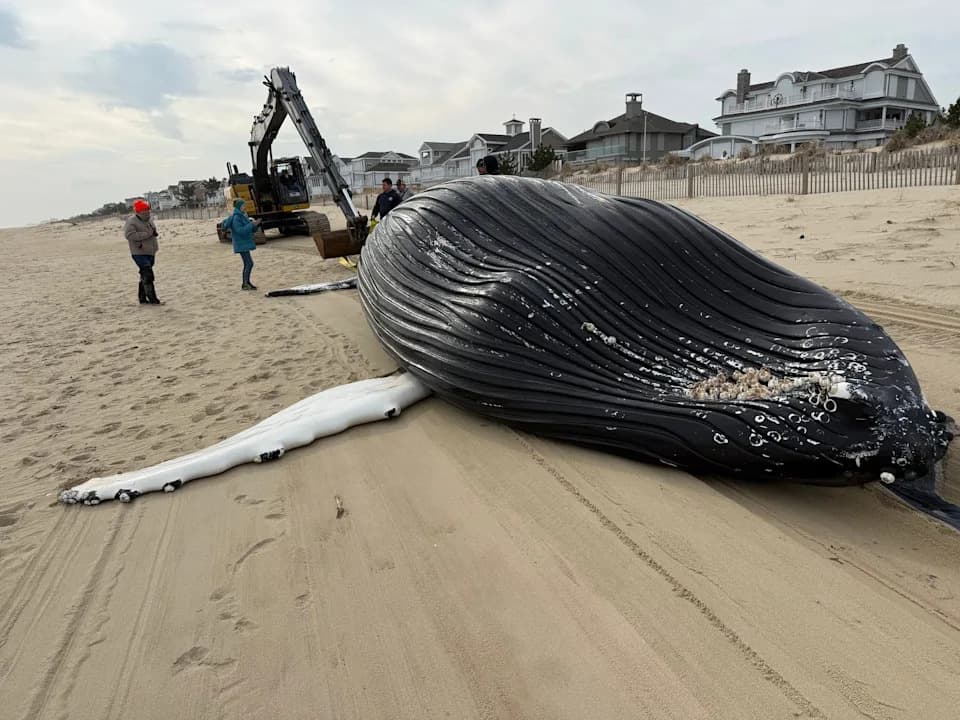
A University of Hawaiʻi at Mānoa study analyzing 272 whale and dolphin strandings between 2006 and 2024 reveals a worrying pattern: most stranded animals showed evidence of either natural disease or human-caused injury. The long-term analysis, published in the journal Diseases of Aquatic Organisms, highlights multiple, overlapping threats to marine mammals in Hawaiian waters and beyond.
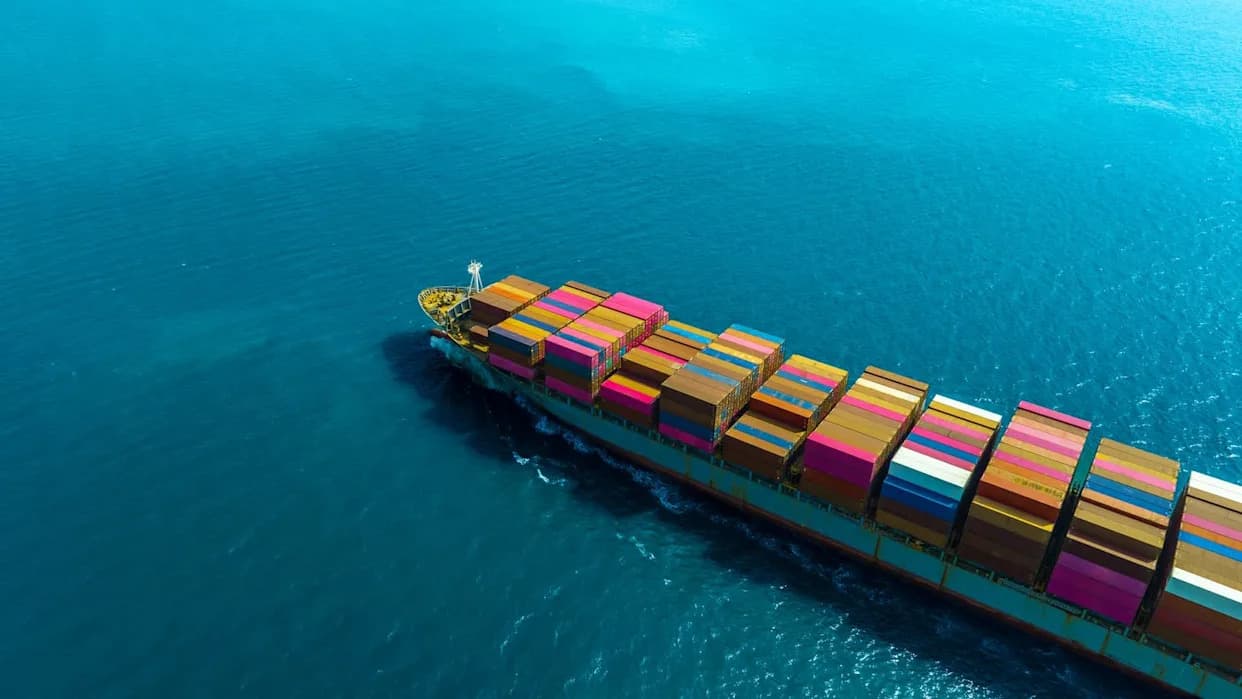
The researchers found that 62% of examined strandings were associated with natural disease, while 29.2% showed signs of human-caused trauma. In several cases, vertebral and skull fractures were consistent with direct vessel strikes, pointing to collisions with boats as a significant and recurring danger.
In addition to trauma and disease, the team documented the growing and alarming role of debris. "Significant plastic debris and/or fishery debris were found in stomachs of six species, with fatal gastric obstruction in a sperm whale and fatal fishhook penetration in a bottlenose dolphin," the authors wrote. These examples show how marine debris and fishing gear can cause lethal internal injuries or blockages.
What The Findings Mean
The study’s multi-decade dataset provides conservationists with a clearer picture of the leading causes of death among whales and dolphins in the region. With both disease and human impacts present, the results underscore the need for integrated responses: better vessel management, improved fishing practices, and measures to reduce plastic pollution.
"Dolphins and whales are sentinels of ocean health — we need to understand why these animals die to help others live," said Kristi West, director of the UH Health and Stranding Lab at the College of Tropical Agriculture and Human Resilience, in comments to Phys.org.
Scientists urge the public to report sightings of distressed or injured marine life to the National Oceanic and Atmospheric Administration Marine Wildlife Hotline and to follow local guidance for observing marine mammals at sea. Prompt reporting can improve rescue outcomes and help researchers gather timely data.
How You Can Help
Simple actions can reduce risks to marine mammals: avoid single-use plastics, secure fishing lines and gear, dispose of fishing-related waste responsibly, and practice safe boating (reduce speed in known marine mammal areas and keep a careful lookout). Collectively, these steps reduce the chance of debris ingestion and vessel collisions.
By combining long-term monitoring, community reporting, policy changes, and individual behavior changes, the study’s authors and conservationists hope to lower the frequency of preventable strandings and better protect marine mammal populations.
Help us improve.