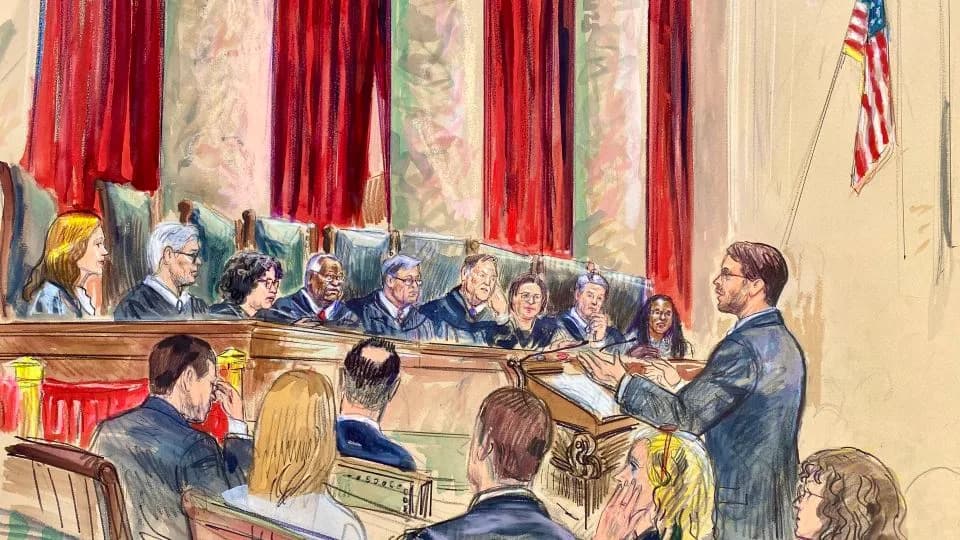
The Supreme Court heard a high-stakes challenge that could significantly broaden presidential removal power. Solicitor General D. John Sauer urged the court to adopt an expansive "unitary executive" view under the Constitution’s Vesting Clause, invoking the court’s 2024 Trump decision. Liberal justices warned that overturning the 1935 Humphrey’s Executor precedent would erode safeguards for independent agencies, Article I courts and the civil service. The conservative majority appeared open to curtailing those protections, though some justices signaled interest in narrower limits.
Supreme Court Appears Ready To Expand Presidential Removal Power Over Independent Officials

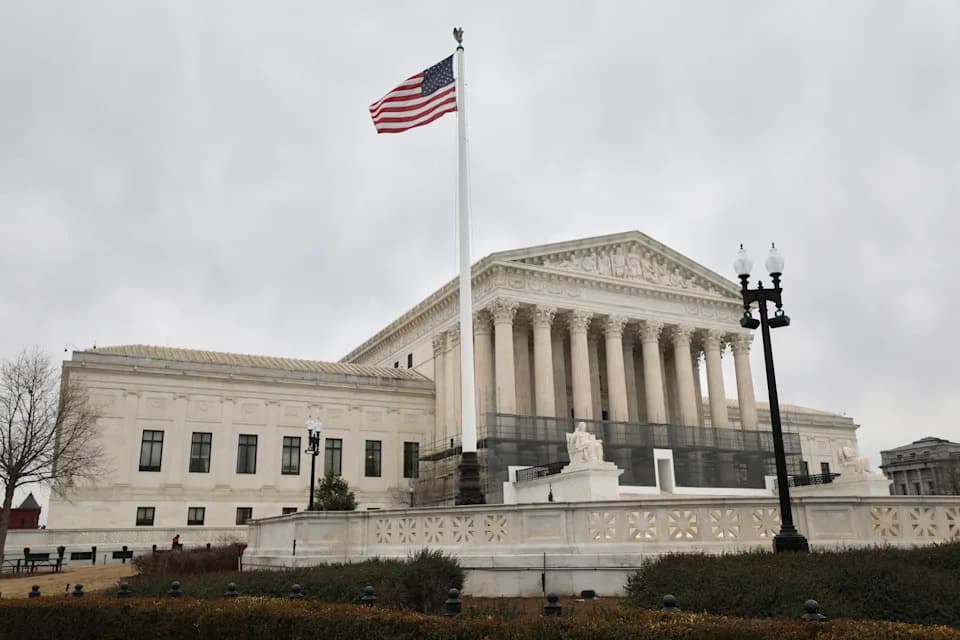
Solicitor General D. John Sauer urged the Supreme Court on Monday to recognize sweeping presidential authority to remove officials from independent agencies — a move that could reach far beyond the Federal Trade Commission and reshape the federal bureaucracy.
What Happened
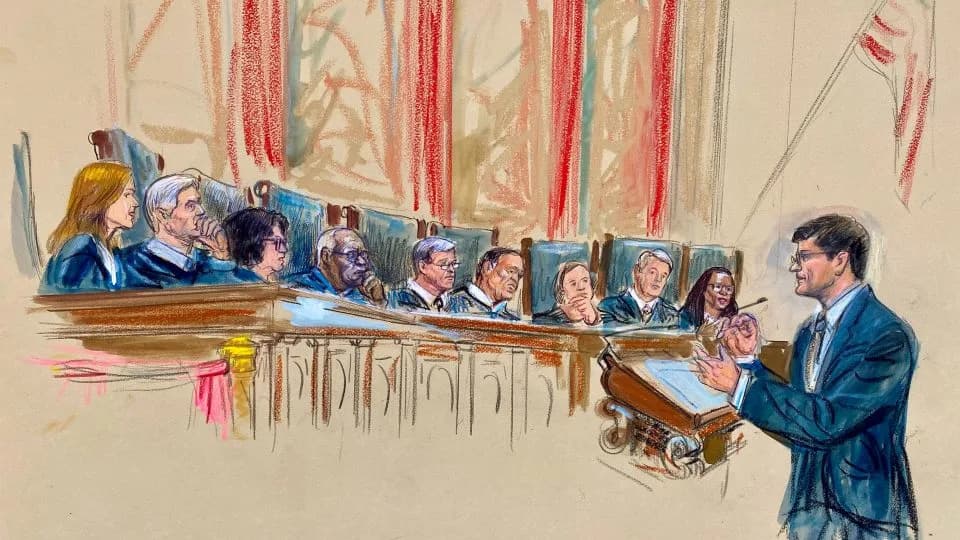
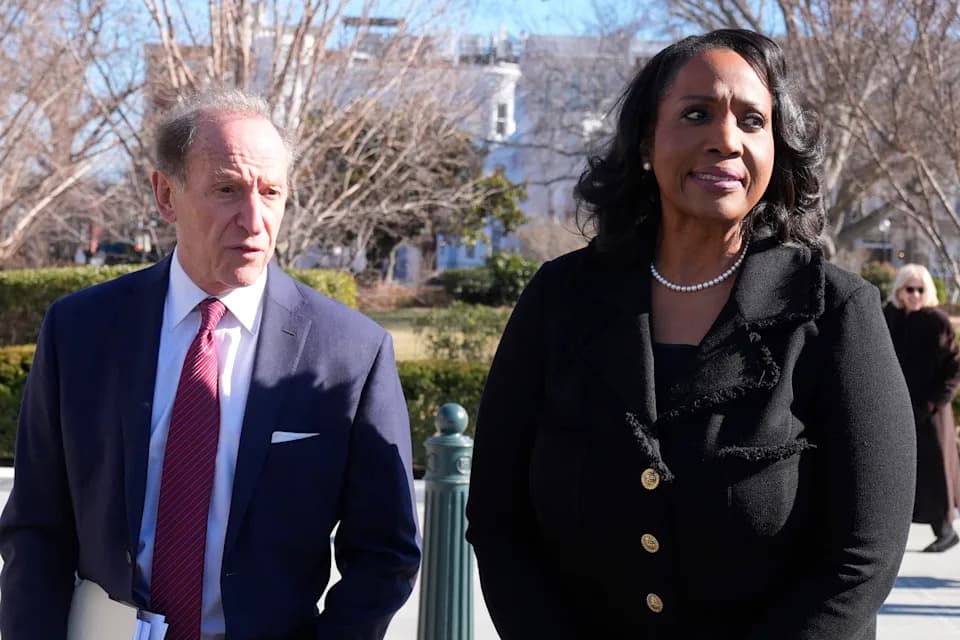
During roughly two-and-a-half hours of oral argument in the case brought by former FTC Commissioner Rebecca Slaughter, Sauer pressed the court to embrace a broad version of the "unitary executive" theory, grounding removal power in the Vesting Clause of Article II. He repeatedly cited the court’s 2024 decision in Trump v. United States to support his position.
Lines Drawn Across The Bench
Conservative justices appeared receptive to reexamining or overturning the long-standing 1935 precedent in Humphrey's Executor v. United States, which has allowed Congress to create independent, expert-led agencies insulated from direct presidential pressure. Liberal justices, led by Justices Elena Kagan and Sonia Sotomayor, warned that a ruling for the government would jeopardize the independence of agencies and protections for the civil service.
Justice Elena Kagan: "Once you’re down this road, it’s a little bit hard to see how you stop."
Justice Sonia Sotomayor: "You’re asking us to destroy the structure of government."
Potential Reach And Consequences
Under Sauer's framing, presidential removal authority could extend to officials who serve fixed terms — for example, Tax Court judges (15-year terms) and judges on the Court of Federal Claims. That raises questions about the independence of Article I courts, specialized tribunals and the broader civil service.
Some conservative justices, including Justice Amy Coney Barrett, signaled interest in narrower doctrinal approaches — for example, tying removal power to the Take Care Clause or to the appointment power — while others pressed whether the court could issue a limited ruling that avoids broad consequences for agencies not before it.
Next Steps
The case’s outcome remains uncertain, but the arguments made clear the stakes: the court could either preserve a nearly century-old protection for independent agencies or substantially expand presidential control over a wide swath of the federal government.
Key names: Solicitor General D. John Sauer; Justices Elena Kagan, Sonia Sotomayor, Amy Coney Barrett, Samuel Alito; former FTC Commissioner Rebecca Slaughter.
Help us improve.