President Trump’s recent use of Article II powers — including the U.S. capture of Nicolás Maduro in Caracas and attempts to federalize National Guard units domestically — has sparked a contentious constitutional debate. Legal scholars point to longstanding Office of Legal Counsel guidance and court precedent as potential defenses for extraterritorial arrests, while the Supreme Court’s interim restriction on Title 10 federalizations has narrowed domestic options. With Title 10 constrained, the administration may consider invoking the Insurrection Act, a move that would invite significant legal and political challenges.
From Caracas to Chicago: Trump’s Article II Powers Face Critical Legal Tests
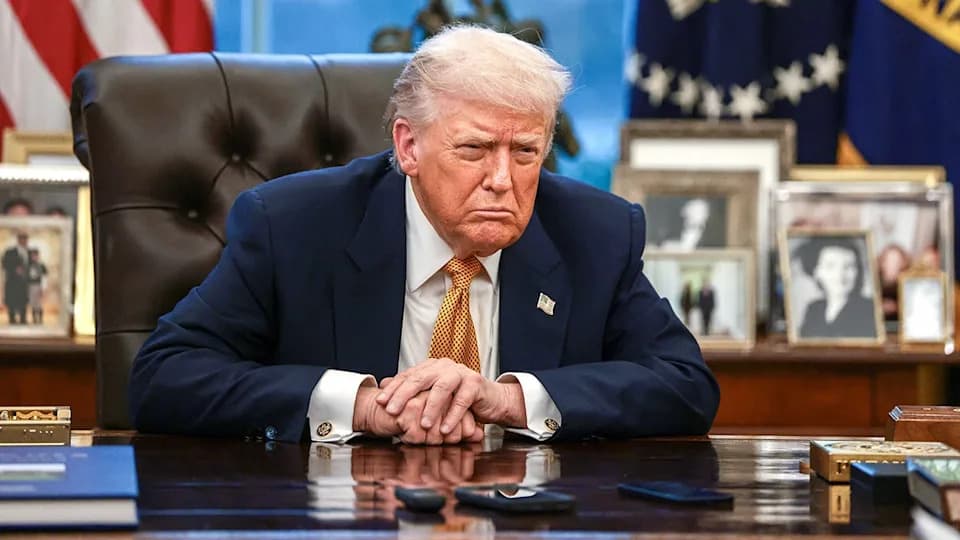
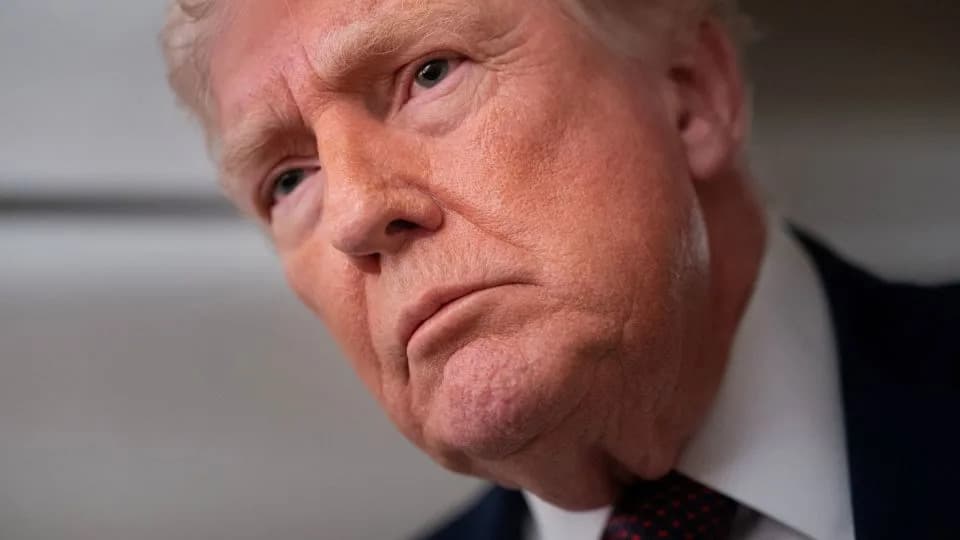
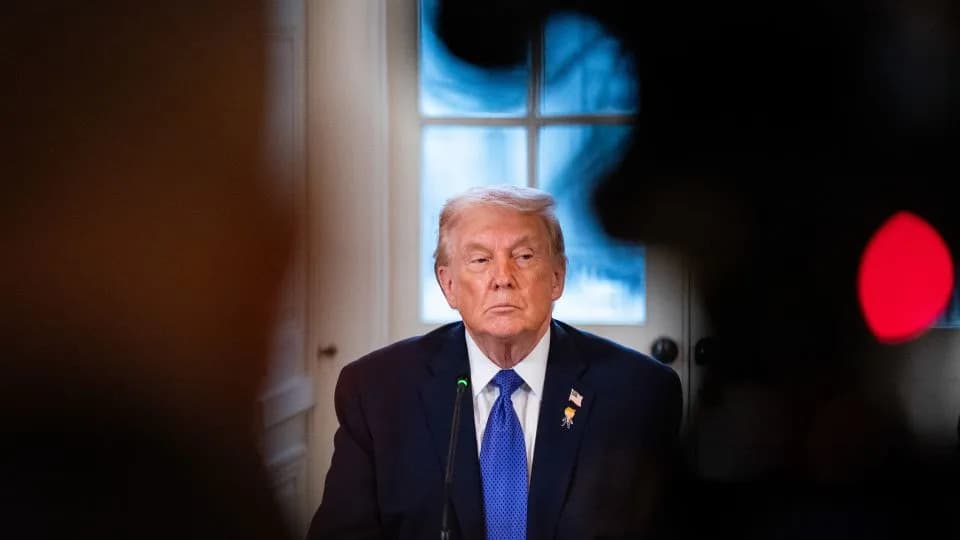
President Donald Trump is seen in the Oval Office in the White House in Washington, D.C., on Wednesday, Jan. 14, 2026.(Reuters)
President Donald Trump has spent much of his second term testing the limits of Article II authority, pressing constitutional boundaries both abroad and at home. His recent decisions — most notably the U.S. operation that led to the capture of Venezuelan leader Nicolás Maduro in Caracas and repeated attempts to federalize National Guard forces in Democrat-led jurisdictions — have prompted praise from supporters and sharp criticism from opponents, while raising complex legal questions about the scope of presidential power.
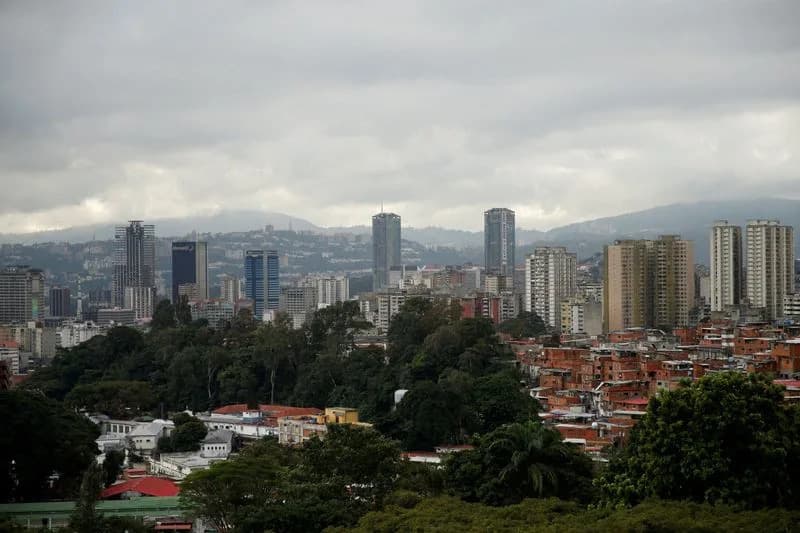
Maduro Raid and Extraterritorial Authority
The administration and its allies argue longstanding legal precedent and Office of Legal Counsel (OLC) guidance support a president's authority to order extraterritorial arrests when U.S. national interests or the safety of U.S. persons and property are at stake. A 1989 OLC memorandum by then-Assistant Attorney General Bill Barr has been cited as a key authority; it concludes that the president may, pursuant to inherent constitutional authority, authorize enforcement actions even absent an explicit statutory grant.
Legal scholars note federal courts have at times read presidential powers broadly in foreign affairs, and that prior DOJ and OLC opinions can be invoked to justify extraordinary operations. Supporters frame the Caracas operation as a law-enforcement arrest supported by military assets to protect the personnel carrying out the seizure.
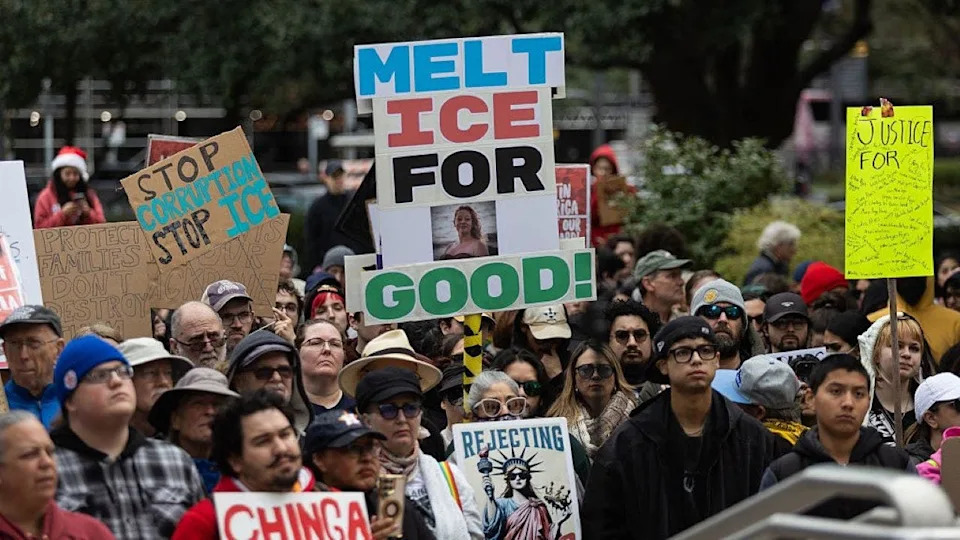
Protesters gather outside City Hall in Houston, Texas, on Jan. 10, 2026, for a demonstration against Immigration and Customs Enforcement (ICE).
Josh Blackman, a constitutional law professor at South Texas College of Law, told Fox News Digital that Article II empowers the president to protect federal interests and personnel both at home and abroad, describing the Caracas operation as a law-enforcement arrest secured by military forces.
Domestic Deployments: Title 10 and the Supreme Court
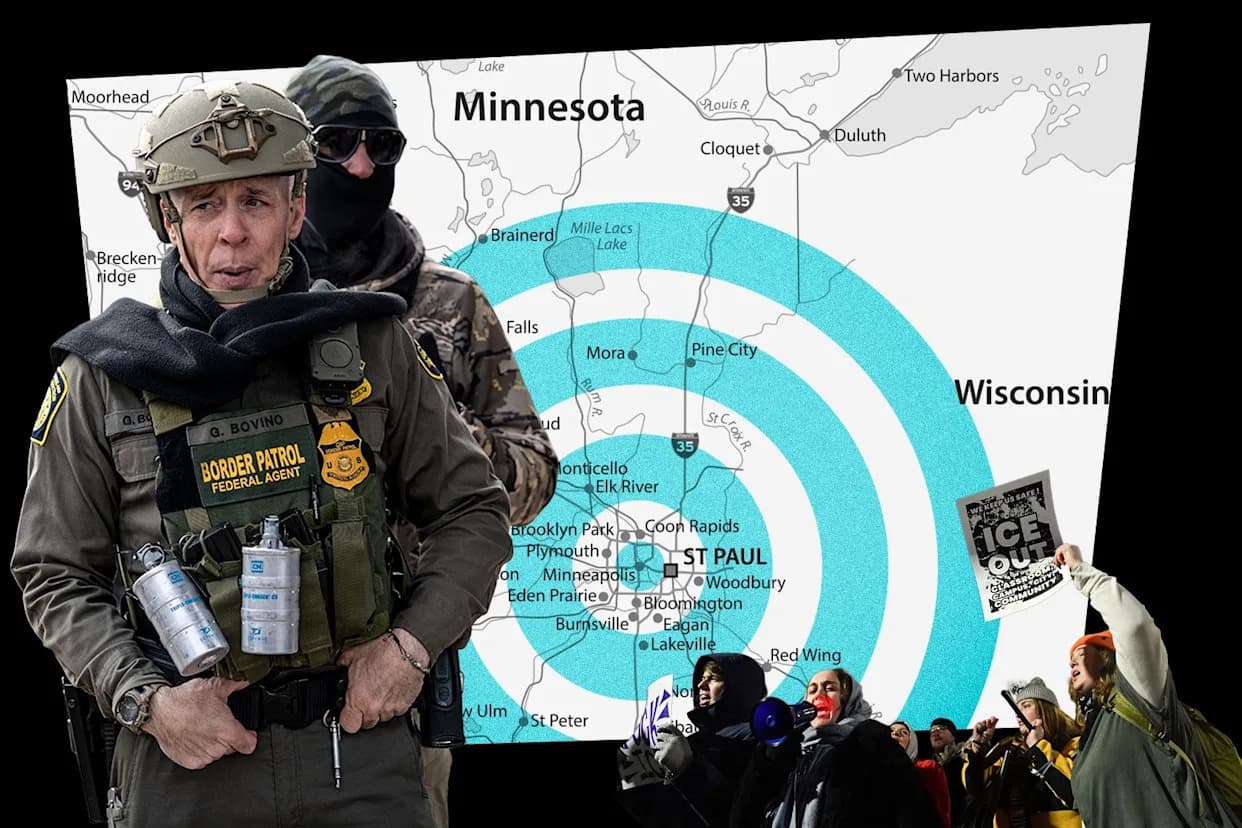
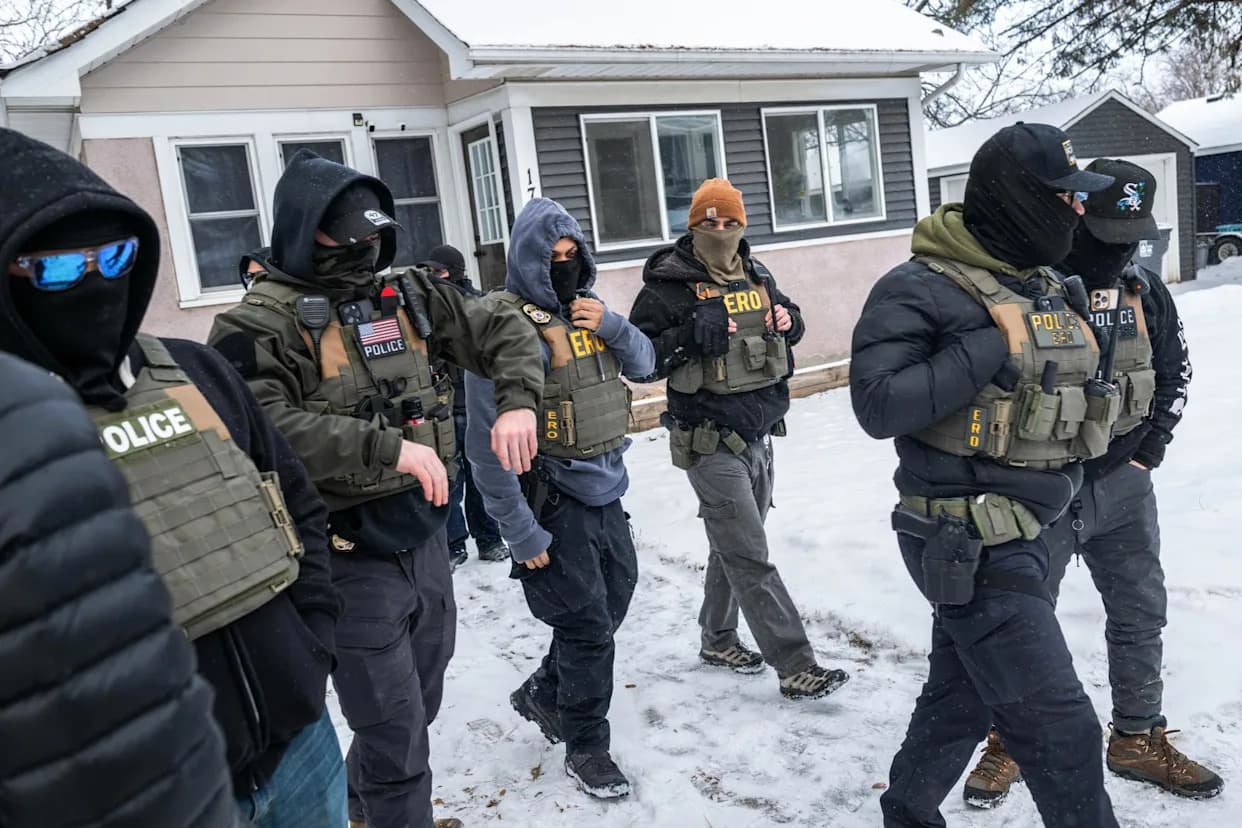
Domestically, the administration’s efforts to federalize National Guard troops under Title 10 have encountered judicial resistance. In December, the Supreme Court issued an interim order limiting the administration’s attempt to federalize Guard units deployed to Illinois and Oregon to protect Immigration and Customs Enforcement (ICE) personnel. The Court indicated that, under Title 10, federalization requires showing that the regular military has been authorized to enforce the laws and that it cannot do so.
That ruling has led some observers to conclude the decision narrows the administration’s options for deploying forces domestically without clear statutory authority.
The Insurrection Act As An Alternative
With Title 10 options constrained, experts say the administration may consider the Insurrection Act as a more sweeping way to deploy federal troops. The Insurrection Act authorizes the president to use active-duty forces to suppress insurrections or unlawful obstructions of the law when it becomes impracticable to enforce laws by normal means.
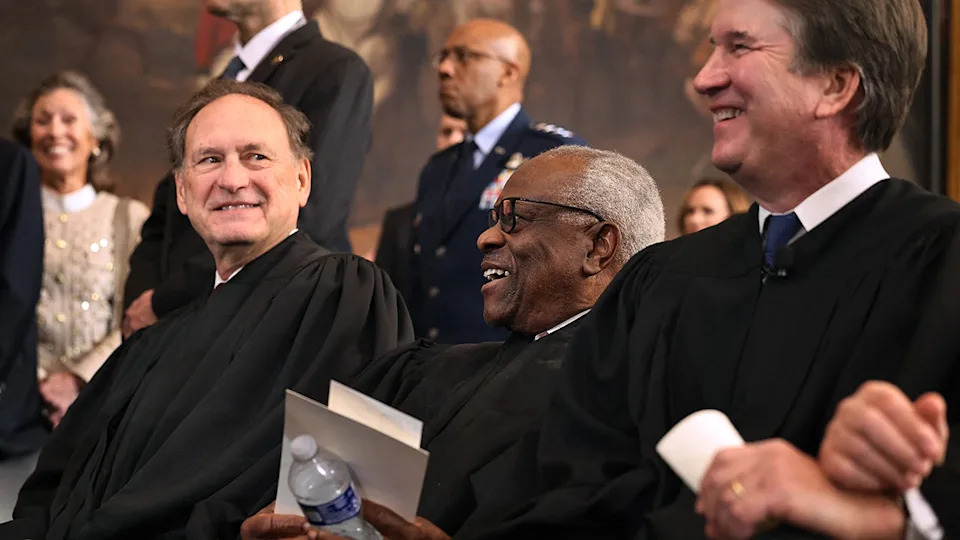
Supreme Court Justices Samuel Alito, Clarence Thomas and Brett Kavanaugh are seen at the U.S. Capitol on Jan. 20, 2025, in Washington, D.C.
Critics warn that invoking the Insurrection Act carries significant legal and political risks because it grants broad powers that may be difficult for Congress or courts to constrain quickly. Some commentators have suggested that limiting the Title 10 route could push administrations toward relying on the Insurrection Act, even though doing so would likely spark immediate litigation and intense public debate.
Experts Are Divided
Legal analysts remain split on how courts will ultimately adjudicate these disputes. Some say long-standing OLC opinions and precedent provide a strong defense for aggressive executive actions abroad, while others emphasize the robust checks of federal courts and Congress when domestic deployments are at issue.
What Comes Next
The constitutional fight over the scope of executive authority appears likely to continue in courts across the country. Litigation challenging the Maduro operation, the limits on Title 10 federalization, or any invocation of the Insurrection Act could shape, for months or years, the contours of presidential power in both foreign and domestic settings.
Reporting note: This article synthesizes legal commentary and public statements related to recent actions attributed to the Trump administration and reflects the state of public reporting and expert views at the time of publication.
Help us improve.