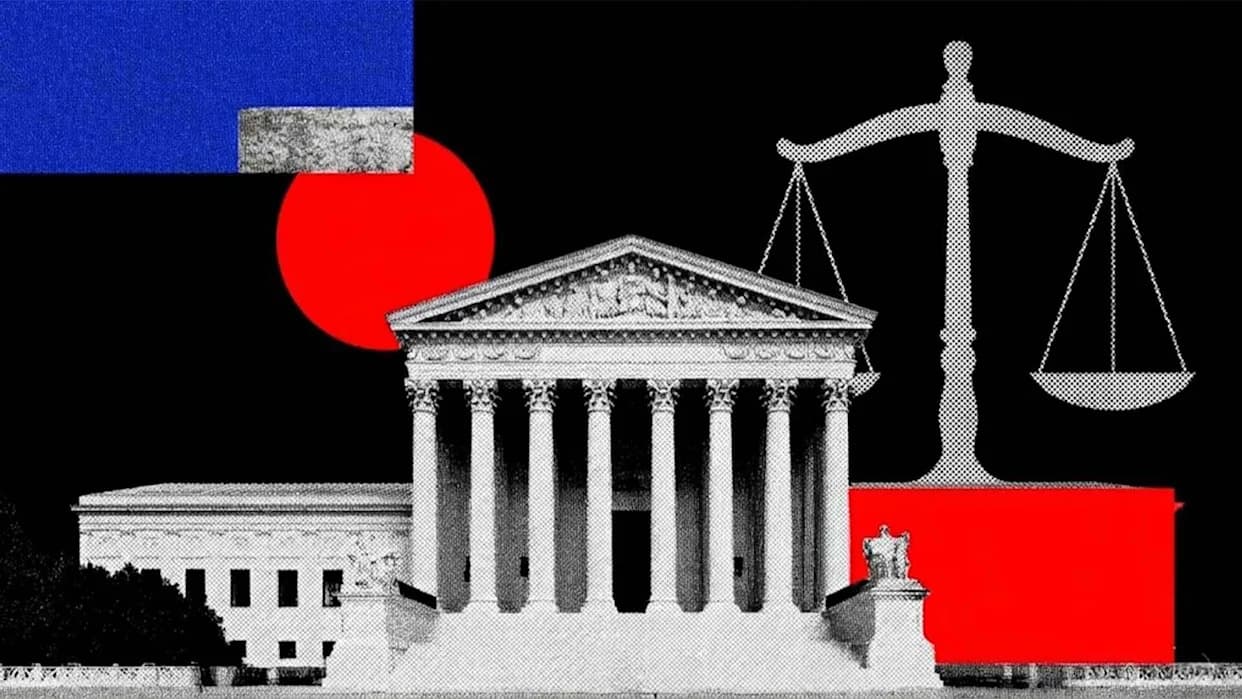
The Supreme Court appeared likely to keep Federal Reserve Governor Lisa Cook in her post while it decides whether former President Trump lawfully attempted to remove her over alleged mortgage misconduct. Justices questioned whether the allegations meet the undefined statutory standard of "cause" and whether Cook was denied required notice and an opportunity to respond. The case raises broader concerns about protecting the Fed's independence and whether courts may review presidential removal decisions.
Supreme Court Signals It Will Likely Let Lisa Cook Remain On Fed Board While Reviewing Her Removal

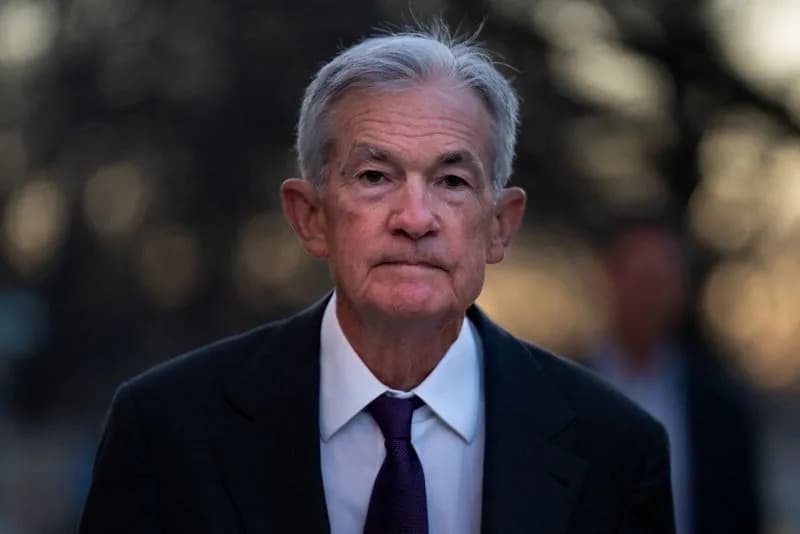
Lisa Cook during a Fed event in Washington, D.C., on Friday, March 22, 2024. / Credit: Al Drago / Bloomberg via Getty Images
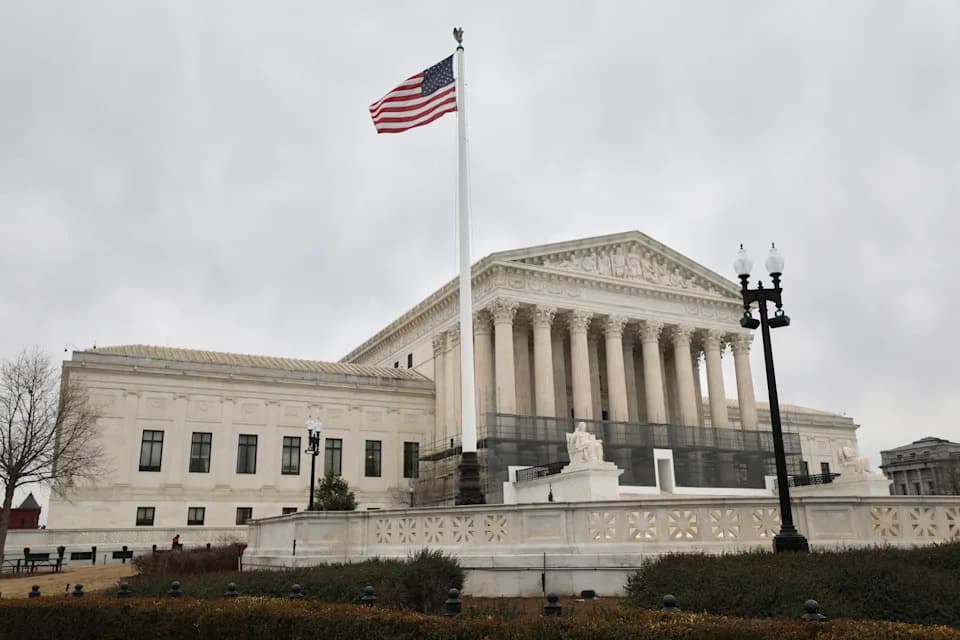
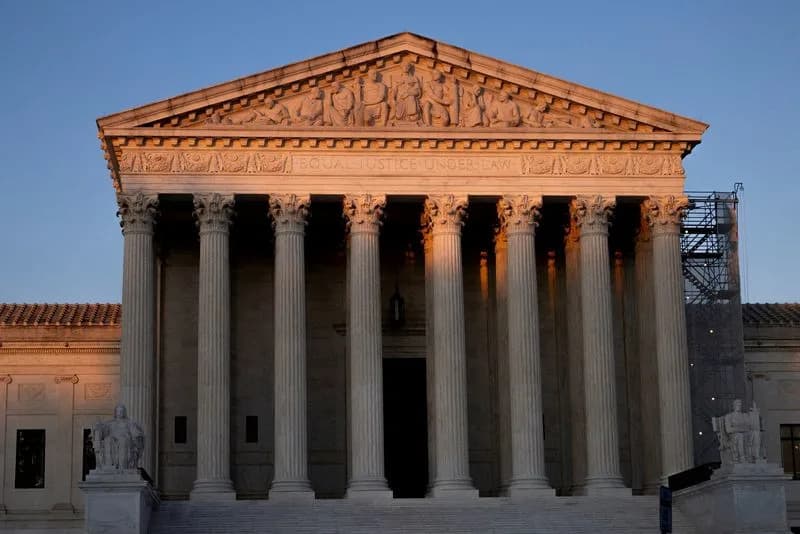
Washington — The Supreme Court on Wednesday signaled it is likely to allow Federal Reserve Governor Lisa Cook to remain on the Board of Governors while the court weighs former President Donald Trump's effort to remove her.
Background
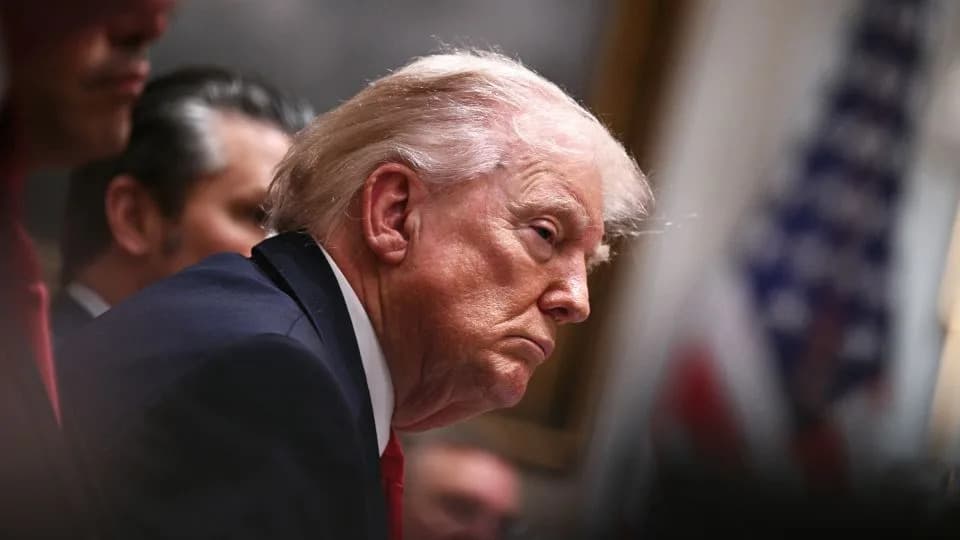
Mr. Trump announced in August that he had "sufficient cause" to remove Cook, accusing her of "deceitful and potentially criminal conduct in a financial matter" related to mortgage agreements predating her service on the Fed. Cook has denied any wrongdoing and has not been criminally charged. In the Fed's 112-year history no president has attempted to remove a governor in this manner.
What Happened In Court
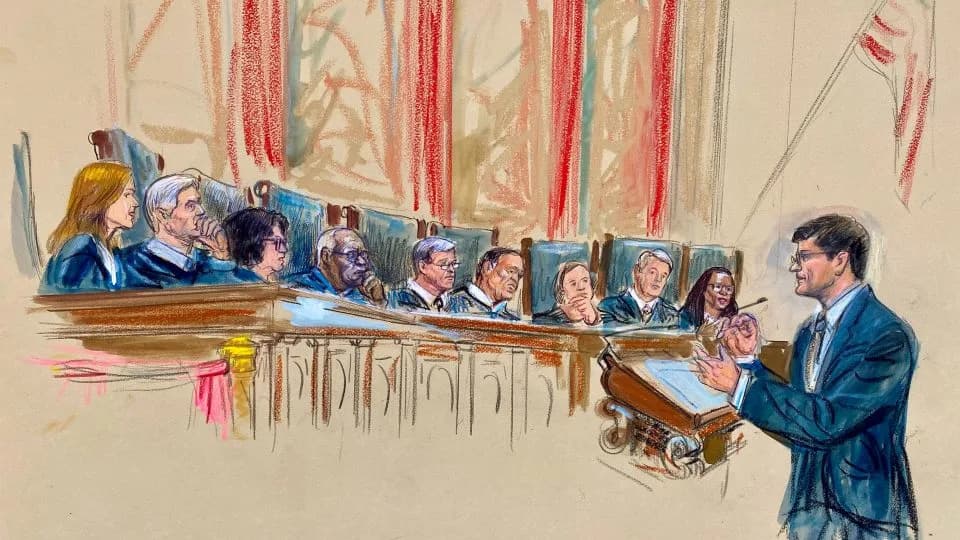
The justices heard high-stakes arguments about whether the president may remove a Fed governor "for cause" under the Federal Reserve Act of 1913, a statute that does not define that standard. Several justices expressed concern about protecting the Fed's institutional independence and questioned whether the allegations against Cook meet whatever statutory "cause" requires.
Members of the Court also focused on procedure. Lower courts have temporarily blocked the removal and Judge Jia Cobb reinstated Cook, finding she was likely deprived of constitutionally required notice and an opportunity to be heard before being ousted. The case reached the Supreme Court on an expedited schedule, and the justices have allowed Cook to remain on the board while they consider the issues.
Arguments And Key Questions
Solicitor General D. John Sauer argued the president may remove a financial regulator for "deceit or gross negligence" and that keeping Cook in place while litigation continues would do "grievous injury" to the public's perception of the Fed. He urged that courts should not second-guess a president's factual determination about cause.
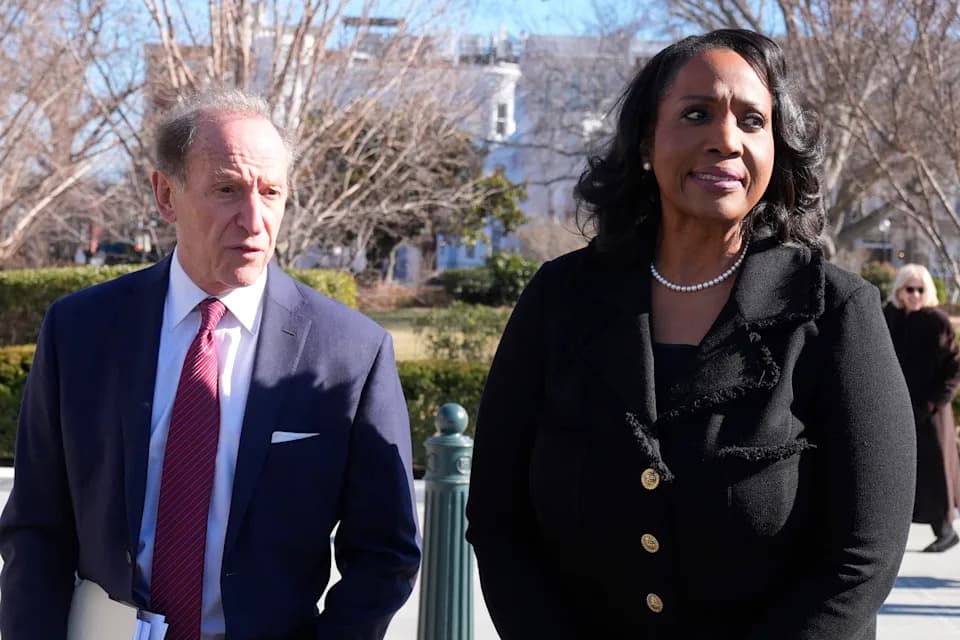
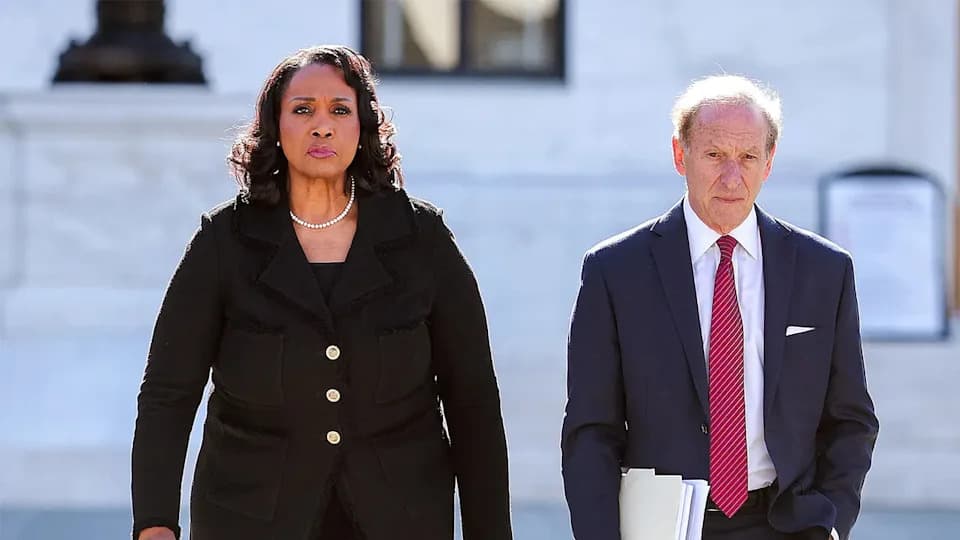
Cook's lawyers countered that the allegations are "flimsy" and concern private conduct before she joined the Fed in May 2022, so they do not constitute cause under the statute. They also argued she was denied both the statutory protections Congress intended and the Fifth Amendment's guarantee of due process.
"The American people should not have their interest rates determined by someone who was, at best, grossly negligent," the Solicitor General warned, while some justices warned that an unchecked removal power could erode the Fed's independence.
Concerns About Fed Independence
Several justices—including Justices Brett Kavanaugh and Amy Coney Barrett—asked how the Court should weigh the broader institutional consequences of allowing unfettered presidential removal authority over Fed governors. They posited that a low bar for cause and no judicial review could invite politically motivated removals that undermine monetary-policy stability.
Other justices, including Samuel Alito and Neil Gorsuch, pressed on the specifics of procedural fairness and what notice and opportunity to respond would look like in practice.
Why This Case Matters
The dispute tests the balance between executive authority and central-bank independence at a delicate moment for U.S. monetary policy. The case follows recent high-profile litigation over removal protections for officials at other independent agencies, but the Court has repeatedly suggested the Fed may warrant special treatment because of its unique structure and historical role.
The Supreme Court is expected to resolve several core questions: whether the president must provide notice and a hearing before removing a Fed governor; what statutory "cause" means in this context; and whether courts may review a president's determination of cause.
Next Steps
The Court heard argument on an expedited schedule and has not issued a final decision. Meanwhile, Cook has continued to participate in Federal Open Market Committee meetings. Observers say the ruling could have significant implications for the Fed's independence and for the separation of powers more broadly.
Help us improve.