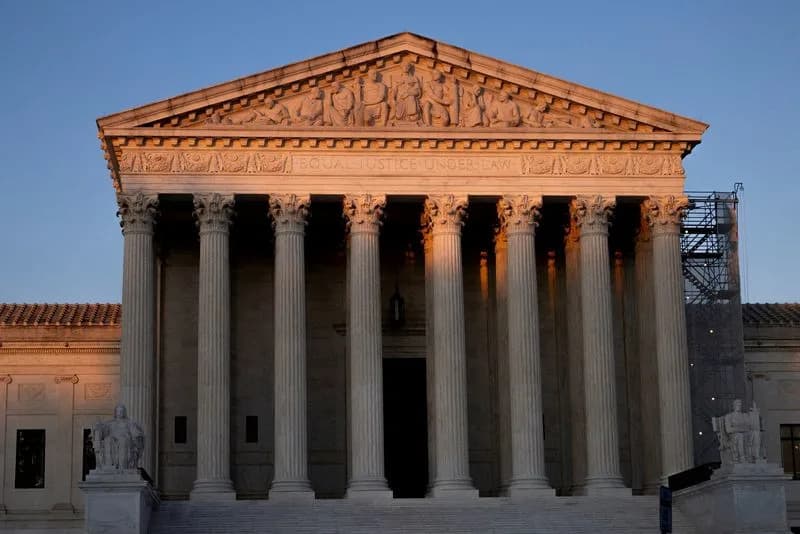
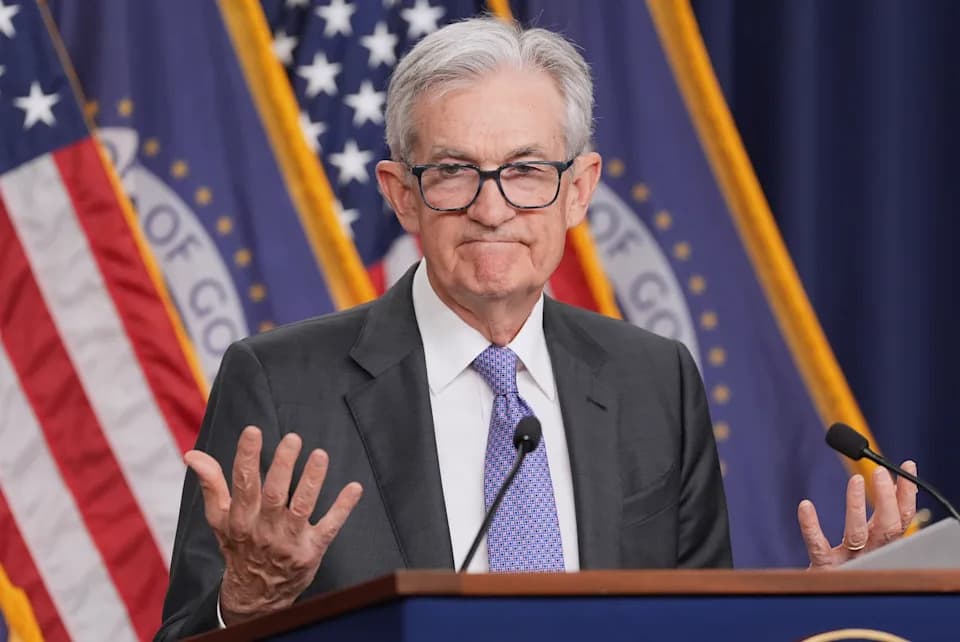
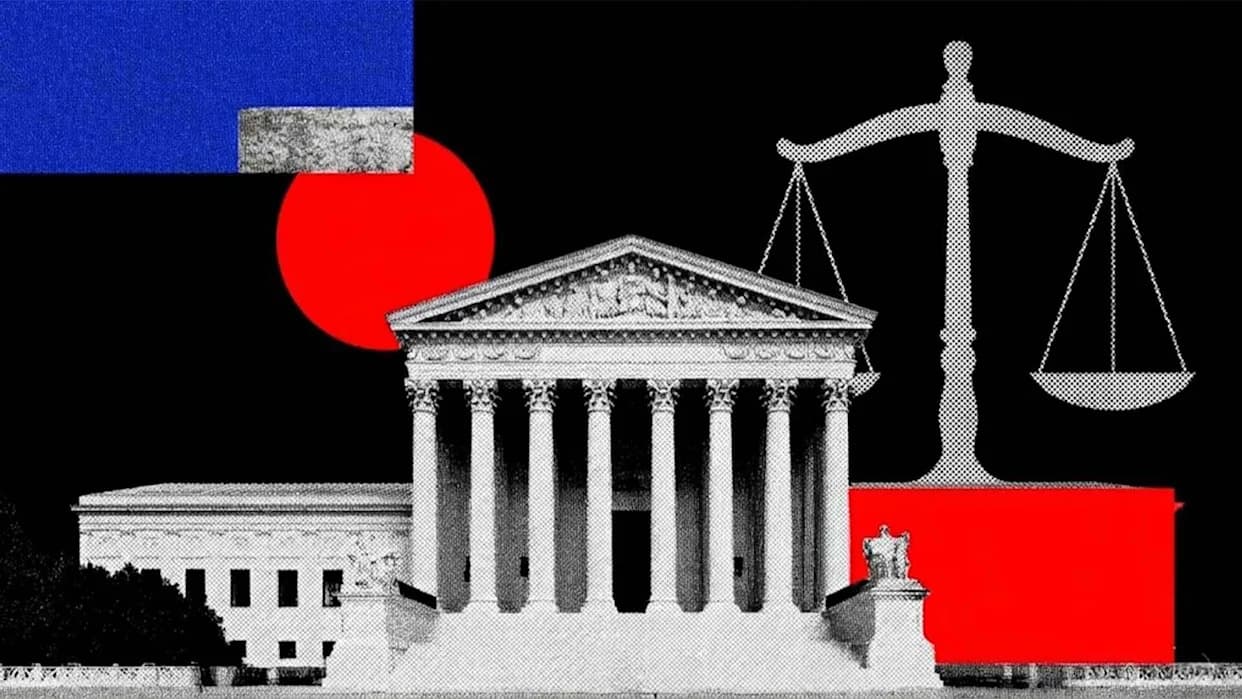
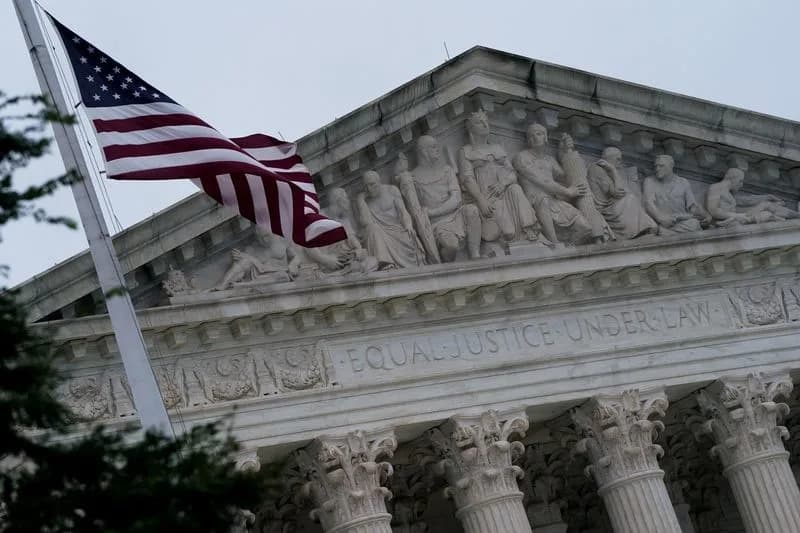
The Supreme Court appears poised to treat the Federal Reserve differently from other independent agencies in a case testing President Trump’s attempt to remove Fed Governor Lisa Cook. Justices signaled they may bar an immediate removal and require "for cause" standards for Fed governors, citing the Fed's unique historical role in monetary policy. Legal scholars disagree on whether the Fed is constitutionally distinct from other agencies, and the court may eventually have to explain that distinction in detail.
Supreme Court May Carve Out Special Protection For the Federal Reserve in Lisa Cook Removal Case
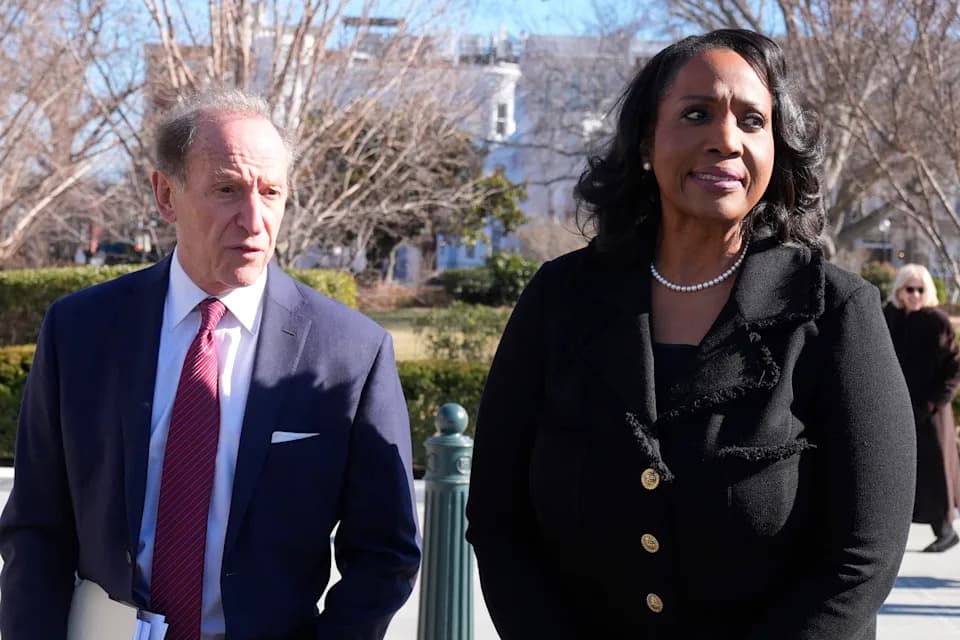
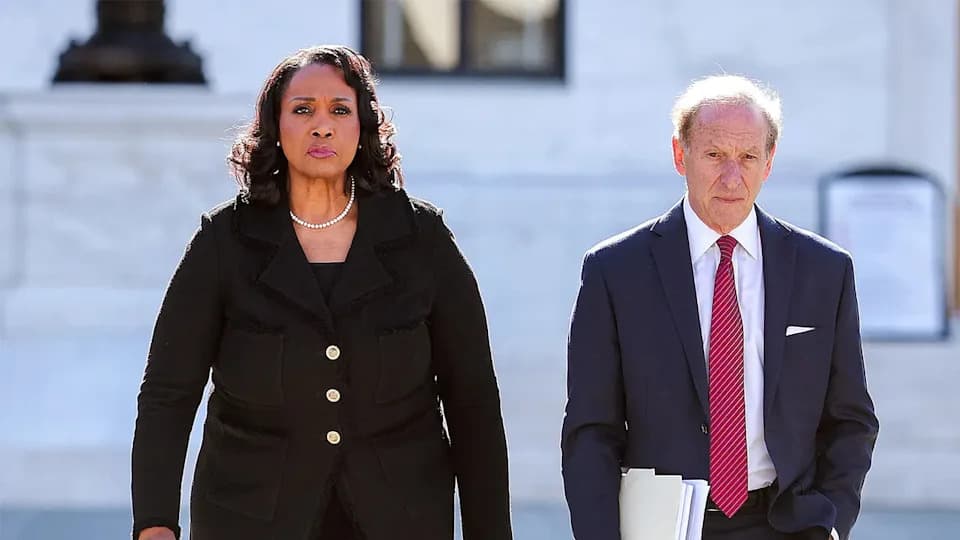
Federal Reserve governor Lisa Cook and attorney Abbe Lowell leave the Supreme Court in Washington, Wednesday, Jan. 21, 2026. (AP Photo/Mark Schiefelbein)(ASSOCIATED PRESS)
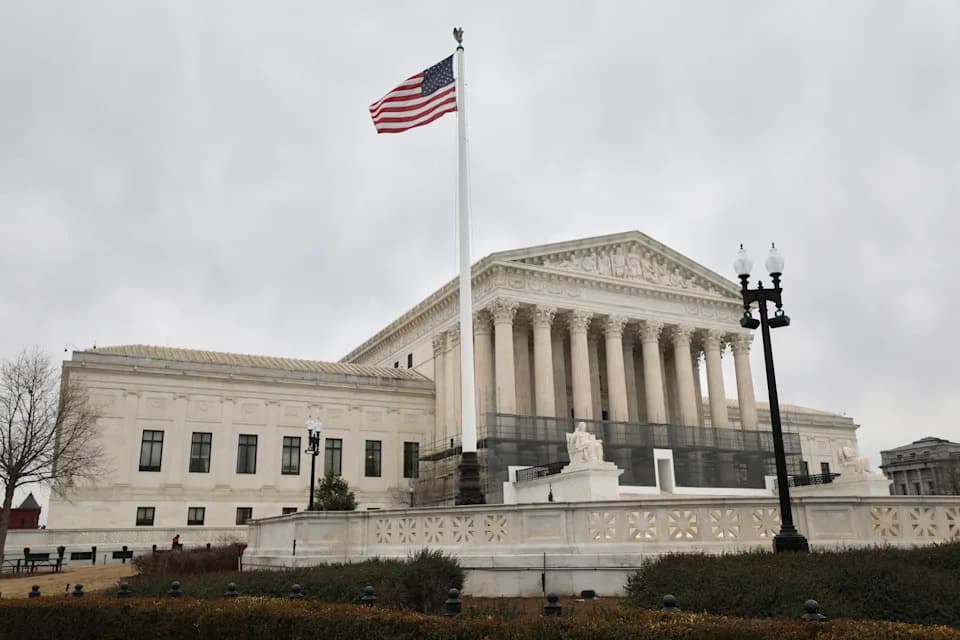
WASHINGTON — Over the past year the Supreme Court has repeatedly affirmed broad presidential authority to remove leaders of many independent agencies. But in a case now before the justices, the court appears poised to treat the Federal Reserve as an exception.
For months the justices have indicated a distinction: while the president can generally dismiss directors of agencies such as the National Labor Relations Board or the Federal Trade Commission for any reason, governors of the Federal Reserve may be removable only "for cause," a standard usually understood to mean neglect of duty, malfeasance, or other serious misconduct.
Last year the court allowed President Donald Trump to remove — at least temporarily — Gwynne Wilcox of the NLRB and Cathy Harris of the Merit Systems Protection Board. Wilcox and Harris had argued that if they could be removed, Fed governors could be as well. The court rejected that comparison, describing the Fed as "a uniquely structured, quasi‑private entity that follows in the distinct historical tradition of the First and Second Banks of the United States."
Case Centered on Fed Governor Lisa Cook
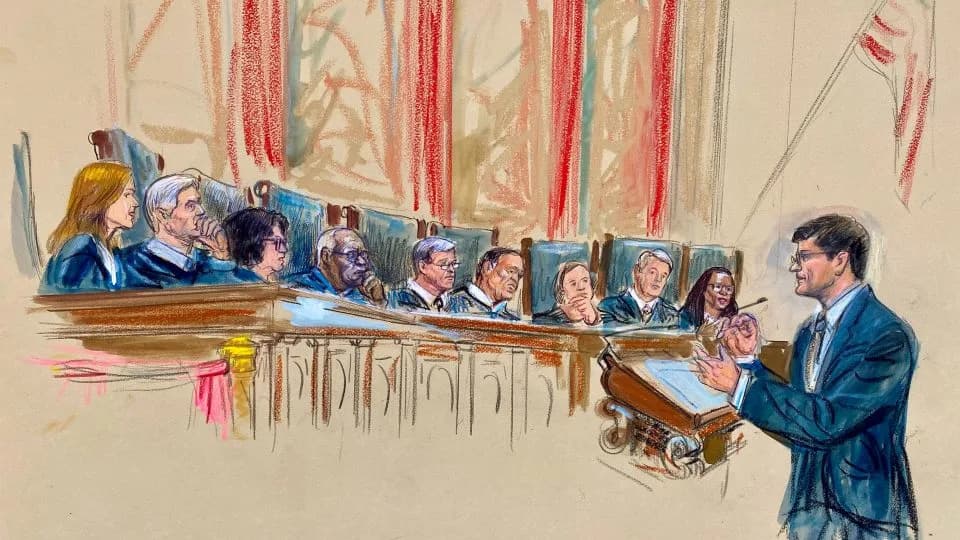
The current dispute tests President Trump’s effort to remove Fed Governor Lisa Cook. During oral arguments the justices signaled they might block an immediate removal and allow Cook to stay in office while lower courts continue to decide the broader merits.
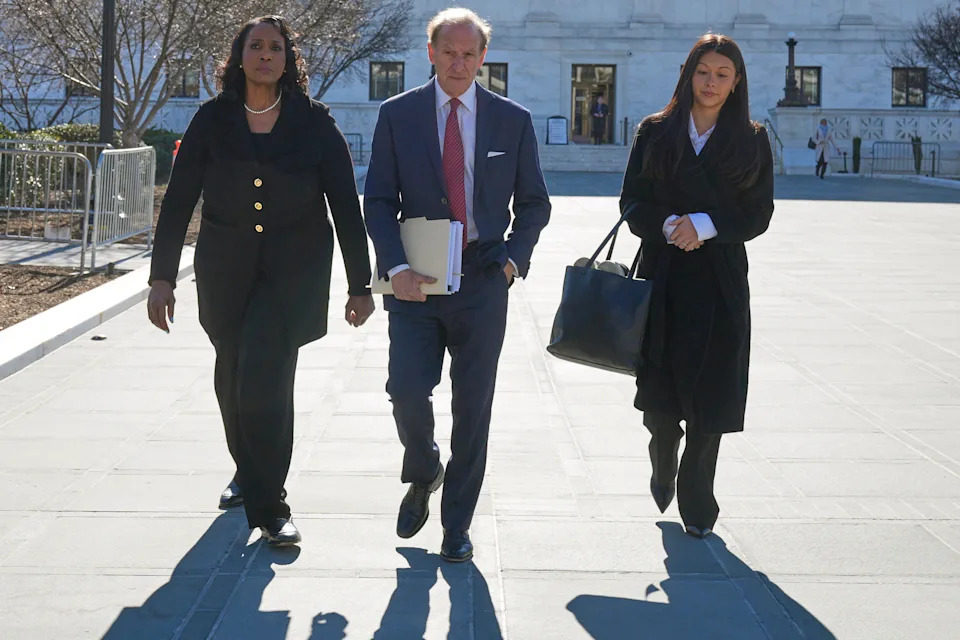
Federal Reserve governor Lisa Cook, left, and her attorneys leave the Supreme Court in Washington, Wednesday, Jan. 21, 2026. (AP Photo/Mark Schiefelbein)(ASSOCIATED PRESS)
“Allowing Cook’s firing to go forward would weaken, if not shatter, the independence of the Federal Reserve,” Justice Brett Kavanaugh said during arguments.
Why the Court Is Hesitant
The court largely avoided answering a deeper constitutional question: what legal principle justifies protecting the Fed while permitting broader presidential removal powers for other independent agencies? Legal scholars are sharply divided.
Some experts argue there is no historical justification for an exception. "There’s no historical grounds for distinguishing the Fed from other independent agencies that Congress has designed," said Jane Manners, a Fordham law professor. Peter Conti‑Brown of the University of Pennsylvania called the distinction "hocus pocus" as a legal and historical matter.
Others emphasize the Fed’s unique role in monetary policy and financial stability. In a brief for the Cook case, Aaron Nielson, a University of Texas law professor, argued that the Fed’s core function — setting monetary policy — traditionally has not been exercised as ordinary executive power. Supporters of this view point to the historical precedent of the First and Second Banks of the United States, which performed early monetary functions outside the executive branch.
By contrast, Columbia law professor Lev Menand contends the Fed performs executive functions when it regulates banks and manages the money supply. "There is no fourth type of government power," Menand said. "There is no other place to locate the Fed."
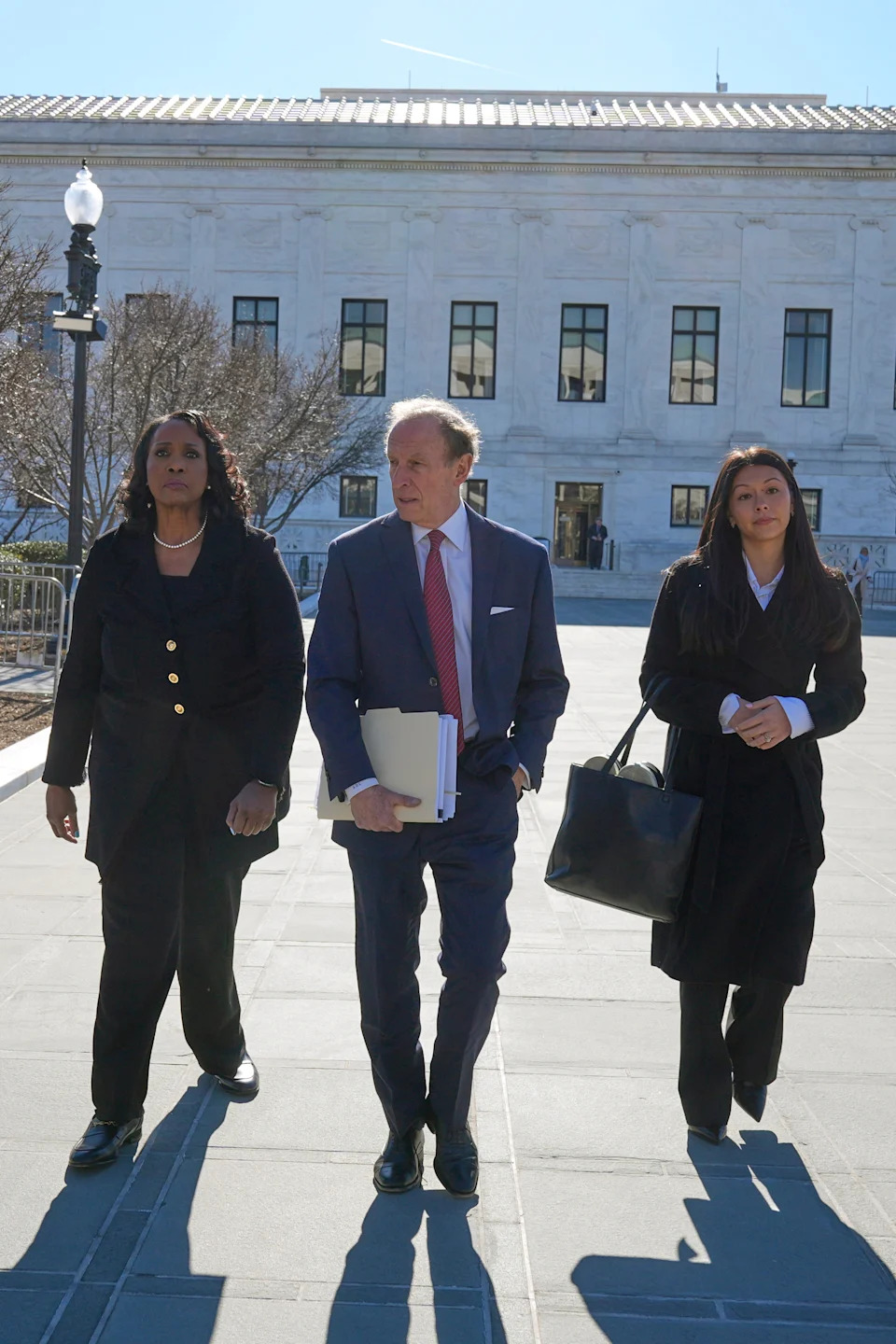
Federal Reserve governor Lisa Cook, left, and her attorneys leave the Supreme Court in Washington, Wednesday, Jan. 21, 2026. (AP Photo/Mark Schiefelbein)(ASSOCIATED PRESS)
Practical and Market Considerations
Some justices and advocates also appear influenced by pragmatic concerns: the Fed’s vast size and central role in financial markets mean abrupt political interference could unsettle investors and the economy. The government’s own Supreme Court lawyer, D. John Sauer, acknowledged the White House was seeking to remove Cook only "for cause" in this instance, which narrowed its argument for immediate removal.
Paul Clement, representing Cook, told the court the government undercut its position by treating the Fed as distinct in this case, rather than arguing the Fed is no different from other agencies.
What Comes Next
The Supreme Court’s initial decision will be narrow: whether Cook may remain in office while the litigation continues in the lower courts. But the case could eventually require the justices to provide a fuller rationale explaining why, if at all, the Fed deserves special constitutional protection from presidential removal power.
Regardless of the outcome, the dispute raises fundamental questions about separation of powers, agency independence, and how the Constitution applies to agencies with major economic responsibilities.
Help us improve.