The Supreme Court granted an expedited hearing on President Trump’s tariffs, but nearly three months after oral argument the court has not issued an opinion. Experts say the delay can reflect an evenly divided bench, separately filed opinions or the court’s crowded emergency docket rather than deliberate foot-dragging. Historical data show decision times vary widely, and the case’s complex separation-of-powers issues and real-time economic effects increase the stakes.
Fast-Tracked but Undecided: Supreme Court Still Weighs Trump’s Tariff Case Nearly Three Months Later
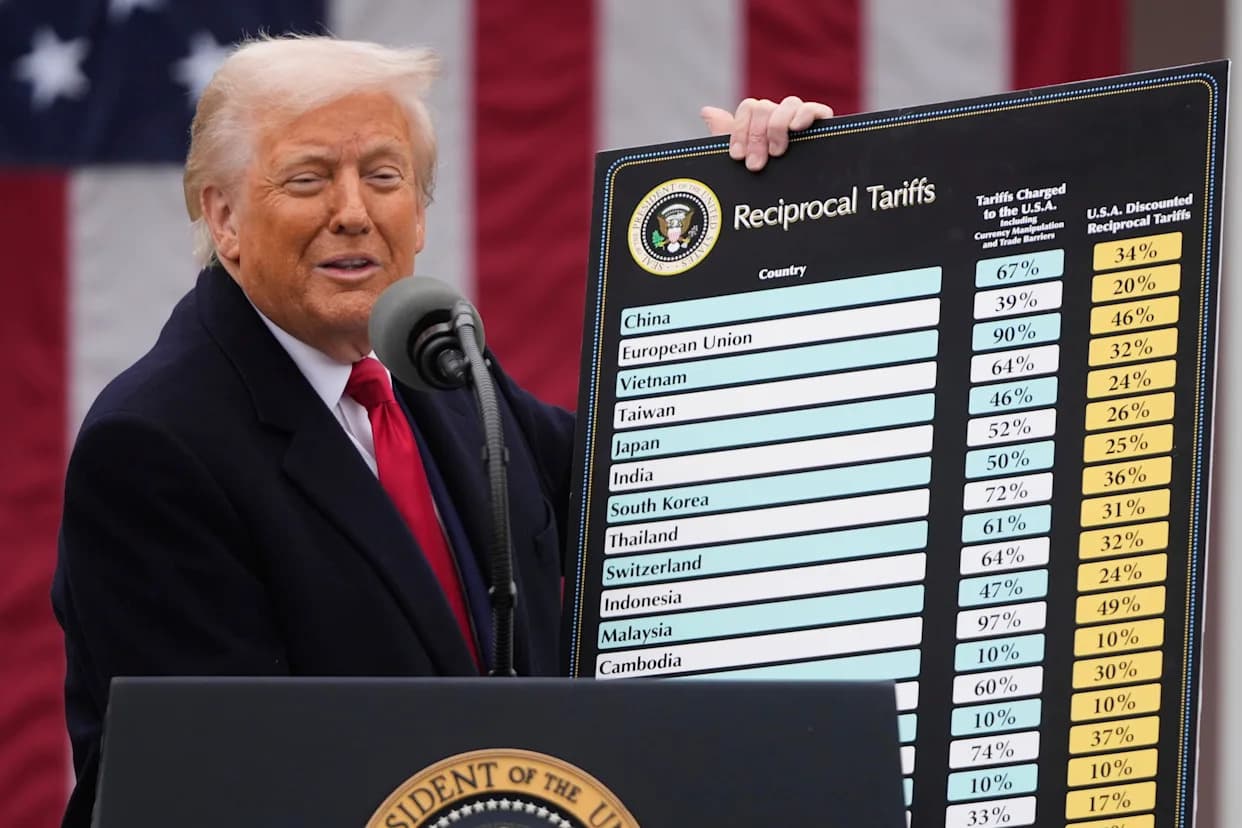
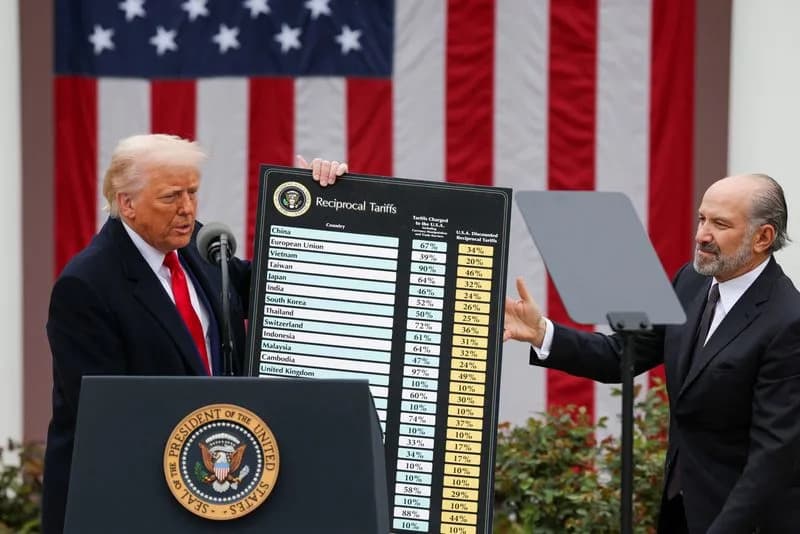
FILE - President Donald Trump speaks during an event to announce new tariffs in the Rose Garden at the White House, April 2, 2025, in Washington. (AP Photo/Mark Schiefelbein, File)(ASSOCIATED PRESS)
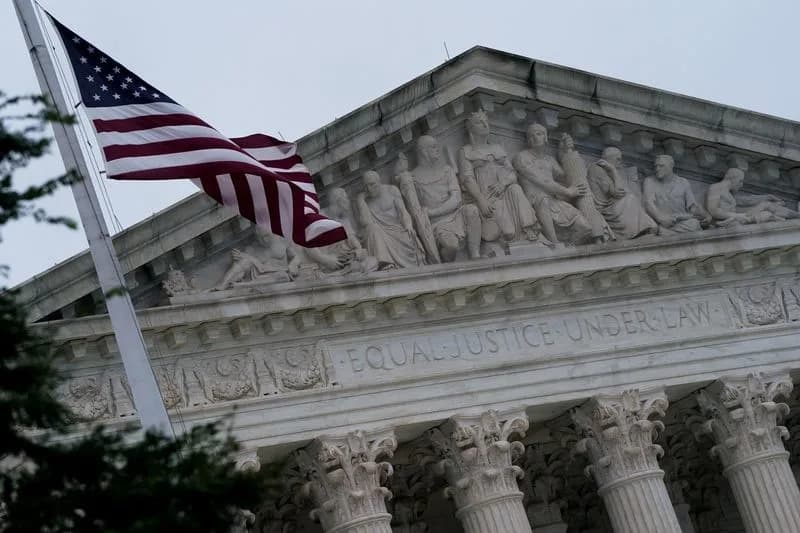
WASHINGTON (AP) — Nearly three months after the Supreme Court granted an unusually expedited hearing on President Donald Trump’s tariff actions, the court has not issued a decision. What once looked like a fast resolution has stretched into a timeline that now appears typical for the high court, leaving observers to parse what the delay might mean.
The administration pressed for speed at oral argument, arguing that a rapid ruling was critical to the president’s economic program. Treasury officials warned of potential economic disruption if the case dragged on. Yet the justices will not sit in public for more than three weeks, and no opinion has been released.
Why the Delay Doesn’t Necessarily Point to One Outcome
There is no public account of the justices’ private deliberations. Several who questioned the administration’s tariff authority at argument showed skepticism, but timing alone does not reveal the result. Legal experts suggest several ordinary reasons for the interval between argument and opinion.
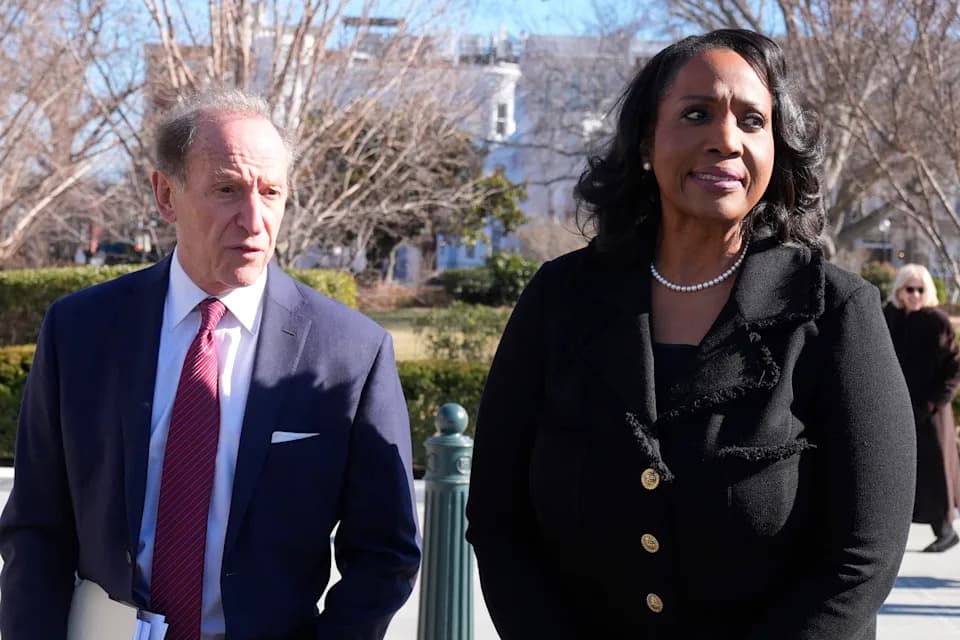
"People suspect this kind of thing from time to time, but I am not aware of instances in which we have more than speculation," said Jonathan Adler, a law professor at the College of William & Mary.
Carter Phillips, a veteran Supreme Court advocate, said the bench may be closer to evenly divided than oral-argument impressions suggested, with a fifth vote still undecided. He also noted that separately filed opinions — especially dissents — often slow publication as the court refines language and reasoning.
Context: Turnaround Times Vary Widely
Empirical data show the court’s average turnaround from argument to opinion over the past 20 years is just over three months, and many opinions are released late in the term. Some cases are resolved in days when deadlines demand rapid action — Bush v. Gore took just over a day; a recent TikTok decision took seven days. Other disputes can take many months: Gundy v. U.S., argued in 2018, required more than eight months.
High-profile rulings on hot-button constitutional issues have sometimes taken six to eight months after argument to resolve, illustrating a broad range of possible timelines depending on complexity and internal disagreement.
Stakes and Next Steps
The tariff dispute raises intricate separation-of-powers questions, and its consequences have been unfolding in real time, affecting exporters, importers and international trade relationships. Legal scholars say the final opinion’s wording will be consequential — not only the result but how the court frames the decision.
"It is the language at the end of the day that’s going to make this more or less meaningful," said Marc Busch, an international trade law expert at Georgetown University.
While the justices deliberate, President Trump continues to defend and promote tariff policy and has characterized the case as critically important. Observers also note another expedited case, involving Louisiana redistricting and a provision of the Voting Rights Act, remains unresolved.
For now, the delay is best read as consistent with the court’s broader practices: complex issues, competing opinions and a busy docket can extend the time between argument and decision, even in cases that were fast-tracked for hearing.
Help us improve.