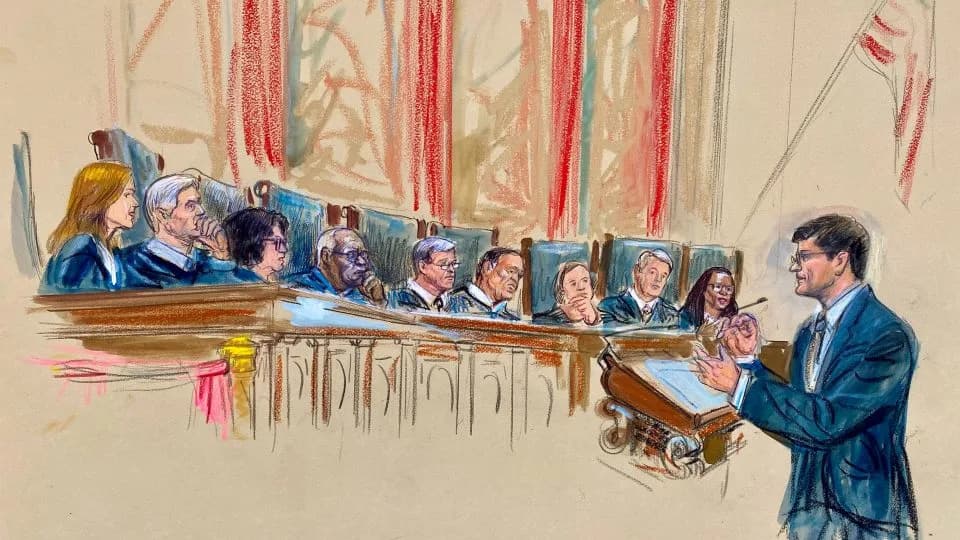
The Supreme Court considered an emergency appeal over President Trump’s bid to remove Federal Reserve Governor Lisa Cook amid mortgage-fraud allegations she denies. Lower courts have blocked the firing, finding governors may be dismissed only "for cause" and that immediate removal would deny Cook due process. If removed now, Cook’s replacement would give Trump four of seven seats on the Fed board, raising concerns among former Fed chairs, Treasury officials and economists about politicizing monetary policy. The justices must decide whether the president can proceed while Cook’s legal challenges continue.
Supreme Court Hears Case That Could Reshape Federal Reserve Independence
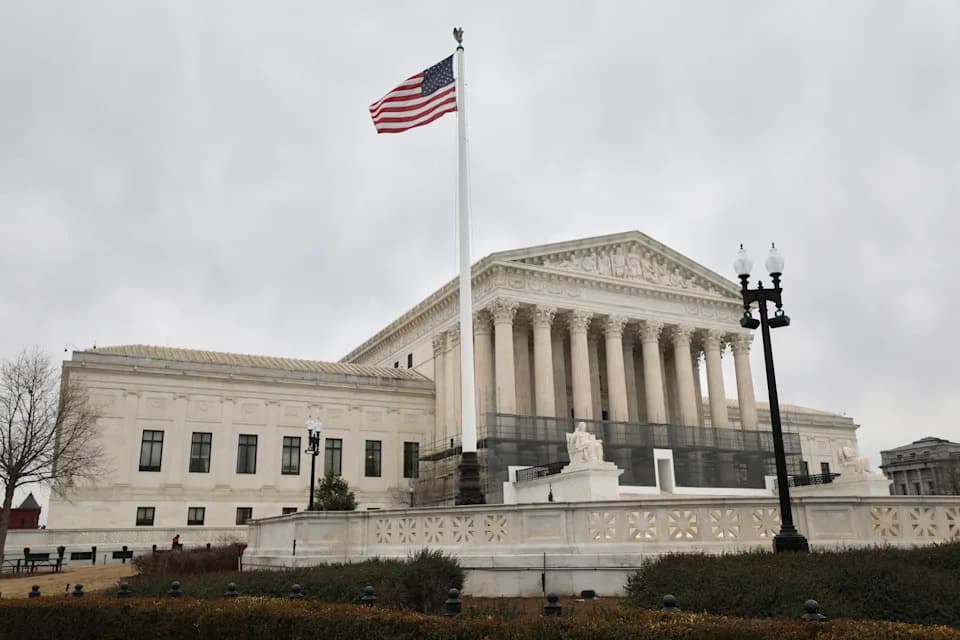
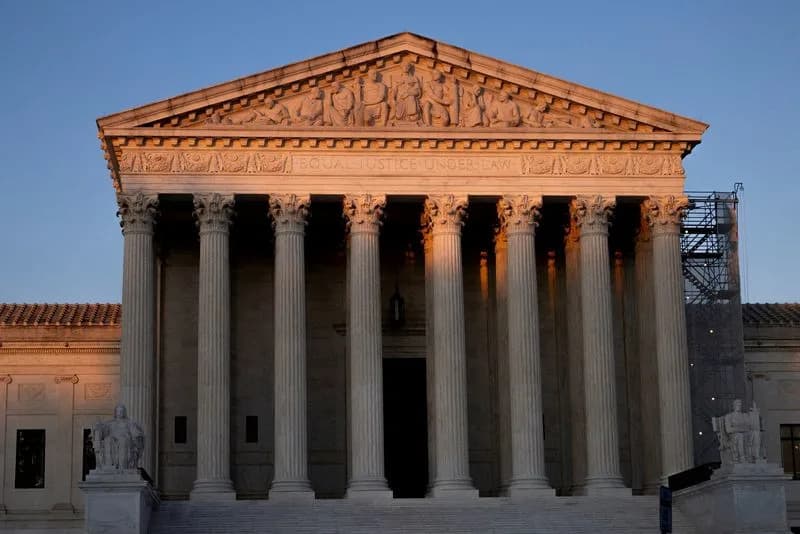
U.S. Supreme Court is seen, Wednesday, Jan. 14, 2026, in Washington. (AP Photo/Rahmat Gul)(ASSOCIATED PRESS)
President Donald Trump’s unprecedented effort to reshape the Federal Reserve’s governing board has landed before the U.S. Supreme Court, which heard emergency arguments over whether the president may remove a sitting Fed governor while her legal challenge proceeds.
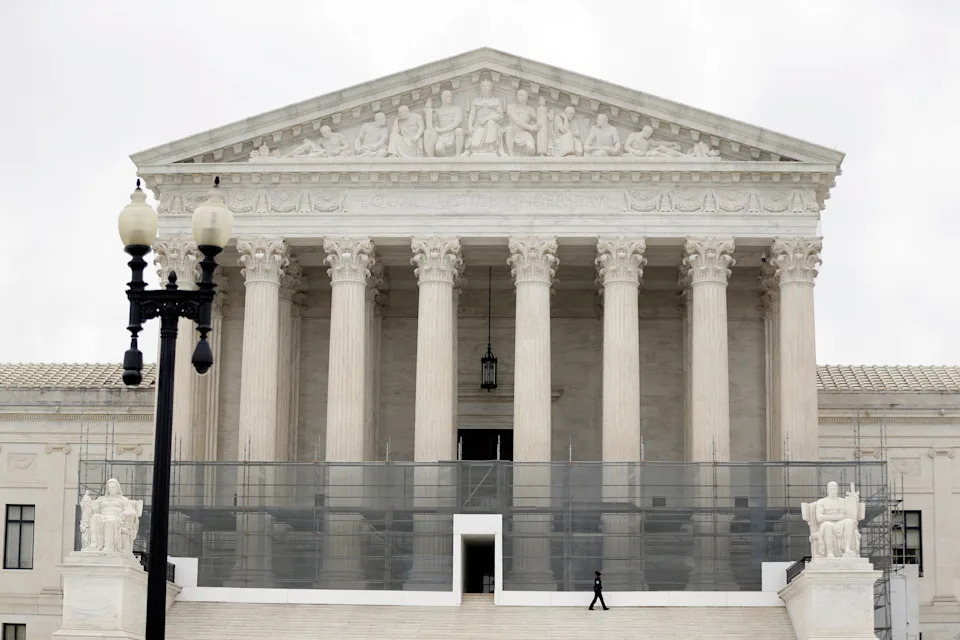
The U.S. Supreme Court is seen, Wednesday, Jan. 14, 2026, in Washington. (AP Photo/Rahmat Gul)(ASSOCIATED PRESS)
The Dispute
The case centers on Trump’s attempt to oust Federal Reserve Governor Lisa Cook, who denies allegations that she committed mortgage fraud. No U.S. president in the Fed’s 112-year history has fired a sitting governor. If the removal is allowed to stand immediately, Trump would have four appointees on the Fed’s seven-member board.
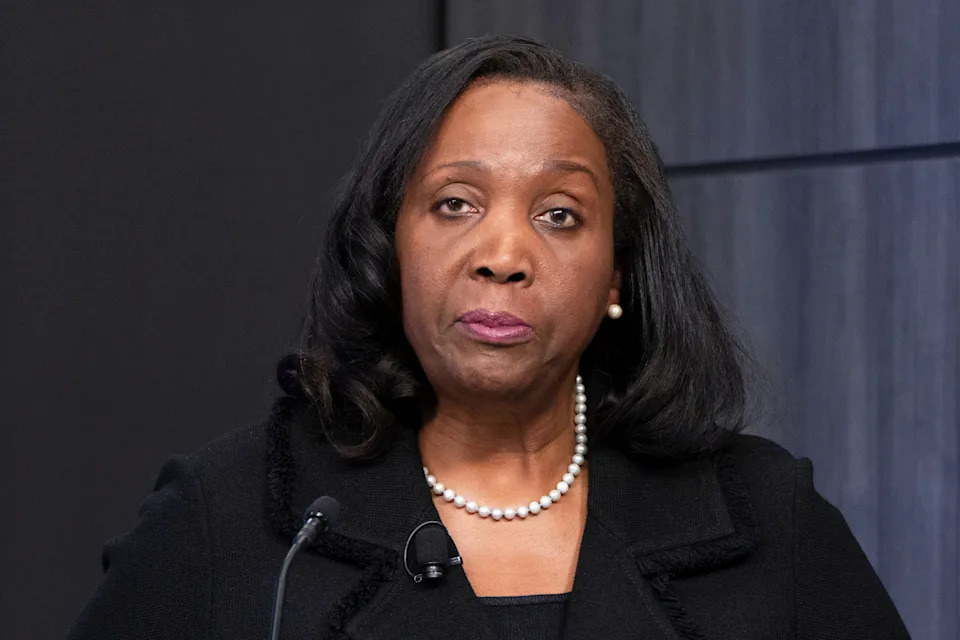
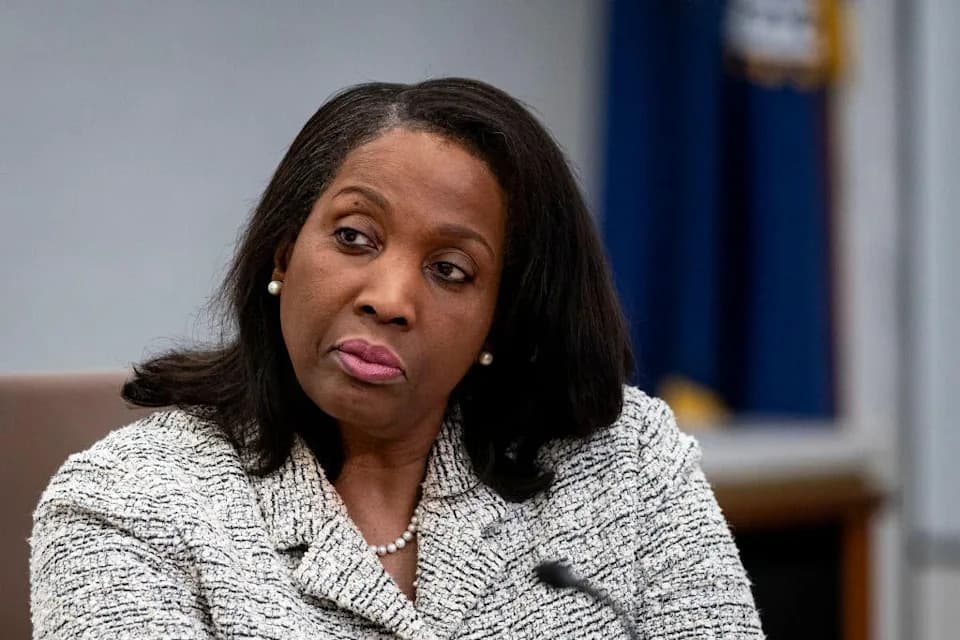
FILE - Lisa Cook, a Federal Reserve Board of Governors member, speaks during an event at the Brookings Institution, Nov. 3, 2025, in Washington. (AP Photo/Mark Schiefelbein, File)(ASSOCIATED PRESS)
Why It Matters
Critics say the move is an attempt to exert political control over interest-rate policy. They contend Trump wants lower rates to reduce borrowing costs for the government and consumers—a politically attractive outcome as concerns about inflation and living costs affect voter sentiment. Economists warn that a politicized Fed would damage its credibility as an inflation fighter and could drive investors to demand higher yields on U.S. Treasury debt.
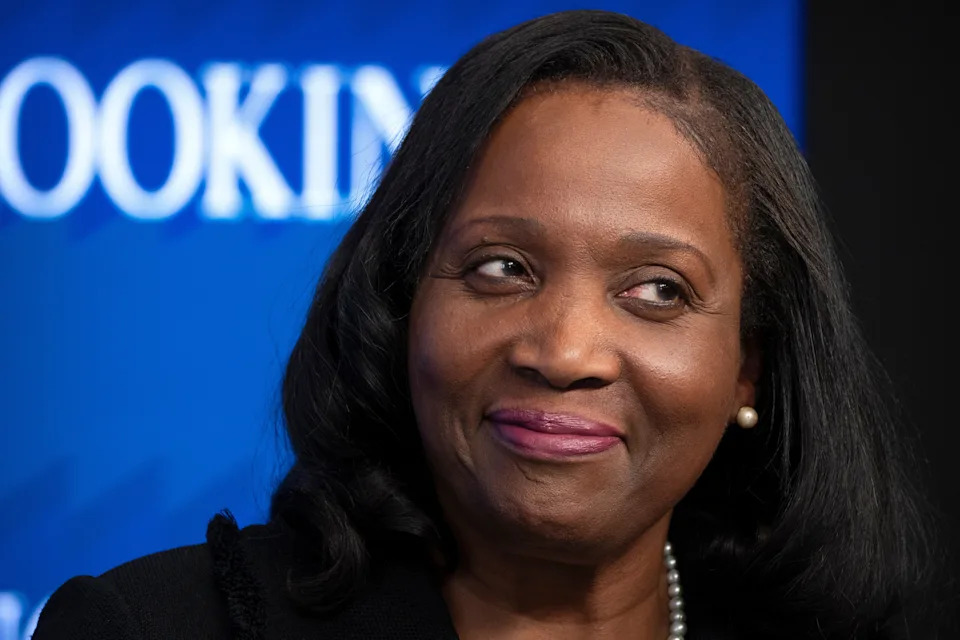
FILE - Lisa Cook, a Federal Reserve Board of Governors member, reacts during an event at the Brookings Institution, Monday, Nov. 3, 2025, in Washington. (AP Photo/Mark Schiefelbein, file)(ASSOCIATED PRESS)
Legal Arguments And Court Actions
Lower courts have blocked Cook’s removal. U.S. District Judge Jia Cobb ruled the administration did not meet the legal standard showing Fed governors may be dismissed only "for cause," a limitation Cobb interpreted as applying to misconduct while in office. She also found an immediate firing would deny Cook due process to contest removal. A three-judge panel of the federal appeals court in Washington, by a 2-1 vote, declined to allow the firing to proceed.
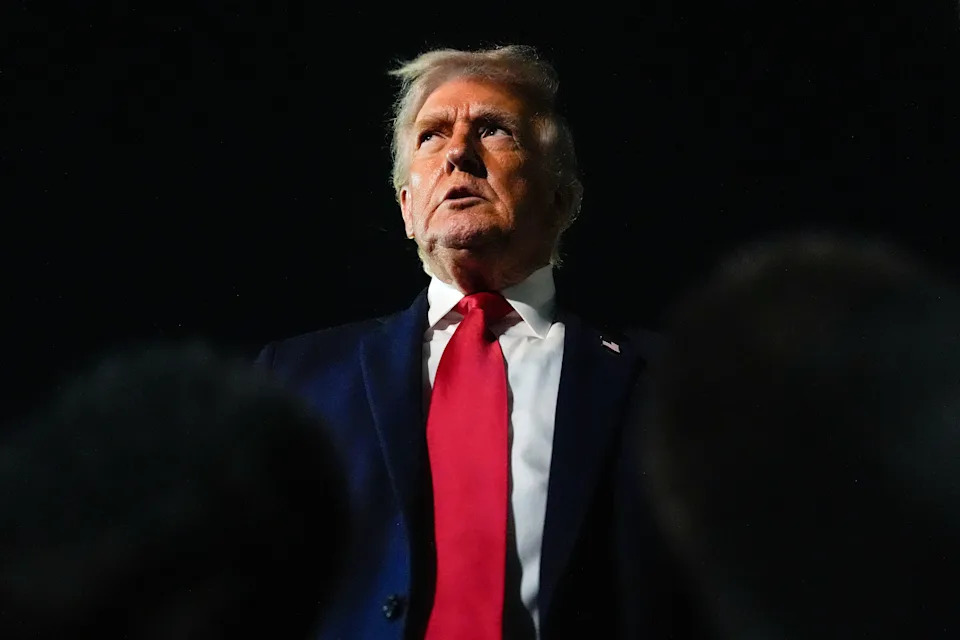
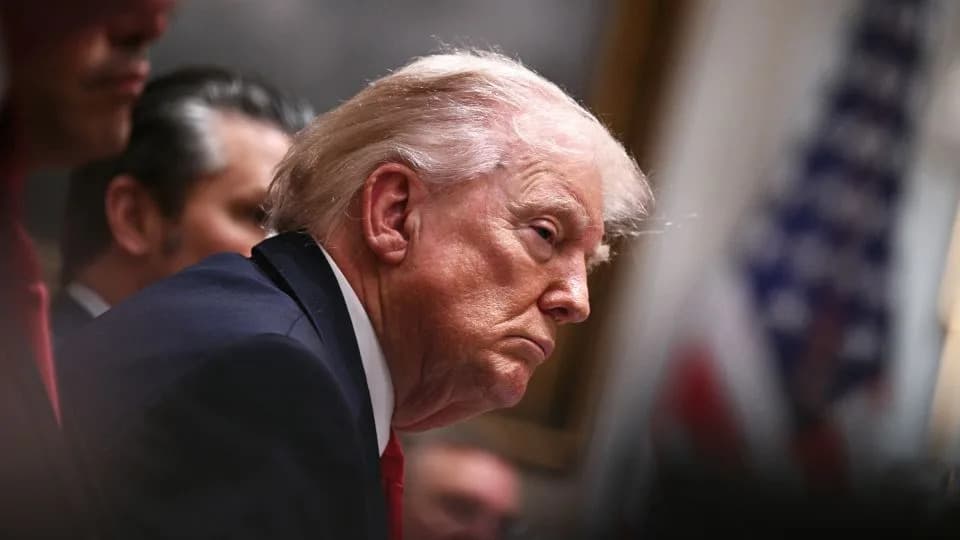
President Donald Trump speaks with reporters after arriving at Palm Beach International Airport, Monday, Jan. 19, 2026, in West Palm Beach, Fla. (AP Photo/Julia Demaree Nikhinson)(ASSOCIATED PRESS)
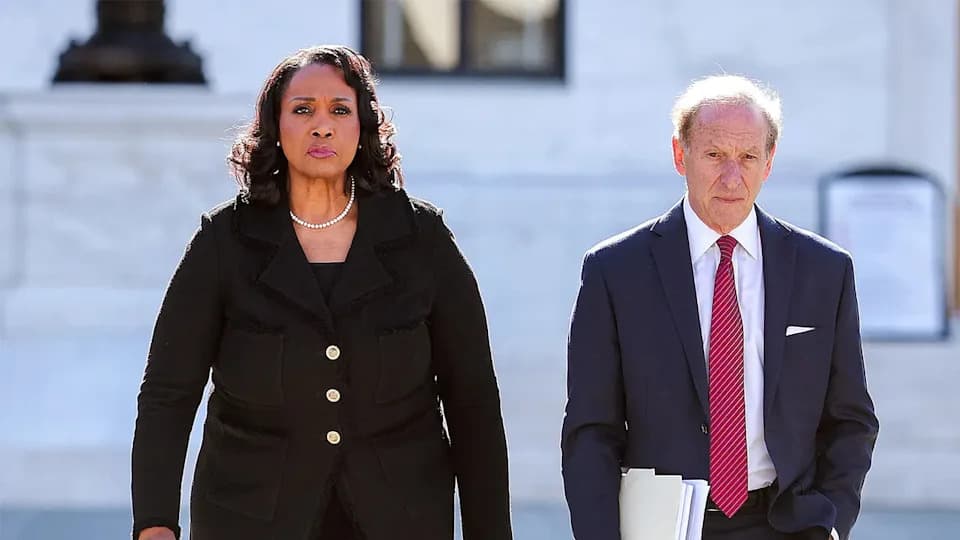
The Trump administration asked the Supreme Court to permit Cook’s removal while litigation continues. Solicitor General D. John Sauer argued the president lawfully concluded Cook’s alleged misrepresentations about mortgage applications made her unfit to help set interest rates. Cook’s lawyers responded that the case rests on unproven allegations and that she should remain on the board while the facts are developed.
Broad Pushback
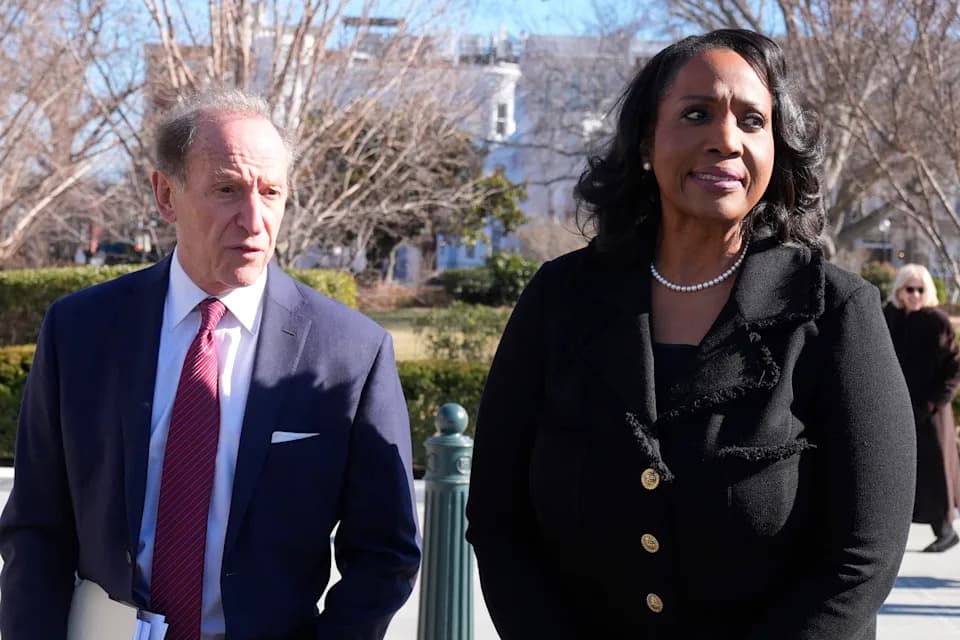
Concerns about preserving the Fed’s independence led the three living former Fed chairs—Alan Greenspan, Ben Bernanke and Janet Yellen—along with several former Treasury secretaries and other senior economic officials, to file in Cook’s defense. Their filing warned that immediately removing a governor for political reasons would erode public confidence in the Fed and weaken U.S. monetary-policy credibility.
Escalating Tensions
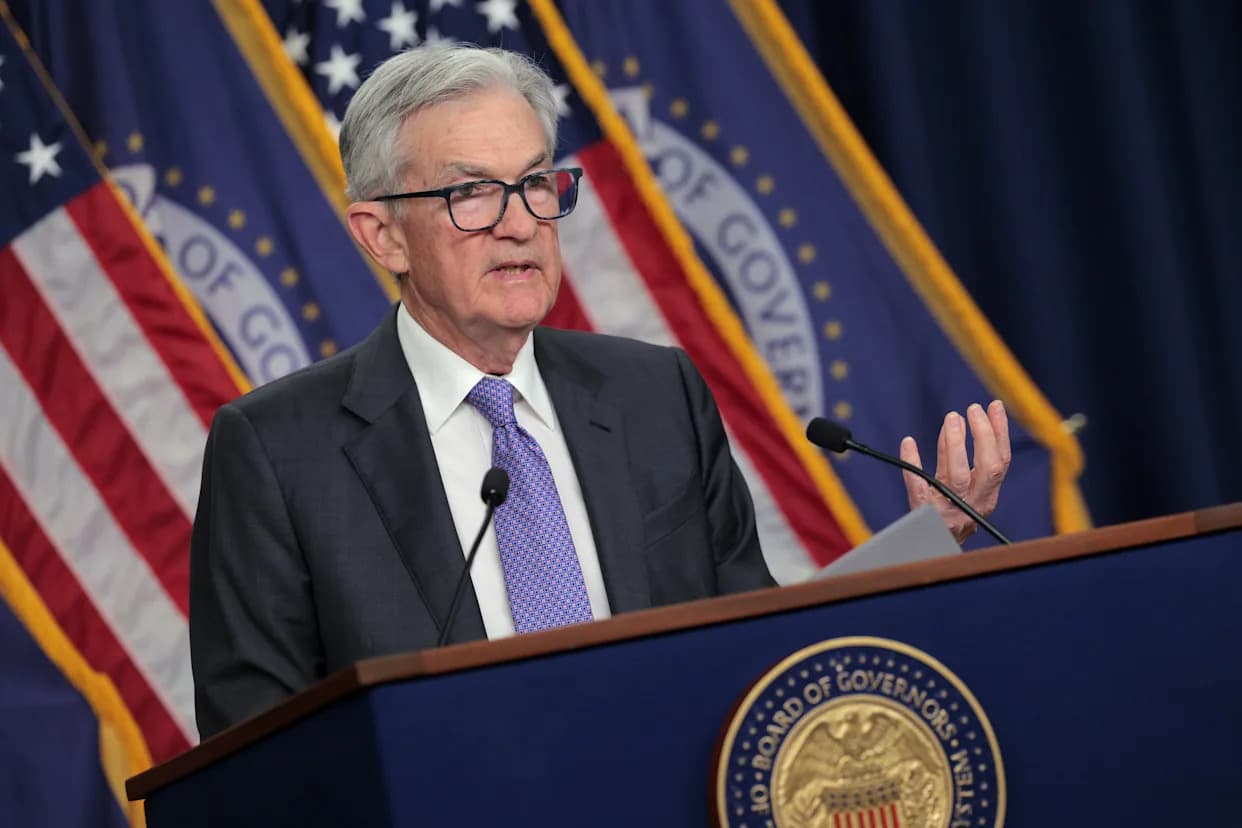
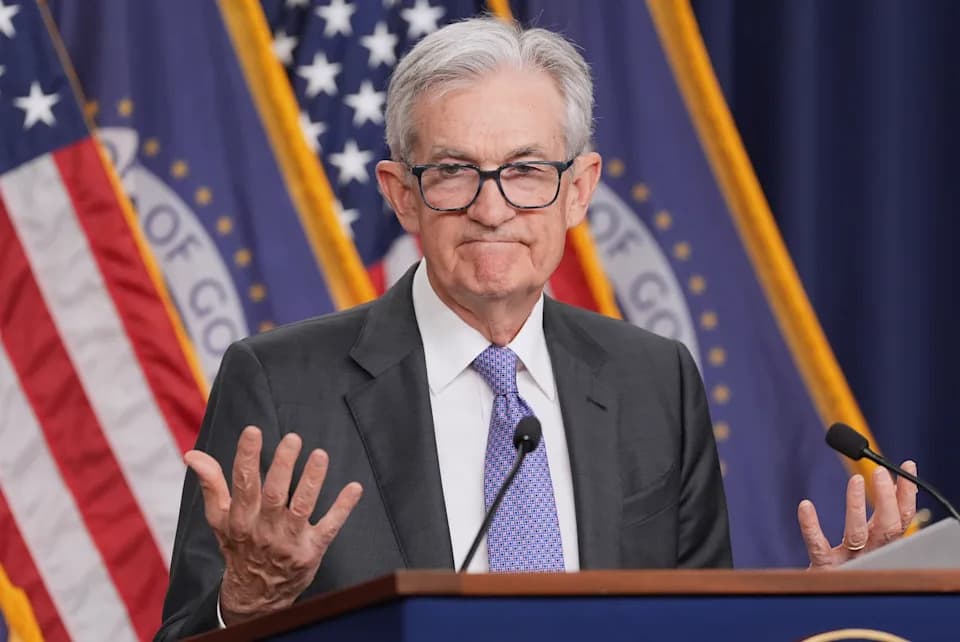
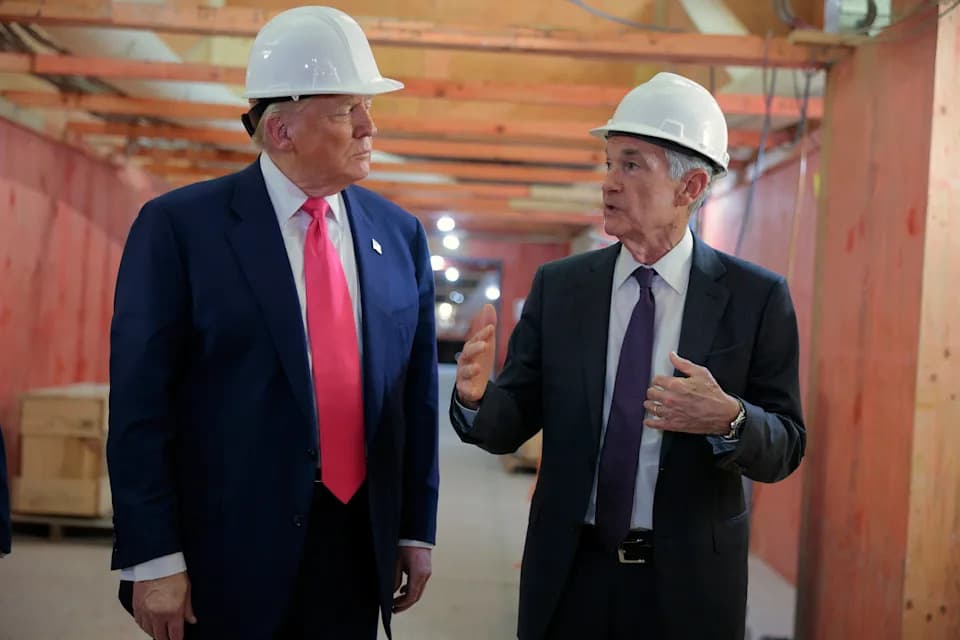
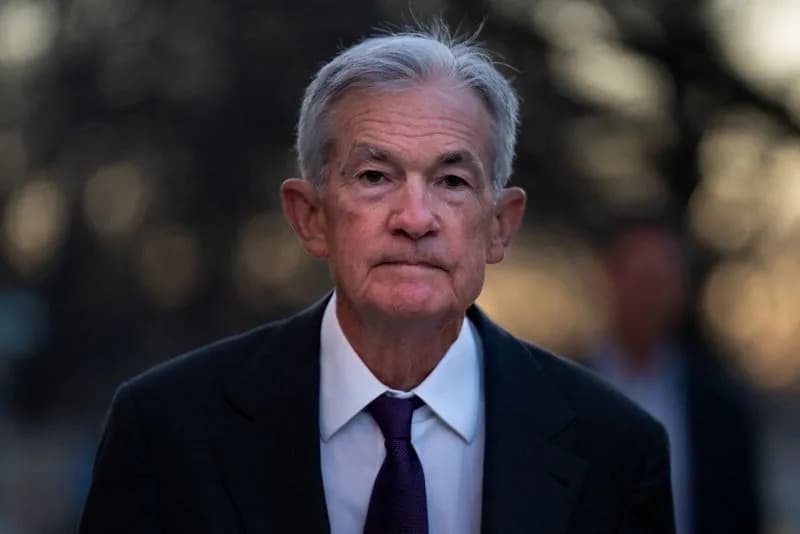
The dispute has coincided with heightened tensions between the White House and the Fed. The Justice Department has opened a criminal inquiry into Fed Chair Jerome Powell and issued subpoenas to the central bank; Powell publicly called threats of criminal charges “pretexts” meant to pressure monetary policy decisions. The DOJ says its inquiry also concerns testimony about the cost of major Fed building renovations.
“This case is about much more than Cook,” Columbia law professor Lev Menand wrote in a brief supporting Cook. “It’s about whether the president will be able to take over the Federal Reserve board in the coming months.”
The Supreme Court’s decision will address whether courts can review a president’s decision to remove a Fed governor and whether such a removal may occur while the governor challenges it in court. The outcome has implications not only for Lisa Cook but for the institutional independence of the Federal Reserve itself.
Reporter Note: Lisa Cook has denied wrongdoing and has not been criminally charged. The allegations stem from mortgage documents related to properties she owned prior to joining the Fed; her lawyers describe those references as harmless and contradicted by other disclosures.
Help us improve.