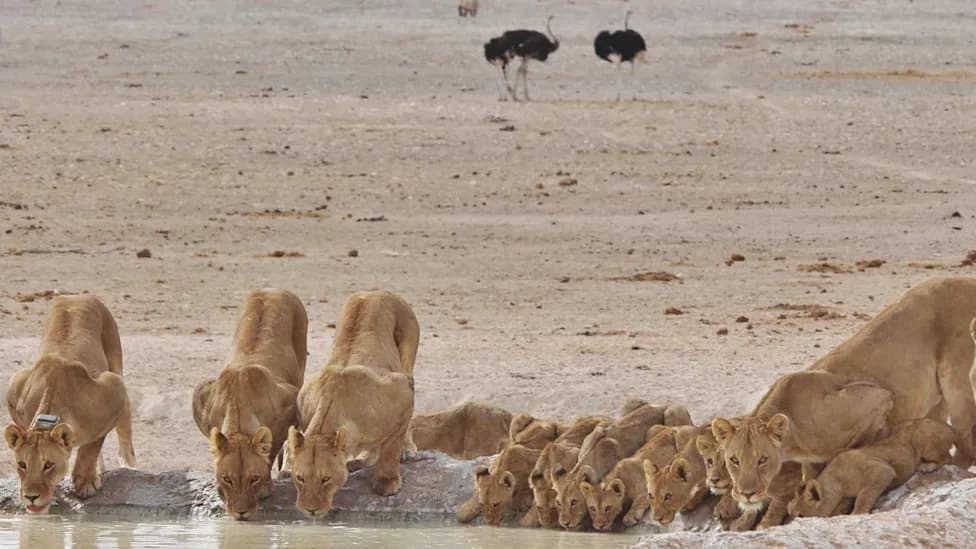
The Asiatic lion has made a strong recovery in Gir National Park, with numbers rising from 627 to 891 in five years thanks to decades of habitat protection, veterinary care and strong local support. Poaching has all but disappeared, but the growing population now roams beyond park boundaries, increasing livestock losses and occasional human-wildlife conflict. Long-term risks remain because most lions are concentrated in one region with limited genetic diversity, prompting debate over relocation and establishing a second population.
Asiatic Lions Rebound in Gir: Conservation Triumph Raises New Challenges

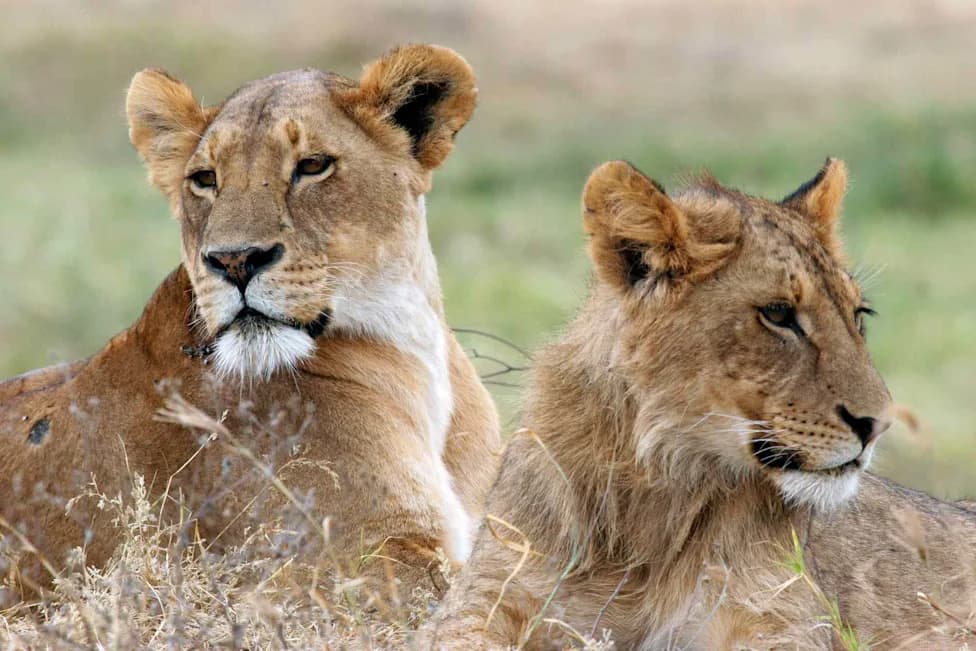
A deep, resonant roar shattered the quiet of Gir National Park before the dark outline of a lioness emerged — a striking reminder that decades of focused conservation have pulled the Asiatic lion back from the brink.
In Gir, the species now occupies roughly 1,900 square kilometres (about 735 sq miles) of savannah and mixed acacia and teak woodland — its last stronghold in India. Park authorities report the population has risen from 627 to 891 animals in five years, a roughly one-third increase that officials call a "huge success."
Conservation Efforts and Local Support
Gir's recovery is the result of more than three decades of sustained measures: habitat protection, securing water sources and roads, providing veterinary care and even building a wildlife hospital. Strong local cultural and economic support — driven in part by tourism — has helped eliminate poaching: officials say there have been no recorded poaching cases in the area for more than a decade.
"These are our lions," said Prashant Tomas, deputy park official. "People are very possessive about them."
Why It Worked
Conservationists note a simple principle: give the lions space, protect them and provide prey, and the population can recover. In 2008 the Asiatic lion was downlisted on the IUCN Red List to "endangered" from higher-threat categories, reflecting improved prospects — though the species remains at risk.
New Challenges: Range Expansion and Human Conflict
As lion numbers grow, individuals and small groups now move far beyond Gir's formal boundaries. About half the population ranges across an area of roughly 30,000 km², which has coincided with rising livestock losses and occasional human-wildlife conflict. Reported livestock killings increased from 2,605 in 2019–20 to 4,385 in 2023–24. There are no official national figures for attacks on people, but experts estimate around 25 such incidents annually; some, like an August attack that killed a small child, have drawn national attention.
Conservation Trade-Offs
Local communities have largely accepted some livestock losses in exchange for the economic and cultural benefits of living alongside the lions — a factor many conservationists cite as key to Gir's success. Nevertheless, rising conflicts are straining resources and testing coexistence strategies.
Long-Term Risks
Despite population gains, the Asiatic lion remains vulnerable. Most of the animals form a single, geographically concentrated population with limited genetic diversity, which raises concerns about disease, inbreeding and catastrophic loss from a single disaster. Gujarat authorities have resisted relocating some lions to establish a separate, second population — even in the face of Supreme Court direction — arguing that satellite groups within Gir already spread risk to some degree.
Scientists and conservation groups advocate for measured expansion of safe habitat and, where feasible, establishing a second, genetically viable population to reduce long-term risk.
Broader Impact
Conservation of the Asiatic lion has had wider biodiversity benefits. As a flagship species, protecting lions has helped preserve the forests and other wildlife that share their habitat, creating a broader conservation legacy across the region.
Key figures: Lion population up from 627 to 891 in five years; core habitat ~1,900 km²; roughly half the population ranges over ~30,000 km²; livestock killings rose from 2,605 (2019–20) to 4,385 (2023–24); ~25 estimated human attacks per year; poaching largely eliminated for over a decade.
Help us improve.