Redistricting fights across the U.S. are accelerating ahead of the 2026 midterms. The Supreme Court is poised to decide whether Texas may use a new GOP-leaning map while California’s Proposition 50 faces a federal challenge. Several states — including Indiana, Virginia, Missouri, North Carolina, Utah, Florida, Ohio, Maryland and New York — are confronting legislative fights, lawsuits or judicial rulings that could shift multiple House seats.
Redistricting Heat Map: Where Key States Stand Ahead Of The 2026 Midterms
Redistricting fights are intensifying across the United States as multiple states move to redraw congressional boundaries ahead of the 2026 midterm elections. National political pressure, litigation and state-level maneuvering mean changes made now could reshape several competitive House seats.
Overview
The U.S. Supreme Court is weighing whether Texas may use a newly drawn, Republican-leaning map as candidates prepare to file for office. Meanwhile, voters, state legislatures and courts in several other states — including California, Indiana, Virginia, Missouri, North Carolina, Utah, Florida, Ohio, Maryland and New York — are engaged in battles over maps that could shift the balance of power in the House.
Texas
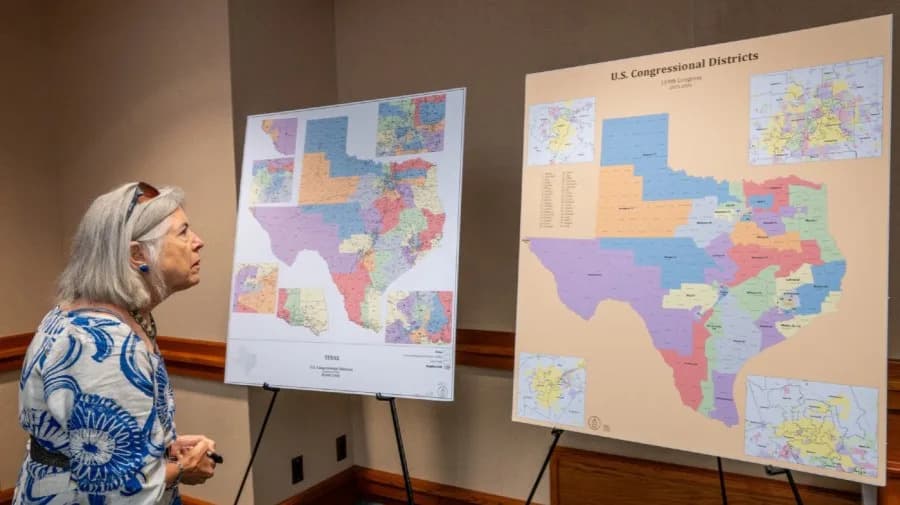
Texas lawmakers approved a new congressional plan this summer designed to create as many as five pickup opportunities for Republicans, a push that followed pressure from former President Trump and his allies. A federal panel temporarily concluded the map was likely a racial gerrymander, prompting an appeal to the U.S. Supreme Court. Justice Samuel Alito granted a temporary stay allowing the map to take effect while the high court prepares a final ruling. With candidate filing deadlines approaching, a decision from the Court is expected soon.
California
California voters overwhelmingly approved Proposition 50 in a November special election, adopting a new congressional map favorable to Democrats that could create up to five pickup opportunities for the party. Republicans filed suit immediately after the vote, and the Trump administration has joined the litigation, alleging unconstitutional racial gerrymandering. A federal panel has scheduled a hearing on the challenge for Dec. 15.
Indiana
Indiana Republicans have faced pressure to redraw maps, but some GOP legislators have resisted. An Indiana House panel recently advanced a proposed map to the full House, and the Indiana Senate is expected to consider any House plan. It remains unclear whether the Senate will muster the votes needed to approve the new lines.
Virginia
Virginia Democrats initiated a mid-decade redistricting push after passing a bill in October to authorize the process. The measure requires a second legislative passage before it can appear as a constitutional amendment on a special-election ballot, likely in spring or summer. The proposed map is expected to create at least two additional Democratic-leaning districts; several Republican efforts to block the initiative have so far failed.
Missouri
Earlier this year Missouri Republicans passed a new congressional map that dismantled Rep. Emanuel Cleaver’s district and added an extra pickup opportunity for the GOP. Opponents are pursuing litigation and a referendum to block the map; a judge is expected to decide soon whether the referendum can proceed.
North Carolina
North Carolina Republicans drew a new congressional map in October that weakens Rep. Don Davis’s position in the competitive 1st District. A federal panel recently ruled the map may be used in the 2026 cycle after opponents sought to block it before the midterms.
Utah
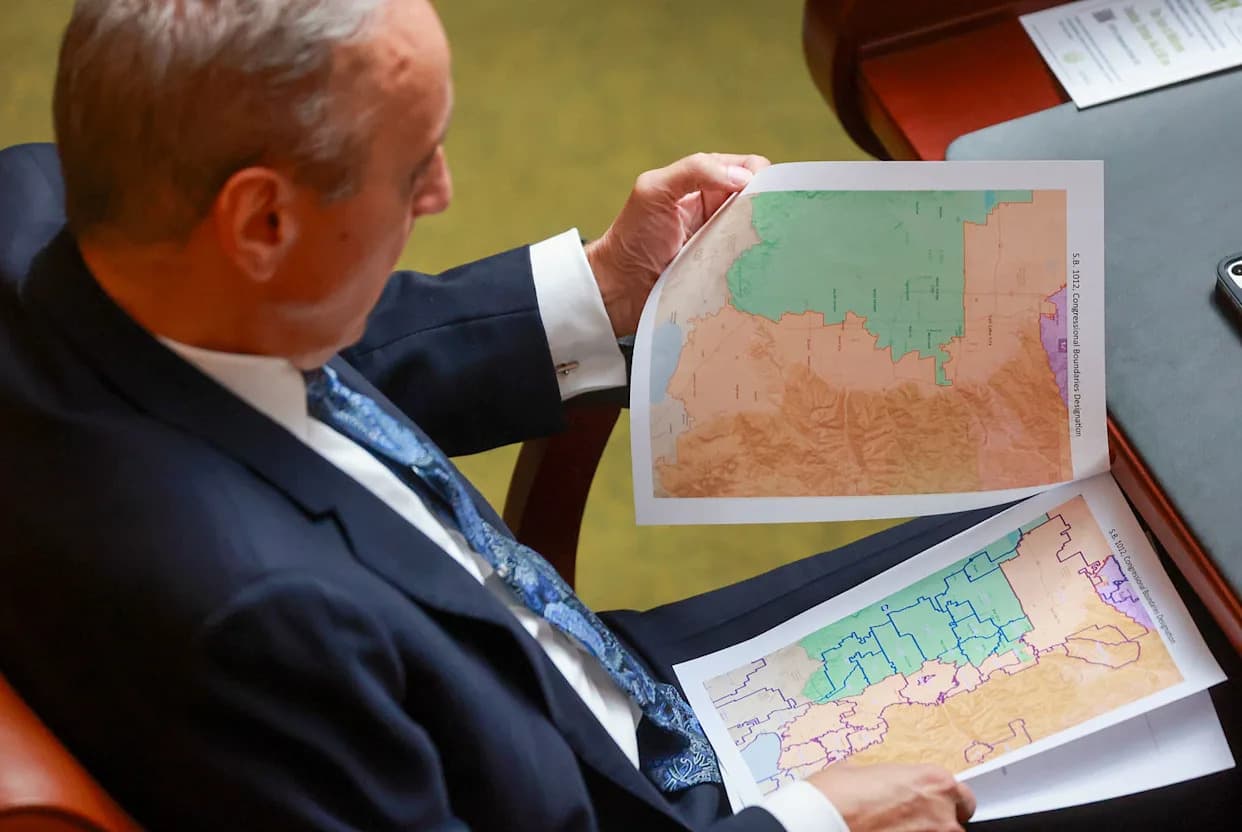
A Utah judge selected a House map for 2026 that gives Democrats one pickup opportunity. The decision followed a court order earlier in the year directing Republicans to redraw their plan after finding they had bypassed a 2018 voter-approved initiative that reformed the state’s redistricting process.
Florida
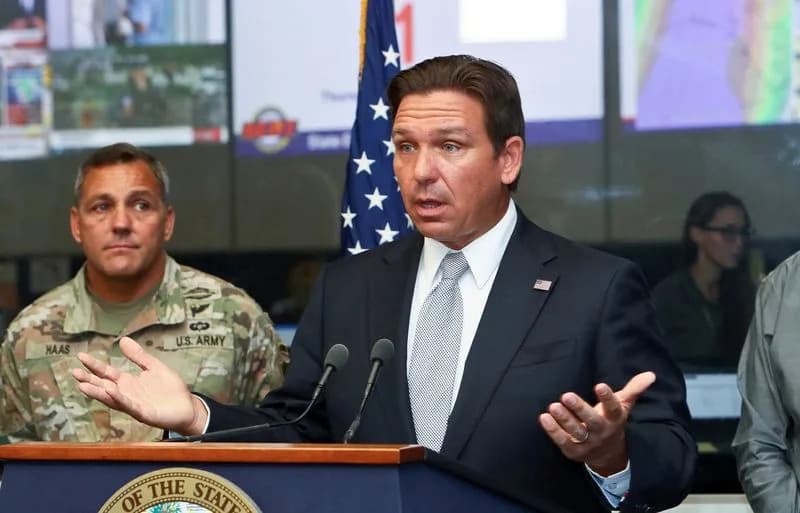
Florida Republicans are advancing new congressional lines. Gov. Ron DeSantis has said he plans to call a special legislative session, likely between March and May, to finalize redistricting. A state House redistricting panel has also begun meeting to prepare proposals.
Ohio
Ohio lawmakers reached a deal in October that shifts two Democratic-held seats — Rep. Greg Landsman’s 1st District and Rep. Marcy Kaptur’s 9th District — toward Republicans, while slightly making Rep. Emilia Sykes’s 13th District bluer. Those remaps were required after earlier plans were enacted without sufficient bipartisan support, limiting their duration to four years rather than a full decade.
Maryland
Gov. Wes Moore has signaled interest in pursuing redistricting, but the effort faces opposition within the Democratic caucus, notably from Senate President Bill Ferguson. Maryland Democrats’ post-2020 effort to draw an 8-0 map was struck down in 2022 as a partisan gerrymander — a legal risk they must weigh if they attempt new lines again.
New York
Voters filed a lawsuit in October challenging the map for New York’s 11th Congressional District, represented by Rep. Nicole Malliotakis (R), arguing Black and Latino Staten Islanders have less opportunity to elect their preferred representative. A legal victory could be Democrats’ most viable path to changing New York’s map before 2026; otherwise, pursuing a constitutional amendment to bypass the state redistricting commission would likely delay any new map until 2028.
Legal battles, partisan pressure and state-level tactics mean redistricting will remain a central and contested issue as parties position themselves for the next Congress.
Help us improve.