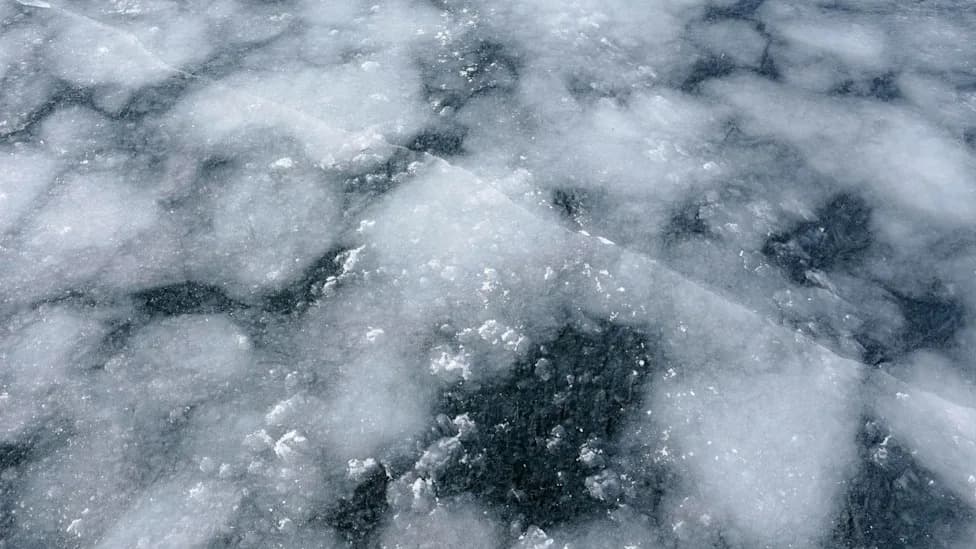
Iceland warns that accelerating Arctic melt could weaken the Atlantic Meridional Overturning Circulation (AMOC), posing national security and global climate risks. Freshwater from melting ice changes ocean salinity and density, potentially slowing the current that moderates European climate. Nordic governments are funding research into both the physical and societal consequences, and officials urge immediate action and public awareness rather than waiting for long-term certainty.
Iceland: Rapid Arctic Melt Threatens Atlantic Currents — "We Cannot Afford to Wait"
Iceland's government has issued an urgent warning that accelerating Arctic ice melt poses a national security risk by threatening the Atlantic Ocean's major circulation system. Officials say the influx of freshwater from melting ice could weaken or disrupt the Atlantic Meridional Overturning Circulation (AMOC), which helps carry warm tropical waters north and moderates European climates.
Rising global temperatures are causing Arctic ice sheets to melt at unprecedented rates. The added freshwater changes the ocean's salinity and density structure, which in turn can slow the large-scale currents that transport heat around the globe.
Why this matters
If the AMOC slows significantly or collapses, the effects could be profound and wide-ranging: colder European winters in some regions, altered rainfall and wind patterns, shifts in agricultural zones, and impacts on fisheries and marine transport. Paleoclimate records indicate a major circulation collapse more than 12,000 years ago helped trigger abrupt, colder conditions; modern climate change raises concern about similar disruptions on different timescales and with different consequences.
As ocean waters warm and continental ice continues to melt, scientists expect circulation to decelerate, changing how heat and nutrients are distributed across the planet. These physical changes would cascade into social and economic impacts — from food security and trade routes to coastal communities and national planning.
Jóhann Páll Jóhannsson, Iceland's Climate Minister: Sea ice changes could affect marine transport, and extreme weather could severely strain agriculture and fisheries, which are central to our economy and food systems. We cannot afford to wait for definitive, long-term research before acting.
Nordic governments and regional bodies are already funding workshops and research to assess both the physical risks to ocean circulation and the societal consequences of potential changes. Experts note that while there is substantial research on the likelihood and timing of particular AMOC responses, far less attention has been paid to detailed societal impacts and preparedness.
Officials and scientists emphasize that mitigation of greenhouse gas emissions, improved monitoring of ocean and ice conditions, and planning for resilient food, transport and energy systems are essential. Public awareness and informed policy decisions can help reduce risks and improve preparedness for a range of climate-driven outcomes.
Help us improve.