Greenland recorded its warmest January on record, with Nuuk averaging +0.2°C—well above the 1991–2020 mean of -7.7°C. Scientists say the island is warming about four times faster than the global average, shrinking sea ice and disrupting transport. The warming threatens fisheries, which made up 23% of GDP and 15% of jobs in 2023, and could make extraction of critical minerals more feasible, altering Greenland’s economic and strategic outlook.
Greenland Records Warmest January As Rapid Warming Shifts Economic Outlook From Fisheries To Minerals
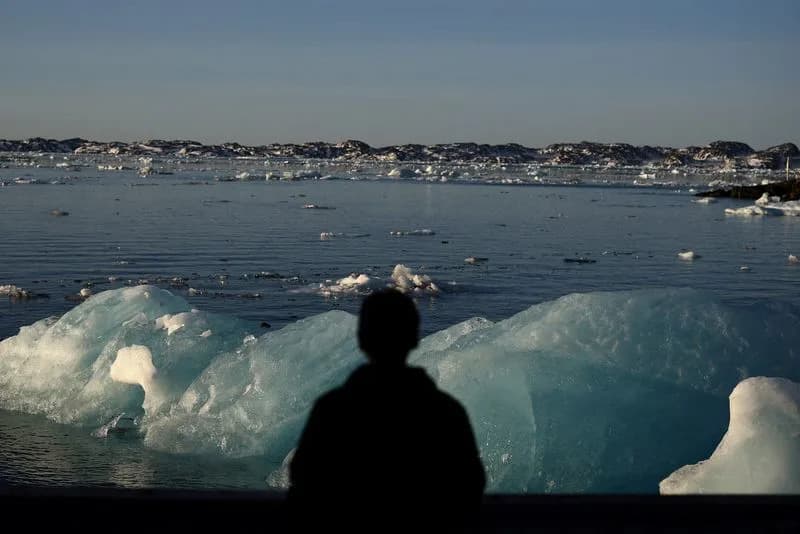
A man looks at floating ice at the old harbour of Nuuk, Greenland, January 29, 2026. REUTERS/Stoyan Nenov
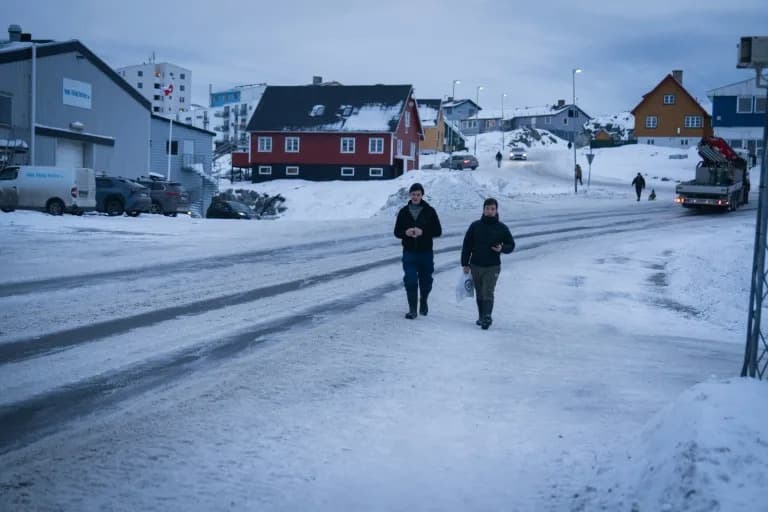
NUUK, Feb 4 — Greenland recorded its warmest January on record this year, underscoring an accelerated warming trend that is already reshaping the island’s economy and strategic importance.
Record Temperatures and Rapid Warming
Preliminary data from the Danish Meteorological Institute show Nuuk averaged +0.2°C (32.4°F) in January, far above the 1991–2020 mean of -7.7°C. Scientists say Greenland is warming at roughly four times the rate of the global average, with pronounced implications for sea ice, ecosystems and human activity.
Impact On Sea Ice, Transport And Tourism
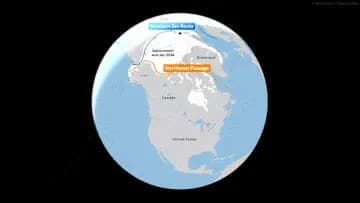
Milder winters mean sea ice forms less far south and is thinner where it does develop. That reduces its usefulness for coastal transport and traditional travel routes. Tourism operators report that lack of stable snow and ice is already disrupting snowmobile and ski excursions, forcing businesses to adapt or suspend seasonal offerings.
Fisheries Under Pressure
Fishing remains Greenland’s economic backbone. Catches of shrimp, halibut and cod were the island’s largest exports in 2023, with the sector accounting for 23% of GDP and providing 15% of jobs. Warming waters can alter marine food webs and species distributions, posing risks to fish stocks and the communities that rely on them, although exact outcomes remain uncertain.
Mineral Wealth And Geopolitical Interest
Beyond fisheries, Greenland holds strategic mineral resources. A 2023 Danish survey identified 25 of the 34 minerals the European Commission classifies as “critical raw materials” on the island, drawing attention from international actors and investors.
“Climate change is already clearly visible on Greenland,” said Jacob Hoyer, head of the National Centre for Climate Research at the Danish Meteorological Institute. “From the records we can see that it is warming four times faster than the mean temperature hike in the world.”
Costs, Constraints And Uncertainty
Although warming could reduce extraction and shipping costs—potentially making mining ventures more viable—mining in Greenland has historically been expensive due to regulatory hurdles, harsh conditions and opposition from indigenous communities. Any shift toward mineral development would need to balance economic opportunity with environmental protections and local concerns.
For now, businesses and policymakers face immediate and long-term uncertainties as the island adjusts to a changing climate and a shifting economic landscape.
Reporting by Fedja Grulovic in Nuuk; additional reporting by Tom Little in Copenhagen and Johan Ahlander in Stockholm; Editing by Ros Russell.
Help us improve.