Bulgaria withdrew a contested 2026 draft budget after mass protests, largely led by young people demanding an end to corruption and opposing planned tax and social security increases. The government said it will remove the most divisive measures and present a revised proposal later. President Rumen Radev has called for the government's resignation, raising the risk of political gridlock. Analysts warn the standoff could complicate Bulgaria's planned adoption of the euro in January 2026 and invite external interference.
Mass Protests Force Bulgaria to Withdraw Contested 2026 Budget Ahead of Eurozone Entry

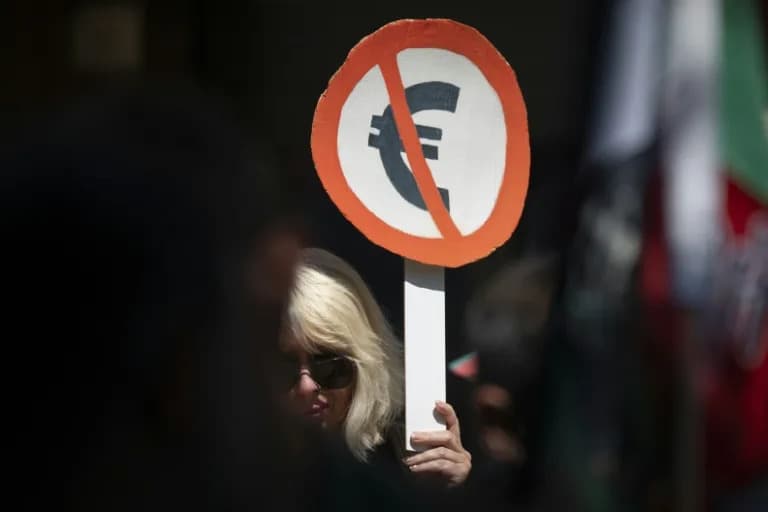
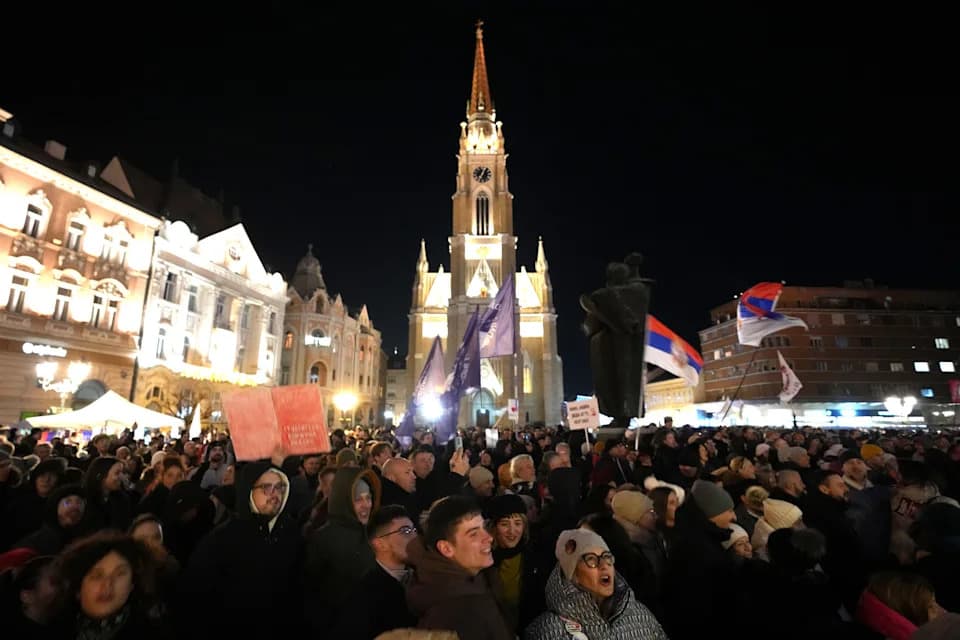
Bulgaria's government has withdrawn a contested draft budget for 2026 after tens of thousands of people — driven largely by young protesters — rallied in Sofia and other cities. Demonstrators accused authorities of tolerating entrenched corruption and warned that planned tax and social security increases, along with extra borrowing, would deepen economic strain just months before Bulgaria adopts the euro in January 2026.
MP Daniel Lorer described the protests as a generational call for change:
Gen Z took to the streets because they want to stay in Bulgaria, but they want a renewed, different, corruption-free Bulgaria.
Faced with sustained street pressure, Prime Minister Rosen Zhelyazkov's government pledged to drop the most controversial elements of the draft — notably the proposed tax and social security hikes — and said it will present a revised budget at a later date.
Most demonstrations remained peaceful, but some masked participants clashed with police and attacked offices of the ruling party in Sofia. The unrest prompted concern among analysts that the political standoff could produce gridlock and weaken Bulgaria's relationships with NATO and EU partners.
Political fallout and security concerns
President Rumen Radev, who holds a largely ceremonial post, sided with the opposition, called for the government's resignation and urged early elections. Analysts warn that protracted political conflict at this moment could complicate the country's Eurozone accession and create openings for external interference.
Security officials also point to related developments: Bulgaria recently imposed an EU entry ban on two individuals suspected of Russian espionage. Many experts say coordinated social-media campaigns — which they largely attribute to foreign influence operations — have amplified doubts about joining the euro and stoked public unease.
Context: the road to the euro
Bulgaria joined the EU in 2007 and formally began its path to the euro in 2018; the lev entered the European Exchange Rate Mechanism in July 2020. While accession to the monetary union is presented by many politicians as a major economic and political milestone, sizable segments of the population remain sceptical, fearing higher prices and a rising cost of living.
The government now faces the task of rebuilding public trust, revising the budget to address social concerns, and reassuring both domestic and international partners that Bulgaria's Eurozone accession will proceed smoothly despite the recent turmoil.
Help us improve.