Bulgaria became the eurozone's 21st member at midnight, replacing the lev with the euro in a move praised by EU leaders as a step toward deeper integration and easier trade. The change has been met with both public celebration and widespread concern: roughly 49% of Bulgarians opposed the switch and food prices rose 5% year-on-year in November. Political instability and reports of shortages of euro starter packs have heightened fears of short-term disruption and price rises.
Bulgaria Adopts the Euro: Midnight Conversion Sparks Celebration and Worries Over Prices
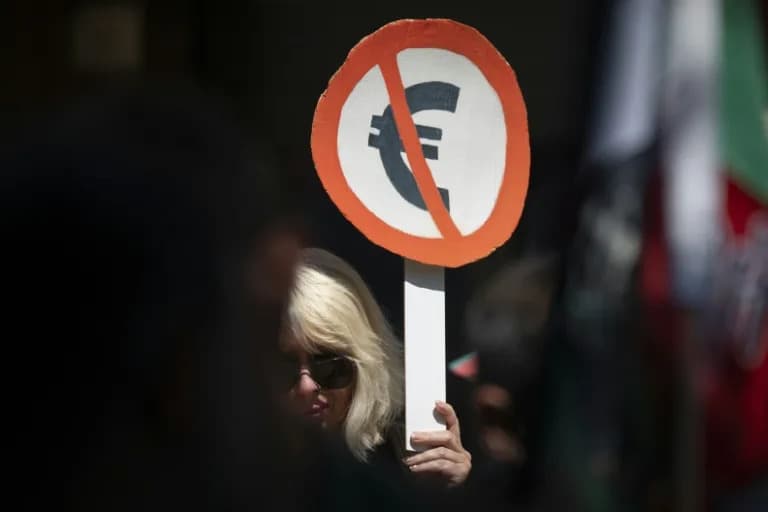
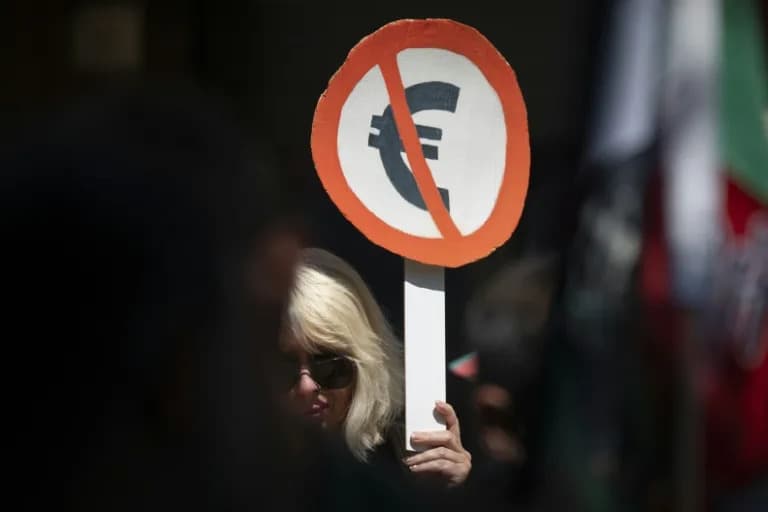
Bulgarians are divided on joining the euro, with 49 percent against adopting the currency according to the latest Eurobarometer survey (Nikolay DOYCHINOV)(Nikolay DOYCHINOV/AFP/AFP)
Bulgaria officially became the 21st member of the eurozone at midnight, replacing the lev — the nation's currency since the late 19th century — with the euro. Images of Bulgarian euro coins were projected onto the central bank building as the changeover took effect.
European Central Bank President Christine Lagarde welcomed Bulgaria "to the euro family," calling the single currency a "powerful symbol" of shared values and collective strength. At an ATM shortly after midnight a 43-year-old man, Dimitar, exclaimed: "Great! It works!" as he withdrew 100 euros.
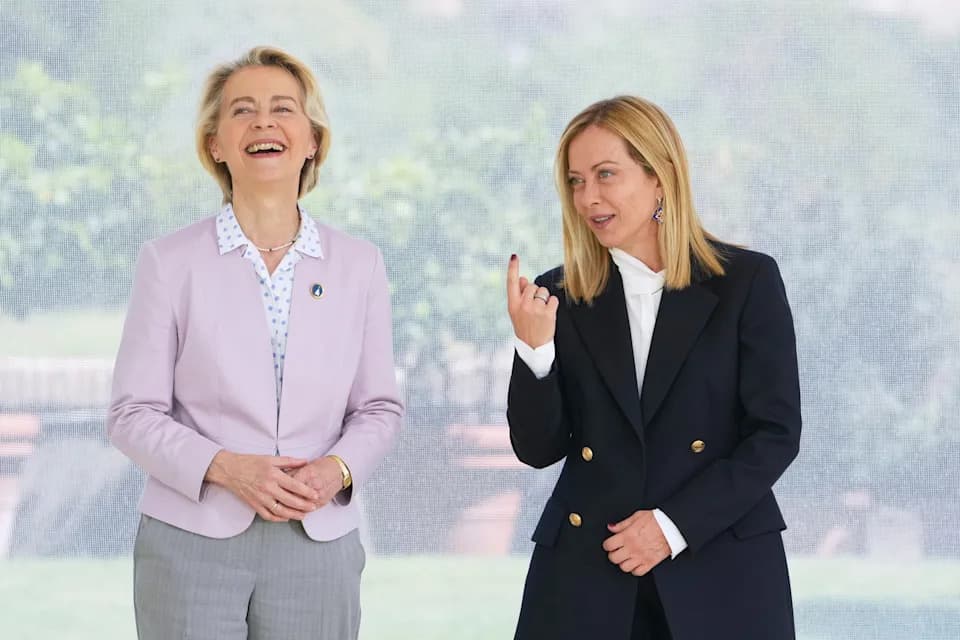
Successive Bulgarian governments have argued that adopting the euro will help boost the economy, strengthen ties with the West and reduce Russian influence. European Commission President Ursula von der Leyen said the move marks "an important milestone," adding it should make travel and living abroad easier, increase market transparency and facilitate trade.
Public Concerns and Economic Context
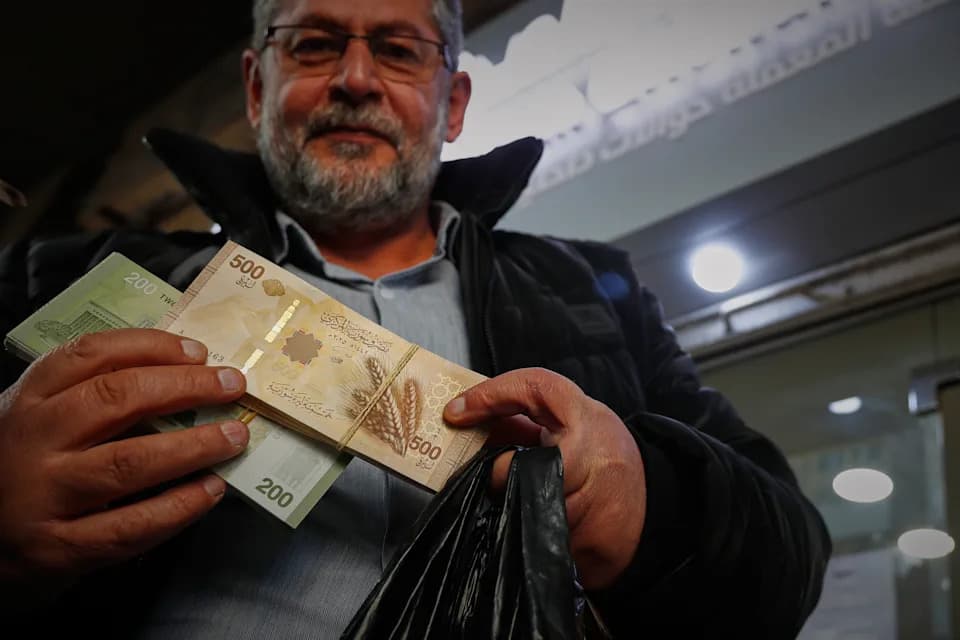
Public opinion in Bulgaria has been divided. The latest Eurobarometer showed roughly 49 percent of Bulgarians opposed the switch. Many citizens fear the transition could trigger higher prices while wages remain stagnant — a concern amplified by recent inflation figures and local reports of rising costs.
Official data from the National Statistical Institute showed food prices rose 5 percent year-on-year in November, more than double the eurozone average. Small business owners have reported that some prices are already being quoted in euros, and pastry chef Turgut Ismail said, "Unfortunately, prices no longer correspond to those in levs," suggesting an early adjustment in local pricing.
Politics, Protests and Practical Problems
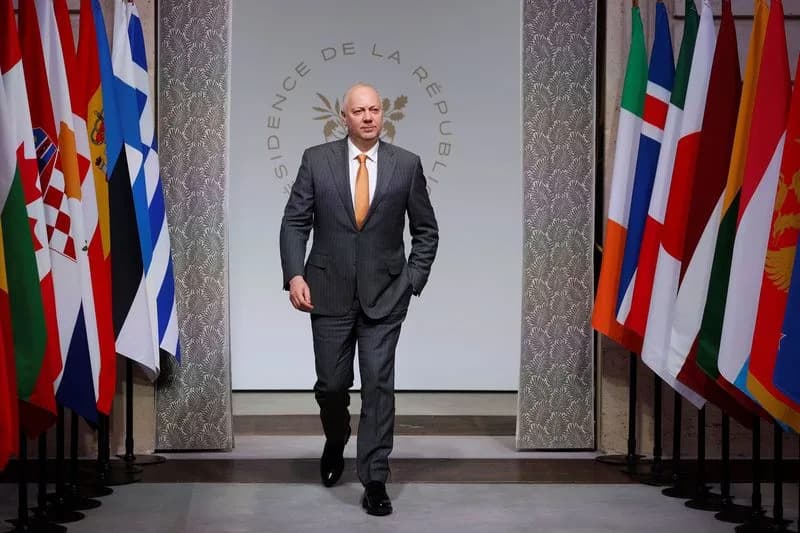
The currency change comes against a backdrop of political turmoil. Anti-corruption protests toppled a conservative-led government in mid-December, and Bulgaria is heading toward its eighth election in five years. President Rumen Radev described euro adoption as the "final step" of EU integration but regretted that the government did not consult citizens via referendum, calling that omission symptomatic of a divide between political elites and the public.
Practical issues have also surfaced. Some businesses reported difficulty securing euro starter packs and adequate cash supplies ahead of the switch, raising fears of queues and short-term disruptions at shops and markets. Analyst Boryana Dimitrova warned that any early problems could be seized on by anti-EU politicians amid the country's instability.
Regional Context
The euro was first introduced in 2002 and has gradually expanded; Croatia was the most recent country to join in 2023. Bulgaria's accession will bring the number of people using the euro to more than 350 million across the continent.
As Bulgarians adjust to the new currency, authorities stress the benefits of deeper European integration. Yet many residents will be watching prices and political developments closely in the months ahead.
Help us improve.