Bulgaria’s largest parliamentary bloc, the centre-right GERB-SDS, refused President Rumen Radev’s request to form a new government, making a snap election increasingly likely. Prime Minister Rosen Zhelyazkov immediately returned the mandate, citing insufficient parliamentary support. If the reformist PP-DB also declines the mandate and no party can secure a majority, Radev will dissolve parliament and call the country’s eighth election in four years. Despite the political turbulence, Bulgaria adopted the euro on January 1, but officials warn stability is essential to absorb EU funds and tackle corruption.
Bulgaria’s Biggest Party Rejects Presidential Mandate — Snap Election Now Likely
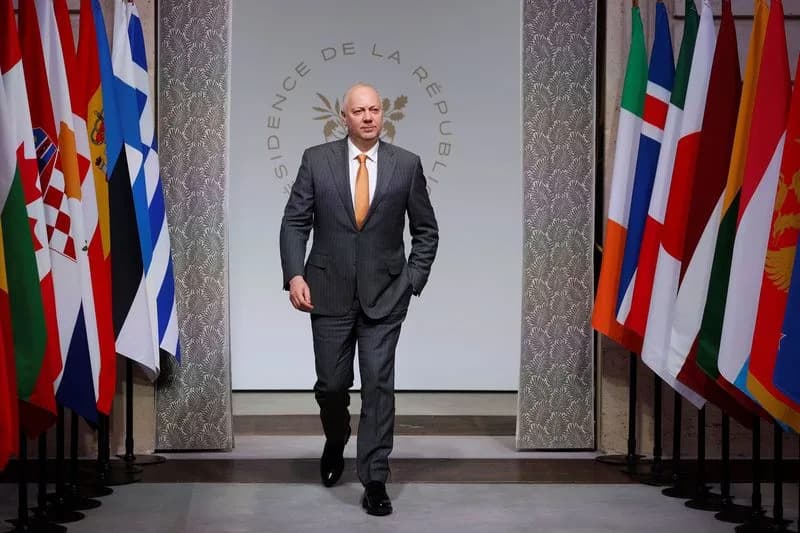
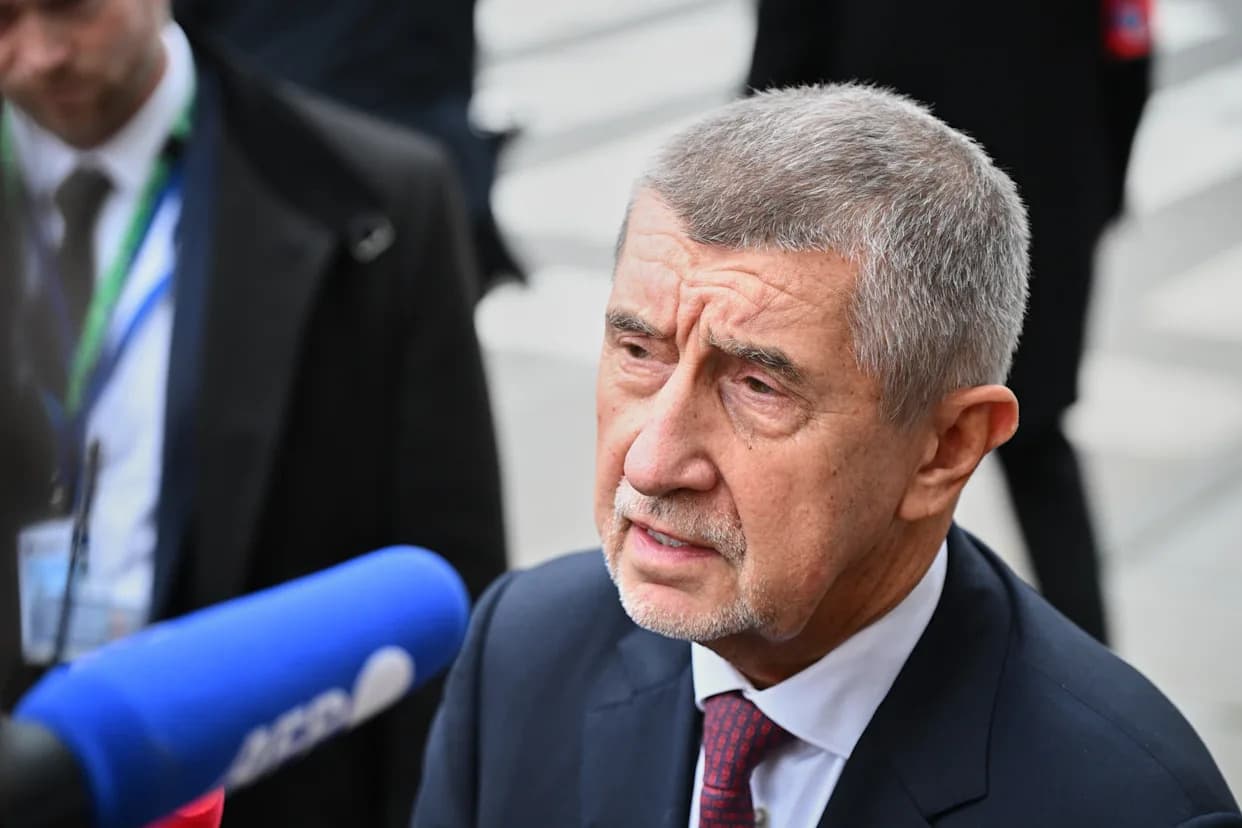
Bulgarian Prime Minister Rosen Zhelyazkov arrives for the Coalition of the Willing summit at the Elysee Palace in Paris, France January 6, 2026. YOAN VALAT/Pool via REUTERS
SOFIA — Bulgaria’s largest parliamentary bloc, the centre-right GERB-SDS, on Monday declined President Rumen Radev’s request to attempt forming a new government, raising the probability of a snap election in the European Union’s poorest member state.
Prime Minister Rosen Zhelyazkov and his coalition resigned last month after weeks of street protests over entrenched state corruption and a proposed budget that would have raised some taxes. Acting under the constitution, President Radev formally asked Zhelyazkov to try to form a new coalition, but Zhelyazkov immediately returned the mandate, saying he lacks the parliamentary backing to build a stable majority.
What Comes Next
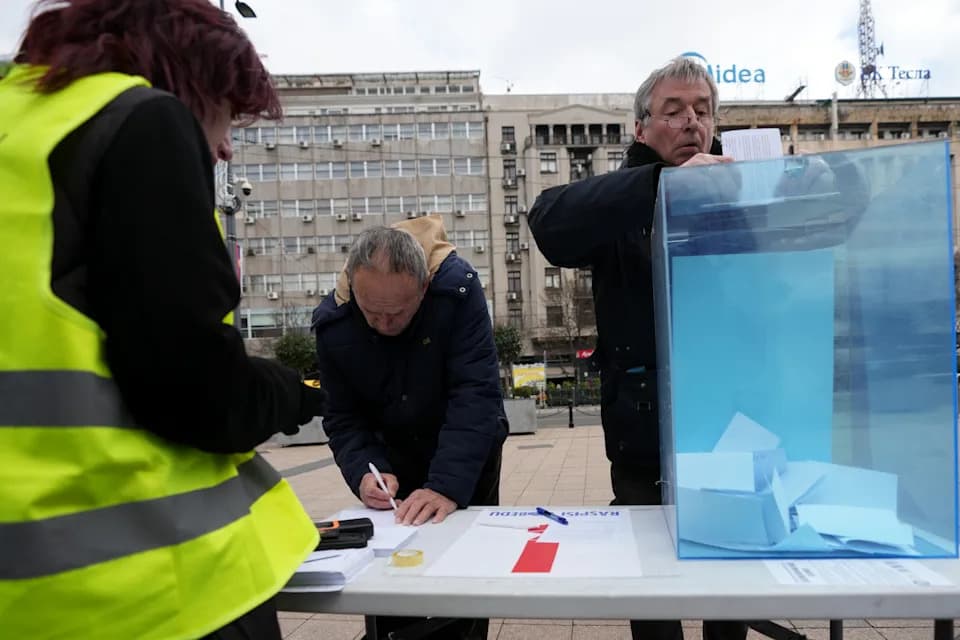
Radev is expected to offer the chance to form a government to the second-largest grouping, the reformist PP-DB, which is also likely to decline. If PP-DB refuses, the president may hand the mandate to a party of his choosing; should no grouping secure a majority, the president will dissolve the assembly and call a snap election — the country’s eighth in just four years.
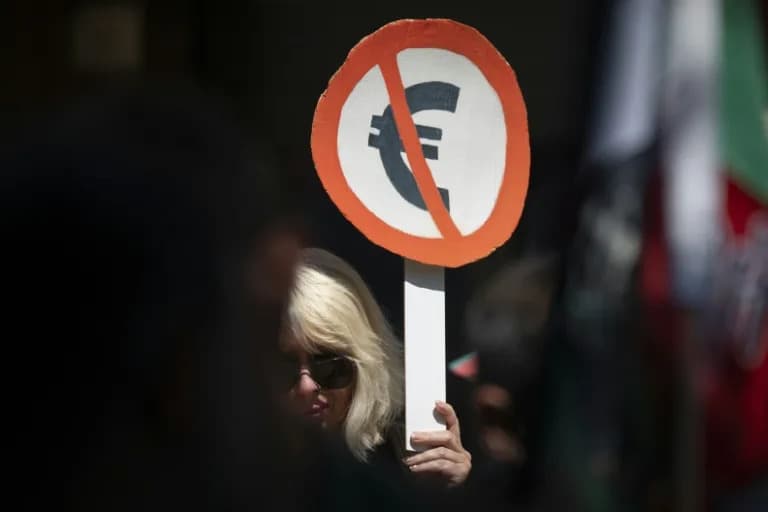
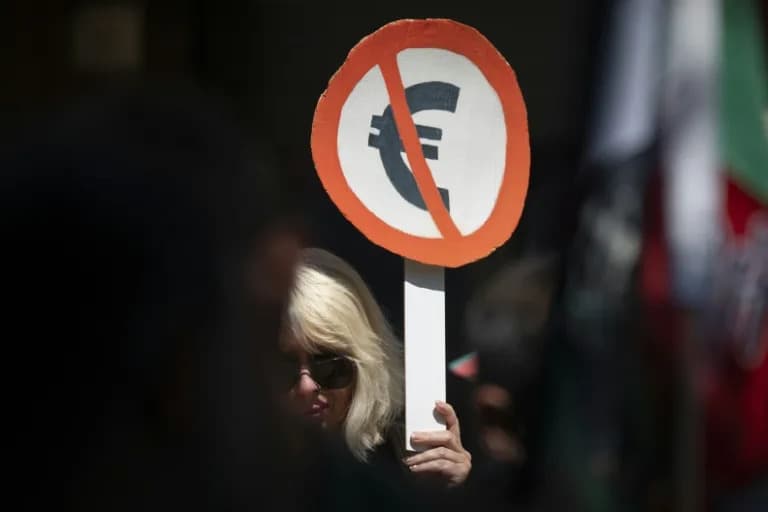
Despite the political uncertainty, Bulgaria joined the euro zone on January 1 as scheduled. Analysts and officials say the country needs political stability to accelerate absorption of EU funds for ageing infrastructure, attract foreign investment and make progress against endemic state corruption.
The GERB-SDS coalition won the October 2024 election but did not assume power until January 2025 after months of negotiations and has since relied on support from other parties in a fragmented legislature.
Reporting by Stoyan Nenov. Edited for clarity.
Help us improve.