The new Czech government under Andrej Babiš is seeking parliamentary approval while signaling a major policy shift away from direct financial support for Ukraine and from key EU policies. The three-party coalition holds 108 of 200 seats and has formed a 16-member Cabinet. While rejecting fiscal aid and EU loan guarantees for Kyiv, Prague will continue to administer a Czech-led procurement that secured about 1.8 million artillery shells. Coalition partners oppose the EU Green Deal and the Freedom party has called for expelling most of the country's roughly 380,000 Ukrainian refugees.
Czech Government Faces Confidence Vote as Babiš Shifts Policy Away From Ukraine Aid
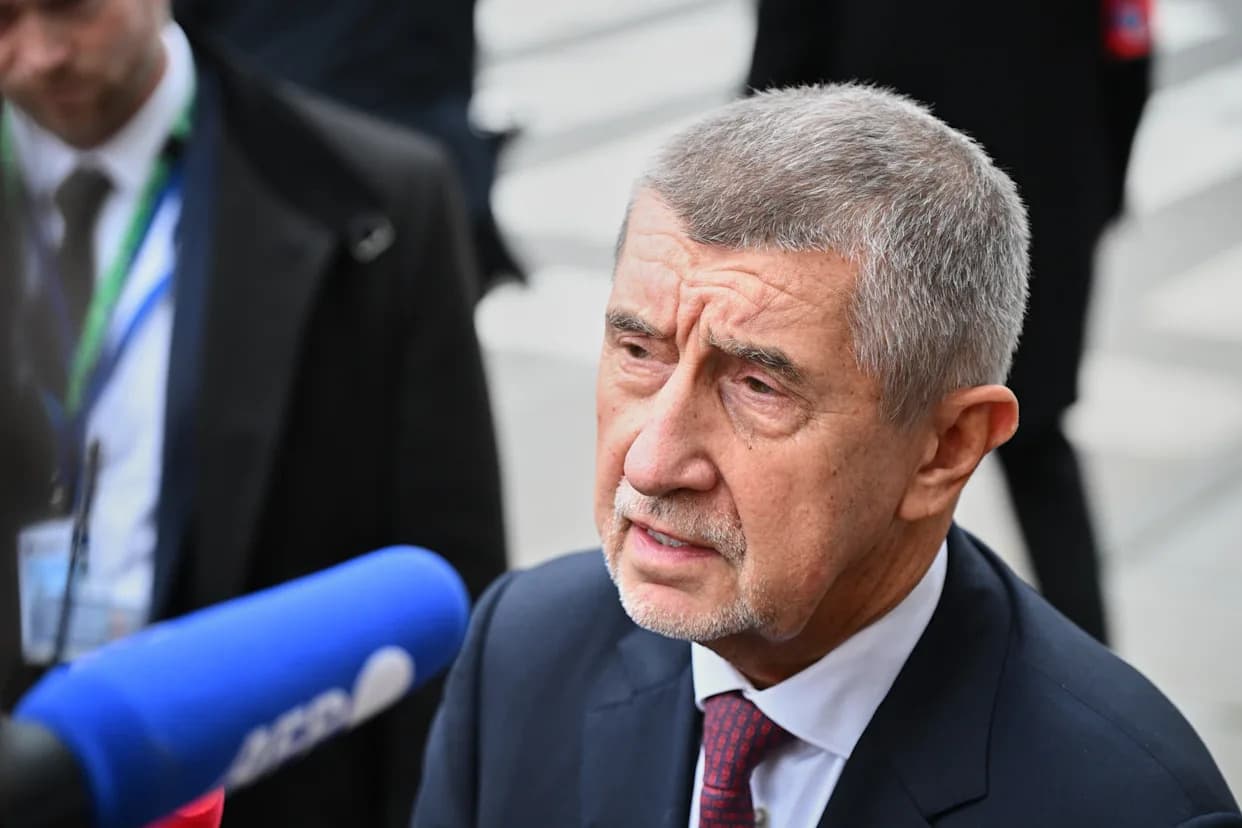
Czech Republic's Prime Minister Andrej Babis, right, speaks with the media as he arrives for the Patriots for Europe group leaders meeting ahead of an EU leaders summit in Brussels, Wednesday, Dec. 17, 2025. (AP Photo/Harry Nakos)
The Czech Republic's newly formed government, led by Prime Minister Andrej Babiš, is undergoing a mandatory confidence vote in the 200-seat lower house of Parliament after unveiling a program that signals a sharp shift away from direct support for Ukraine and opposition to several core European Union policies.
The debate opened Tuesday in the Chamber of Deputies, where the three-party coalition holds a 108-seat majority. Under Czech rules, every incoming administration must win a confidence vote to govern.
Babiš, who served as prime minister from 2017 to 2021, led the ANO ("YES") movement to victory in October’s election and formed the coalition with two smaller parties: the anti-migrant Freedom and Direct Democracy party and the right-wing Motorists For Themselves. The three partners agreed on a 16-member Cabinet. Observers note that the parties have expressed admiration for U.S. President Donald Trump.
Policy Shift and Foreign-Policy Implications
In a speech to deputies, Babiš said,
"I'd like to make it clear that the Czech Republic and Czech citizens will be first for our government."
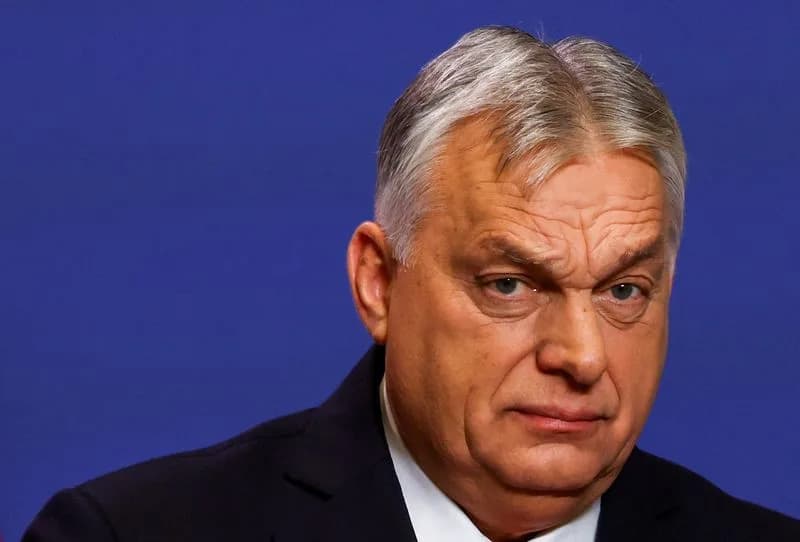
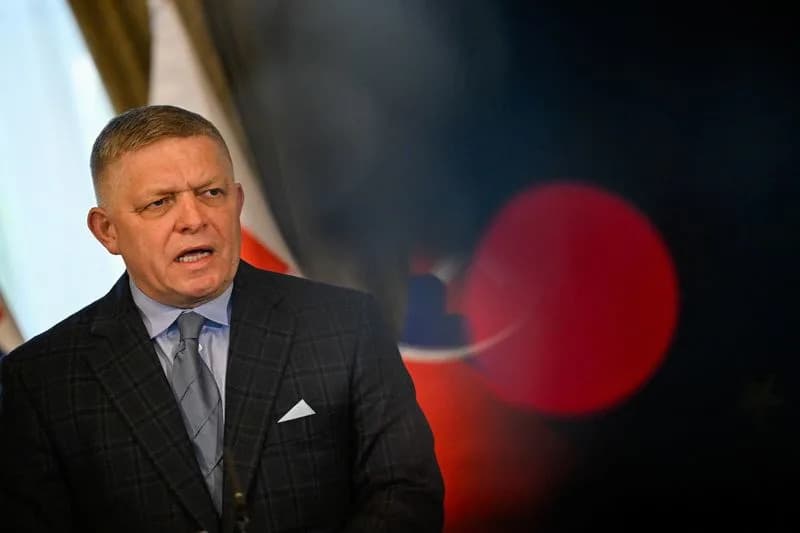
Breaking with the previous pro-Western administration, the new government has ruled out providing direct financial aid to Ukraine and refused to back EU loan guarantees for Kyiv as it faces the Russian invasion. That stance aligns Prague with similar positions taken by Hungarian Prime Minister Viktor Orbán and Slovak Prime Minister Robert Fico.
Nonetheless, the government says it will continue to administer a Czech-led procurement initiative that last year secured roughly 1.8 million artillery shells for Ukraine on markets outside the EU. Officials insist the Czech role will be administrative only, without additional Czech funding.
Domestic Agenda and Coalition Priorities
The Freedom and Direct Democracy party has argued that Czech membership in the EU and NATO holds little future and has called for the expulsion of most of the approximately 380,000 Ukrainian refugees currently in the country. The Motorists For Themselves party, which received the environment and foreign ministries in the coalition deal, has rejected the EU Green Deal and advocated for the revival of parts of the coal industry.
The political comeback of Babiš and the inclusion of the two smaller partners are set to significantly reshape Prague's domestic policies and its posture within the EU and NATO. The confidence vote will determine whether this new direction receives parliamentary endorsement.
Help us improve.