French Prime Minister Sebastien Lecornu survived two no-confidence motions lodged by the far-right National Rally (RN) and hard-left France Unbowed (LFI) over the EU-Mercosur trade deal; neither motion secured enough votes. With the immediate challenge averted, the government is preparing for contentious 2026 budget negotiations. Officials may invoke Article 49.3 to force the finance bill through without a vote, a move likely to trigger further no-confidence attempts.
French Government Survives Two No-Confidence Votes — Now Girds For Contentious 2026 Budget Fight
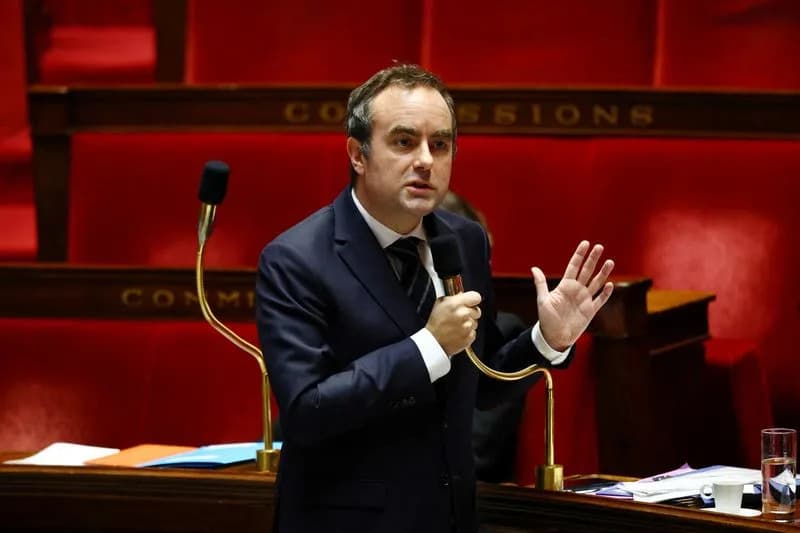
French Prime Minister Sebastien Lecornu gestures as he speaks during a debate before votes on two no-confidence motions against the French government tabled by members of parliament of La France Insoumise (France Unbowed - LFI) and the Rassemblement National (National Rally - RN), in response to the government's handling of the EU-Mercosur trade deal, during a session at the National Assembly in Paris, France, January 14, 2026. REUTERS/Sarah Meyssonnier
PARIS, Jan 14 — French Prime Minister Sebastien Lecornu survived two no-confidence motions in parliament on Wednesday, removing an immediate threat to his government and allowing leaders to turn their attention to an imminent budget showdown.
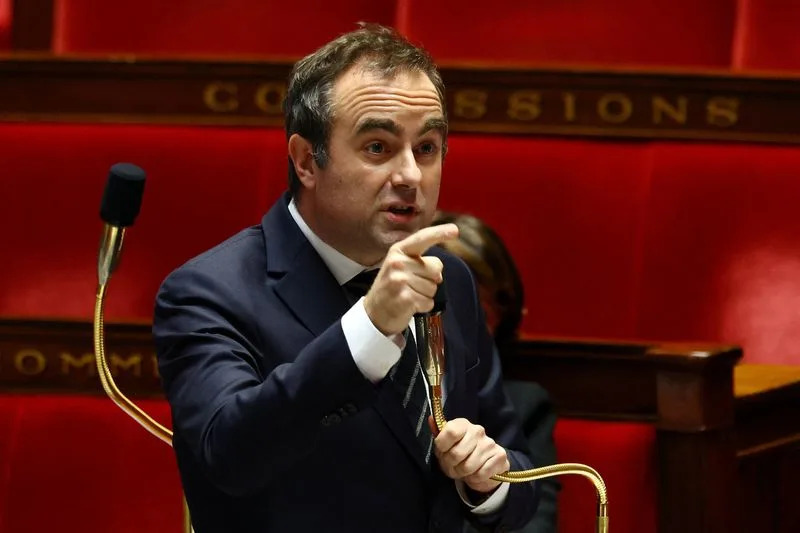
French Prime Minister Sebastien Lecornu gestures as he speaks during a debate before votes on two no-confidence motions against the French government tabled by members of parliament of La France Insoumise (France Unbowed - LFI) and the Rassemblement National (National Rally - RN), in response to the government's handling of the EU-Mercosur trade deal, during a session at the National Assembly in Paris, France, January 14, 2026. REUTERS/Sarah Meyssonnier
No-Confidence Motions Over EU-Mercosur Deal Fall Short
The motions were filed by the far-right National Rally (RN) and the hard-left France Unbowed (LFI) in protest at the European Union's move last week to approve the signing of a long-debated trade agreement with the Mercosur bloc, which includes Argentina, Brazil, Paraguay and Uruguay. Critics in France argued the deal did not sufficiently protect domestic producers or environmental standards.
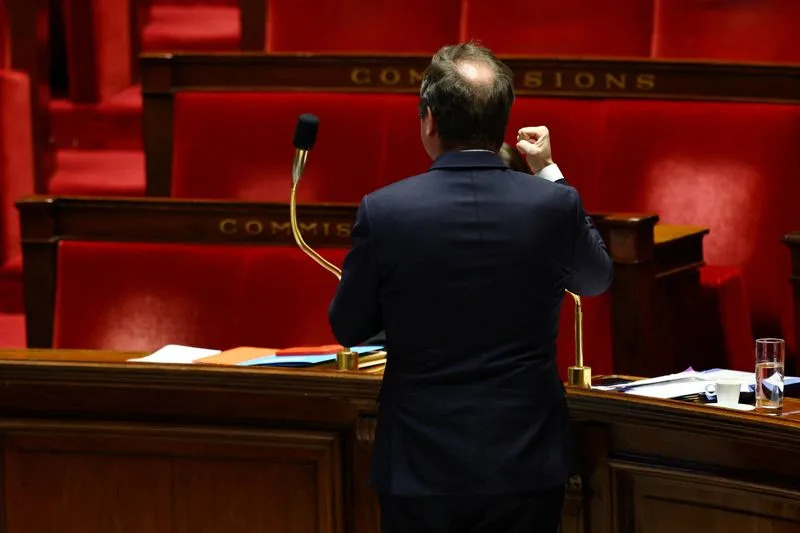
French Prime Minister Sebastien Lecornu gestures as he speaks during a debate before votes on two no-confidence motions against the French government tabled by members of parliament of La France Insoumise (France Unbowed - LFI) and the Rassemblement National (National Rally - RN), in response to the government's handling of the EU-Mercosur trade deal, during a session at the National Assembly in Paris, France, January 14, 2026. REUTERS/Sarah Meyssonnier
Neither the Socialist Party nor the conservative The Republicans backed the censure attempts, and both motions were defeated. LFI's motion received 256 votes in favour — 32 votes short of the threshold needed to pass — while the RN-sponsored motion garnered 142 votes and also failed.
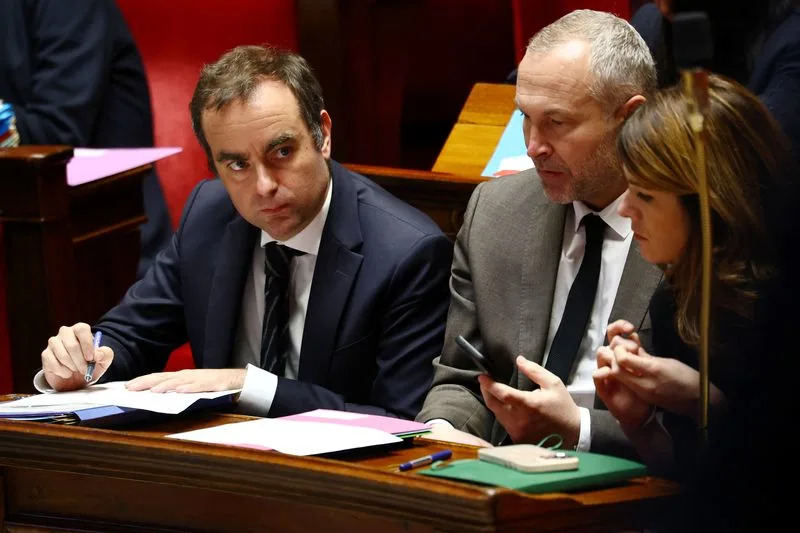
French Prime Minister Sebastien Lecornu, Junior Minister of Relations with the Parliament Laurent Panifous and French Government Spokesperson Maud Bregeon attend the questions to the government session at the National Assembly in Paris, France, January 14, 2026. REUTERS/Sarah Meyssonnier
Mathilde Panot, LFI: "Inside the country, you are a government of vassals serving the rich. Outside, you are humiliating our nation before the European Commission and the U.S. empire."
Prime Minister Sebastien Lecornu: "You are acting like snipers lying in wait, firing into the executive’s back at the very moment when we must confront international disruptions."
Next Up: A Fraught Budget Battle
With the immediate parliamentary challenge cleared, the government is preparing for difficult negotiations over the 2026 finance bill. One option under consideration would be to invoke Article 49.3 of the French Constitution to force the budget through without a full parliamentary vote after negotiating a text with all groups except RN and LFI. The use of 49.3 would almost certainly prompt further no-confidence motions.
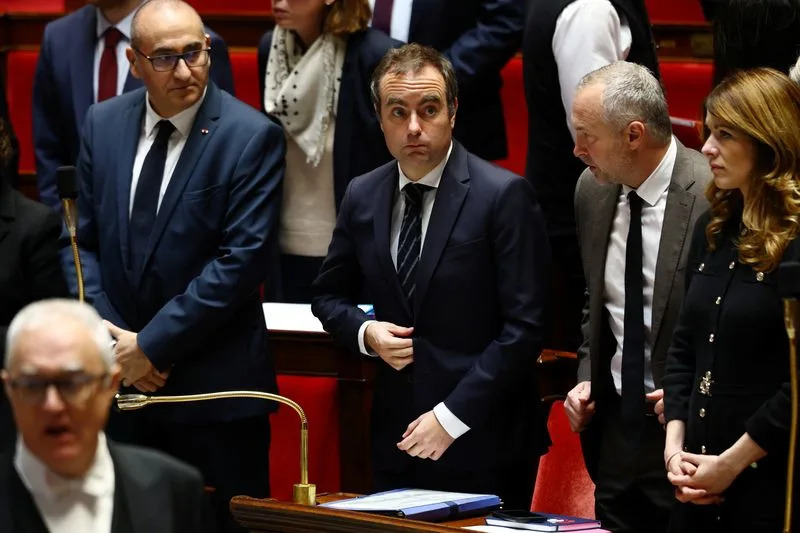
French Prime Minister Sebastien Lecornu, Interior Minister Laurent Nunez, Junior Minister of Relations with the Parliament Laurent Panifous and French Government Spokesperson Maud Bregeon arrive to attend the questions to the government session at the National Assembly in Paris, France, January 14, 2026. REUTERS/Sarah Meyssonnier
Sources say lawmakers are eager to end weeks of wrangling over the budget even if it means the deficit remains near 5%. President Emmanuel Macron's office has said he wants a budget adopted in January and is officially "neutral" on the means used to secure passage. Government spokeswoman Maud Bregeon added that "nothing is excluded" to pass the bill.
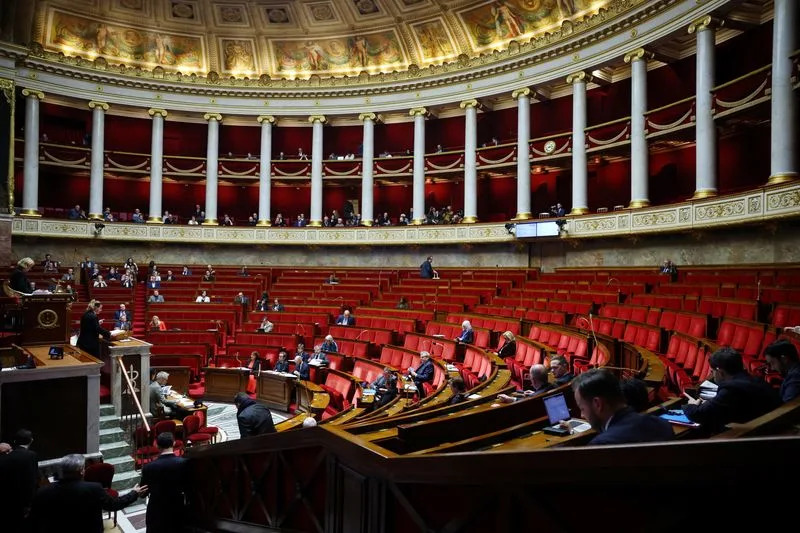
General view of the hemicycle during a debate before votes on two no-confidence motions against the French government tabled by members of parliament of La France Insoumise (France Unbowed - LFI) and the Rassemblement National (National Rally - RN), in response to the government's handling of the EU-Mercosur trade deal, during a session at the National Assembly in Paris, France, January 14, 2026. REUTERS/Sarah Meyssonnier
Political Context
France's political landscape has been fragile since 2022, when President Macron lost his parliamentary majority. That fragility increased after unexpectedly called early legislative elections in mid-2024 left a hung parliament split roughly among a centre-right alliance, the left, and the RN — complicating governance and heightening the risk of repeated clashes over major legislation.
Reporting by Elizabeth Pineau; Additional reporting by Dominique Vidalon, Blandine Henault and Zhifan Liu; Writing by Ingrid Melander; Editing by Hugh Lawson and Alison Williams.
Help us improve.