Prime Minister Andrej Babis's new right-leaning coalition secured parliamentary approval on Jan. 15, winning a 108-91 confidence vote and controlling 108 of 200 lower-house seats. The government plans to scale back financial and material support for Ukraine, oppose certain EU environmental measures, and pause previous austerity policies while pursuing higher wages and tax cuts. Prague has joined Slovakia and Hungary in opting out of the EU loan costs to Ukraine and is reassessing a Czech-led ammunition procurement programme. An immediate priority is approving the full 2026 budget after entering the year under a provisional one-twelfth spending limit.
Babis Wins Confidence Vote — Czech Government to Scale Back Ukraine Aid and Shift on EU Policies
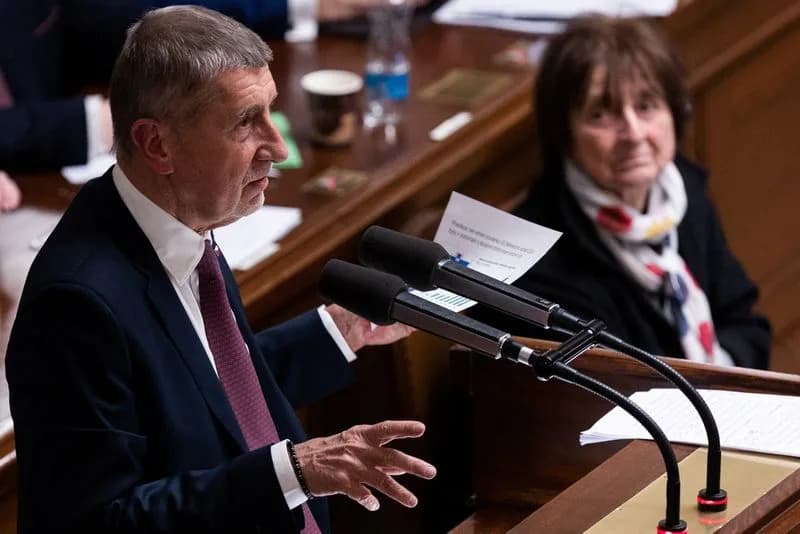
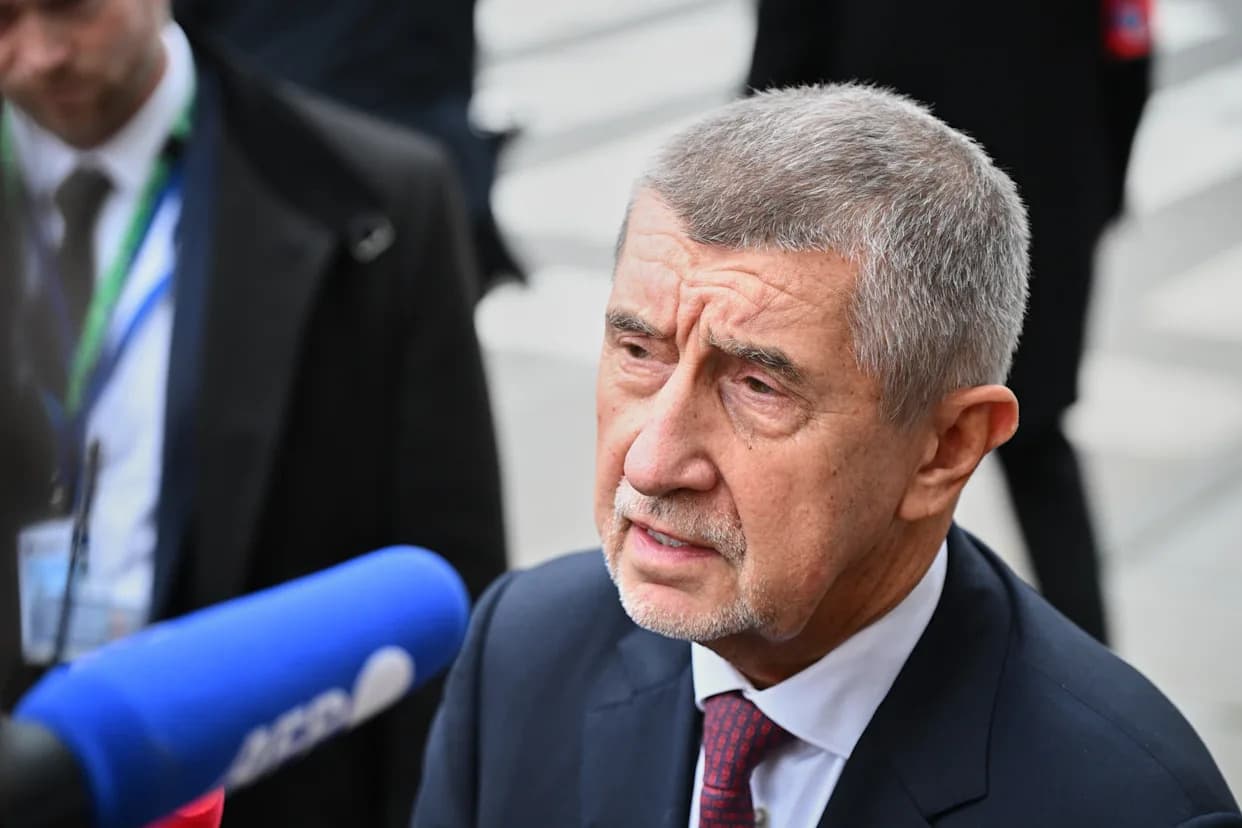
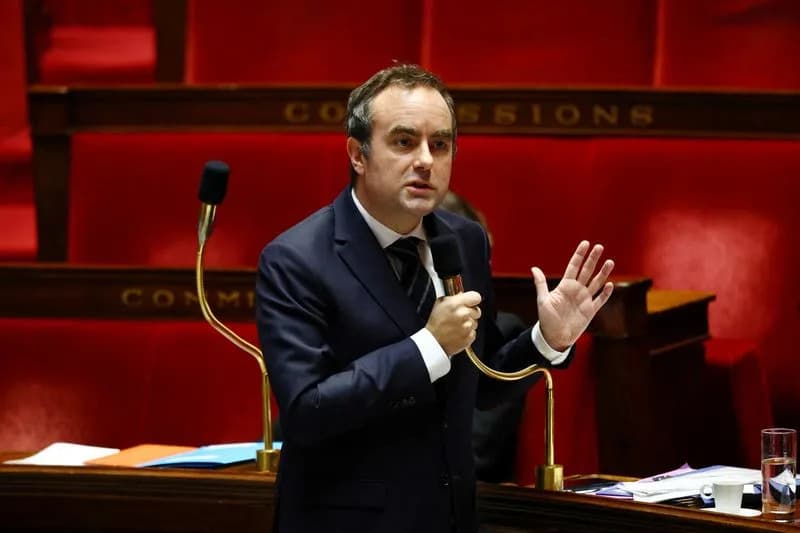
Czech Prime Minister Andrej Babis from ANO speaks during the debate on confidence in the parliament, in Prague, Czech Republic, January 13, 2026 REUTERS/Eva Korinkova
Prague, Jan. 15 — Prime Minister Andrej Babis's new right-leaning cabinet won a parliamentary confidence vote and formally took office with a program to reduce support for Ukraine, oppose some EU environmental measures, and pause the previous administration's austerity policies.
Coalition and Confidence Vote
Babis, a populist politician who describes himself as a Trumpist and is politically aligned with Hungary's Viktor Orban and parties on the European far right, led ANO to victory in the October election. His ruling coalition, which includes a pro-Russian far-right partner and another right-wing party, controls 108 of the 200 seats in the lower house. The government was approved by lawmakers in a 108-91 confidence vote, a constitutional requirement after the administration took office last month.
Domestic Agenda
During the campaign Babis promised higher wages and tax cuts, positioning his agenda against the previous centre-right government's budget consolidation. While the prior administration narrowed the fiscal gap to well below the EU's 3% of GDP limit, Babis has argued for increased domestic spending instead of further austerity.
Scaling Back Help To Ukraine
One of the government's clearest foreign-policy shifts is toward reduced financial and material support for Ukraine, which has been resisting a Russian invasion since 2022. In December, the Czech Republic joined Slovakia and Hungary in opting out of bearing financial costs for an EU loan to Ukraine — a move confirmed at Babis's first EU summit since his return to office.
Babis has also said Prague will cease funding a Czech-led ammunition sourcing programme for Ukraine, though he later indicated the Czech government might continue coordinating the initiative. The programme, launched by the previous government, has become an important mechanism for bringing together donors, Czech defence officials and arms suppliers to procure ammunition for Kyiv; much of its operational funding comes from donations by other countries, including Germany.
Budgetary Outlook
An urgent near-term task for the government is approving a full 2026 budget. The state entered 2026 under a provisional budget that limits monthly spending to one-twelfth of last year's expenditure. Officials have warned the central government budget deficit rose last year for the first time since 2021, highlighting the need for timely fiscal decisions.
What Comes Next
The new government's decisions on EU cooperation, defence support for Ukraine and the 2026 budget will shape Czechia's regional role and domestic economic trajectory in the months ahead. Observers will watch upcoming EU meetings and the coalition's internal dynamics, particularly its negotiations over the ammunition programme and public spending priorities.
Exchange Rate: $1 = 20.8470 Czech crowns.
(Reporting by Jason Hovet; editing by Ed Osmond)
Help us improve.