Hungary will hold parliamentary elections on April 12, where Viktor Orbán, 62, faces his strongest challenger in 16 years: Péter Magyar, 44, leader of the centre‑right Tisza Party. Polls show Magyar ahead among decided voters, while a large bloc of undecided voters keeps the race unpredictable. The campaign centers on economic strain from post‑Ukraine war inflation, corruption, EU relations and Hungary’s stance on migration and security.
Orban’s Grip On Power Faces Crucial Test As Hungary Votes On April 12
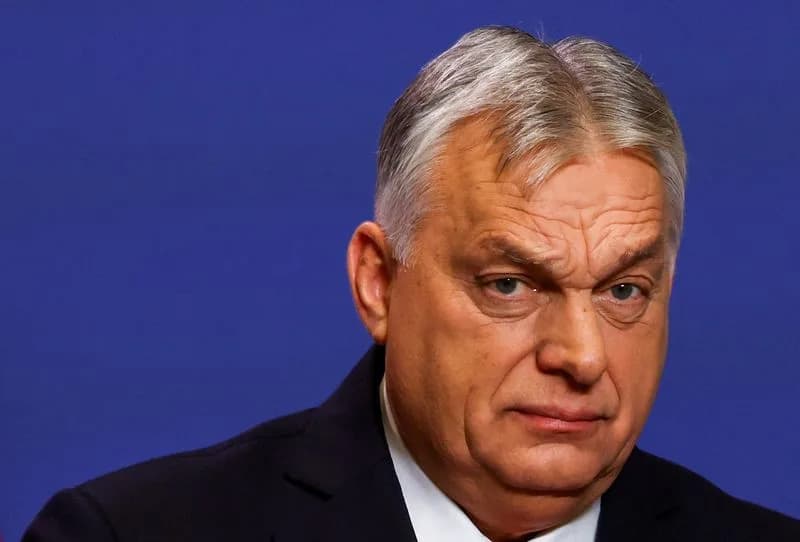
Hungarian Prime Minister Viktor Orban holds an international press conference in Budapest, Hungary, January 5, 2026. REUTERS/Bernadett Szabo
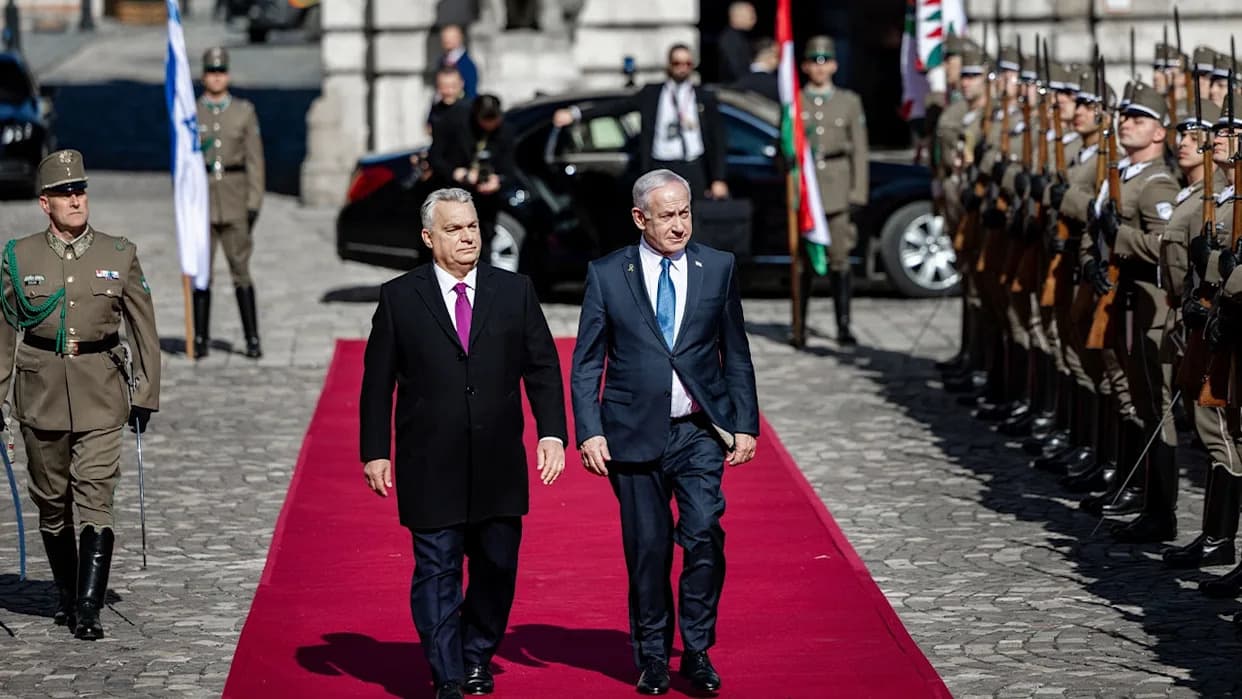
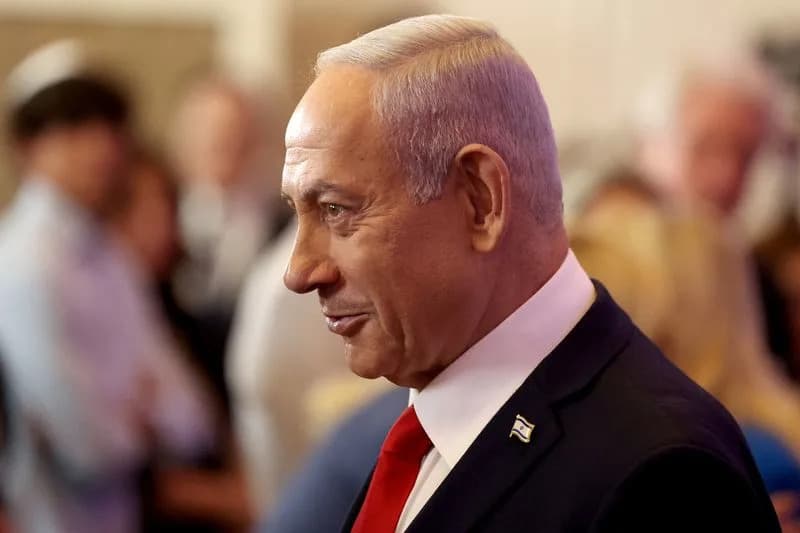
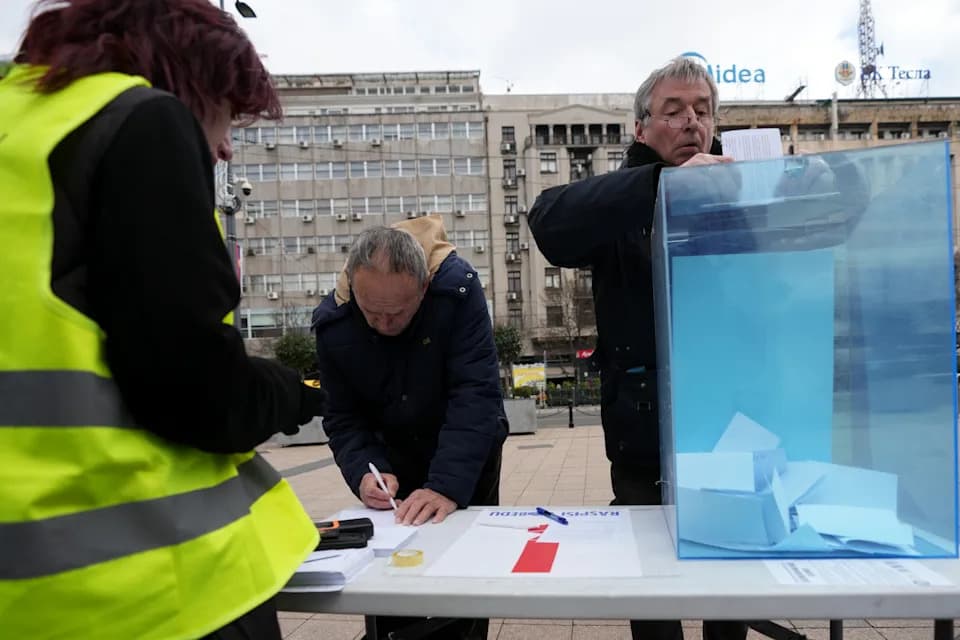
BUDAPEST, Jan 13 (Reuters) — Nationalist Prime Minister Viktor Orbán faces his most serious challenger in 16 years when Hungary holds parliamentary elections on April 12, a contest with implications for Europe and the continent’s resurgent far‑right movements.
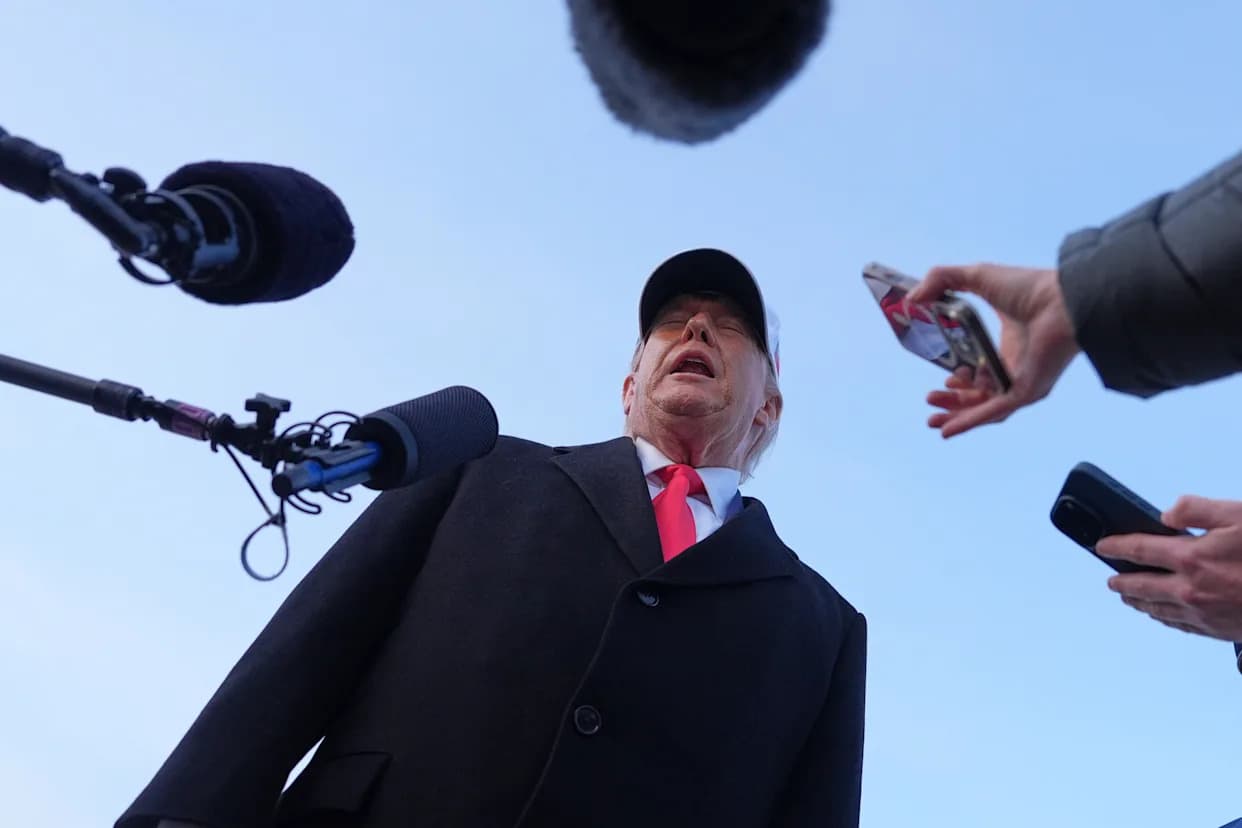
The 62‑year‑old Orbán, who returned to power in 2010, has reshaped Hungary into a self‑described “illiberal democracy,” frequently clashing with the European Union over restrictions on independent media, anti‑immigration policies and measures critics say have eroded LGBTQ rights. He has also cultivated close ties with Moscow and counts U.S. President Donald Trump among allies who share his eurosceptic outlook.
President Tamás Sulyok announced the election date on Tuesday on his Facebook page.
Orbán’s Fidesz party is campaigning under the slogan “The safe choice,” promising to keep Hungary out of the war in Ukraine and to prevent illegal migration. The prime minister also faces a race against time to revive a stagnating economy amid a cost‑of‑living crisis driven in part by inflation that followed Russia’s 2022 invasion of Ukraine.
Magyar Challenges On EU Ties, Corruption And Funds
Orbán’s principal challenger is 44‑year‑old Péter Magyar, a former government insider whose centre‑right Tisza Party has disrupted Hungary’s political landscape since its 2024 debut. Most polls show the Tisza Party ahead of Fidesz among decided voters, though a sizeable block of undecided voters leaves the outcome uncertain.
A December survey by pollster Publicus found the Tisza Party supported by 48% of decided voters versus 40% for Fidesz. Magyar has pledged to keep Hungary anchored in the European Union and NATO while pursuing “pragmatic relations” with Russia. He says he would unlock billions of euros in frozen EU funds to stimulate growth by taking concrete steps to rein in corruption.
Why This Matters: A victory for Orbán would reinforce an illiberal model at the heart of an EU member state and bolster like‑minded parties across Europe. A win for Magyar could restore warmer ties with EU institutions and unlock financial support crucial for the economy.
The campaign is likely to hinge on voters’ perceptions of economic security, corruption and Hungary’s international orientation. With both sides staking competing visions of security and governance, April 12 will be closely watched in Brussels and beyond.
(Reporting by Krisztina Than and Anita Komuves; Editing by Bernadette Baum)
Help us improve.