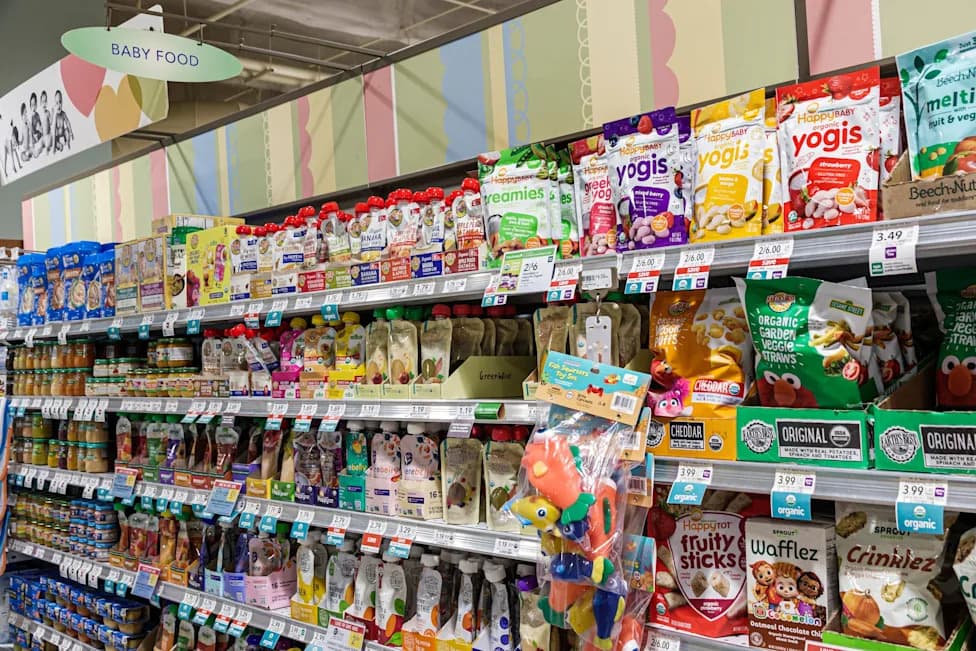
UNICEF’s analysis finds children worldwide are increasingly exposed to ultra-processed foods (UPFs), which combine sugar, salt, unhealthy fats and additives. Early exposure is common — 10–35% of under-5s in 11 countries drink sweetened beverages — and 60% of adolescents reported eating a sweet product the previous day. UPFs are linked to obesity, nutrient-poor diets, growth and mental-health issues, and the review urges stronger policies to protect children.
UNICEF Warns: Ultra-Processed Foods Threaten Children’s Health Worldwide

Children around the world are increasingly consuming ultra-processed foods (UPFs), with growing evidence that these products are harming their physical growth, nutrition and mental well-being, according to a new analysis released by UNICEF.
UPFs typically combine large amounts of sugar, salt and unhealthy fats with industrial starches and a variety of additives such as emulsifiers, colorings and flavorings. These products are engineered for long shelf life, convenience and profit, not for children’s nutritional needs.
Key findings
Early exposure is common: In surveys across 11 countries, between 10% and 35% of children under five were reported to drink sweetened beverages. Consumption rises with age — 60% of adolescents reported eating at least one sweet product the day before responding to the survey.
Major contributor to diets: In many industrialised countries more than half of daily calories now come from UPFs.
Health impacts
Because UPFs are calorie-dense and easy to overconsume, they drive rising rates of overweight and obesity among children. At the same time, they contribute to forms of malnutrition by displacing whole, nutrient-rich foods and providing few essential vitamins and minerals. The analysis also cites studies linking high-UPF diets to chronic growth problems, higher rates of depression and hyperactivity, and poorer school performance.
Industry and policy
The report highlights the role of the food industry in the global spread of UPFs and calls for stronger policies to protect children, including limits on marketing to young people, clearer labeling, improved access to whole foods, and public health measures that prioritize children’s nutritional needs.
Addressing the UPF problem will require coordinated action from governments, health professionals, educators and families to promote healthier food environments and ensure children have access to nutritious, diverse diets.
Help us improve.