The U.K. has introduced a government-backed ban on advertising high-fat, high-sugar and high-salt (HFSS) foods on television before 9 p.m. and at all times online to tackle childhood obesity. Officials estimate the move could prevent nearly 20,000 cases among children. Plain breakfast staples without added sugar remain exempt, while versions with added sugar or chocolate may be covered. The rules, six years in the making, follow a 2025 controversy over brand-only ads that avoided showing identifiable products.
UK Implements Landmark Ban On Junk-Food Advertising Before 9 p.m.
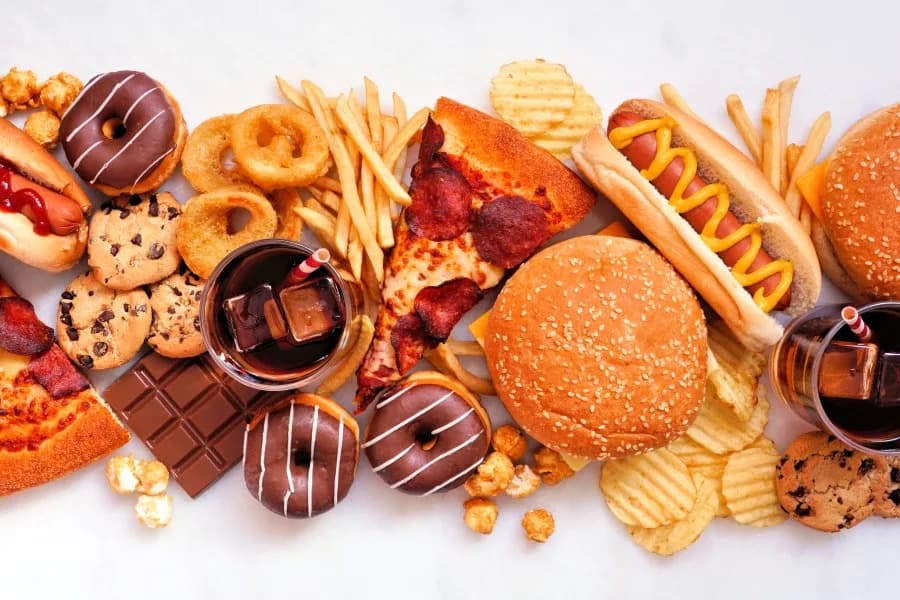
The United Kingdom this week implemented a government-backed ban on advertising high-fat, high-sugar and high-salt (HFSS) "junk" foods on television before 9 p.m. and at any time online. The restriction, enforced under rules set by the Advertising Standards Authority (ASA), targets products including soft drinks, chocolates and sweets, pizzas and ice cream.
What The Ban Covers
Under the ASA rules, HFSS product adverts may no longer be shown on TV before 9 p.m., and such advertising is prohibited online at all times. The government estimates the measure could prevent nearly 20,000 cases of childhood obesity.
Plain breakfast staples — such as oats, porridge, muesli and unflavoured granola — are exempt, but variants containing added sugar, chocolate, syrup or similar additives may fall within the ban's scope.
Reactions And Context
"Today marks a big, world-leading milestone on the journey to protect children from being exposed to the onslaught of junk food advertising, which is currently so harmful to their health,"Anna Taylor of the Food Foundation said.
"Children are highly susceptible to aggressive marketing of unhealthy foods and exposure to them puts them at greater risk of developing obesity and associated chronic diseases,"Katherine Brown of the University of Hertfordshire added.
Campaigners were particularly critical in 2025 when the government allowed makers of junk food to continue running brand-only adverts provided no "identifiable" product was shown — a compromise that drew accusations it undermined earlier protections. Officials say the regulations have been in development for six years.
The new rules represent one of the government's most significant public-health interventions to address childhood obesity. Implementation and enforcement details will be watched closely by health groups, broadcasters and industry alike.
Copyright 2026 Nexstar Media, Inc. All rights reserved.
Help us improve.