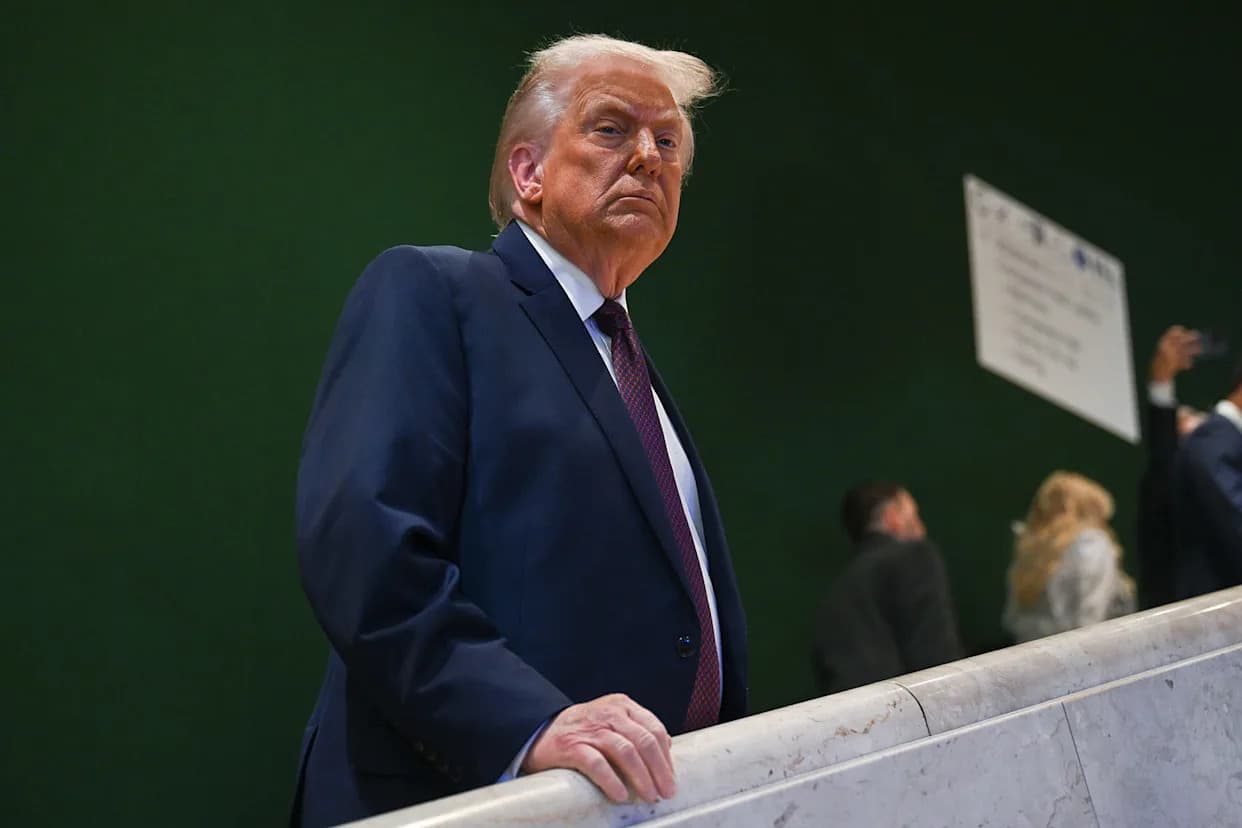
Late on Thanksgiving Day, President Donald Trump announced plans to “permanently pause migration from all Third World countries to allow the US system to fully recover.” While social‑media declarations do not always become enforceable policy, the language echoes proposals advanced by prominent figures in the alt‑right after the 2016 election.
Direct intellectual line from fringe to power
The president’s statement mirrors a 2016 call by Richard Spencer for a long pause on non‑European immigration. At the time Spencer acknowledged his proposal was far more extreme than then‑candidate Trump’s rhetoric. Today, however, similar concepts are being voiced by senior advisers and promoted inside government.
Key actors and recurring themes
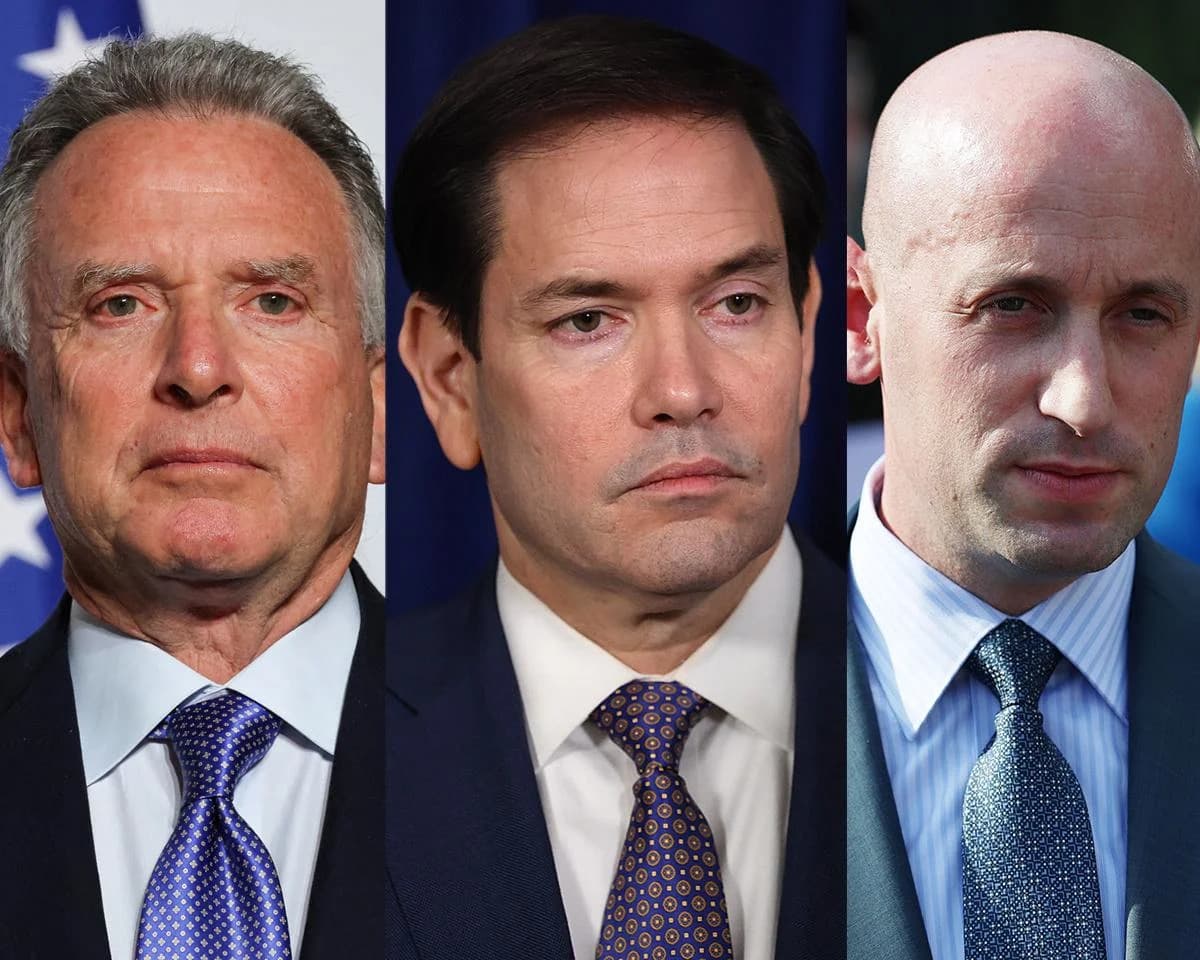
Senior adviser Stephen Miller has publicly referenced an alt‑right critique of immigration, and other administration initiatives have adopted language drawn from European far‑right ideas such as “remigration” — a vision of large‑scale deportations. The “great replacement” theory, once chanted by torch‑bearing protesters, has also surfaced in mainstream GOP discourse. These are not isolated echoes: figures once on the movement’s margins now influence policy debates and institutional proposals.
Argument shifted from policy tradeoffs to ethnic essentialism
Mainstream immigration hawks traditionally argued from economic or public‑safety angles — claims that could be addressed by policy refinements, assimilation programs, or selective admissions. The alt‑right, by contrast, built its case on ethnicity and national origin, asserting that migrants from certain countries or cultures cannot be integrated and will harm the nation’s wellbeing. This approach treats entire populations as inherently unfit, rather than focusing on individual cases or policy design.
“No magic transformation occurs when failed states cross borders,” Stephen Miller wrote recently. “At scale, migrants and their descendants recreate the conditions, and terrors, of their broken homelands.”
Alt‑right writers derided the idea that American institutions could transform newcomers as “magic dirt” theory. John Derbyshire, in a 2015 column, mocked the notion that moving “thirty or forty million” people from Mexico and Central America to the U.S. would turn them into “civic‑minded Jeffersonian yeomen.”
Examples in recent rhetoric and policy
Conservative activist Chris Rufo has argued publicly that cultural differences between groups justify retooling immigration policy around compatibility and ethnicity, and the administration announced a crackdown on Somali migrants in Minnesota that reflects that approach. A proposed “Office of Remigration” and other similar initiatives demonstrate how formerly fringe concepts are being translated into institutional proposals.
Normalization and the decline of the label
Ironically, the alt‑right as an organized movement has largely fragmented, weakened by legal actions and internal disputes. Yet its ideas have been mainstreamed: former outsiders now occupy official roles, and positions once considered politically toxic are voiced openly. The disappearance of the “alt‑right” label reflects both the movement’s organizational decline and its ideological success in shifting the boundaries of acceptable political discourse.
Why it matters
The migration of extremist ideas into mainstream policy debates matters because it changes how immigration is discussed and governed. When arguments center on collective blame or ethnic incompatibility rather than evidence‑based policy tradeoffs, public debate and policymaking risk becoming less responsive, more discriminatory, and less effective in addressing real challenges.
Whether these rhetorical shifts will translate into lasting law remains uncertain. But the elevation of such ideas inside the halls of power signals a substantive change in the terms of political debate about immigration.