Summary: The Trump administration’s staffing choices, rhetoric and policy shifts have challenged the legacy of the civil rights movement, from removing MLK Day and Juneteenth from certain federal recognitions to limiting the Justice Department’s use of disparate-impact analysis. These moves, coupled with pressure on museums and schools and a harder line on immigration enforcement, threaten multiracial coalitions that Dr. Martin Luther King Jr. championed. The author urges a renewed, nonviolent, multiracial commitment to defending civil rights and American democratic values.
Trump’s Assault On King’s Legacy — Why America Must Reclaim A Multiracial Coalition
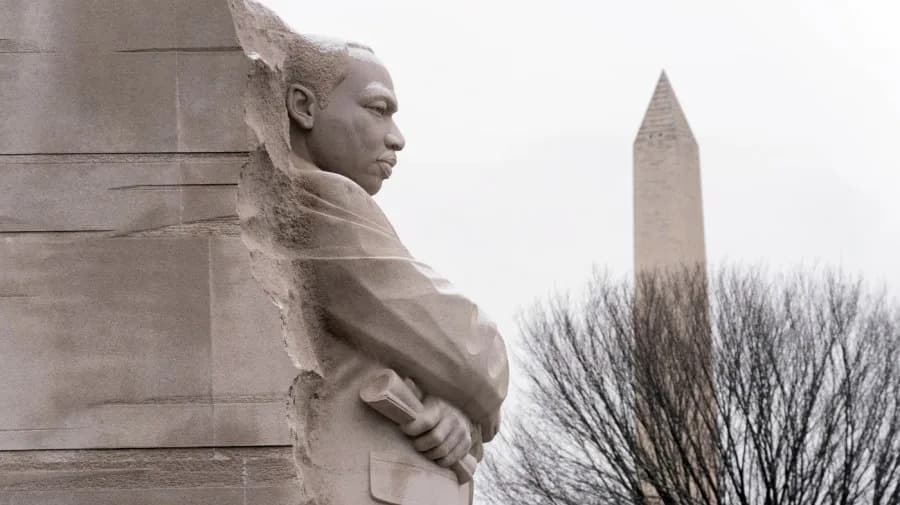
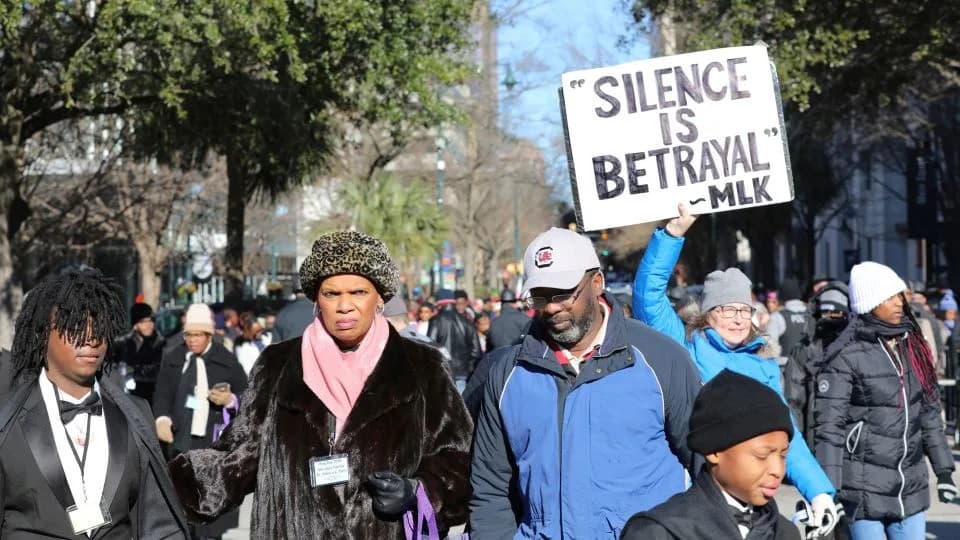
The Trump administration’s actions and rhetoric over the past years have intensified attacks on the legacy of the civil rights movement. As the nation marks Martin Luther King Jr. Day, it’s worth examining how staffing choices, policy shifts, and cultural pressure are reshaping how the federal government treats racial equity and the history of civil rights in America.
Personnel, Rhetoric, And Symbolic Moves
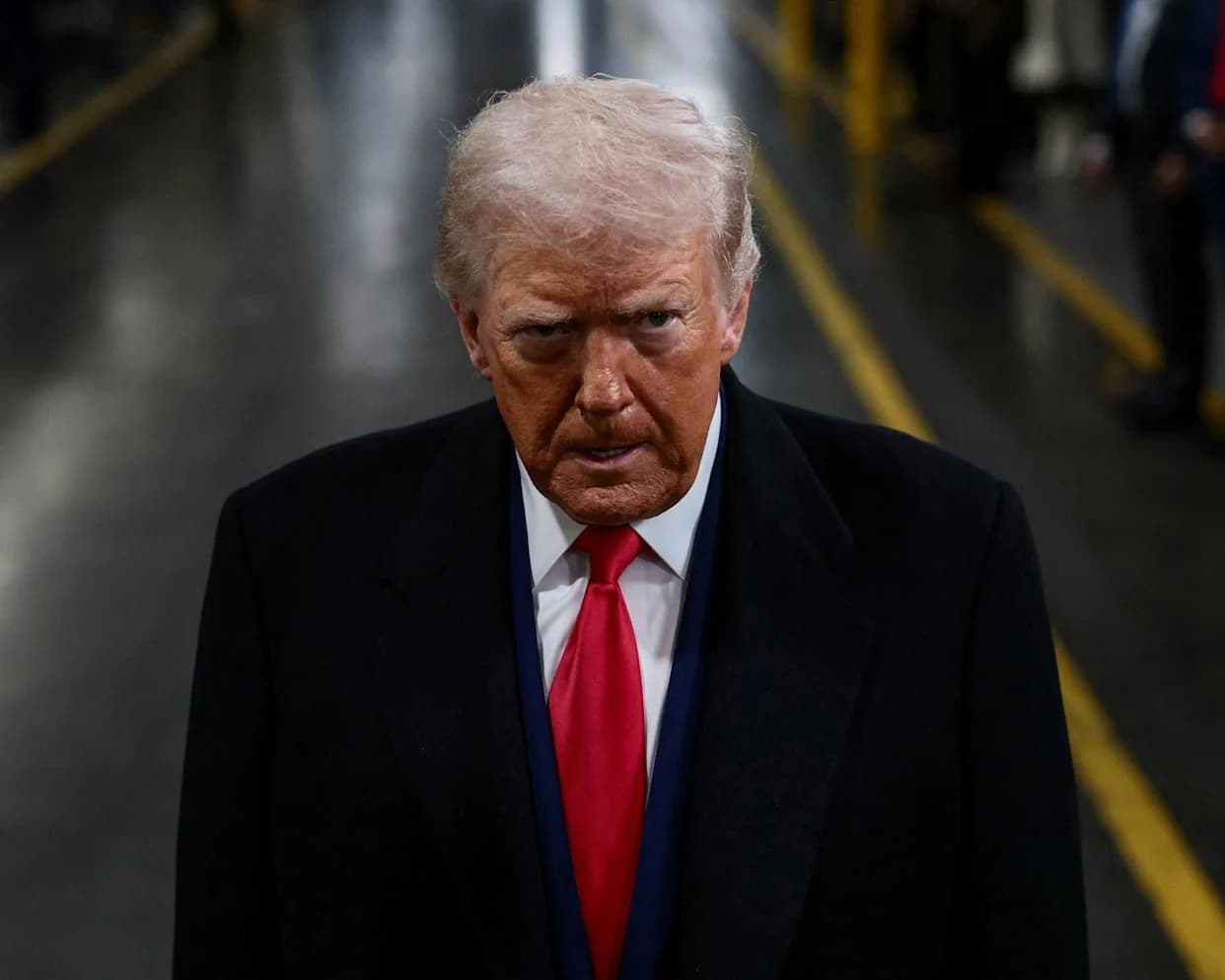
Senior appointments and public statements matter. The White House’s placement of Paul Ingrassia in a high-level role — and reports that in 2024 he used a racial slur while arguing the King holiday should be “eviscerated” — sent a clear message about the administration’s priorities. The administration also removed Martin Luther King Jr. Day and Juneteenth from the list of days that grant free entry to national parks, a symbolic rollback that accompanies more consequential policy changes.
Policy Changes With Real Consequences
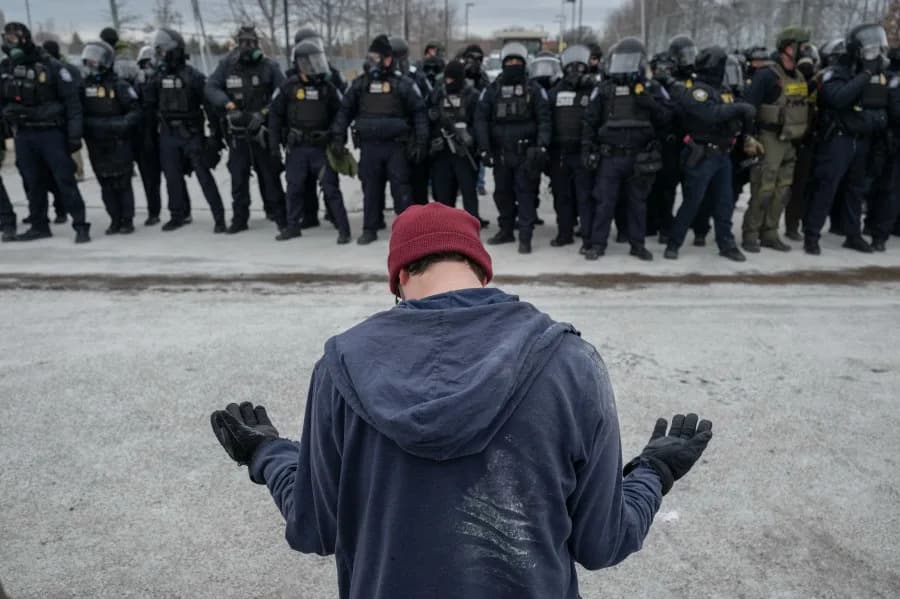
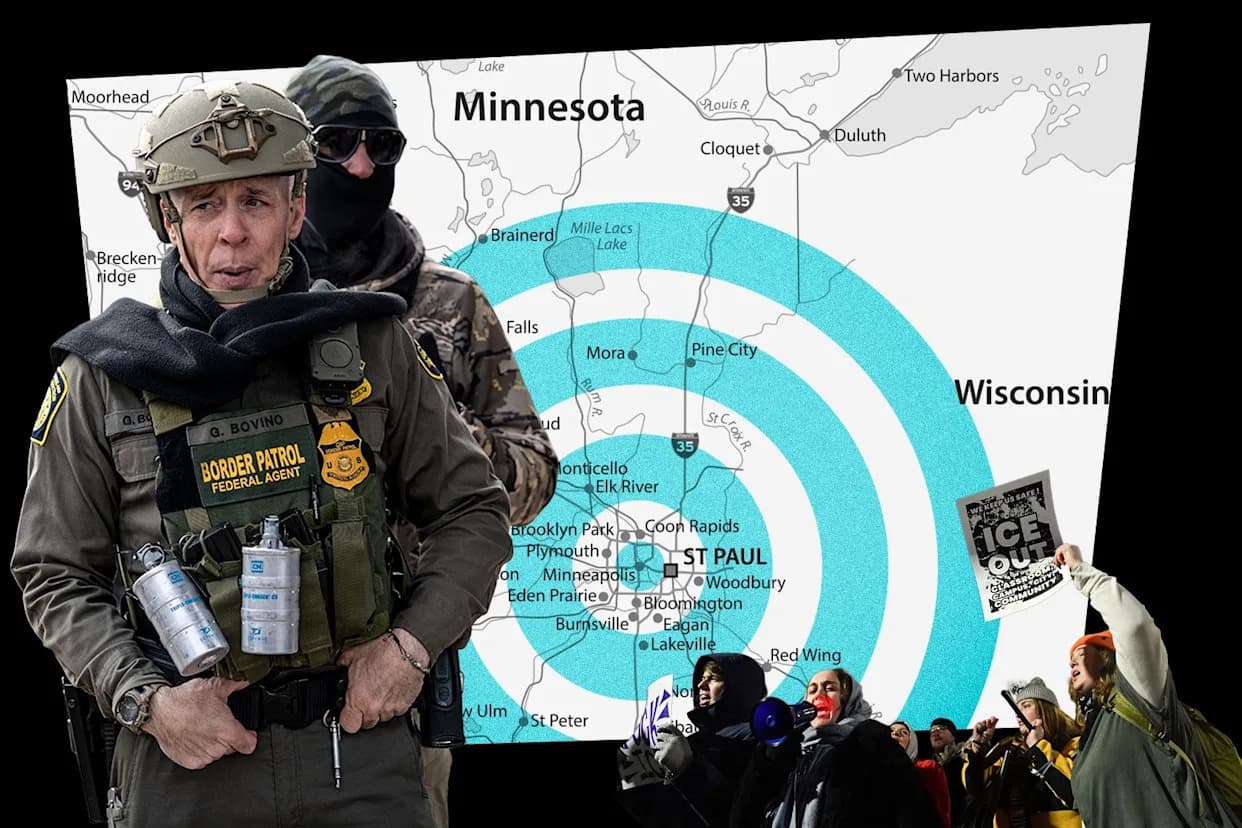
Rhetoric has translated into policy. The Justice Department has limited the use of disparate-impact analysis, a key legal framework for revealing systemic discrimination. The Civil Rights Division has signaled a retreat from robust investigations of police and immigration enforcement abuses — even as tragic incidents, such as the killing of Minneapolis mother Renee Good by an ICE agent, underscore the stakes.
Officials are also implementing elements of Project 2025 that would penalize state and local governments, nonprofits, universities and businesses for adopting diversity, equity and inclusion initiatives. These shifts risk undermining enforcement tools and protections that helped address entrenched discrimination.
Cultural Pressure And Censorship
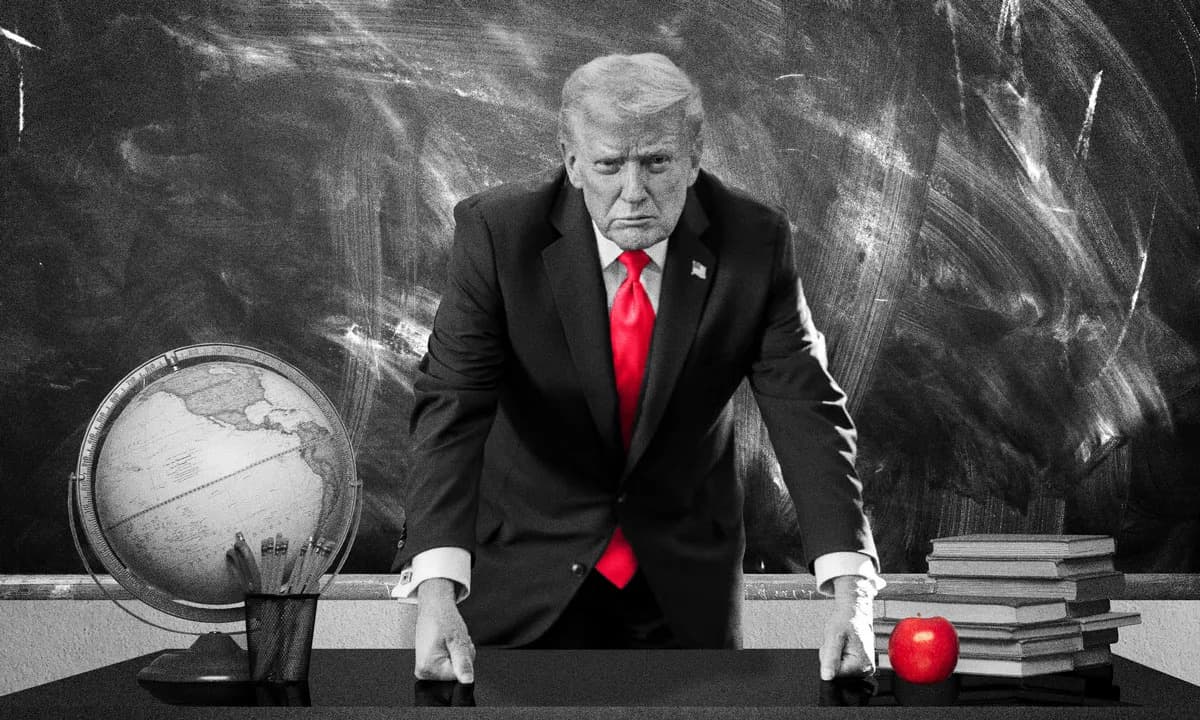
Attacks on the civil rights legacy are not limited to courts and agencies. Libraries, classrooms, national parks, monuments and museums have faced demands to remove or sanitize materials that confront uncomfortable chapters of U.S. history. The Smithsonian and other cultural institutions have reported pressure to downplay or whitewash historical narratives, often with assistance from influential conservative and white nationalist-aligned groups.
Immigration, Security Agencies, And A Climate Of Impunity
Cues from the top appear to have emboldened some in enforcement agencies. Border Patrol and ICE agents have been accused of racial profiling and abusive conduct, and critics say a permissive stance by the administration and the current Supreme Court majority has decreased accountability. Meanwhile, advisers such as Stephen Miller have worked to convert anti-immigrant sentiment into harder-line policy proposals, with life-or-death consequences for affected communities.
A Broader Atmosphere Of Racial Division
Prominent figures and allies who promote “white solidarity” or stoke fear about demographic change — including, at times, Breitbart-level rhetoric and social-media amplification — have contributed to a political climate in which appeals to racial grievance gain traction. This divisive messaging clashes with the experiences of many Americans who live, work and worship in diverse communities.
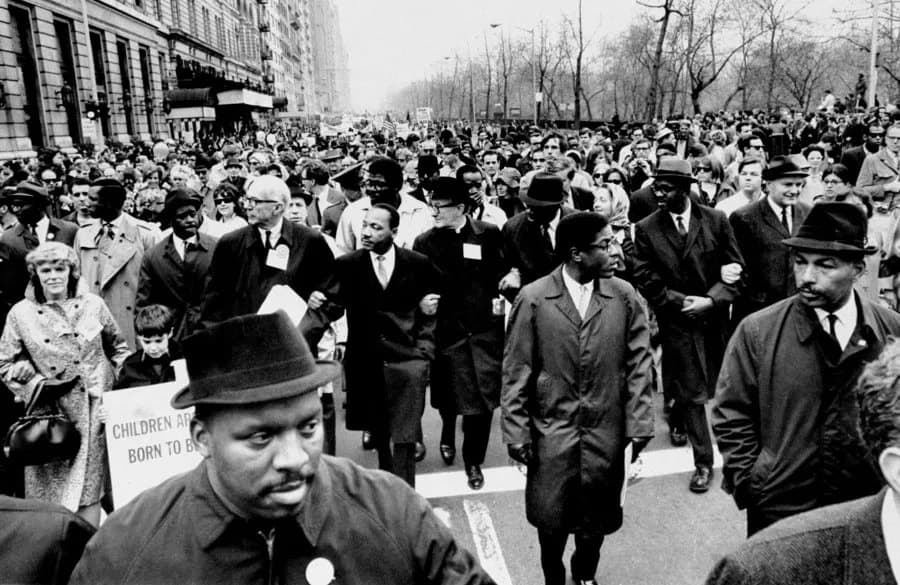
“Nonviolence is not passivity.” Dr. King grounded the civil rights movement in an ethic of principled, active resistance that appealed to broad coalitions across race, faith and class.
A Personal Perspective And A Call To Action
As a Black man from a mixed-race family who grew up in a predominantly white upstate New York community, the author reflects on both exclusion and inclusion: moments of bullying, but also the many people—white and Black—who supported him, voted for him, and mentored him. Those personal experiences underscore a larger truth: American life and democracy are strongest when multiracial, multigenerational coalitions defend human dignity.
This Martin Luther King Jr. Day, the nation should recommit to Dr. King’s vision: a nonviolent, inclusive coalition that protects civil rights, holds power accountable, and resists efforts to erase or sanitize history. Defending that legacy will require policy vigilance, cultural engagement, and sustained coalition-building across communities.
Svante Myrick is president of People For the American Way.
Copyright 2026 Nexstar Media, Inc. All rights reserved. For the latest news, weather, sports, and streaming video, visit The Hill.
Help us improve.