Recent polls show President Trump losing ground among younger, non-white and low-propensity voters who swung to him in 2024, prompting fresh doubts about the durability of his electoral gains. Polling analyst Nate Cohn called the shift evidence that “the second Trump coalition has unraveled,” while strategist Patrick Ruffini argued the core realignment among white working-class and some working-class minority voters remains intact. Ruffini says affordability is the decisive issue for these swing voters and urges a relentless, credible focus on cost-of-living measures. He warns that 2026 midterms may not capture these voters’ behavior and that 2028 will be the true test.
Why Trump’s Poll Numbers Are Sliding Among Key Voter Groups—and What It Means
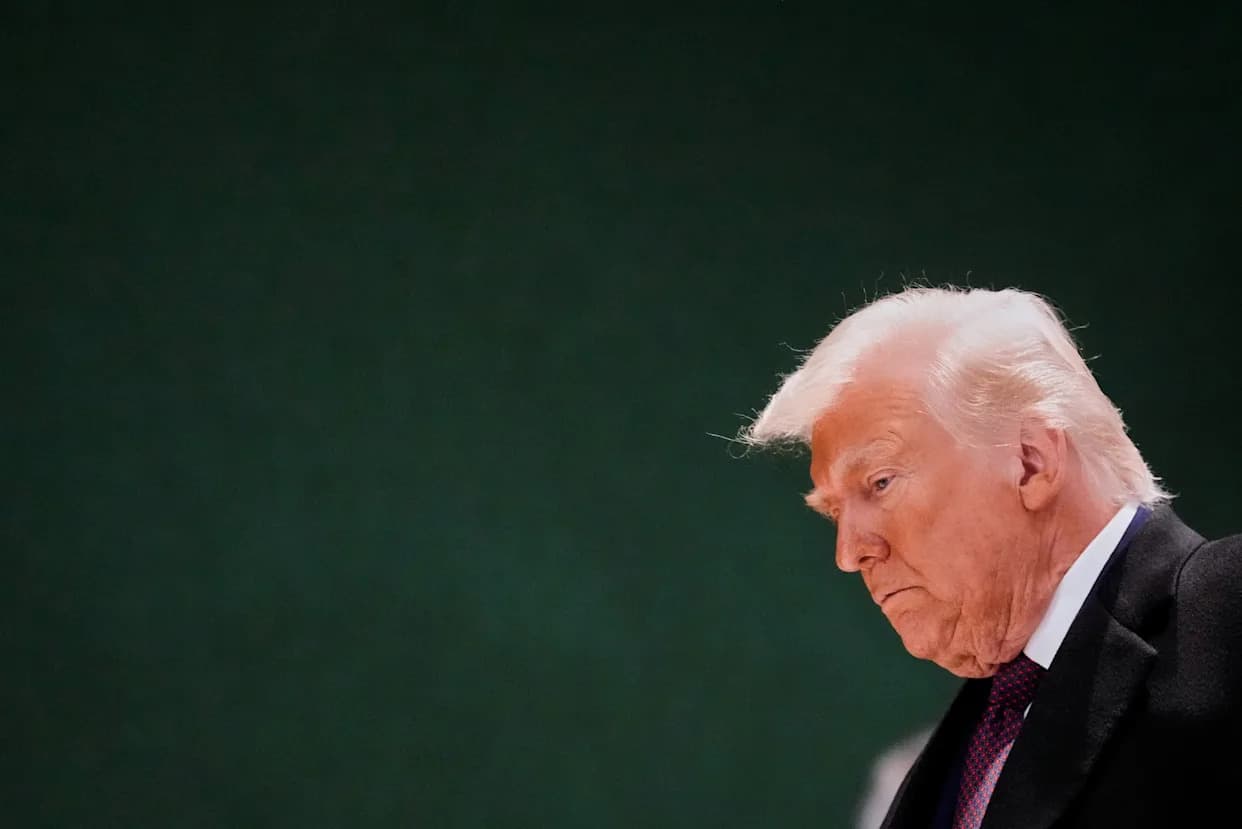
President Donald Trump has seen his support slip in recent polls among several groups that helped fuel his 2024 victory: younger voters, non-white voters and low-propensity (infrequent) voters. The shift has raised questions about whether the so-called "second Trump coalition" is as durable as some analysts once believed.
What the Polls Show
Multiple recent surveys, including a New York Times–Siena poll, show weakening support for Trump among the swing voters who backed him in 2024. Polling analyst Nate Cohn summarized the finding bluntly: "the second Trump coalition has unraveled."
Expert Take: Patrick Ruffini
I spoke with conservative pollster and strategist Patrick Ruffini, author of the 2024 book Party of the People, who helped map the contours of the 2024 realignment. Ruffini cautioned against declaring the realignment dead. He said the core shifts that reshaped American politics—particularly among white working-class voters and some working-class Latino and Asian American conservatives—remain relatively intact.
"The erosion has so far been concentrated among younger, nontraditional voters who are less attached to any party," Ruffini said, noting these voters tend to be low-income, less college-educated and more sensitive to affordability concerns.
Affordability: The Central Issue
Ruffini and the polling data point to cost-of-living concerns as the principal reason these voters are cooling on Trump. He argued that affordability was the top issue for the Biden-to-Trump voters in 2024 and remains their "north star." The White House has highlighted some cost-related measures—such as proposals to cap credit-card interest—but Ruffini said the administration has struggled to deliver a consistent, persuasive affordability message.
Immigration and Foreign Policy: Secondary Factors
Ruffini downplayed the role of foreign policy in shifting this cohort, saying it matters little to the broad group of swing voters. Immigration enforcement (for example, ICE actions) may have a modest negative effect among Latinos, but he warned against automatically assuming Latino voters prioritize immigration above other concerns. Across groups, affordability, jobs and health care remain the dominant issues.
Why Consolidation Has Been Hard
Ruffini noted two barriers to consolidating the 2024 gains: (1) these voters are hard to reach because they live largely outside traditional political spaces, and (2) governing often tilts toward policy demanders—in this case, the conservative policy base—rather than the broad outreach the campaign used in 2024 (e.g., appearances in nonpolitical venues).
Outlook: 2026 vs. 2028
Ruffini cautioned that 2026 midterms may not reveal the full picture because midterm electorates skew older, whiter and more reliable voters. He argued that a presidential campaign in 2028 will be the truer test of whether these voters remain contestable—and which party ultimately secures them.
Bottom line: Recent polling should alarm Republicans but does not, in Ruffini’s view, yet overturn the underlying realignment among core working-class constituencies. The immediate political imperative is credible, sustained action and messaging on affordability to win back the low-propensity swing voters who were pivotal in 2024.
This conversation has been edited for length and clarity.
Help us improve.