Summary: Donald Trump began his deportation campaign with wide public support after a migration surge under Biden, and unauthorized crossings fell to record lows by February 2025. But highly visible violence, defensive messaging from the White House, controversial DHS communications, and resistance to accountability eroded public backing. As approval on immigration turned negative and support for measures like "Abolish ICE" grew, Democrats gained ground in 2026 midterm polling.
How Trump Turned His Immigration Strength Into a Political Liability
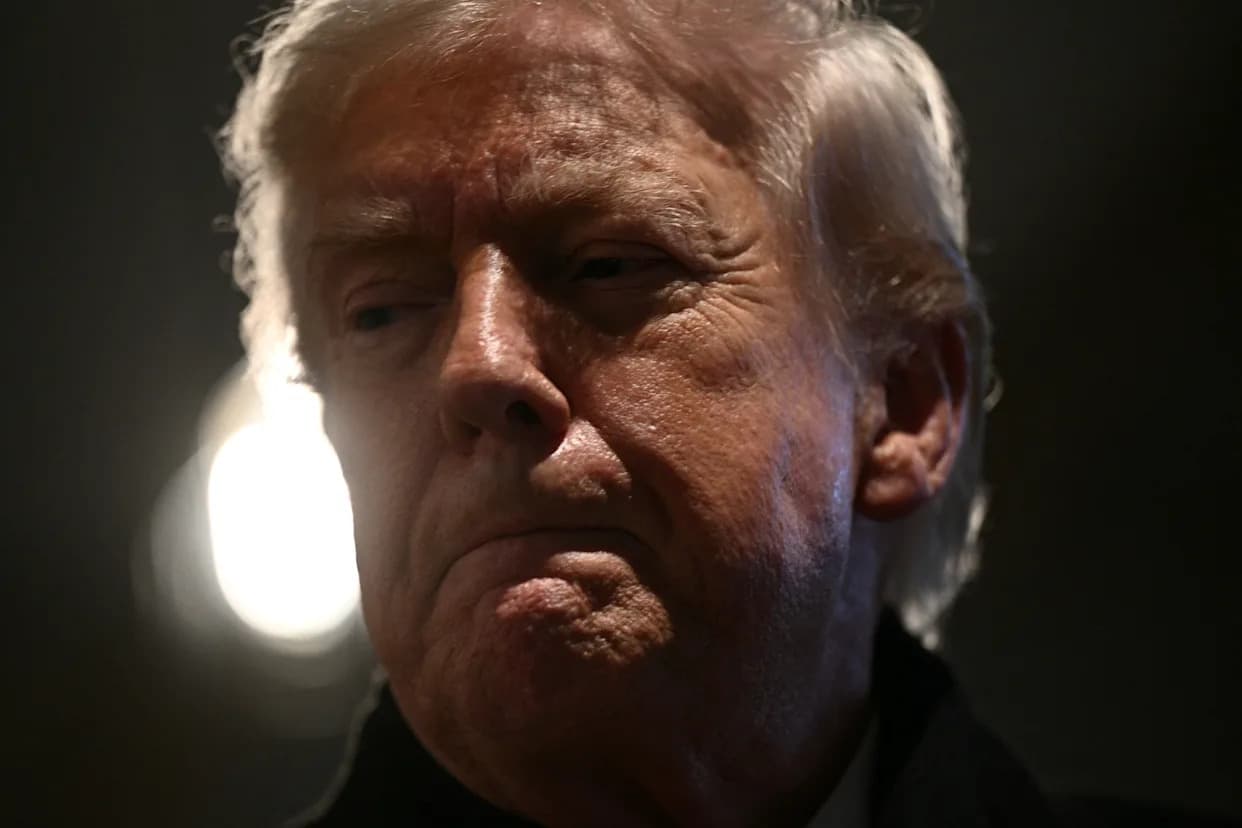
Donald Trump speaks during a stop at the Machine Shed restaurant in Urbandale, Iowa, on January 27, 2026. | Brendan Smialowski / AFP via Getty Images
When President Donald Trump launched an aggressive deportation campaign after taking office in January, he initially enjoyed broad public backing. A migration surge during the Biden years had left many voters anxious: a November 2024 CBS News/YouGov poll found 57% of Americans supported “a national program to find and deport all immigrants who are in the U.S. illegally,” and 73% said the next president should make deportations a priority.
But within a year that political advantage faded. Although unauthorized border crossings plunged to historic lows by February 2025, the administration’s hardline tactics, controversial messaging, and highly publicized episodes of violence shifted public opinion — turning what had been a core strength into a growing vulnerability.
From Crisis To Containment — And Then Backlash
The migrant wave that dominated headlines before Trump took office had already crested. Economic cooling in the U.S. and tighter asylum rules announced by the Biden administration reduced crossings sharply: illegal border encounters fell 53% between December 2023 and May 2024, then fell further after new restrictions from June to November 2024. By February 2025, recorded southern border encounters were at a record low — about 8,326 — compared with 47,300 in December 2024 and 249,740 in December 2023.
Given those numbers, the political path was straightforward: the administration could have claimed credit for securing the border while pursuing a conventional, restrictionist agenda that emphasized enforcement spending, deportations of criminal offenders, and tighter asylum access. Instead, the White House embraced far more aggressive and highly visible tactics.
Extreme Tactics and Messaging Backfire
The administration’s public posture — including high-profile raids, militarized scenes at demonstrations, and claims that deportation forces were restoring order — initially reinforced Trump’s image as tough on immigration. But several developments undercut that advantage.
- Violent Incidents: Fatal shootings, including the deaths of Renee Good and Alex Pretti, drew national attention and video evidence that raised questions about the use of lethal force by ICE and Border Patrol.
- Defensive Messaging: In both cases the administration initially defended the agents involved and publicly criticized or discredited victims, even when video contradicted official accounts. That stance generated broad outrage and skepticism.
- Controversial Communications: Official DHS social-media posts and incendiary remarks by senior figures — including public derogation of groups such as Somali-Americans — amplified perceptions that enforcement was driven by animus rather than law enforcement priorities.
- Accountability Questions: At the same time the administration signaled resistance to reforms that would increase training standards or legal accountability for ICE and CBP, fueling the sense that abuses would go unchecked.
Shifting Polls And Political Consequences
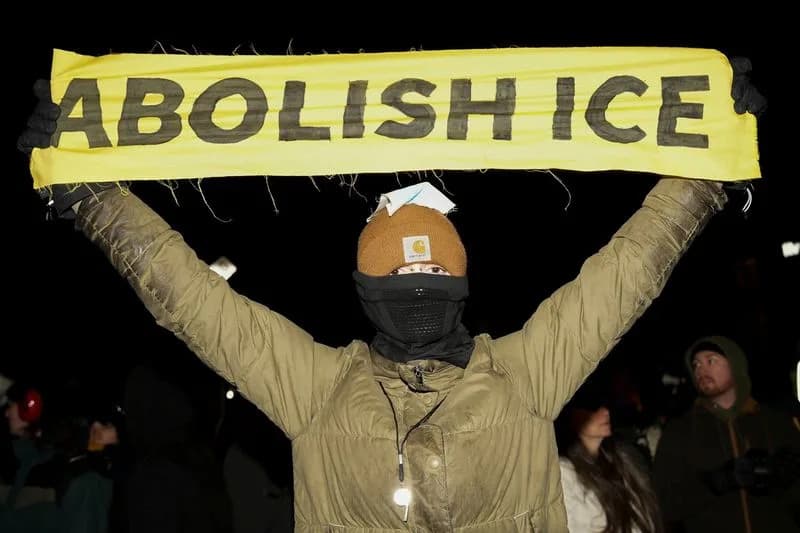
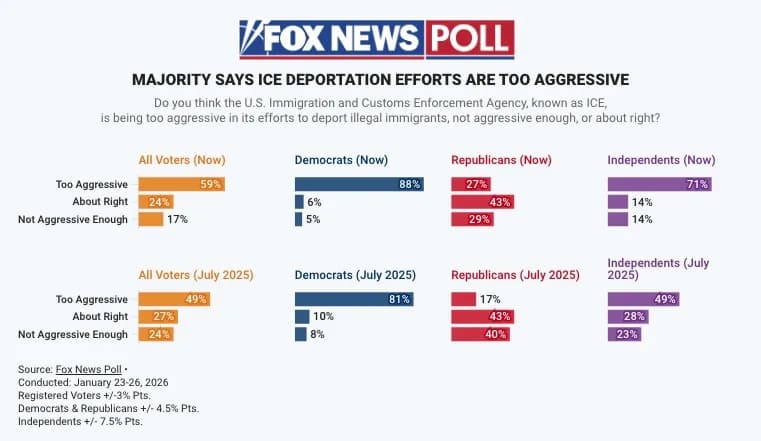
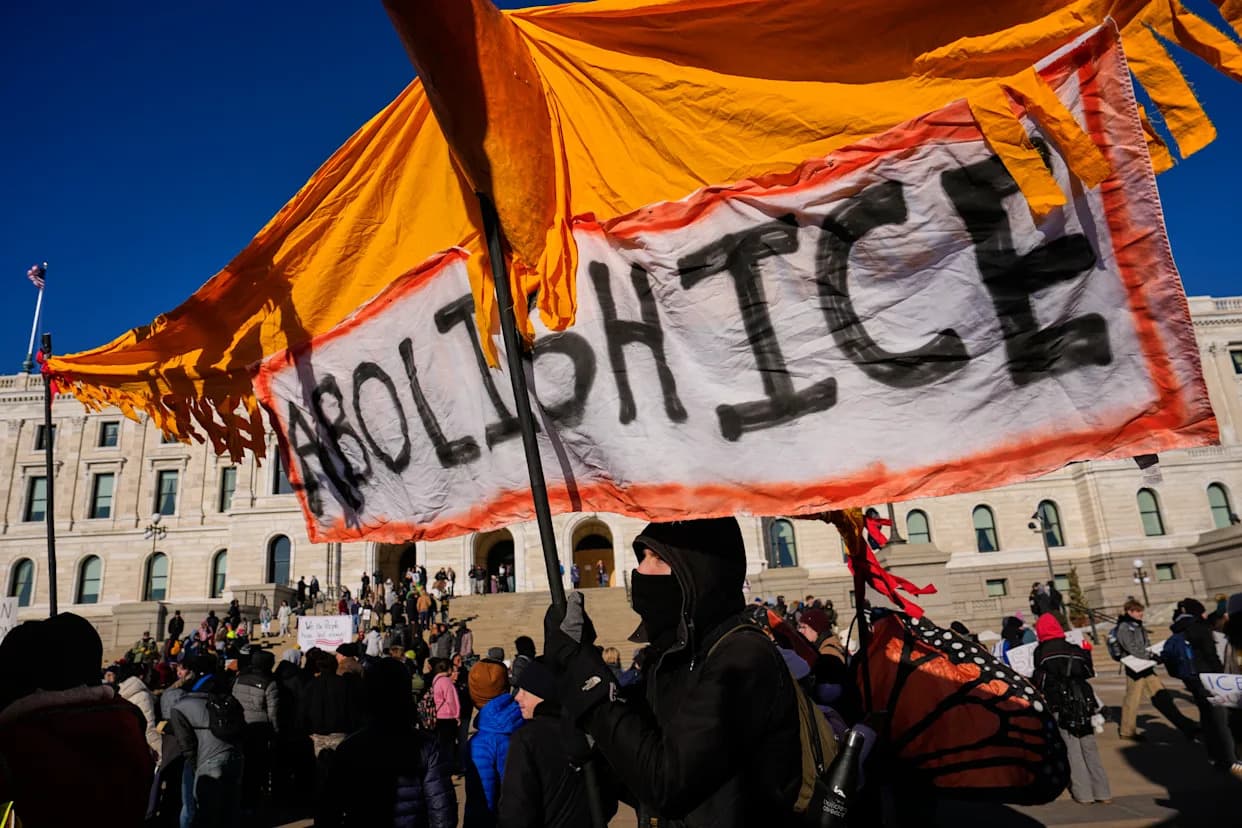
Public reaction was swift. Polling trackers show Trump’s net approval on immigration swung into negative territory — roughly 9–12 points underwater in various measures — and disapproval of ICE climbed above 60% after highly visible incidents. Support for the once-toxic slogan “Abolish ICE” has grown: recent polling put backing near 46% of voters, including about one-fifth of Republicans.
These shifts had political consequences beyond immigration alone. While Republicans still hold some advantage on the issue in certain polls, Democrats have gained momentum overall: the party’s lead in 2026 midterm polling widened from a slim 0.2-point margin last April to roughly 5.5 points in recent tracking.
Why This Matters
The episode shows two key lessons about governance and messaging. First, successful policy outcomes (in this case, a drastically reduced flow at the border) can be politically squandered by extreme tactics and poor communication. Second, visible abuses and the erosion of oversight can alienate moderates and portions of a party’s base — especially when the administration appears to prioritize punitive or ideological goals over professionalism and legal accountability.
Had the White House pursued a steadier, center-right enforcement strategy and maintained message discipline, it could have consolidated political gains from the border decline. Instead, its public embrace of aggressive and, at times, authoritarian tactics has turned immigration from an asset into a liability.
Bottom line: Record-low crossings did not translate into sustained political advantage because violent enforcement, controversial messaging, and resistance to accountability shifted public opinion and strengthened Democratic standing in midterm polling.
Help us improve.